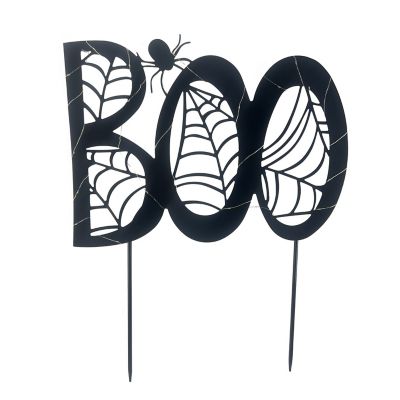
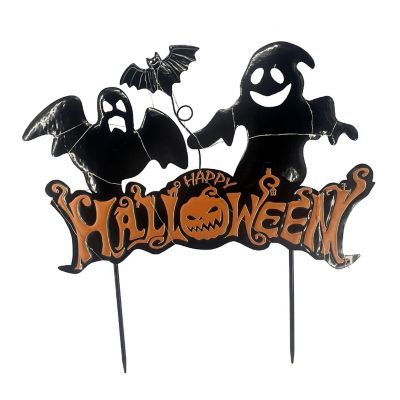
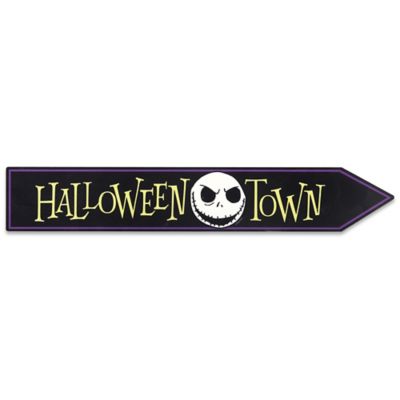
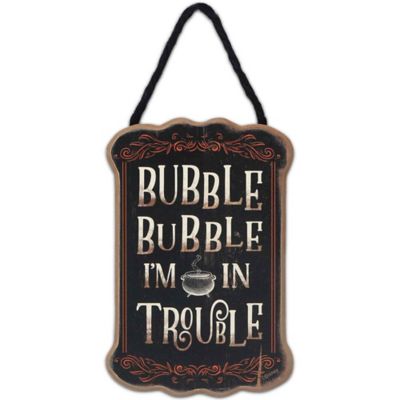
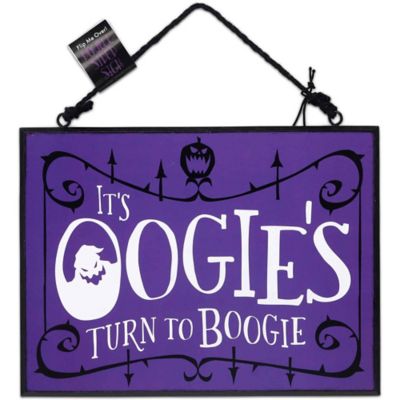
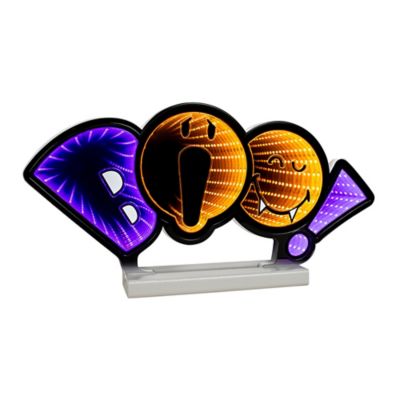
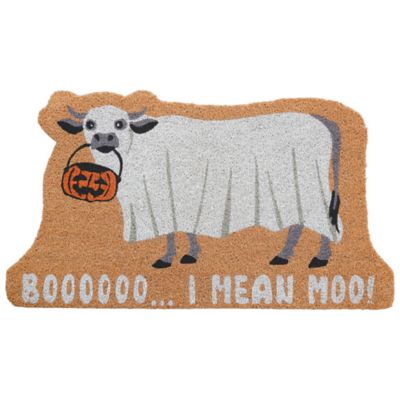
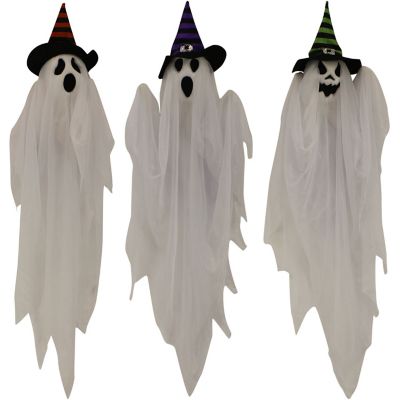
Halloween boo signs bring a little friendly fright to the front porch, the yard or a spot inside the house. The word “boo” does most of the work, but the lettering and colors set the mood. Rounded letters and a grinning ghost feel right at home where little trick-or-treaters come calling, while crooked lettering and darker colors can give an entryway a spookier look without much else around it. Big letters with a strong contrast against the background are easy to pick out across a yard. Smaller lettering and painted details make more sense on a shelf or table, where folks can see them up close. Indoor Halloween boo signs can sit on a mantel, hang in an entryway or lean against the back of a shelf. A tabletop sign with a broad, flat base fits nicely on a busy kitchen counter, where there’s always somebody reaching for a napkin or setting down a plate. Depth matters on a narrow mantel: A sign might fit from side to side and still have a base that sticks over the edge. Painted wood can bring out the grain and look right at home next to a few pumpkins, while a lightweight sign can be a better fit for a wall or a door that opens and shuts all day. On a glass storm door, it helps to consider both the space between the doors and how much of the sign will be visible through the glass. There’s room for a little humor inside, too. A small boo sign tucked among family photos gives people something to notice on their way through the hall, while a larger one over the snack table can set the tone for a Halloween get-together without taking up a spot meant for food.
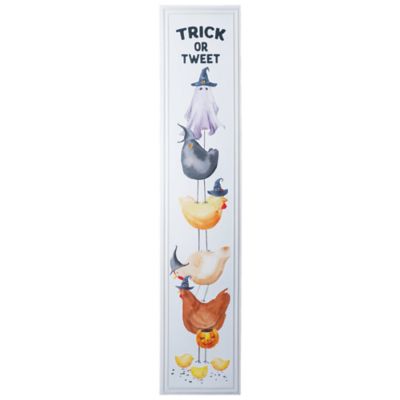
Outdoor Halloween boo signs come in forms that suit different parts of a yard or porch. A staked sign can stand out along a stretch of lawn, a hanging sign can fit beneath a covered entry, and a tall porch sign can fill the space beside a door without crowding the steps. The right size depends on where people will first see it. A sign that looks plenty big from the porch swing may be hard to read from the road, especially with a fence rail or tall grass in front of it. Bold lettering on a light background, or light lettering on a dark one, can make the message easier to read as the daylight fades. A porch light may reach a sign beside the door but leave one down by the drive in shadow. Placement also makes a difference once costumes and candy bags enter the picture: A sign off to one side of the walk leaves room for kids to pass in both directions, and a hanging sign that sits close to the wall is less likely to swing into someone’s path. For an open yard or an uncovered porch, a sign intended for outdoor use is a better match than one meant to sit on a shelf. Coated metal can stand up to outdoor conditions when the finish is intact, though chips can leave steel exposed to rust. Wood made for outdoor display benefits from a finish that protects the edges and back as well as the face, and lightweight plastic can be easy to move when a spot turns out to be windier than expected. The mounting matters as much as the material. A wide sign catches more wind than a narrow one, and a yard stake needs firm ground to stand straight. A covered porch offers some shelter from rain, but a sign near the edge can still get splashed or catch a gust.
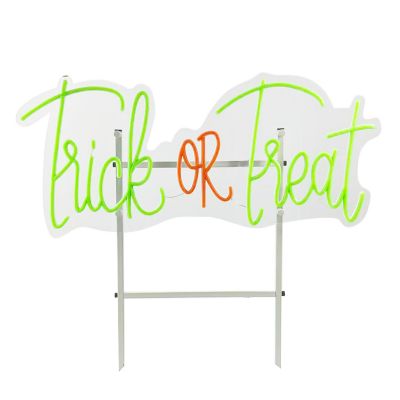
A boo sign can be a fun gift for someone putting together a first front porch, a neighbor who always leaves the light on for trick-or-treaters or a friend who hosts the annual Halloween supper. A small freestanding sign makes sense when wall space is hard to guess, while a porch or yard sign suits someone who likes giving the whole place a Halloween look. A simple “boo” is more about setting the mood than telling visitors where to go. It can go on a porch post or near a group of pumpkins, with
Trick Or Treat Signs closer to the door or candy spot to help make the welcome clear. At a place with a long drive or more than one way up to the house, that difference can help visitors tell which entrance to head for. Once Halloween is over, a little care before putting a sign away can keep it looking good for the next fall. A soft, dry cloth is often enough for dust on an indoor sign, especially if the face is printed or made of unfinished wood. For outdoor signs, the finish determines whether a damp cloth is suitable for wiping away dirt and grass. Letting the sign dry before storing it helps keep moisture from sitting against the face or collecting around the hardware. Narrow stakes are less likely to bend if they’re laid flat or kept beside the sign rather than tucked under a heavy box. Painted faces can rub against hooks and brackets in storage, so a layer of plain paper or a soft cloth between pieces helps protect the lettering. Whether the sign spends Halloween beside the front steps or on the kitchen shelf, a clear message and a spot that fits are what make that one little word stand out.