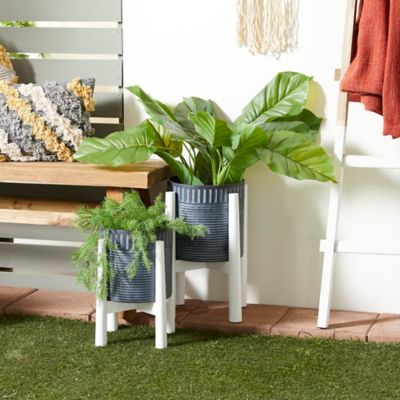
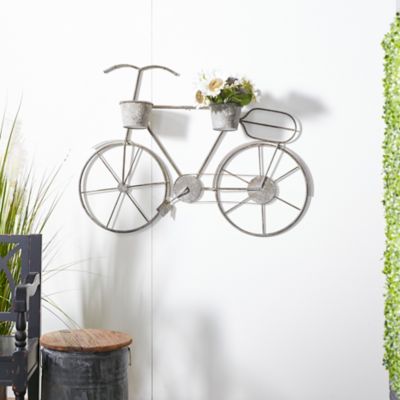
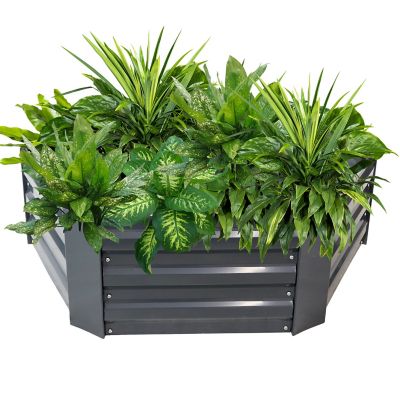
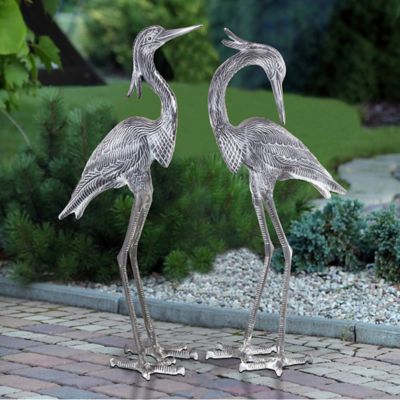
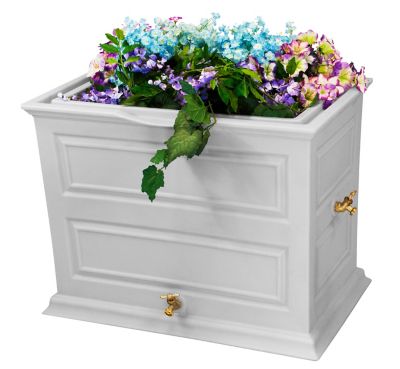
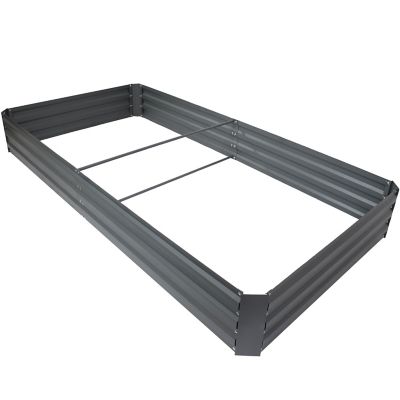
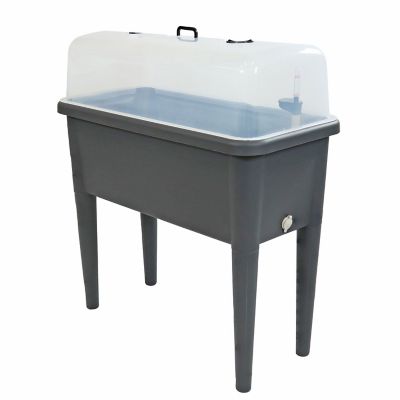
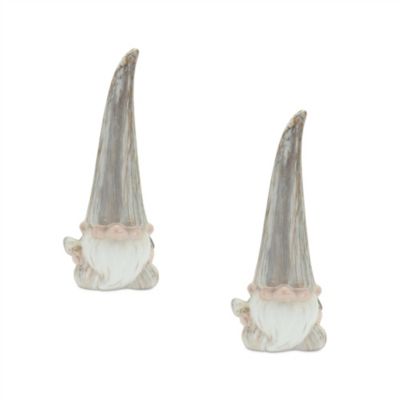
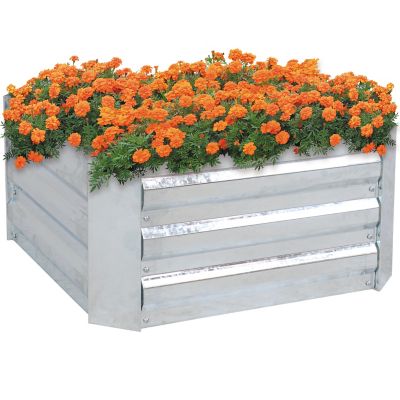
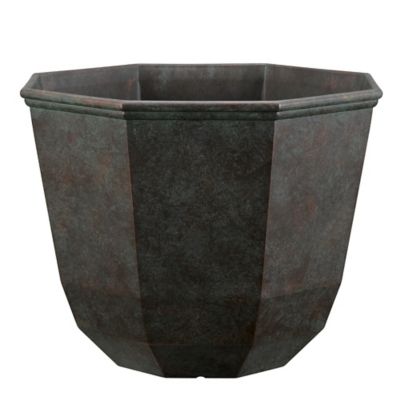
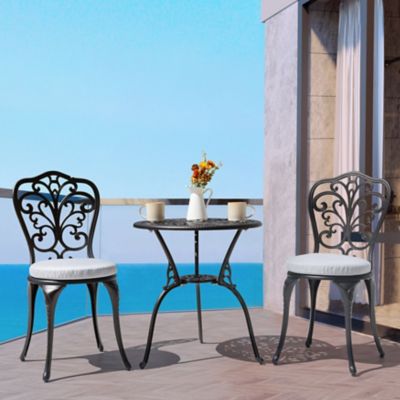
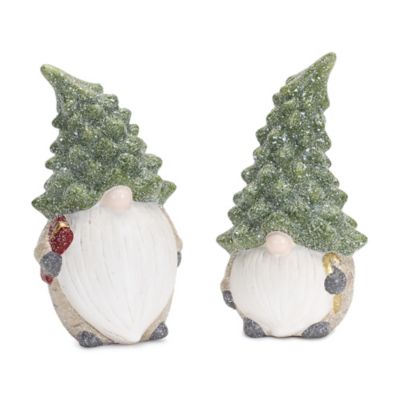
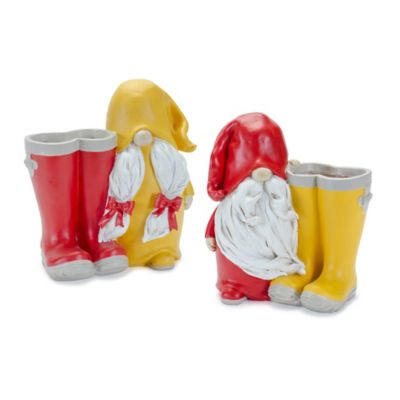
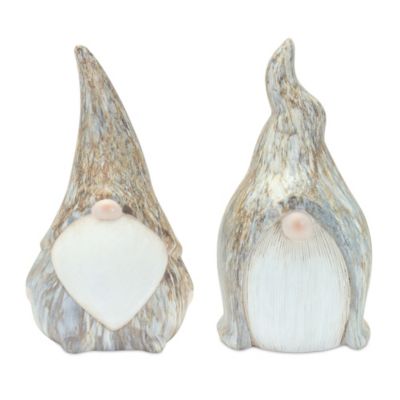
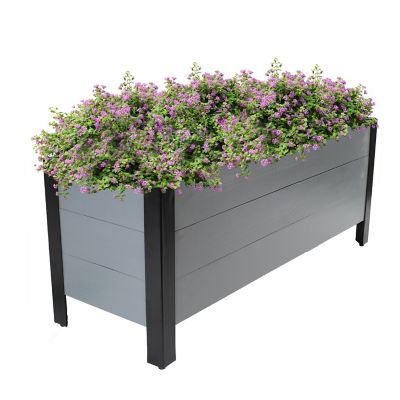
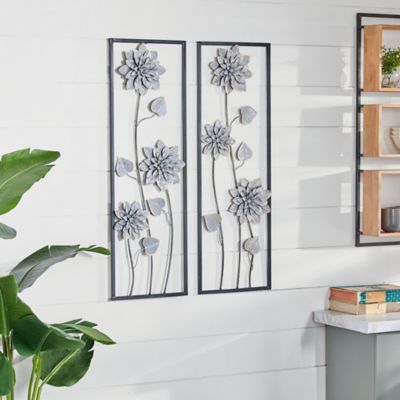
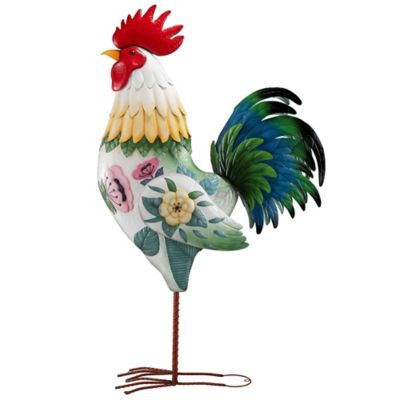
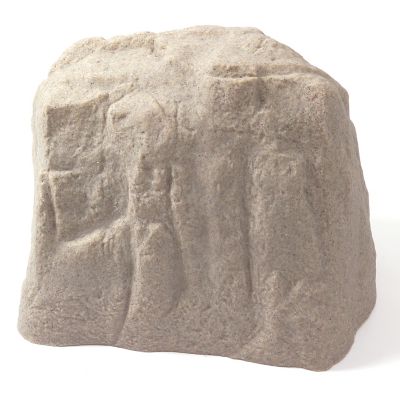
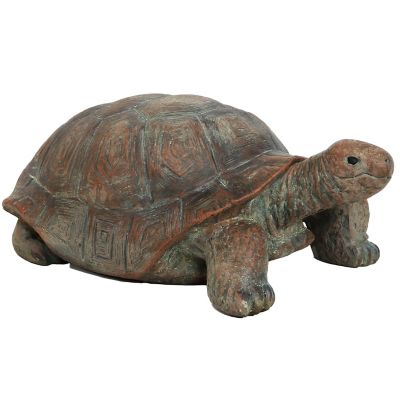
Gray garden accents bring together neutral stone finishes, muted metals, and wood tones that sit comfortably beside flowers, shrubs, and vegetable beds. The color ranges from pale dove gray to deep charcoal, with plenty of variation in between: concrete can have a soft, chalky look, galvanized metal adds a little shine, and natural stone often carries flecks, veins, or uneven shading. That range gives gray garden pieces a place around a farmhouse porch, a tidy courtyard, or a gravel path leading out toward the shed. Gray provides a quiet backdrop for green foliage and colorful blooms without competing with either. Against red brick, it can soften a busy setting; beside white siding, it adds definition without the sharper contrast of black. Garden statues, sculptures, planters, plant stands, and edging all bring that neutral color into a space, but each serves a different purpose. A sculpture gives the eye somewhere to land, a planter puts greenery where an in-ground bed may not fit, and edging creates a clearer boundary between planted areas and a walkway. Animal shapes and stacked-stone forms feel at home among leafy beds, while simple geometric shapes suit straight paths and neatly arranged containers. Texture makes a difference, too. A smooth gray surface looks more distinct beside coarse gravel than beside another smooth surface of nearly the same shade. Rough stone can break up a stretch of plain paving, while a metal finish adds contrast beside timber fencing. These pieces do not have to match perfectly to look right together. Repeating a similar gray tone in a few places can connect the porch, path, and garden without making the whole yard feel overly coordinated. For a small entry, one well-proportioned accent may be enough. In a broad planting bed, a larger shape or a loose grouping is easier to see from the house and less likely to disappear behind the greenery.
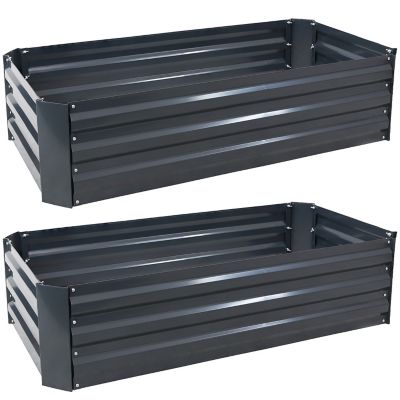
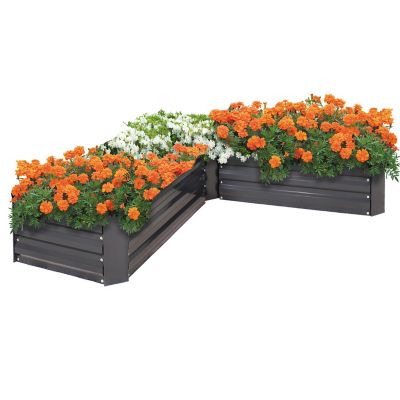
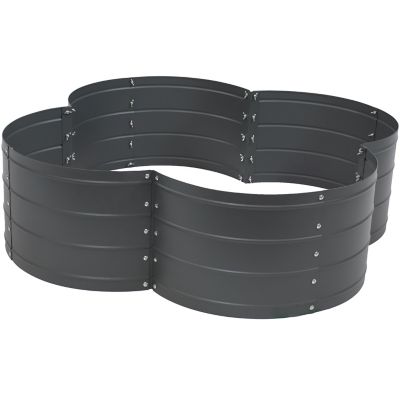
Materials affect more than appearance, especially when a garden accent also holds soil, supports a container, or marks the edge of a path. Natural stone and solid concrete generally have substantial weight, which can help a freestanding piece stay put but also makes moving it more work. A broad base, level footing, and a suitable supporting surface matter just as much as the material itself. A hollow cast piece may resemble solid stone while being easier to carry, though its construction and care requirements can be quite different. Resin and other molded materials can reproduce carved details or a textured stone finish without the same heft; wall thickness, base design, and the manufacturer's intended placement are worth checking. Magnesium oxide blends also appear in stone-look garden accents, and their suitability for outdoor placement depends on the particular construction and finish. Galvanized steel and zinc-toned metal offer another route to gray, often with a mottled surface that fits naturally beside wire fencing, wood beds, and gravel. Coated metal needs attention at scratches, seams, and fasteners, where exposed areas may require care according to the maker's directions. Wood brings grain and a softer-looking surface, with gray stains or finishes providing color while allowing some of that grain to show. For any material, outdoor-rated construction is a better starting point than appearance alone. Planters have a few extra considerations: drainage openings, room for roots, and enough access to remove a nursery pot or refresh the planting mix. A container intended only as an outer cover may need a separate inner pot and a way to keep excess water from collecting around roots. Plant stands need a stated load capacity that accounts for the container, plant, and watered planting mix, not just an empty pot. Routine care should suit the surface. A soft brush can lift dirt from textured details, while a gentle wipe may be enough for a smooth finish. Harsh cleaners and stiff scrubbing can damage coatings, so the care label should settle any uncertainty.
Size and placement help gray garden accents feel like part of the property rather than something set down wherever there was room. Height, width, and the footprint at ground level all matter, along with the space needed to walk past, pull a hose through, or reach a planting bed. A tall, narrow piece can fit beside an entry without taking over the porch, but it still needs a stable base and clearance from the door swing. A low sculpture beside a path should remain visible rather than becoming a hidden obstacle beneath spreading leaves. Along a working garden, leaving room for a wheelbarrow and routine trimming keeps an attractive arrangement practical. The view from a kitchen window or a porch chair can be just as important as the close-up view; fine surface details may fade at a distance, while a clear outline remains noticeable. Gray tones also look different against their surroundings. Pale gray stands out against dark mulch, charcoal holds its shape against light gravel, and a medium gray can blend gently with natural rock. Pairing gray pieces with
black garden accents adds a stronger contrast while keeping the overall color scheme restrained. A shared shape or material can tie those two shades together without requiring every finish to be identical. For households with children or pets, rounded edges, secure placement, and pieces kept clear of active play areas are sensible considerations. Garden accents can also make thoughtful gifts for someone who enjoys tending plants or spending time on the porch. A manageable size and straightforward care requirements are often more helpful than an elaborate design, especially when the recipient has a smaller yard or limited lifting space. Whether the setting is a few containers beside the back steps or a long border along a fence, gray offers a flexible foundation. The strongest choices balance a pleasing shape with the right dimensions, suitable construction, and a clear place in everyday life around the yard.