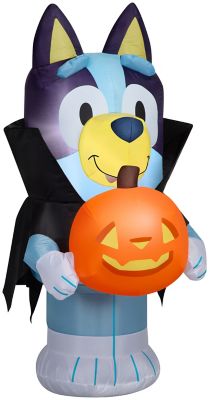
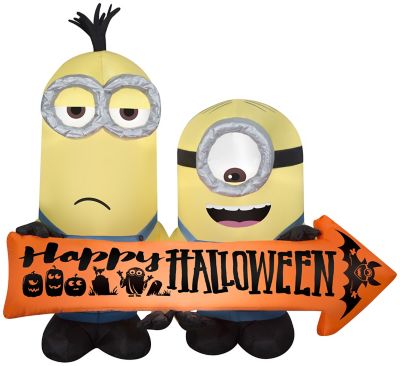
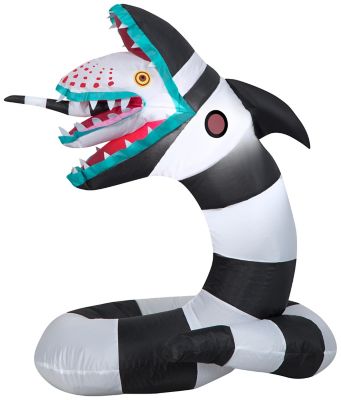
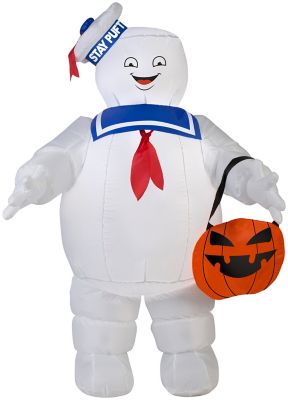
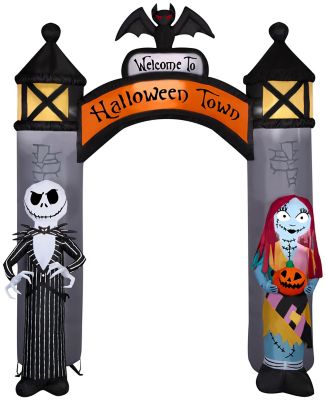
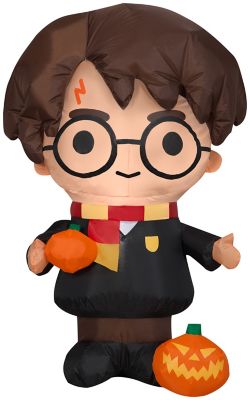
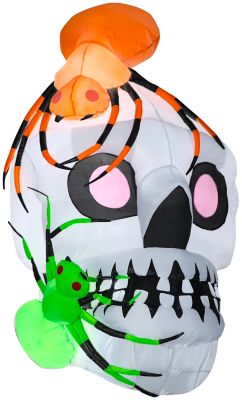
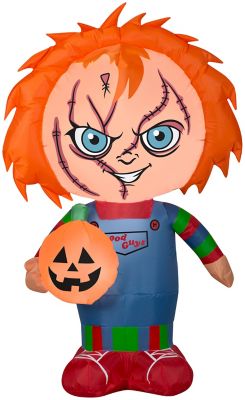
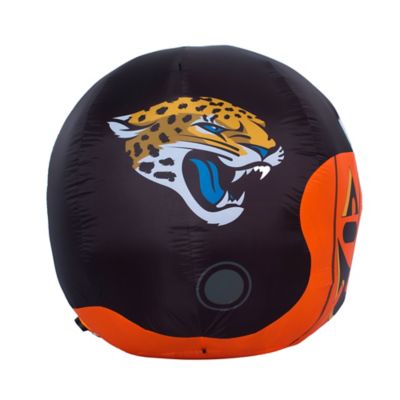
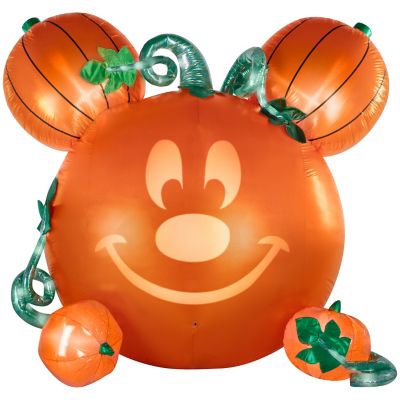
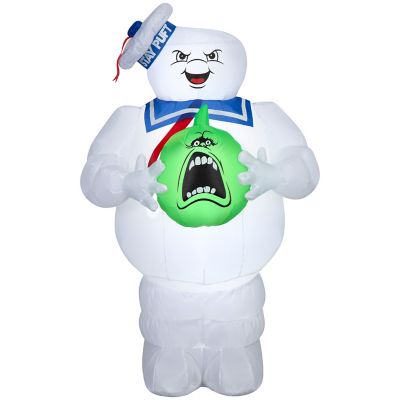
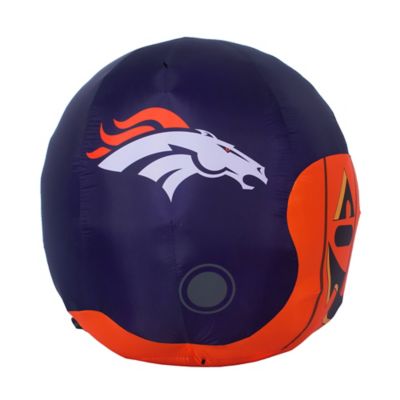
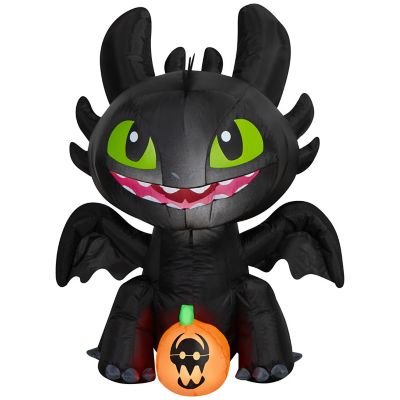
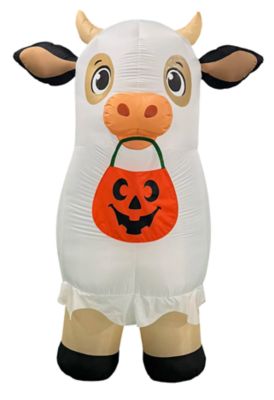
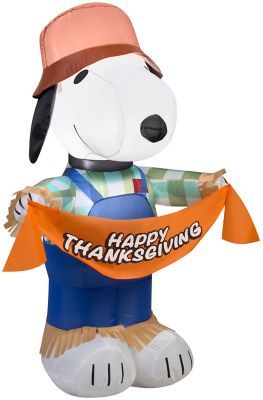
Halloween blow ups are fan-inflated figures that bring big shapes, playful characters and spooky scenes to lawns, porches and outdoor gathering spaces. From grinning pumpkins and friendly ghosts to towering creatures with glowing eyes, Halloween inflatables help set the mood without requiring a permanent structure in the yard. Compact designs around 3 to 6 feet tall can suit a small front lawn or an open spot beside the porch, while figures around 7 to 10 feet tall make a stronger impression across a wider yard. Oversized styles reaching 12 to 20 feet need considerably more ground space, overhead clearance and room for anchoring. Height is only part of the fit: outstretched arms, broad bases and tether lines can extend well beyond the figure itself. A narrow strip beside the front steps may work for a slim shape, while a sprawling scene belongs in an open area away from foot traffic. On a country property with a long driveway, a larger figure can help establish the Halloween scene near the house, provided it stays clear of drivers’ sightlines. For a neighborhood porch, a smaller, cheerful character can welcome trick-or-treaters without crowding the candy table. Friendly faces often fit gatherings with younger children, while skeletal shapes, looming silhouettes and darker themes bring a haunted-house feel to parties. Color matters, too: bright orange, white and green stand out against grass and shrubs during daylight, while internal lighting can bring faces and outlines into view after dark. A single tall figure can serve as the main attraction, with lower accents arranged nearby rather than competing for attention. For a coordinated outdoor scene,
Halloween Yard Decorations can help connect the look from the front walk to the porch. The best arrangement leaves the entrance easy to find, keeps steps visible and gives visitors plenty of room to pass.
Materials and construction make a difference in how Halloween blow ups hold their shape and handle repeated setup. Many feature lightweight synthetic fabric, often polyester, that folds down for storage while allowing a blower to fill the body with air. Fabric type, coatings, stitching and reinforced attachment points vary by design, so the manufacturer’s intended setting and care directions matter more than appearance alone. Outdoor placement calls for a model specifically rated for that purpose; a covered porch still exposes fabric and electrical parts to damp air and windblown rain. Most fan-driven inflatables need continuous power to remain standing, and the air intake needs open space around it. Leaves, grass clippings or fabric pressed against the intake can interfere with airflow. A level patch of ground free of thorns, sharp stones, broken branches and exposed wire helps protect the base. Stakes and tethers hold the figure in position, but they need suitable ground and a layout that follows the manufacturer’s directions. Their reach also belongs in the space calculation, especially beside a sidewalk or where children may run across the lawn. On a hard porch or driveway, anchoring requires an approved method rather than assuming lawn stakes will do the job. Lighting and motion add another layer to the display: steady illumination can highlight a friendly face, while moving parts or changing light effects create a livelier scene. Those features can also affect placement near bedroom windows, livestock areas or close neighbors. Electrical connections deserve the same attention as the figure itself. An outdoor-rated extension cord with the proper electrical rating and a ground-fault circuit interrupter, or GFCI, protected outlet help support appropriate outdoor operation. Connections need protection from moisture according to the equipment directions, and cords should stay clear of walkways, vehicle routes and mower paths. A nearby outlet makes setup simpler, but keeping the blower clear, the cord route safe and the entrance open matters more than filling every spare corner.
Halloween inflatables work best as temporary holiday displays, with care matched to the fabric, blower, lighting and expected outdoor exposure. Fall conditions can change quickly, and a tall, air-filled figure catches wind differently than a low lawn accent. Strong gusts can strain seams and anchor points even when a display is secured, so the manufacturer’s wind and weather limits should guide operation. Heavy rain, thunderstorms, snow and ice may call for bringing the inflatable inside rather than leaving it outdoors. Clear space for deflation matters as well: when the fan stops, fabric can settle across damp grass, a path or nearby plants. A thoughtful layout gives the figure somewhere to rest without covering an intake, snagging on a fence or becoming a tripping hazard. For families hosting a Halloween gathering, that can mean keeping the main display off to one side of the yard, with a clear route between the driveway, porch and candy station. Farm stands, neighborhood events and school celebrations may have different needs, including permission to use the space, access to power and closer attention to pedestrian traffic. At home, routine checks for loose tethers, blocked vents and worn cords help catch problems before the next evening’s display. Cleaning is generally a gentle job, using the method specified by the manufacturer rather than a pressure washer or harsh cleaner. Electrical components should never be submerged. Before packing everything away, the fabric needs to be fully dry, including folds and areas around the base where moisture can linger. Careful folding, protected lights and a separate place for stakes and tethers help prevent snags during storage. A dry indoor location away from rodents, sharp tools and heavy objects keeps the parts together for another Halloween. With a sensible footprint and room for safe operation, a blow-up display can bring plenty of Halloween spirit to a front yard without taking over the whole property.