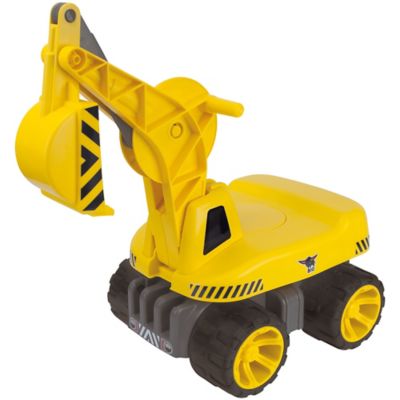
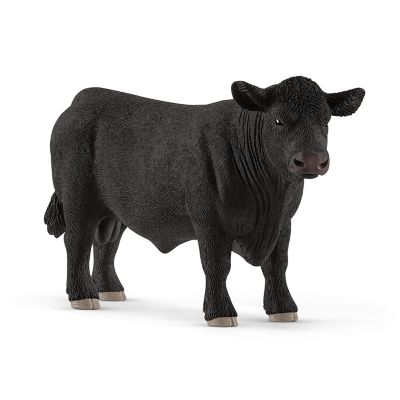
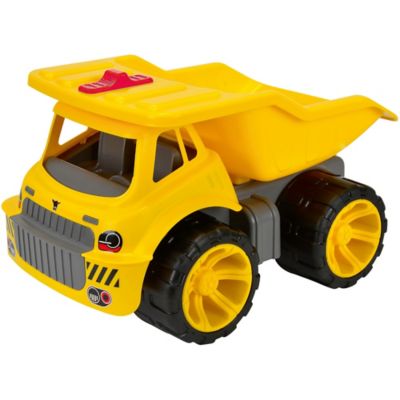
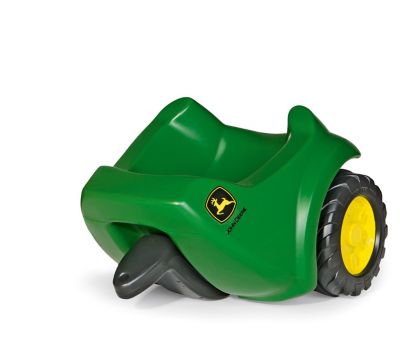
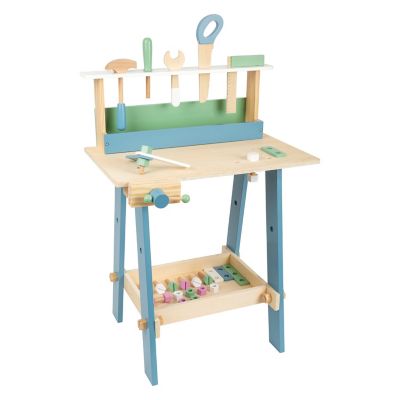
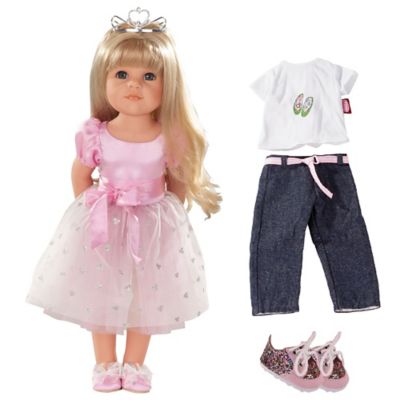
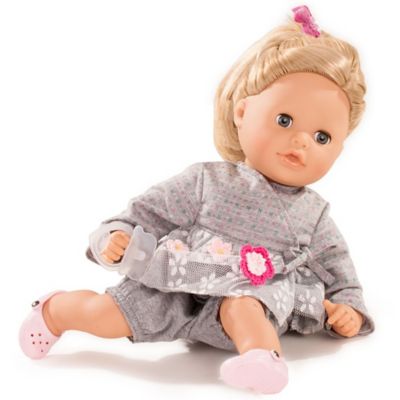
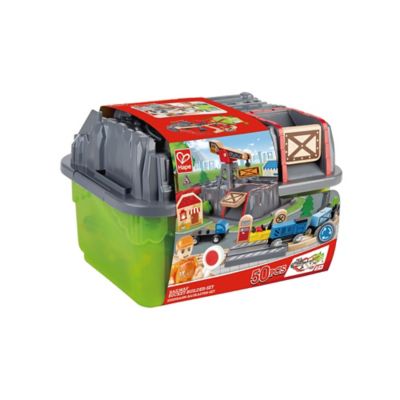
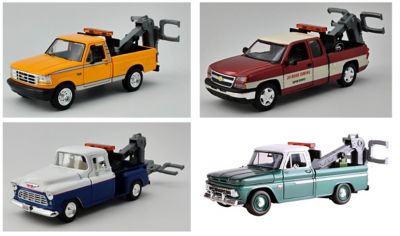
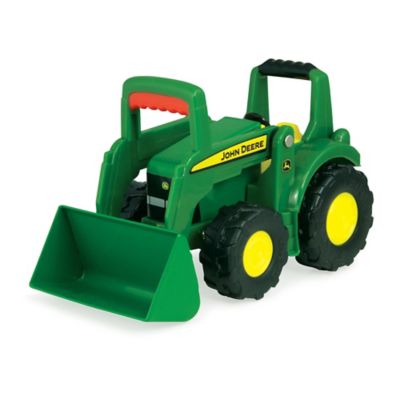
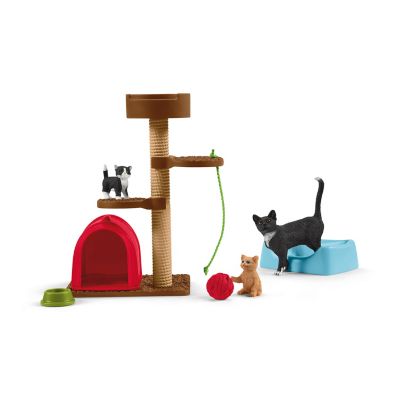
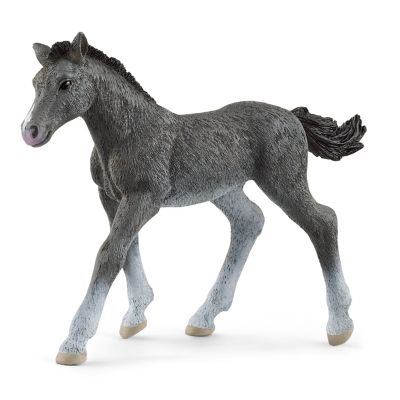
German-made toys have earned a strong reputation for thoughtful design, dependable construction, and play that holds up through plenty of busy days. Many are made with a simple idea in mind: a good toy should invite a child to use their imagination instead of doing all the imagining for them. Smooth wooden pieces can become a barn, a bridge, a market stand, or a whole make-believe town. Detailed figures can turn a patch of carpet into a pasture, forest, or farmyard, while sturdy toy vehicles give young builders a way to act out the work they see around them. Plush toys, stacking pieces, building sets, and pretend-play accessories may look simple at first glance, but that open-ended design gives children room to grow into the toy. A toddler may start by sorting, stacking, or carrying pieces from one room to another, then later use those same pieces for storytelling and cooperative play. German-made toys are often associated with carefully finished materials, clean lines, bright but balanced colors, and an attention to small details that makes them feel special without making them fussy. Depending on the maker and item, construction may include sustainably sourced wood, water-based stains, non-toxic finishes, or durable molded materials designed for regular play. Safety requirements can vary by product and market, so check the age grading, care instructions, and included warnings before handing a toy to a child. Smooth edges, secure parts, and finishes made for children are especially important for younger kids, and toys with small pieces should be kept away from children who still put objects in their mouths.
When choosing German-made toys, start with the child’s age, interests, and usual style of play. A youngster who is always watching tractors, livestock, delivery trucks, or construction work may get more use from realistic play pieces that can be arranged and rearranged across the floor. A child who loves stories may enjoy figures and accessories that help build a little scene, while a budding builder may spend long stretches stacking, balancing, sorting, and testing what can be made from a set of basic shapes. For a closer look at imaginative play centered on wildlife and farm animals, browse
Animal Figurine Toys. Pay attention to scale if several sets will be used together, since pieces that work well side by side make play feel more natural and help children create larger scenes. Size matters, too. Larger pieces are often easier for small hands to grip, while older children may appreciate fine details and smaller accessories that add realism to a play setup. Consider how much room the child has available and where the toy will be stored. A compact building set may be a good fit for a family room shelf, whereas a broad collection of figures and vehicles may need a bin, basket, or low toy chest. For homes with pets, younger siblings, or high-traffic floors, choose construction that can handle being picked up, moved around, and occasionally knocked over. A quick look for loose parts, chipped finishes, or worn edges is good practice as toys are used over time. Wooden pieces can usually be dusted with a soft, dry cloth, while many molded toys can be wiped clean with mild soap and water, followed by thorough drying. Avoid soaking wood unless the care directions specifically allow it.
These toys can make meaningful gifts for birthdays, baby showers, welcoming a new grandchild, or simply adding something useful to a child’s play space during the cooler months. They are also a practical choice for grandparents, relatives, childcare providers, and families looking for a gift that will be played with more than once and tucked away for another day. A well-made toy can become part of a child’s daily rhythm: lined up beside the bed before breakfast, carried outside to the porch when the weather warms, or brought out on a rainy afternoon when everyone needs something to do indoors. Open-ended toys are particularly handy for mixed-age households because children can use them at different levels. One child may sort animals by size, another may build a shelter, and an older sibling may create a whole story around the scene. If the toy is intended as a keepsake, look for sturdy materials, timeless colors, and a design that does not depend on a passing character or short-lived trend. Natural wood grain, thoughtfully made shapes, and realistic details can fit just as well in a farmhouse playroom as in a bedroom or classroom. Before gifting, check whether the set includes loose accessories, batteries, or parts that need special care, and keep the packaging or instructions for future reference. With sensible age matching and a little regular care, German-made toys can support hands-on learning, pretend play, fine-motor practice, and plenty of good old-fashioned fun for years to come.