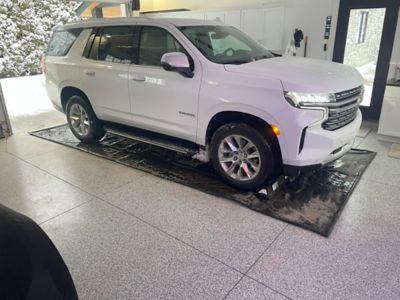
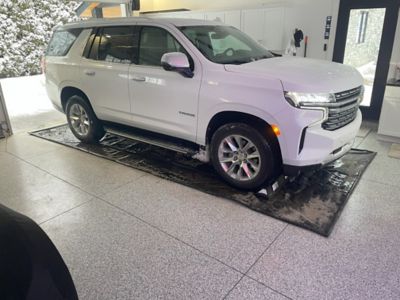
Garage floor mats for winter help protect the floor beneath your vehicle from the mess that comes home on tires and boots. Snow, ice, slush, road salt, sand, mud, and everyday drips can collect in a garage before they have a chance to dry, leaving behind cloudy stains, gritty buildup, and moisture that can wear on bare concrete over time. A good mat gives that wet, dirty mixture a contained place to land instead of letting it spread across the garage floor. It can also make cleanup less of a chore when the weather turns cold and the garage door stays shut for longer stretches. These mats are useful for homeowners who park a car, truck, SUV, or recreational vehicle indoors, as well as anyone who uses the garage as a workshop, storage area, or entryway. A mat under the vehicle helps keep the floor cleaner around tool cabinets, shelves, freezers, and other stored items, while a separate mat near the door can give muddy boots and wet paws a place to dry. For a broader selection of moisture-resistant options, take a look at
Waterproof Garage Floor Mats. During the cooler months, even a short drive down a salted road can bring home a surprising amount of moisture. You may not notice it at first, but a little slush tucked into the wheel wells can become a puddle by morning. A garage floor mat is made for that daily cycle of wet tires, dripping undercarriages, and tracked-in grime.
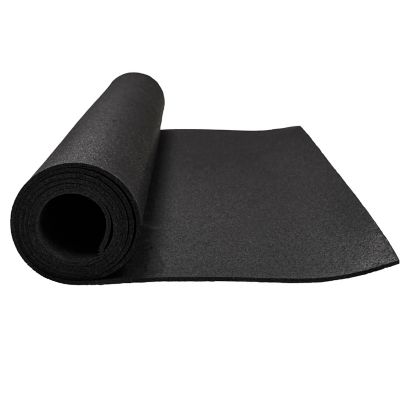
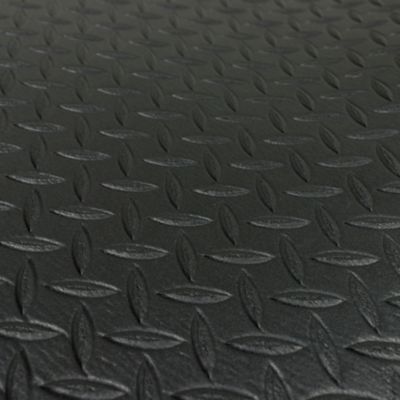
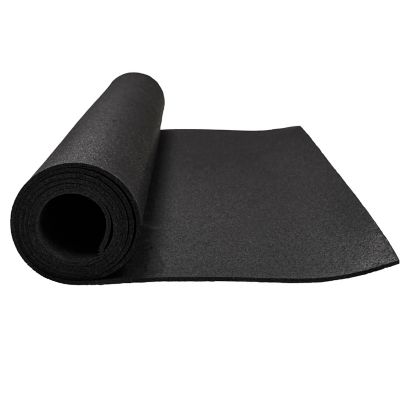
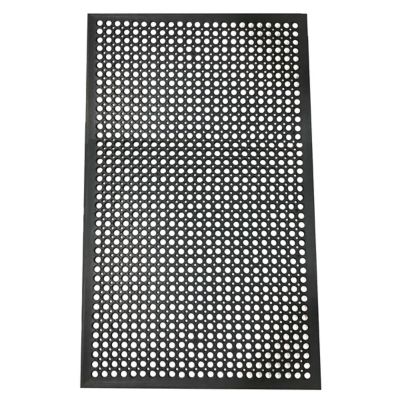
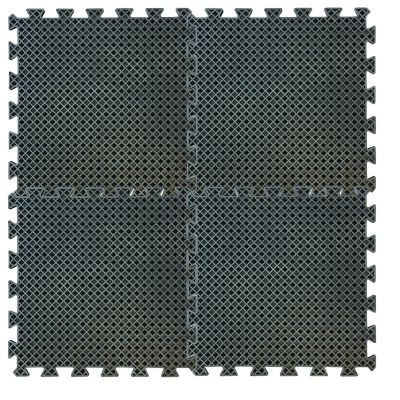
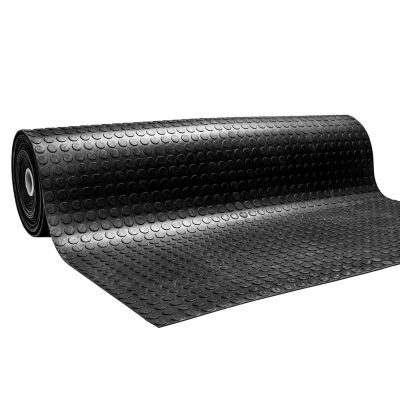
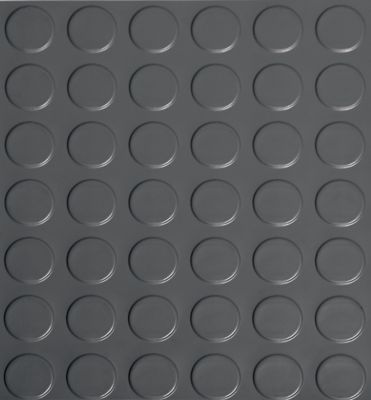
The main choice comes down to how much moisture you expect and how you prefer to handle cleanup. Raised-edge containment mats use a lip around the perimeter to hold melted snow, slush, and road salt in place. The raised border is especially handy for vehicles that regularly come in covered with wet snow, or for garages where a small puddle can quickly run toward a wall, workbench, or storage area. Look for sturdy rubber, vinyl, or PVC construction that can lie flat and stand up to the weight of loaded tires. Absorbent garage mats use a fabriclike or carpeted top layer to draw in moisture while a waterproof backing keeps it from reaching the floor below. They offer a softer surface underfoot and can give the garage a neat, finished look, though they need to be emptied, rinsed, or dried when they become saturated. Channeled or rippled rubber mats take a different approach by directing smaller amounts of water and dirt into grooves beneath the tire area. These mats are often a practical fit for routine drips, light snow, and garages where traction matters. Deep surface patterns can help provide a steadier step when boots are wet, while a heavy backing helps keep the mat from shifting as you pull in and out. Before buying, check the mat’s overall dimensions, edge height, thickness, and recommended use on concrete, sealed concrete, epoxy, or another garage surface. Some mats are easier to roll and carry, while others are better suited to staying in place through the season. If the garage doubles as a place to repair equipment or maintain a vehicle, consider how easily grease, oil, mud, and salt residue can be wiped or washed away.
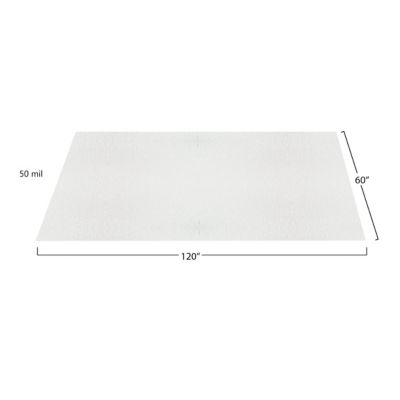
Measuring the parking area before shopping is one of the simplest ways to get a better fit. Measure the actual length and width of the vehicle, including the space occupied by the tires, then compare those measurements with the mat’s usable coverage. Leave enough room around the vehicle for water to collect without spilling over the edge, but make sure the mat still fits comfortably between the garage walls, door tracks, cabinets, and other obstacles. A few extra inches can make a real difference when snow melts off a truck or SUV, particularly near the front and rear tires. Prepare the floor before laying the mat down by sweeping away sharp gravel, metal fragments, and coarse grit that could work underneath the mat or damage its backing under the vehicle’s weight. A clean, dry surface also helps reduce sliding and makes it easier to spot trapped moisture. When the mat needs attention, a wet/dry vacuum, floor squeegee, broom, or garden hose can help remove water and salt on a mild day. Direct rinse water toward the garage door only where drainage is safe and practical, and allow absorbent materials to dry thoroughly before putting them back under the vehicle. Garage floor mats can make a thoughtful gift for a new homeowner, a person who enjoys keeping a truck clean, or anyone setting up a workshop before the colder season arrives. They are also handy for rural households where muddy driveways, gravel roads, livestock areas, and changing weather can turn a clean vehicle into a trail of wet tracks. With the right size and construction, a winter garage mat helps keep the floor in better shape, gives melting snow a controlled place to go, and makes the daily business of coming home from work, errands, or chores a little easier.