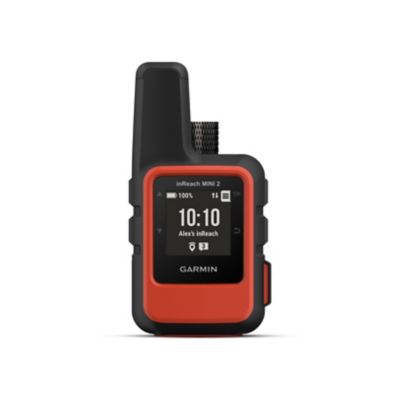
Gadgets for hikers can make a day on the trail more comfortable, organized, and prepared for the unexpected. The right gear depends on where a person hikes, how far they travel, and whether they stick to well-marked paths or head into remote country. A compact navigation device can help with route tracking, elevation readings, waypoints, and finding the way back when trail markers are hard to spot. Dedicated handheld GPS units are especially useful when phone batteries run low or cell service fades, while GPS-enabled watches offer a convenient way to check distance, pace, altitude, and basic mapping without reaching into a pack. For the best fit, look at battery life, screen readability in bright sun, button operation with cold or gloved hands, water resistance, and how easily maps or routes can be loaded. A phone can still be a handy backup, but hikers should avoid relying on a single piece of technology. Keeping a paper map, compass, and a simple plan for the route is a smart habit, particularly on unfamiliar trails or in areas where weather can change quickly. Satellite communicators are another important choice for hikers who travel beyond reliable cell coverage. These small devices may support two-way messaging, location sharing, weather updates, and emergency SOS functions, depending on the service plan and model. They can provide peace of mind for a solo hiker, a hunter covering rough ground, or a family member exploring backcountry trails with friends. Before heading out, check whether the device requires an active subscription, how often it needs a clear view of the sky, and whether contacts at home understand how messages will arrive. Good preparation includes registering emergency information, charging the device fully, and learning its basic functions before the trailhead rather than trying to figure it out in the rain.
Lighting, power, and water gear are practical parts of any hiking setup, whether the walk lasts an hour or stretches into an overnight trip. A bright, rechargeable headlamp keeps both hands free for climbing over roots, checking a map, setting up camp, or finding a dropped item near the truck. Look for adjustable brightness, a comfortable headband, a secure fit, and a red-light setting that helps preserve night vision around camp. A small backup light can be worthwhile for longer outings, and spare charging cables should be packed where they will not get soaked. Compact power banks help extend the life of phones, GPS units, watches, and other electronics, but capacity is only part of the decision. Weight, weather protection, charging speed, port types, and the ability to keep a charge during cooler conditions all matter when every ounce in the pack counts. For a long day in the hills, a power bank may be most useful when saved for navigation or an emergency message instead of casual entertainment. Water treatment gadgets are just as valuable. Squeeze-style filters are lightweight and convenient for filling bottles from a stream or campground spigot, while other treatment methods may use gravity, pumping, tablets, or ultraviolet light. Hikers should check the filter’s pore size and what it is designed to remove, since not every treatment method handles viruses, chemicals, or heavy sediment. Water from the backcountry should be treated according to local guidance, and cloudy water may need to be settled or pre-filtered before it goes through the main unit. Bring enough water for the distance between reliable sources, carry a clean container and a separate dirty-water container when needed, and protect the filter from freezing if its instructions warn that ice can damage the internal membrane. These details are easy to overlook at home but make a big difference beside a dusty trail, where a warm drink and a safe refill can turn a tiring stretch into a manageable one.
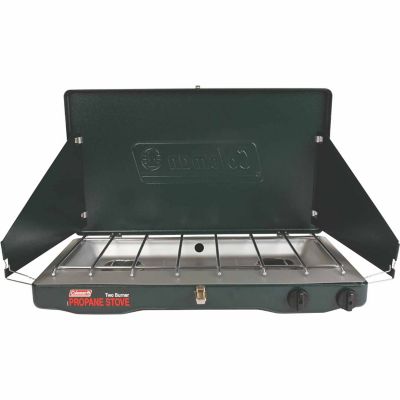
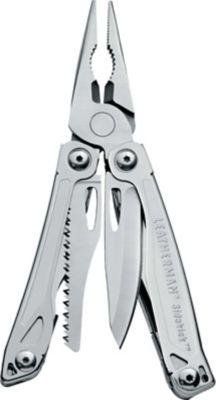
For hikers who enjoy simple camp meals, compact stoves and cooking gadgets add comfort without requiring a heavy kitchen setup. Ultralight burners can boil water for coffee, soup, dehydrated meals, or oatmeal, while integrated cooking systems may offer faster boiling and better wind protection. Compare packed size, total weight, fuel type, simmer control, pot stability, and how easily the stove works in breezy conditions. Fuel rules vary by campground and land manager, so check local restrictions before packing, and always cook in a safe, well-ventilated area away from dry grass, tent fabric, and overhanging branches. A small repair kit, waterproof storage pouch, or multi-use tool can round out a gadget-focused pack, especially for hikers who like to solve little trail problems without carrying bulky equipment. These items also make thoughtful gifts for someone starting a new outdoor hobby, preparing for a walking trip, or building a more dependable emergency kit. A practical gift does not have to be flashy: a hands-free light suits the friend who leaves work late and walks after sunset, a power bank helps a college student or weekend traveler stay connected, and a navigation or water-treatment tool can encourage a new hiker to explore with better planning. For more gift ideas tailored to an outdoors-loving woman, browse
Gifts For Female Hikers. During the warmer part of the year, lightweight charging and hydration gear can make long day hikes easier, while cooler months bring earlier sunsets and a stronger need for dependable lighting, warm-drink preparation, and fully charged communication devices. No gadget replaces sound judgment, suitable clothing, sturdy footwear, food, first-aid supplies, and a route shared with someone at home. The best hiking gadgets are the ones that fit the trip, work simply when conditions turn rough, and earn their place in the pack every time the trail leads a little farther from the road.