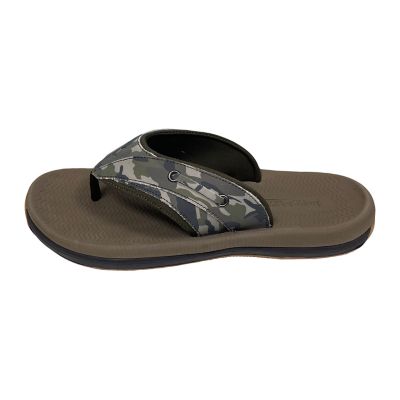
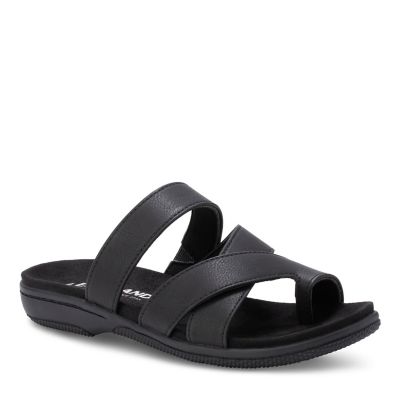
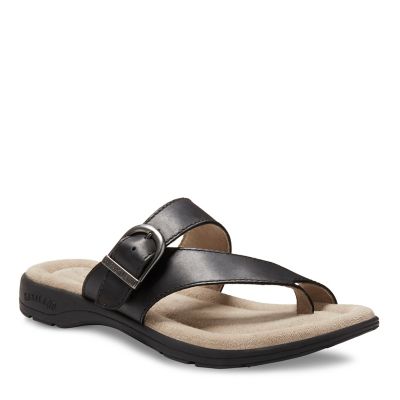
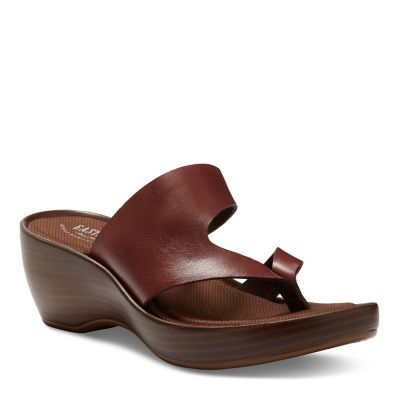
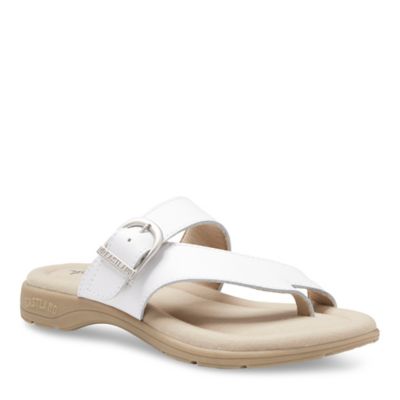
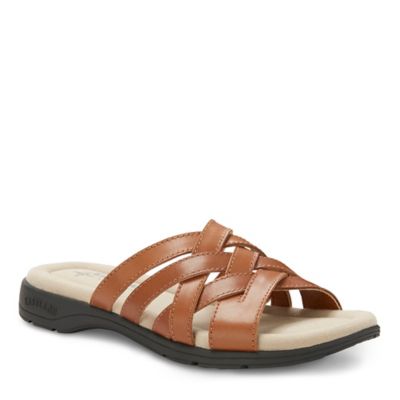
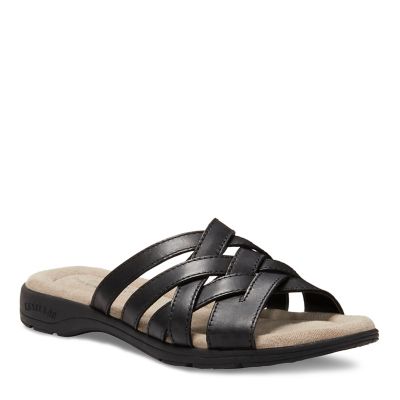
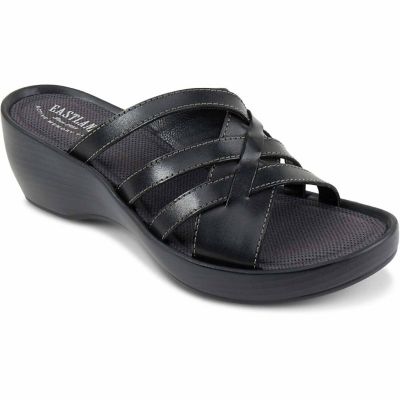
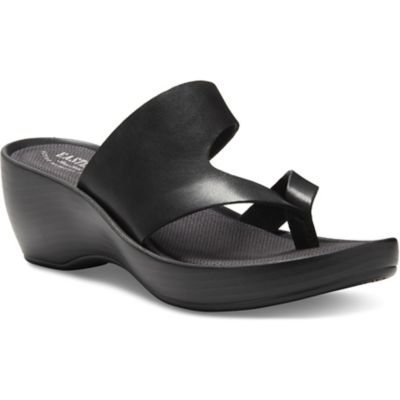
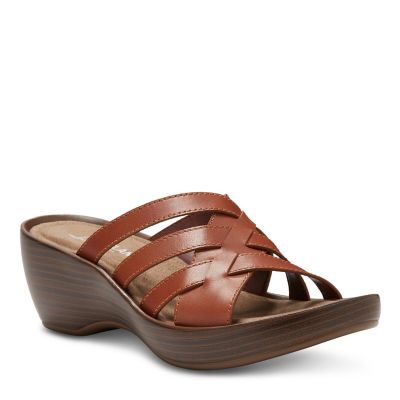
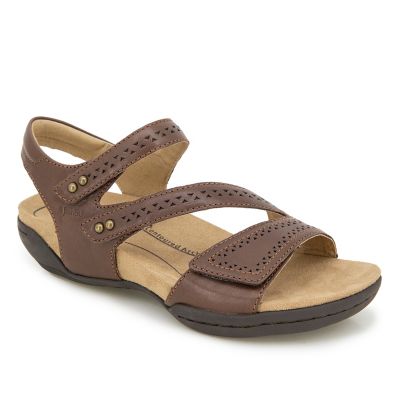
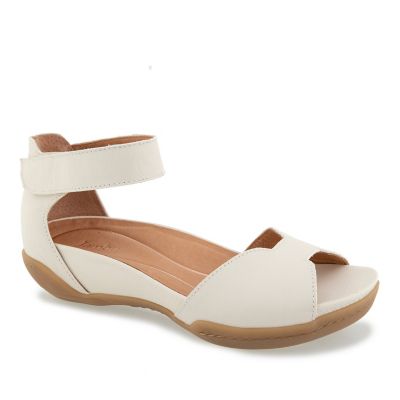
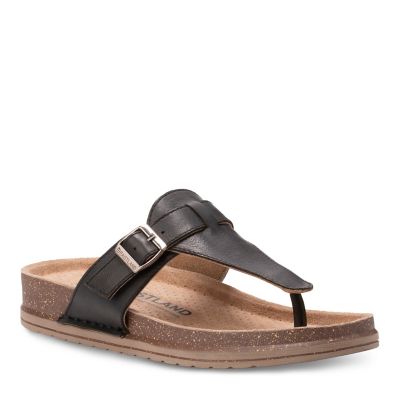
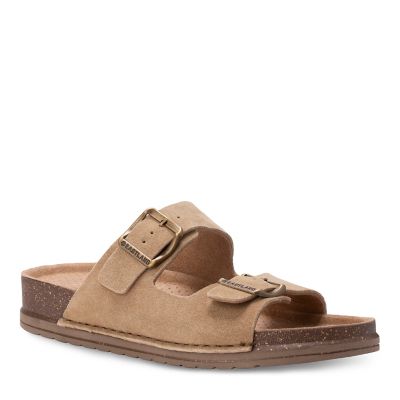
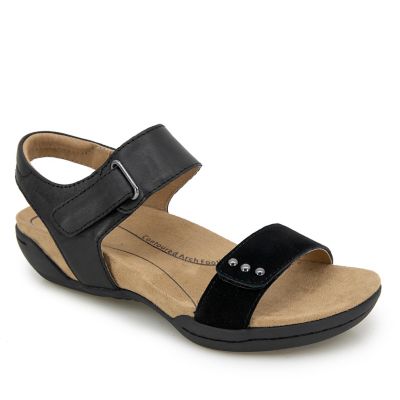
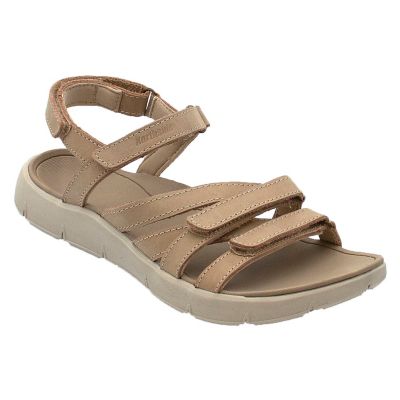
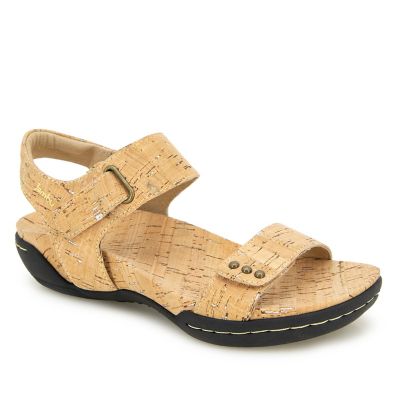
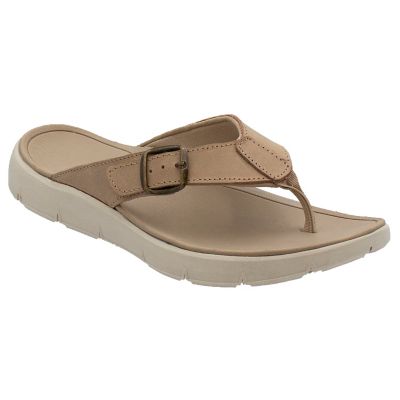
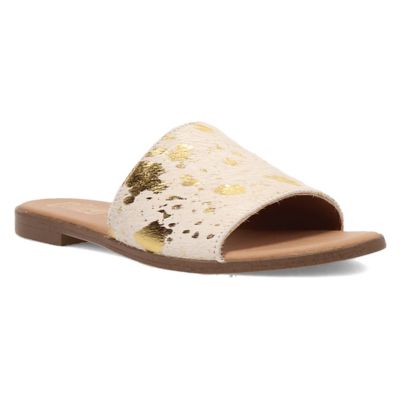
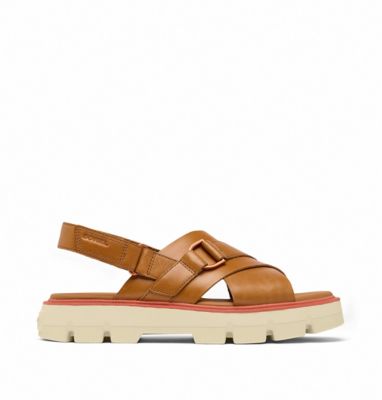
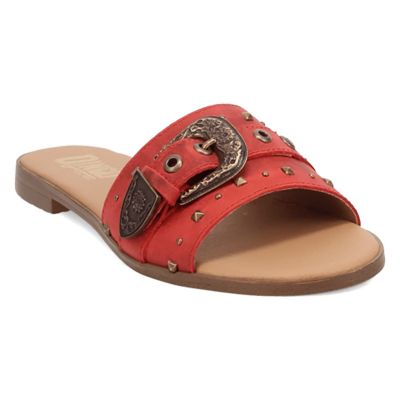
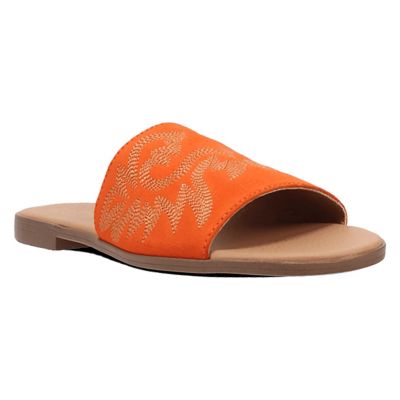
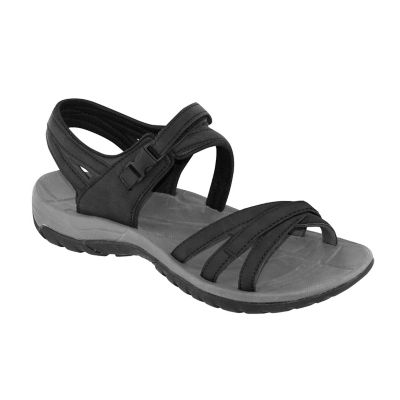
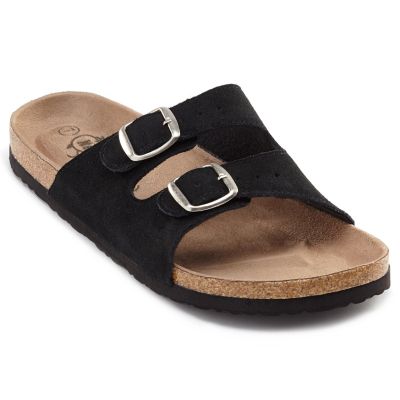
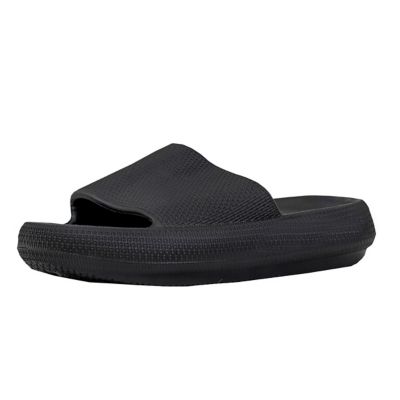
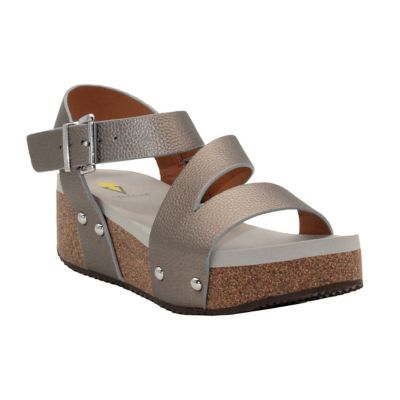
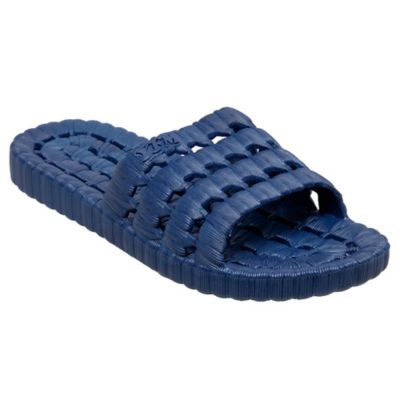
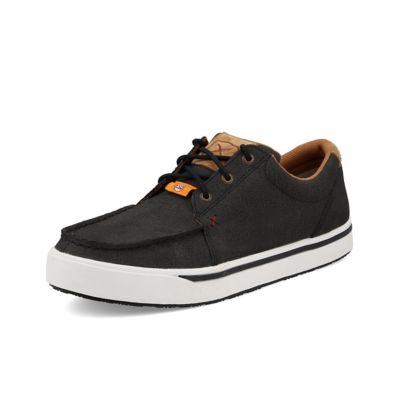
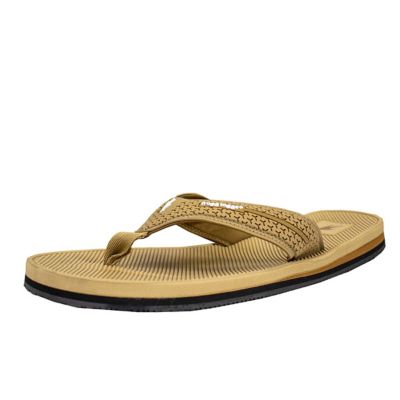
Full-grain leather sandals have straps or uppers made from the outer portion of a hide, with the natural grain left intact rather than sanded away. That intact grain gives the leather strength while preserving the small variations in texture that make a natural material recognizable. With regular wear and proper care, the leather can soften and develop a patina, a gradual change in color and sheen that reflects how the sandals are worn. Full-grain leather is not necessarily thick, stiff, or glossy; its feel depends on the hide, tanning process, finish, and construction. A smooth, lightly finished strap feels different against the foot than a heavier strap with a firmer edge. The term also describes the leather, not the entire sandal, so the footbed, cushioning, lining, and outsole deserve attention alongside the upper. A leather-covered footbed may feel smooth underfoot, while foam beneath it can help cushion each step. Rubber or other synthetic outsoles provide the ground-contact surface, and their tread pattern and flexibility affect how the sandals handle everyday walking. Stitching, strap attachments, and neatly finished edges matter, too, especially where the leather bends or meets the sole. For trips into town, a meal after chores, or time spent visiting on the porch, full-grain leather sandals offer an easygoing alternative to closed shoes. Their open construction allows airflow around the foot, while the leather brings a familiar look that pairs naturally with denim, casual pants, shorts, or a simple dress. Some styles have broad straps for more coverage; others leave more of the foot exposed. Neither arrangement is automatically more comfortable. The best match comes down to where the straps sit, how the sole supports the foot, and whether the design suits the walking and standing that fill an ordinary day. Leather is part of the appeal, but the whole construction determines how a pair feels from the first step to the walk back home.
Fit makes a bigger difference than a soft strap alone. Feet should rest fully on the footbed, with a little room at the toes and heel rather than hanging over either edge. The widest part of the foot needs enough space to spread naturally without pressing against stitching, buckles, or raised borders. Full-grain leather can relax with wear, but that gradual change will not fix a sandal that is too short or a sole that is too narrow. Firmness at first is different from rubbing, pinching, or numbness, and a comfortable fit should not depend on enduring painful wear. Adjustable straps can help accommodate different instep heights and small changes in foot volume throughout the day. A heel strap may provide a more secure feel for longer stretches of walking, while a slide offers straightforward convenience for shorter outings. Toe-post designs place contact between the toes, which suits some feet better than others. Strap placement matters just as much as the closure: a seam crossing a sensitive spot can become noticeable well before the rest of the sandal feels broken in. Underfoot, a contoured footbed may offer a defined heel cup and arch shape, while a flatter design leaves more of the support to the sole and cushioning. Arch contours should meet the foot comfortably rather than push into the wrong place. For someone walking from a gravel parking area onto a concrete sidewalk, outsole traction and enough protection from small stones may matter more than a barely-there feel. Someone spending more time seated may prefer a lighter, more flexible sole. Cushioning should feel comfortable without making each step unsteady, and a secure fit should not require curling the toes to keep the sandal in place. Walking habits, foot shape, and the surfaces underfoot all deserve a say in the choice. A sandal that feels right standing still should also hold the foot comfortably through a normal stride.
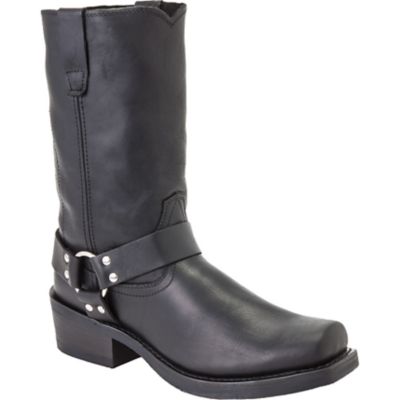
Everyday care helps full-grain leather sandals keep their feel and appearance without making upkeep a chore. Loose dirt is best brushed away gently before it works into seams or rubs against the leather. A soft cloth, lightly dampened when the maker permits, can lift surface grime without soaking the straps or footbed. Leather care depends on the finish, so any cleaner or conditioner should match the manufacturer's directions and be tested on a small, less visible area first. Conditioning can help prevent some leather from becoming overly dry, but too much product may darken the surface, leave residue, or change its feel. Straps and leather footbeds may also need different treatment, particularly where the foot makes direct contact. If sandals get wet, letting them air-dry away from direct heat helps protect their shape; a heater, clothes dryer, or strong heat source can leave leather stiff or distorted. Full-grain leather does not make a sandal waterproof, and an open design is not a substitute for footwear intended for slippery ground or demanding work. Sandals belong off the job when tasks involve livestock, sharp tools, heavy materials, or equipment that calls for covered feet. For a closed-toe option,
Men's Full Grain Leather Boots offer another direction, with any task-specific safety features considered separately. Between outings, a dry storage spot with room for the straps to hold their shape helps keep sandals ready for their next trip. For gifting, full-grain leather sandals can suit someone who appreciates natural leather and easygoing footwear, provided their size, width, and preferred strap style are known. A familiar footbed shape or closure preference is a better starting point than appearance alone. Whether chosen for daily errands, visiting friends, or packing for a getaway, a well-fitting pair brings together leather that gains character, construction suited to the occasion, and comfort that fits the wearer's routine.