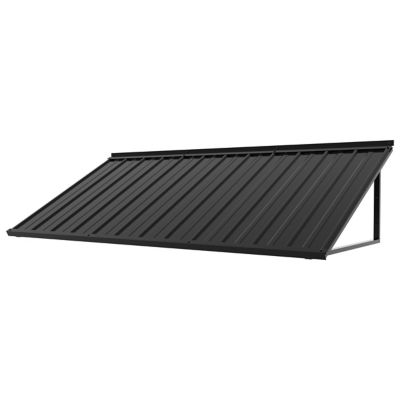
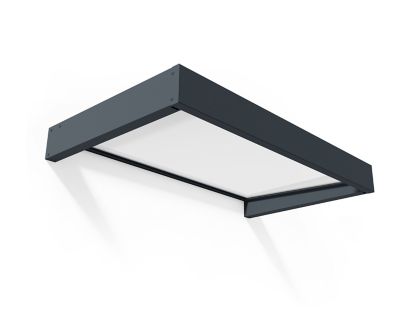
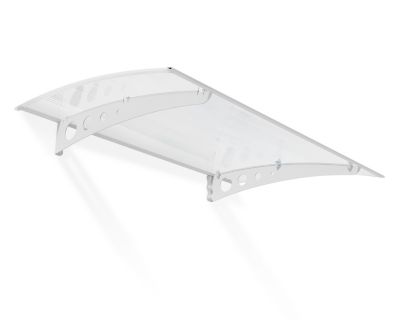
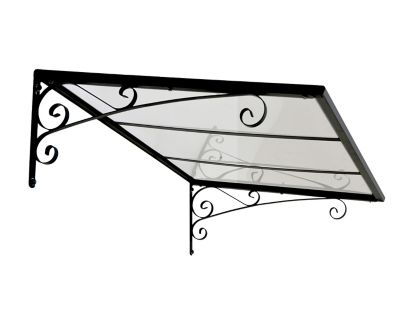
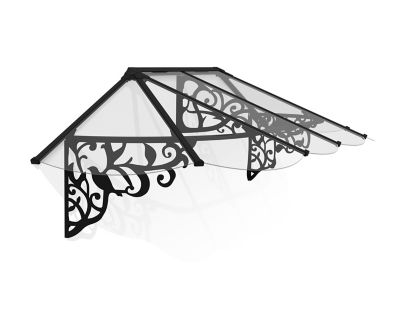
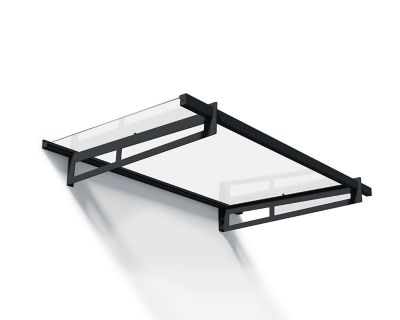
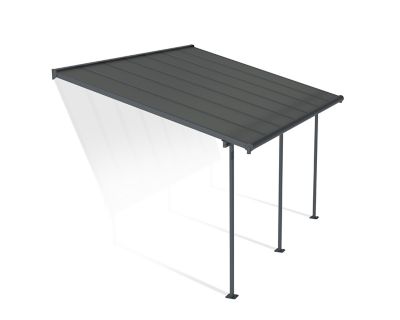
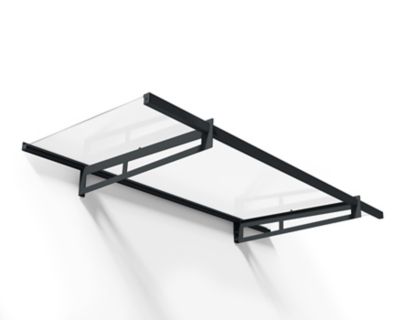
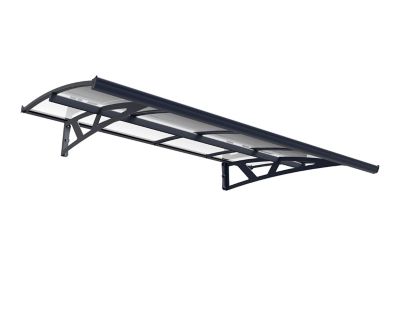
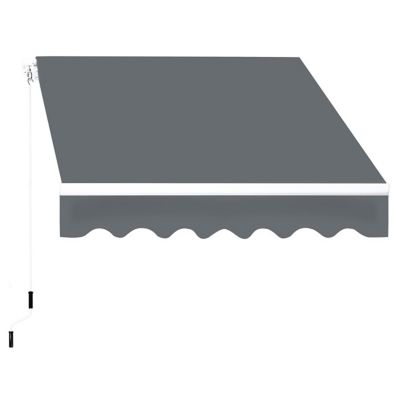
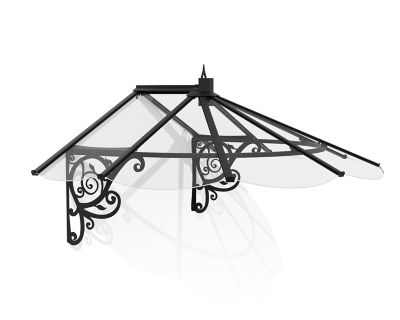
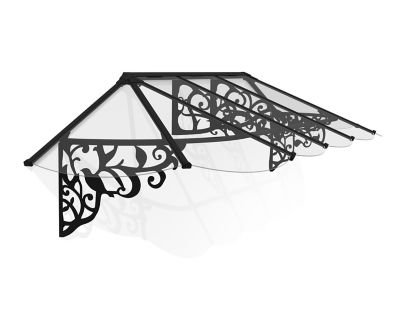
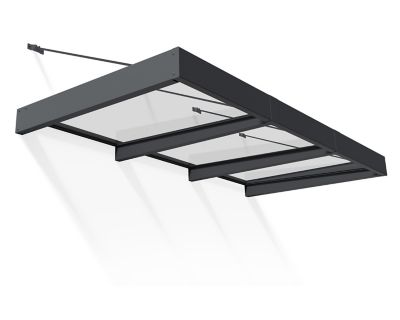
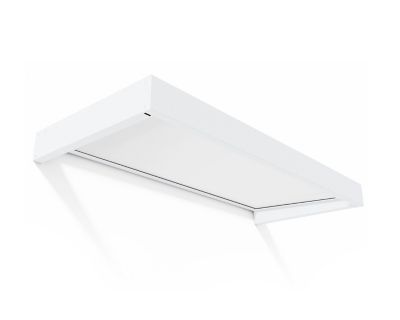
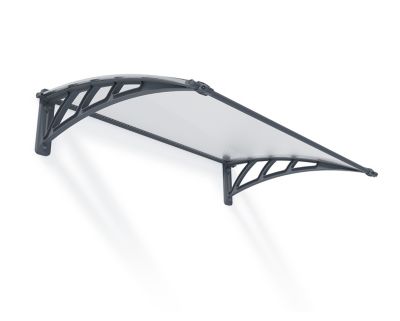
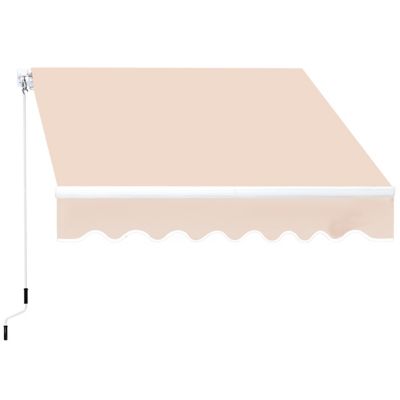
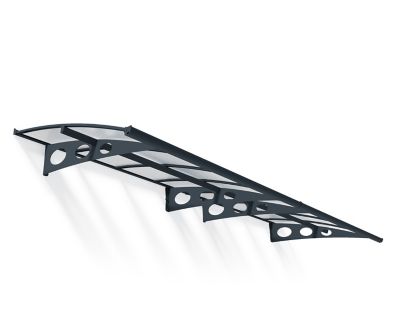
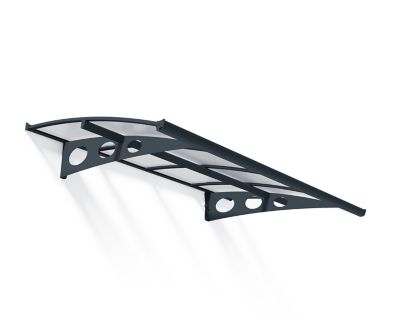
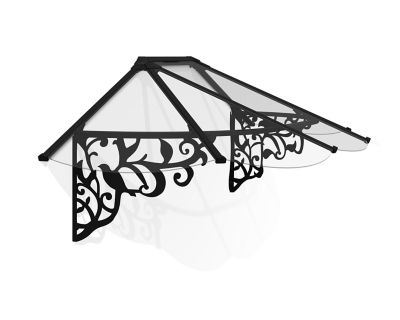
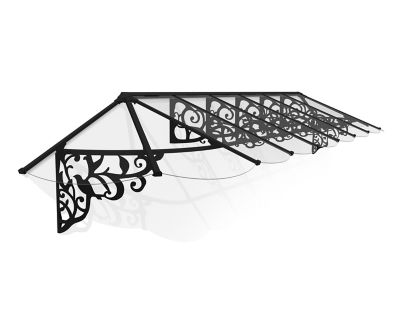
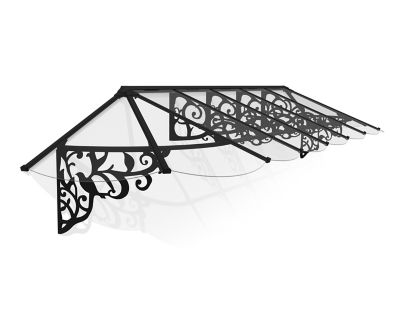
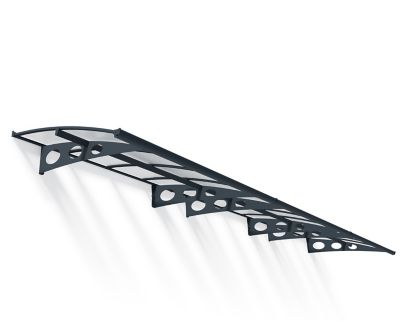
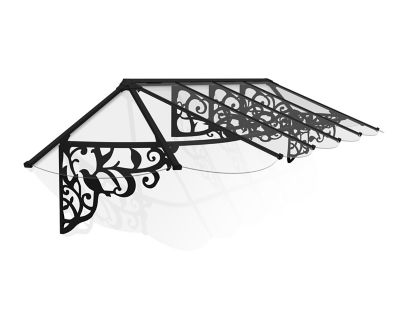
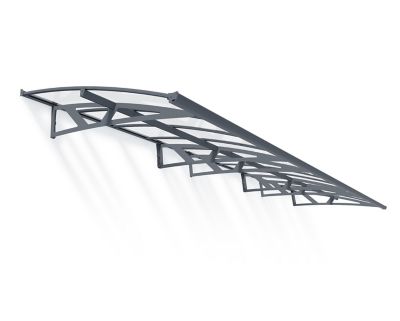
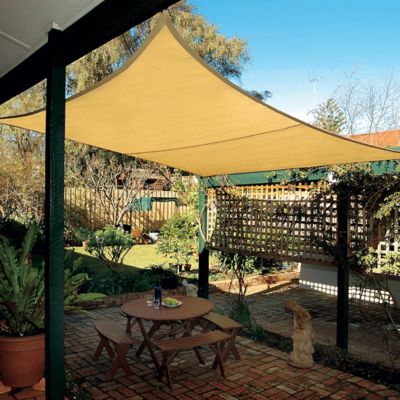
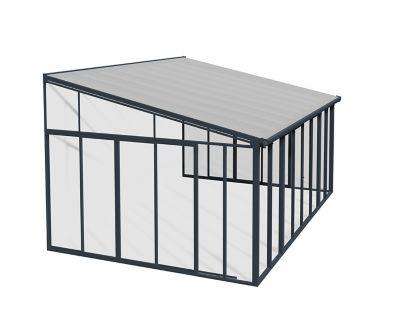
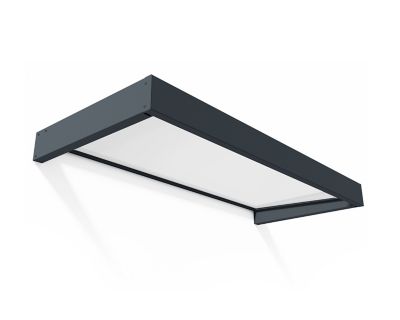
Front door awning kits add a practical layer of protection above an entryway while giving the front of a home, cabin, shop, or outbuilding a more finished look. A properly sized awning helps keep rain, sleet, snow, and strong sunlight away from the door, trim, porch light, house numbers, and the top step. That extra bit of cover can make a difference when carrying groceries, unloading feed, welcoming guests, or fumbling with keys during wet or windy weather. It also helps reduce the amount of water that runs directly down the face of the house, which may help protect painted siding, door finishes, and nearby masonry from repeated moisture exposure. During the cooler months, an awning can provide a drier spot for visitors and delivery packages, though it should not be treated as a substitute for a fully enclosed porch. Kits are available in a range of looks, from clear panels that let in daylight to solid metal or fabric designs that add stronger color and character. A simple, low-profile canopy may suit a newer home or detached garage, while a curved or traditional style can blend nicely with a farmhouse, cottage, or older house. These kits can also make thoughtful gifts for new homeowners, anyone fixing up a hunting cabin, or a family member who is improving an entryway before rough weather sets in. Pairing an awning with other welcoming touches, such as
Front Door Signs, can give a porch a personal feel without taking on a large remodeling project.
Before choosing a front door awning kit, start with careful measurements rather than judging size by appearance alone. Measure the full area that needs coverage, including the door frame, surrounding trim, sidelights, exterior lighting, doorbell, and house numbers. The awning should clear those features without crowding them or blocking their use. Width determines how much of the entry is shielded from side-driven rain, while projection determines how far the cover reaches over the steps or landing. A narrow front door beneath a compact porch may need only a modest projection, but a wider entrance with a deep step may call for more coverage. Check the vertical clearance above the door, too, and account for the height of mounting brackets, hardware, trim, and any slope built into the kit. The finished awning should leave the door, storm door, and screen door free to open without striking the frame or canopy. Material is another important consideration. Polycarbonate panels are lightweight, shatter-resistant, and often allow natural light through, making them useful where a bright entry is preferred. Aluminum and other metal panels offer a sturdy appearance and can stand up well to regular outdoor exposure when properly finished. Fabric or canvas options bring a softer, more traditional look and may work especially well with homes that already have fabric porch furniture or striped accents, but they typically need more attention to cleaning and may not be the best fit for areas with heavy snow accumulation. Clear or translucent panels can show dirt and water spots more readily, while darker solid panels may hide everyday grime but absorb more heat in direct sun. Think about the character of the house, the amount of shade at the entrance, and how much upkeep feels reasonable before settling on a style.
Local weather should guide the final choice just as much as appearance. In places that see heavy snow, choose a kit with a suitable snow-load rating and follow the manufacturer’s instructions for support spacing, fasteners, and roof pitch. Snow should never be allowed to build beyond what the structure is designed to carry. Areas with frequent wind, thunderstorms, or blowing dust call for sturdy brackets and secure attachment to sound structural material, not just siding or a thin layer of exterior sheathing. For masonry walls, use anchors made for the specific surface; for framed walls, locate studs or other solid backing before drilling. A level, tape measure, drill, appropriate bits, ladder, and a second set of hands can make installation go much more smoothly, particularly when holding a wide panel in position. Wear eye protection while drilling overhead, and do not work from an unstable ladder or in wet, icy, or gusty conditions. The awning needs a reliable slope so water drains away from the door instead of collecting along the wall or dripping onto the threshold. Seal penetrations as directed to help keep moisture out of the wall assembly, and inspect the mounting points after the first few storms. Remove leaves, twigs, and other debris before they hold moisture against the panel, and clean surfaces with mild soap and water rather than abrasive tools that can scratch protective finishes. A front door awning is a relatively small addition, but the right width, projection, clearance, material, and load rating can make it a dependable part of the entryway for years of coming and going.