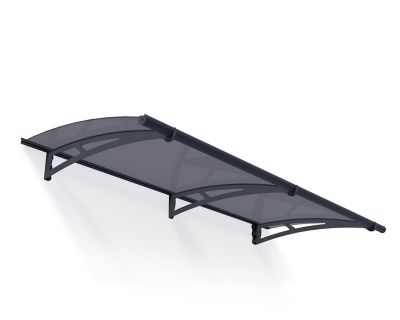
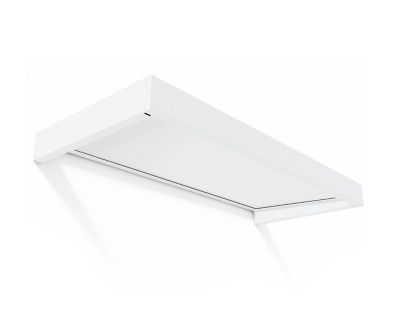
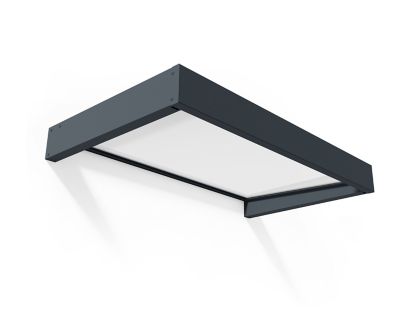
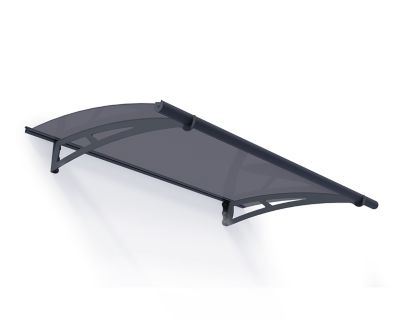
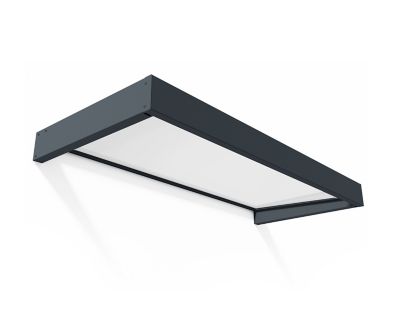
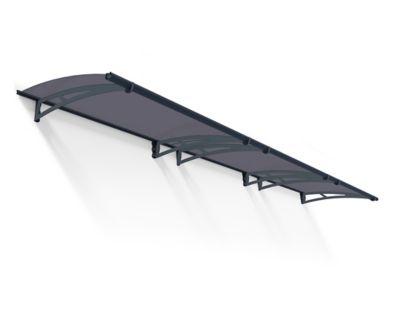
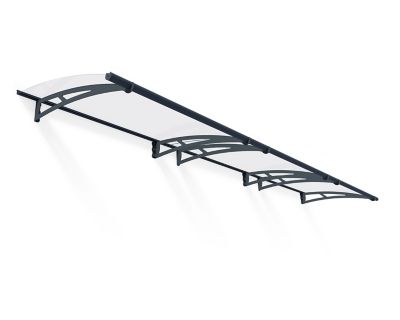
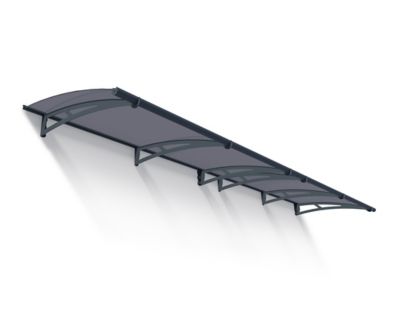
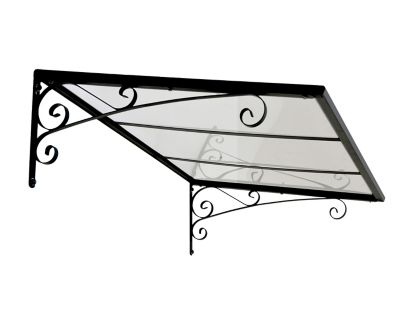
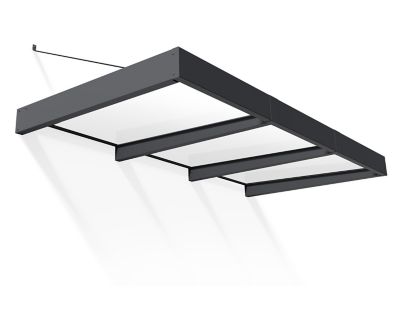
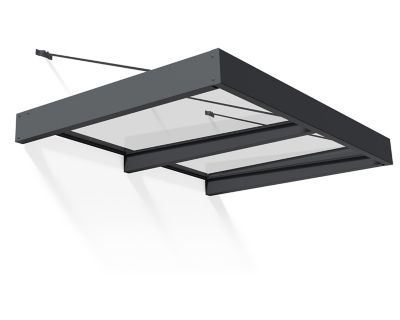
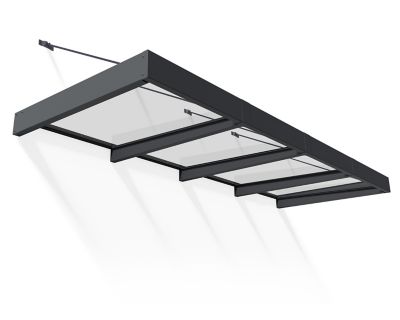
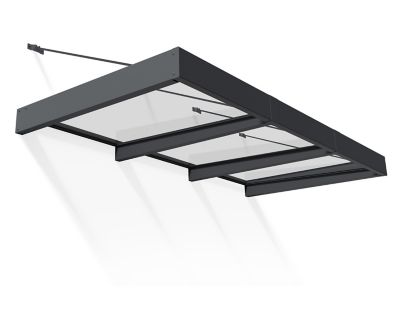
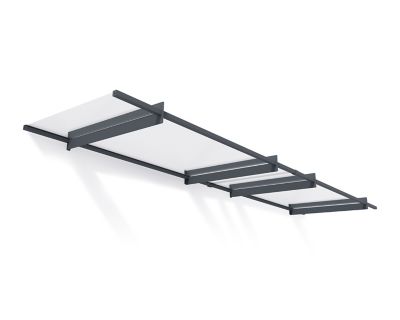
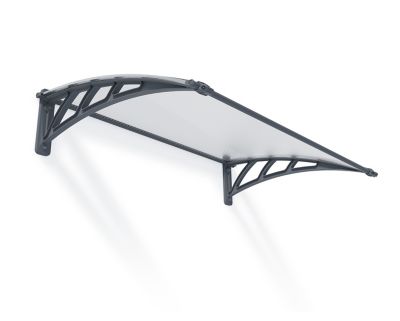
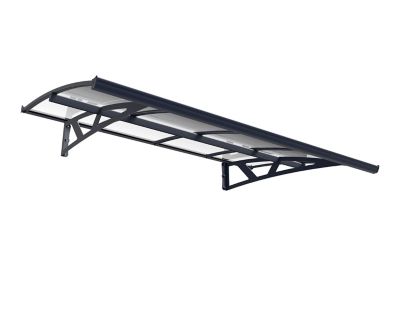
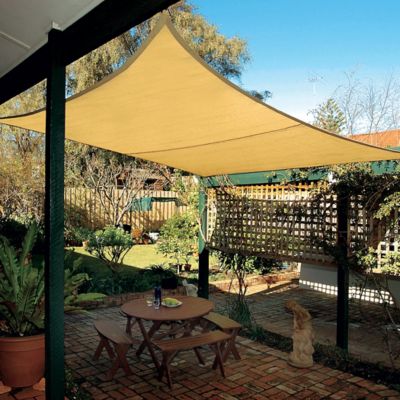
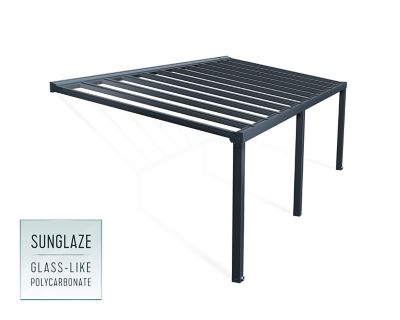
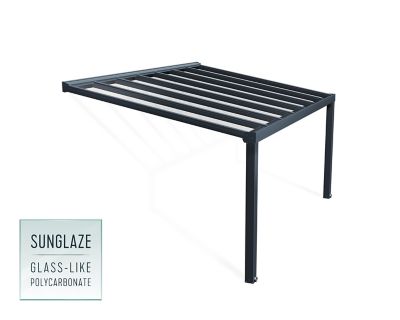
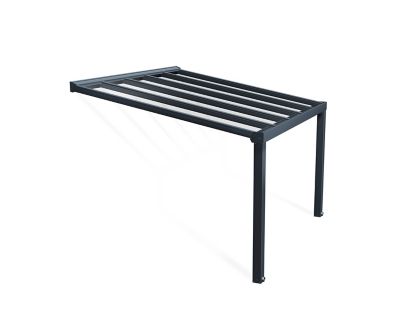
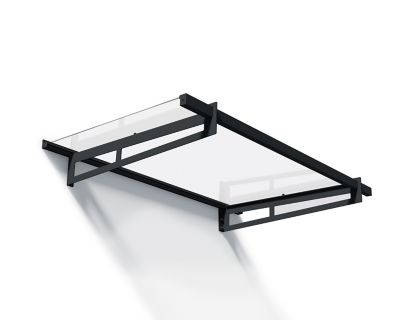
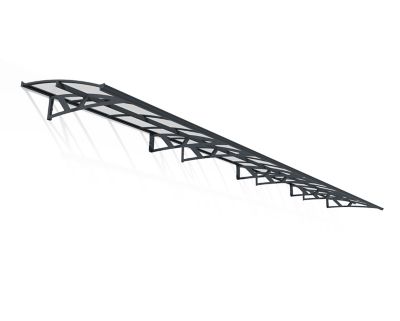
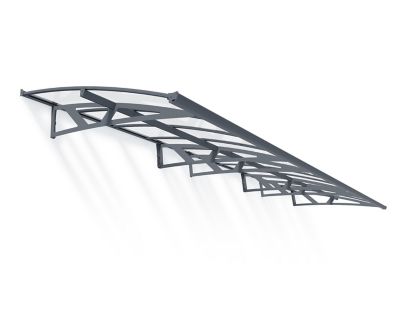
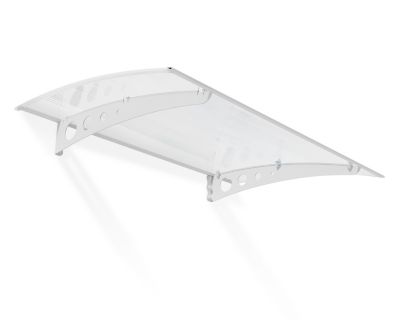
Modern awnings for homes add overhead shade and a clean-lined finish to patios, windows, and entryways. The main choices include fixed awnings, which stay in place, and retractable awnings, which let homeowners extend or pull back the cover as needed. Both can suit a brick ranch house, a farmhouse with dark window frames, or a home with simple siding and a broad back patio. Straight edges, slim supports, and restrained colors help an awning blend with the house rather than overpower it. A narrow canopy can give a side entrance a more finished look, while a wider retractable design can shade a table and chairs without adding posts across the yard-facing edge. The right coverage depends on how the space gets enjoyed: a quiet spot for morning coffee calls for a different footprint than a patio where the whole family gathers after chores. Shade over glass can also reduce direct sunlight entering a room, which may help limit solar heat gain; the effect depends on window direction, awning placement, and the home itself. Fabric or panel construction determines how much light passes through, and any stated UV protection should come from the manufacturer’s specifications. An awning does not need to make a patio dark to make it more comfortable. Light-filtering panels can preserve a brighter entry, while an opaque canopy provides a more shaded feel beneath it. Because the sun moves throughout the day, coverage on the ground will not always match the canopy’s dimensions. Width, projection, mounting height, and the direction the opening faces all influence where the shade falls. Those details matter when the goal is keeping glare off a kitchen window or shading the chair beside the back door, not just covering a broad patch of siding.
Material and operating style shape both the appearance and the upkeep of a home awning. Aluminum is relatively lightweight and resists rust, making it a practical choice for many frames and rigid canopies. Steel offers strength but needs an intact protective finish to help prevent corrosion, especially around scratches and fasteners. Polycarbonate panels can provide overhead coverage while allowing daylight through; light transmission, UV resistance, and impact ratings vary by construction. Fabric awnings often feature acrylic or vinyl-based materials, with differences in breathability, water resistance, color retention, and cleaning requirements. Water-resistant fabric is not automatically waterproof, and seams, pitch, and installation affect how well a canopy sheds rain. Fixed metal awnings offer a steady architectural presence above a door or window, while retractable fabric awnings keep the profile less noticeable when closed. Manual operation typically involves a hand crank, making crank placement and comfortable reach worth considering. Motorized operation adds push-button convenience, particularly over a wide seating area, but it also brings electrical requirements and controls into the decision. A nearby power source, a suitable connection, and access for service all matter. Wind sensors may help trigger retraction on compatible systems, but they do not replace the operating limits supplied by the manufacturer. Many retractable awnings are intended mainly for sun protection and should be closed before strong wind or other conditions beyond their rating. Fixed awnings also have limits: snow load, wind exposure, panel span, and anchoring requirements need to match the installation site. Mounting into sound structural framing or suitable masonry is different from fastening into siding alone. On a house with lap siding, brick veneer, or a roof overhang close to the proposed location, the mounting details deserve attention before a size is selected. Professional installation can be especially helpful where structural attachments, flashing, or electrical connections are involved. A neat-looking canopy still needs the right support behind it.
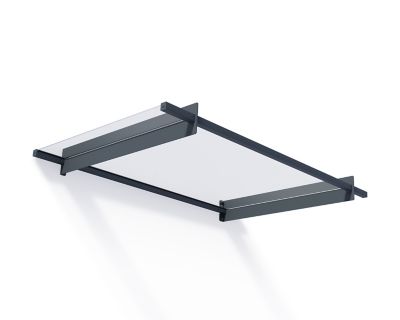
Fit is about more than the distance from one side of an opening to the other. Above an entry, an awning needs enough clearance for the door to swing freely, with room for trim, a porch light, and any nearby gutter. Projection should suit the landing without crowding a walkway or sending runoff onto the steps. For smaller entrances,
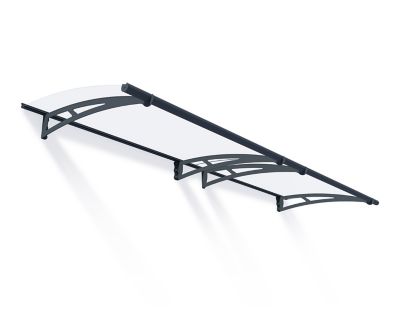
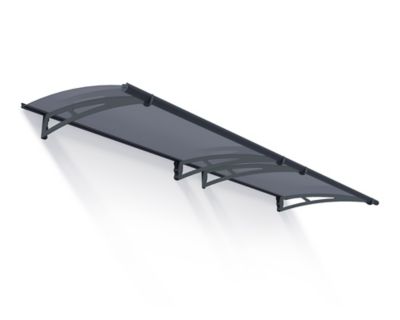
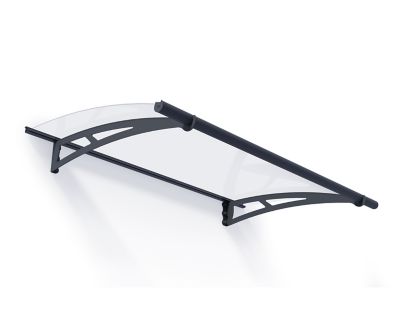
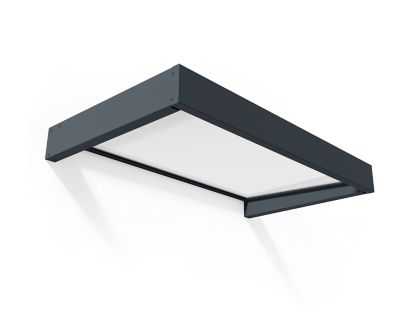
Front Door Awning Kits offer a related category to consider when the main goal is coverage over the threshold rather than an entire patio. That bit of shelter can make everyday tasks easier, whether someone is finding a key, setting down a feed-store bag, or wiping muddy boots before stepping inside. Window awnings have a different balance to strike, providing shade without unnecessarily blocking the view or interfering with an opening sash. Coordinating the canopy color with roofing, railings, or window trim can tie the exterior together without making every finish match. Care requirements deserve just as much attention as appearance, especially on a home beside a gravel drive or beneath trees. Dust, pollen, leaves, and bird droppings can collect on fabric and rigid panels alike. Manufacturer-approved cleaning methods help protect coatings and fabrics; mild soap and gentle rinsing are often preferable to harsh chemicals or forceful pressure washing. Retractable fabric should be allowed to dry before extended storage whenever conditions permit, and moving parts need the inspections and maintenance specified for the system. Loose hardware, worn fabric, damaged finishes, and drainage trouble are worth addressing early. Access matters, too: an awning mounted high above a sloped landing may call for professional cleaning or service. The best fit brings together useful coverage, a shape that suits the house, and upkeep that fits the household’s routine. Whether it shades a backyard gathering spot or finishes a hardworking side entrance, a well-matched awning earns its place through everyday use.