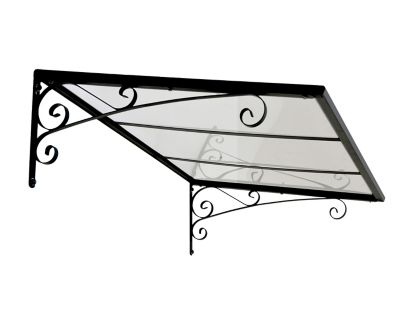
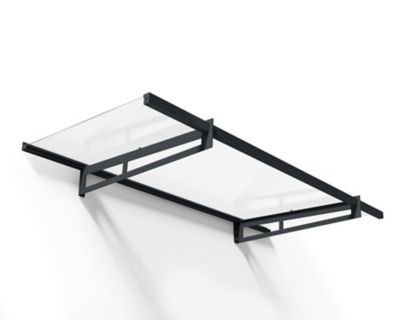
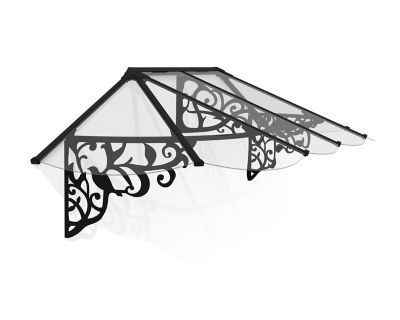
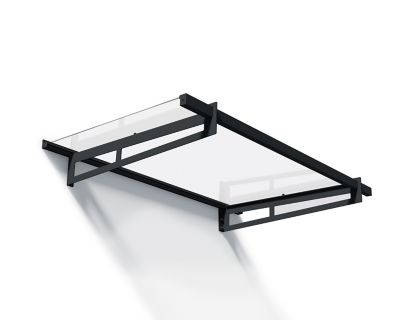
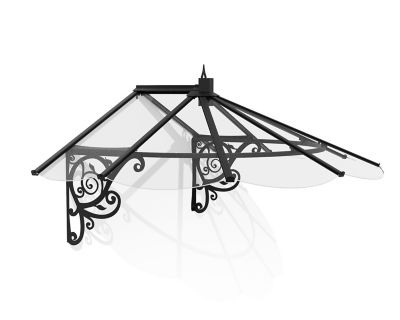
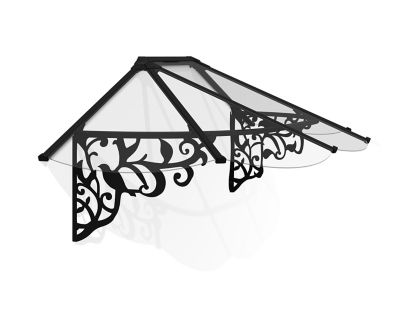
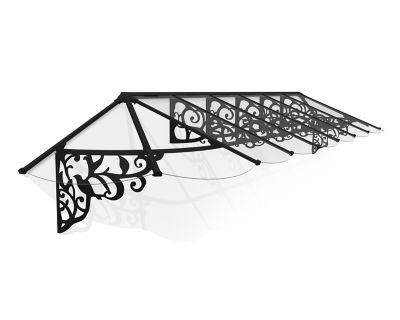
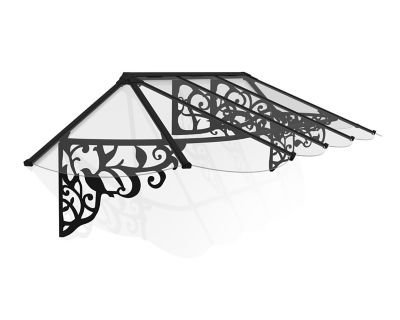
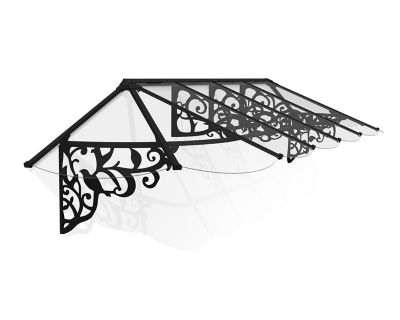
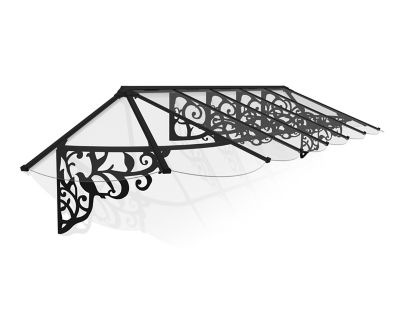
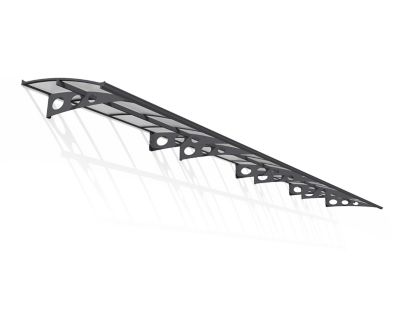
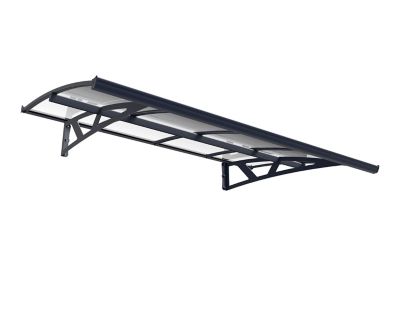
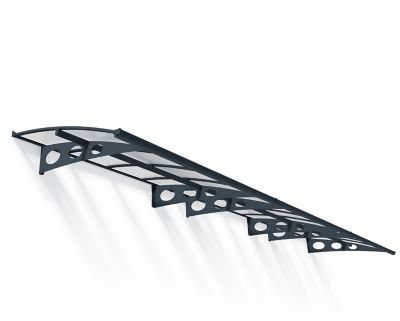
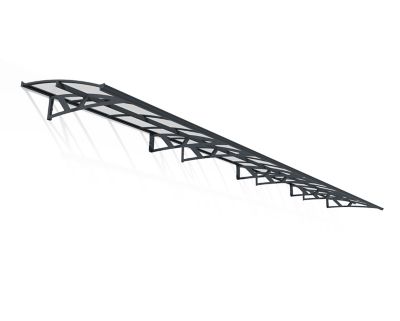
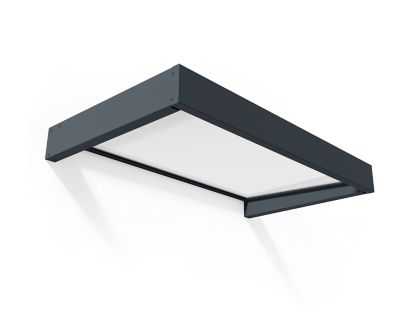
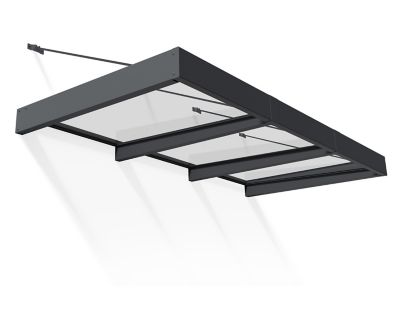
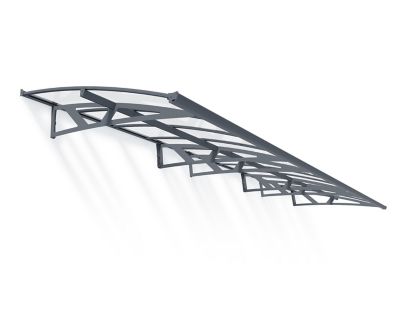
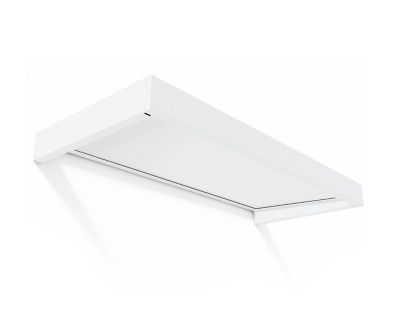
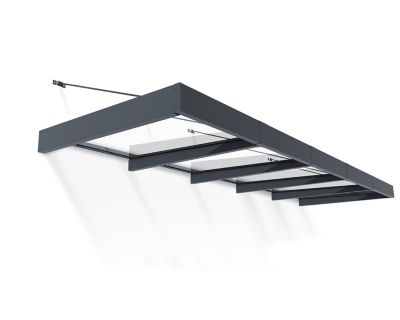
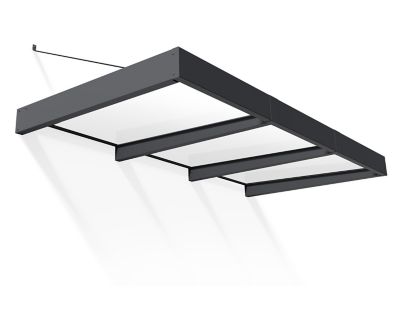
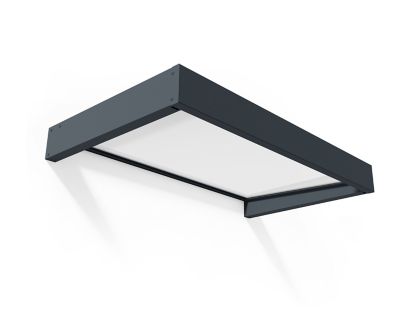
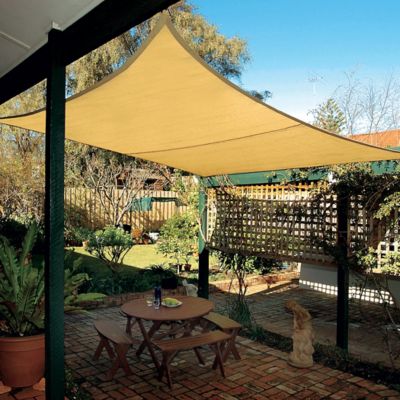
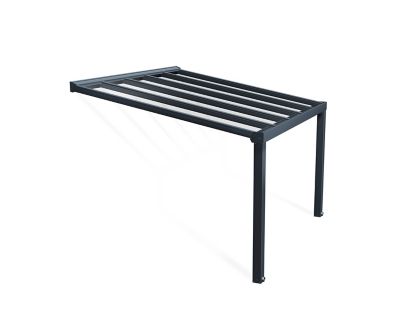
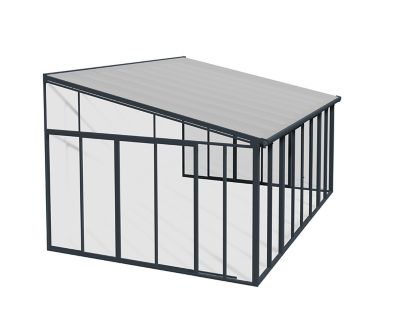
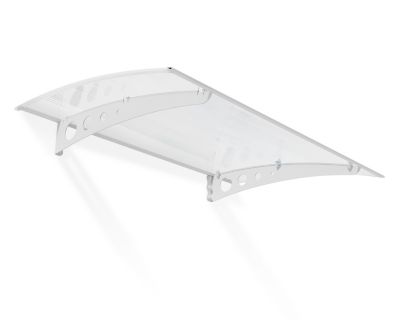
Exterior door awnings are wall-mounted canopies that extend over an entrance to help shelter the doorway from rain, snow, and direct sunlight. They give an otherwise open entry a little overhead cover without taking up space on the steps or landing. That can make a difference when someone is hunting for keys with groceries in hand, pulling off muddy boots, or carrying a bag of feed into a utility room. Door canopies also help reduce the amount of rain falling directly against the top of an entry, although blowing rain can still reach beneath them. Their protection depends on the canopy’s size, shape, placement, and construction, so a small cover over a narrow side door serves a different purpose than a deeper awning above a busy main entrance. Materials play a big part in both appearance and everyday upkeep. Polycarbonate panels offer overhead coverage with less weight than many other rigid materials, and clear or tinted versions can let daylight reach the doorway. Light transmission and UV protection vary by panel, so those features deserve a close look in the manufacturer’s specifications. Aluminum awnings offer a solid roof surface and natural resistance to rust, while steel components generally depend on protective finishes to help resist corrosion. Fabric canopies bring a softer look, with performance that depends on the fabric, its treatment, and the frame supporting it. A sloped, curved, or arched canopy can help water move away from the wall, while drainage channels on some designs direct runoff toward designated edges. Each material has its own feel: a metal canopy can suit a farmhouse side entry or shop door, while a light-transmitting panel can keep a shaded doorway from feeling quite so dark. The right choice fits the building and the way people come and go, whether that entrance leads into a home, detached garage, workshop, or outbuilding.
Fit involves more than matching an awning to the width of the door slab. The full opening, surrounding trim, mounting space, and landing all affect how a canopy sits above an entrance. An awning that extends beyond the sides of the opening offers broader overhead coverage, while its projection determines how much of the approach sits beneath it. A shallow canopy may shelter the threshold but leave someone standing on the steps outside its cover; a deeper one may cover more of the landing but also require stronger support and more open space. Outward-swinging doors and storm doors need clearance beneath the canopy, including room for the upper corner of the door throughout its swing. Nearby windows, light fixtures, house numbers, gutters, and roof edges can also limit placement. For wider paired entrances,
Awnings for French Doors relate to the same considerations, with coverage spanning both door panels and clearance for their operation. Wall construction matters just as much as canopy dimensions. Brick, concrete, wood framing, and walls finished with siding or stucco can call for different fasteners and mounting arrangements. Surface finish alone does not tell the whole story; brackets need attachment to a suitable supporting structure, not simply to thin siding or trim. Proper sealing or flashing at attachment points helps keep water from following fasteners into the wall. Manufacturer requirements, local building rules, and the condition of the wall help determine whether an installation is suitable for the location. Wind and snow ratings deserve particular attention on exposed buildings, since a canopy’s shape or material alone cannot establish its load capacity. Runoff also needs somewhere sensible to go. Water directed away from the threshold is helpful, but water discharged onto a narrow step or heavily traveled walkway can create another problem. A canopy should work with the whole entrance, leaving a clear path below and keeping drainage away from places where people regularly stand.
Everyday care helps an exterior door awning keep doing its job and looking at home on the building. Rigid panels, metal roofs, fabric covers, brackets, and fasteners each have their own maintenance needs, so the manufacturer’s care directions are a better starting point than a single cleaning routine for every material. Gentle cleaning can remove dirt, pollen, and bird droppings before they build up. Polycarbonate surfaces may scratch when scrubbed with abrasive tools, and some cleaners can damage panels, coatings, or fabric treatments. Leaves and small twigs can collect along edges or inside drainage channels, especially above a back door near trees. Keeping those paths clear helps water flow where the canopy is designed to send it. Fabric covers may need attention to drying, tension, and storage if the design calls for removal or retraction, while metal finishes benefit from checks for scratches or exposed areas. Loose brackets, shifting fasteners, cracked panels, and damaged seams are worth addressing promptly rather than leaving them to worsen. Snow removal should follow the canopy maker’s directions, without climbing onto the awning or treating it as a load-bearing roof. Beyond upkeep, the best match is often the one that suits the doorway’s daily routine. A front entrance may call for a clean profile that works with porch railings and window trim. A workshop entry may put more emphasis on overhead coverage, room to carry equipment, and components that are straightforward to maintain. A rear door near a gravel drive may benefit from coverage over the spot where deliveries are set down, provided the landing remains clear. Bracket shape, roof color, panel tint, and canopy depth all influence how prominent the awning looks against the wall. Keeping those details in proportion to the doorway gives the entrance a finished look without overwhelming it. For homeowners, property caretakers, and folks managing farm buildings, exterior door awnings offer a practical way to add overhead shelter while keeping the entry open and easy to move through.