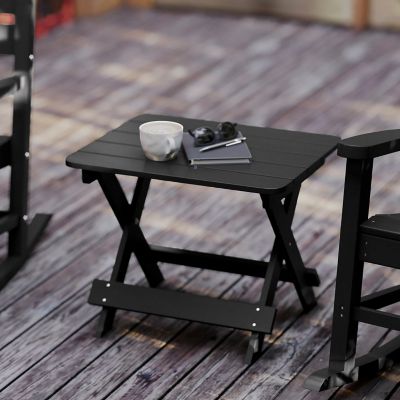
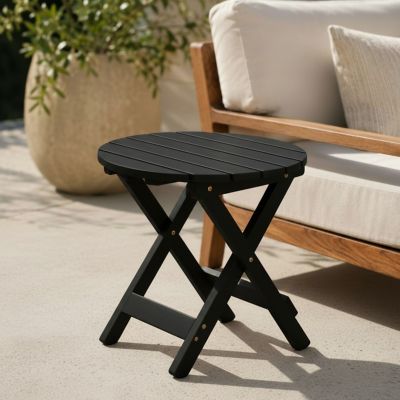
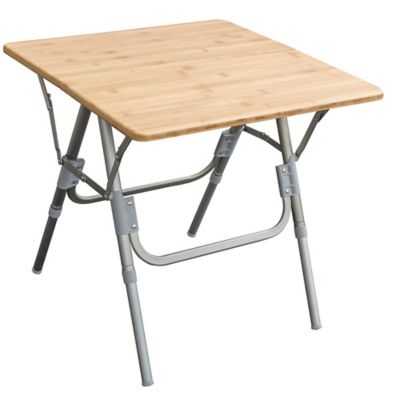
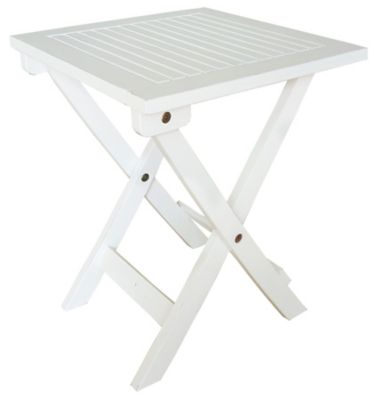
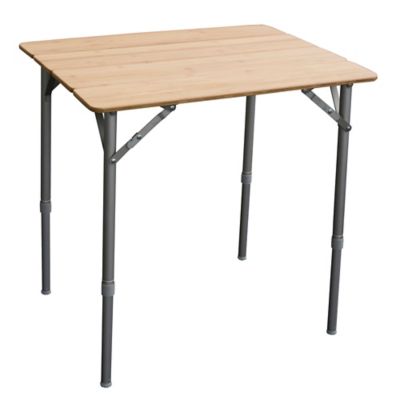
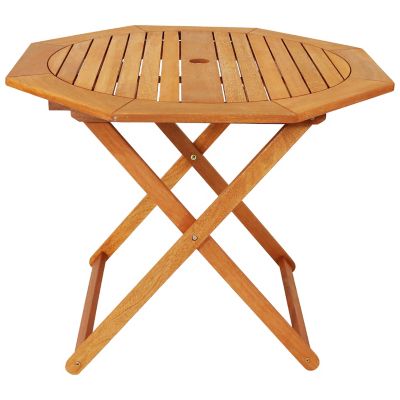
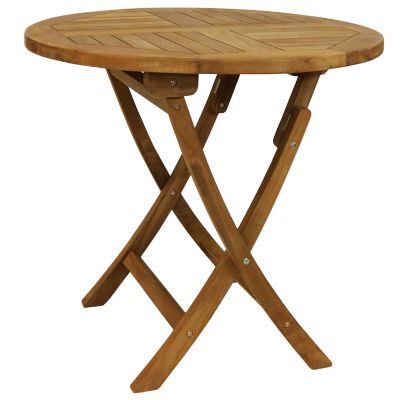
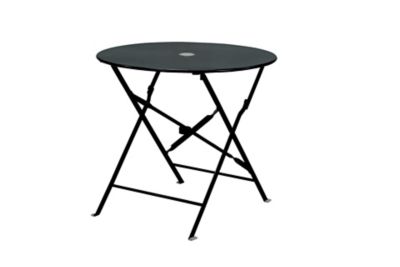
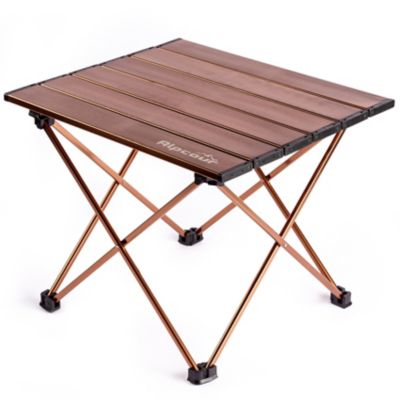
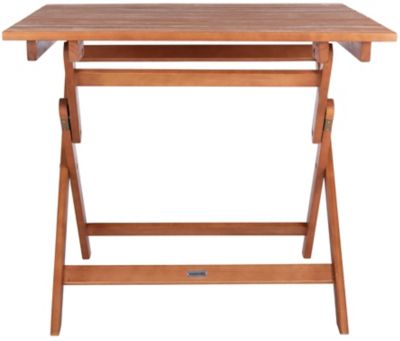
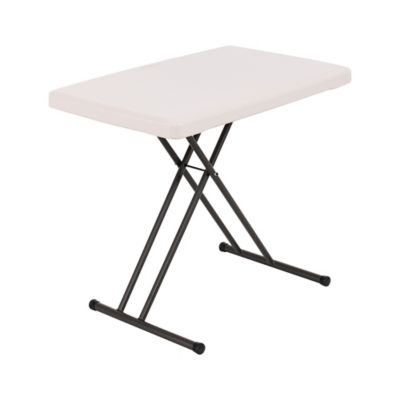
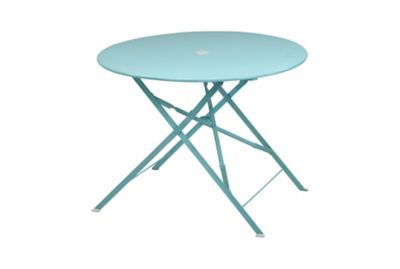
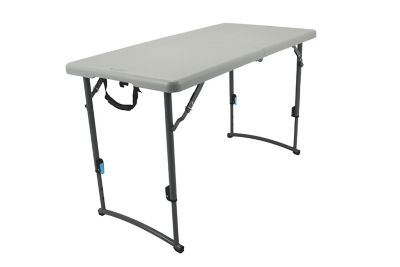
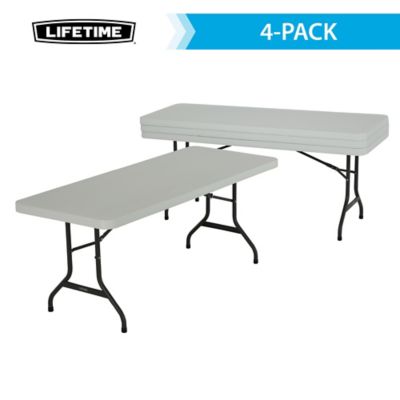
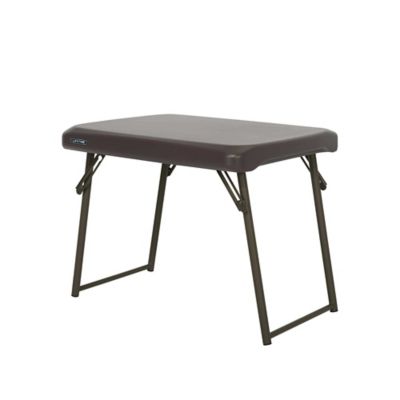
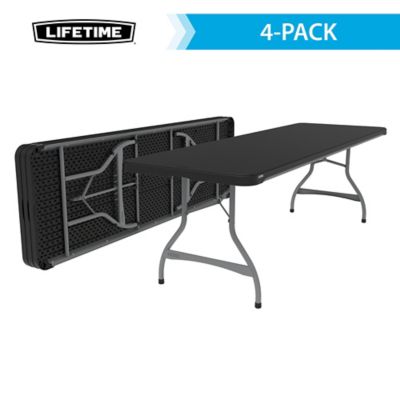
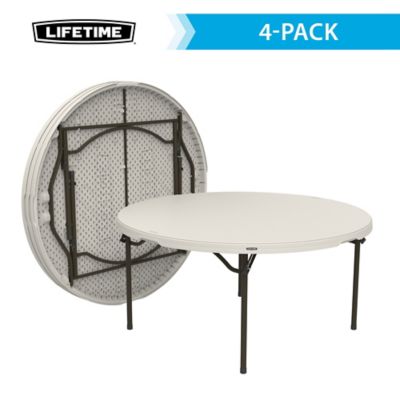
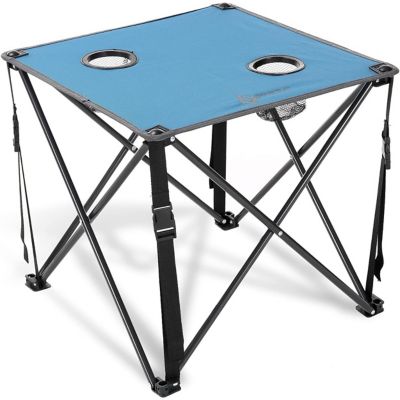
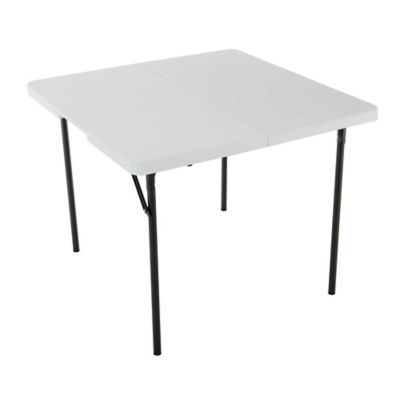
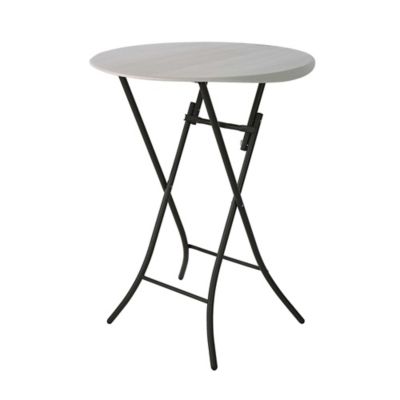
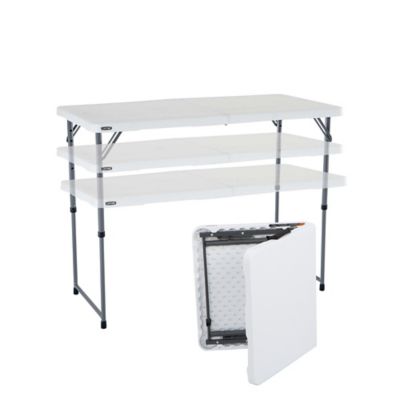
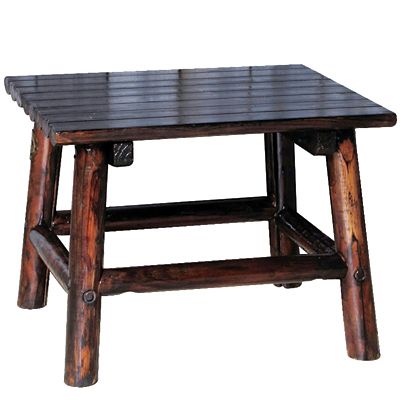
Folding patio side tables are compact outdoor tables with legs or frames that fold down for storage and transport. They put a handy surface beside a chair without taking up the room of a dining table, making them a practical fit for porches, decks, patios and campsite seating areas. A spot for a coffee mug, a paperback or a small plate can make a favorite chair a lot more comfortable, especially when getting up means interrupting a good conversation. These tables also work well beside porch swings and outdoor benches, provided there is enough clearance for the seat to move freely. Round tops leave no corners sticking into a narrow walkway, while square and rectangular tops can tuck neatly alongside seating. The most useful size depends on what needs to sit on top: a drink and a phone take little room, but a snack plate, reading glasses and a pitcher call for more surface space. Table height matters just as much as width. A top near the height of the chair arm generally keeps everyday essentials within reach, while a tall table beside a low lounge chair can feel awkward. Pairing a side table with
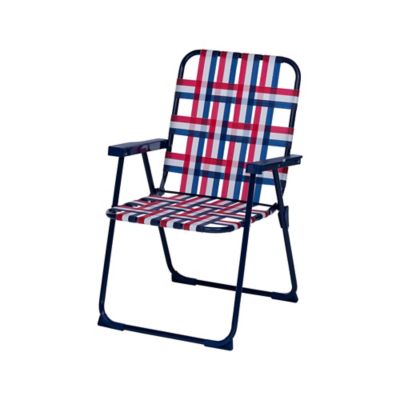
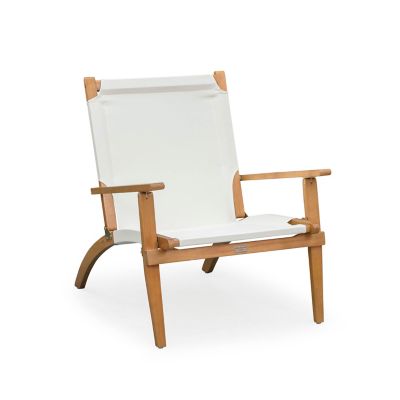
patio furniture folding chairs creates a seating setup that can be put away when the space needs to serve another purpose. Checking the table’s open dimensions helps leave room for knees, chair legs and a clear walking path. Its folded dimensions matter, too, particularly when storage means a shallow shelf in the shed or a narrow space in the garage. For a small porch, a single table between two chairs may be enough. On a larger patio, separate tables beside individual seats give everyone a place to set things down without reaching across another person. That flexibility suits households that move seating around for family visits, quiet evenings outside or a break after chores.
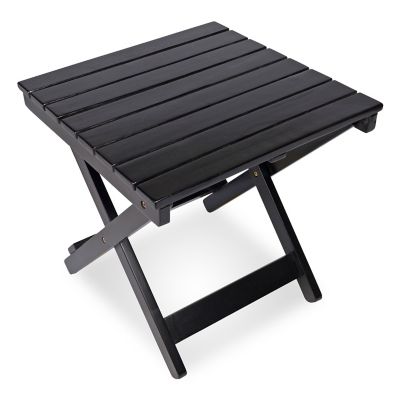
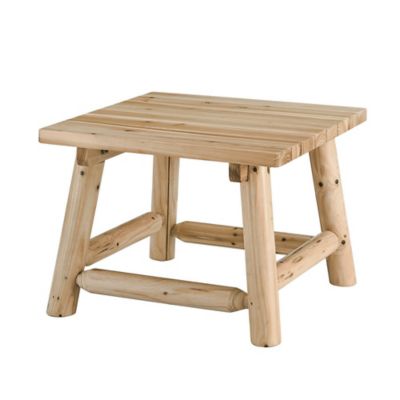
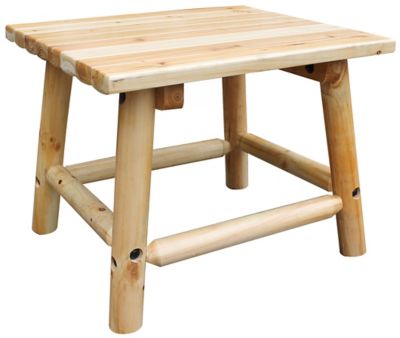
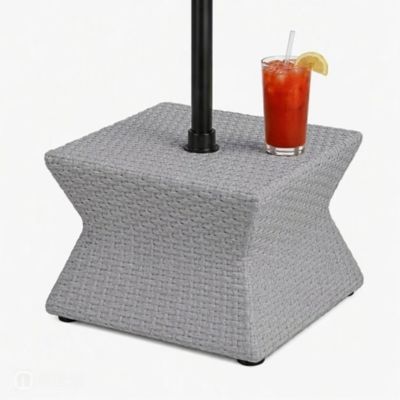
Material affects a folding patio side table’s weight, appearance, upkeep and ability to handle outdoor exposure. Plastic and resin designs are often light enough to carry from the porch to the yard with little effort, and their surfaces generally wipe clean after a spilled drink. High-density polyethylene, often called HDPE, is another material found in outdoor furniture; its moisture resistance makes it worth considering where damp surfaces are a regular concern. Plastic formulations differ, so outdoor ratings and care directions matter more than appearance alone. Metal tables bring a different feel. Aluminum is often relatively light and resists rust, while steel frames may add weight that helps a table feel more planted. A steel frame’s protective coating needs attention, since chips and scratches can leave the metal exposed to rust. Neither extra weight nor a broad stance makes a table tip-proof, especially on uneven ground. Wood brings visible grain and a natural look that sits comfortably beside a farmhouse porch rail or a set of wooden chairs. Its upkeep depends on the species and finish, with some surfaces needing periodic sealing or refinishing according to their care directions. Woven-look surfaces offer texture, though crumbs and dust can settle into the pattern more readily than on a smooth top. Glass tops provide an even resting surface and are easy to wipe, but they need protection from hard impacts and careful handling when the table is moved. Surface construction also changes everyday use: slats allow some water to pass through, while a solid top gives small objects fewer gaps to fall through. Narrow glass bases and small containers need a flat, steady resting spot. Color and finish can blend with existing chairs, siding and railings without requiring every piece to match. For cleanup, mild soap, water and a soft cloth are often suitable starting points when permitted by the manufacturer. Abrasive pads, harsh cleaners and standing moisture can damage certain finishes, so care directions should settle the details.
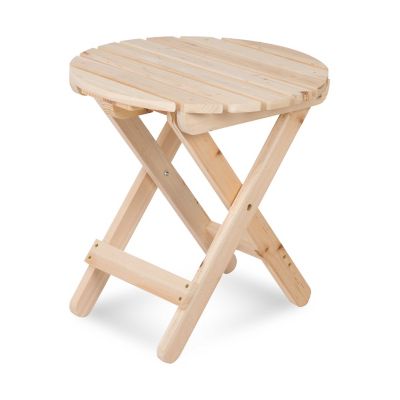
A folding design earns its keep when setting up, carrying and putting away the table feel straightforward. Some frames close flat against the underside of the top; others fold through a crossed-leg arrangement. The important details are how the mechanism operates, whether it locks or braces into position, and how much room the folded table takes up. A person carrying chairs and supplies to a campsite may favor a lighter table, while someone keeping one beside a porch rocker may put more emphasis on a steady base and a comfortable reach. Carry handles, where included, can make transport simpler, but the folded shape still needs to fit the intended storage space. Hinges and braces should move as directed, with fingers kept clear of pinch points and children away from the mechanism during setup. Once open, all feet need firm contact with a level surface. Wide gaps between deck boards, loose gravel and soft ground can make a small table wobble even when its frame is sound. The listed weight limit applies to the intended load, and heavy objects should not be concentrated along one edge. A patio side table is not a seat, step stool or support for climbing. Hot cookware and cooking equipment also belong on surfaces specifically rated for that purpose, not on an ordinary side table. For everyday care, wiping up spills promptly and letting the table dry before folding helps keep dirt and moisture from lingering around joints. Fasteners, hinges and feet benefit from occasional checks, especially after frequent transport. Before longer storage, a clean, dry table is easier to put away and more pleasant to bring back out. Foldable outdoor tables can also make thoughtful gifts for someone who enjoys porch sitting, travels with a camper or needs furniture that packs away between visits. The best fit comes down to familiar habits: where the table will stand, what it will hold and how often it will move. With those details matched, a small folding table becomes a useful part of outdoor living without claiming a permanent patch of floor space.