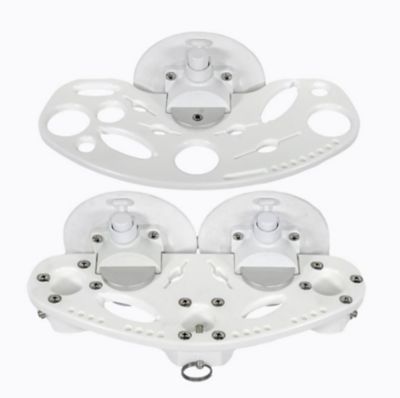
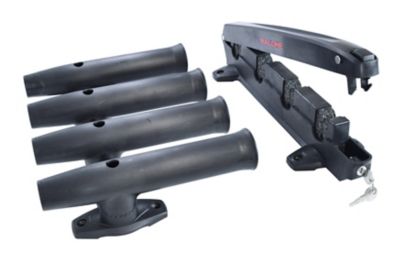
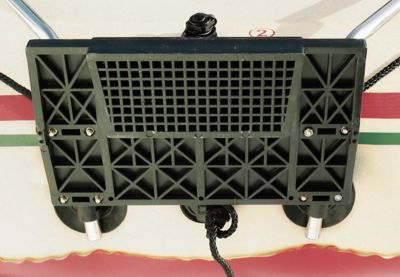
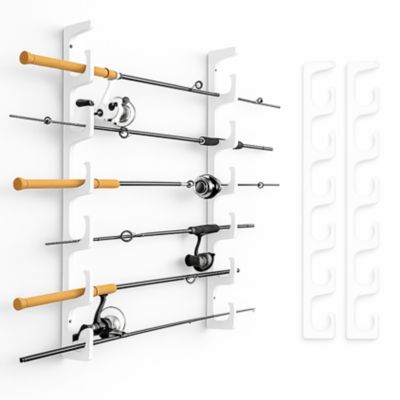
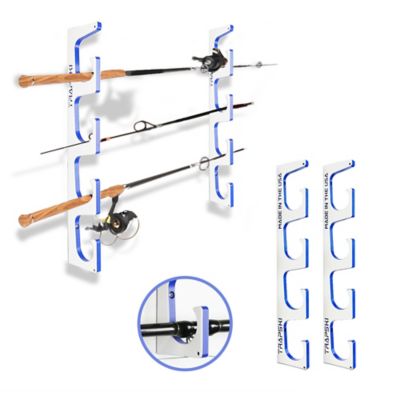
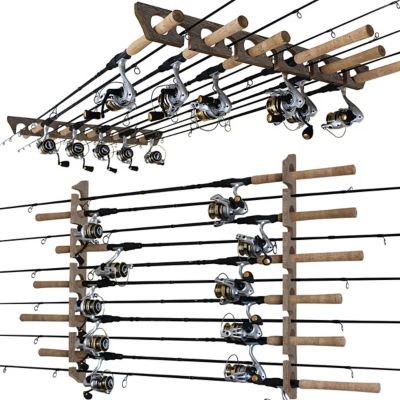
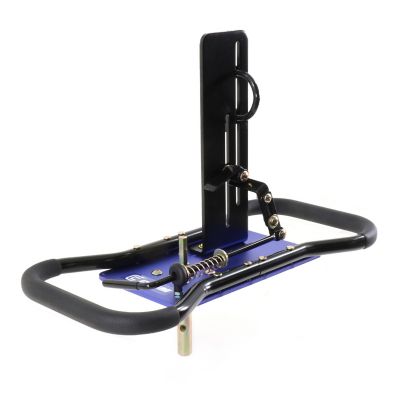
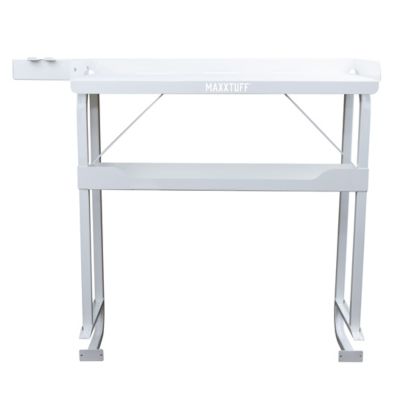
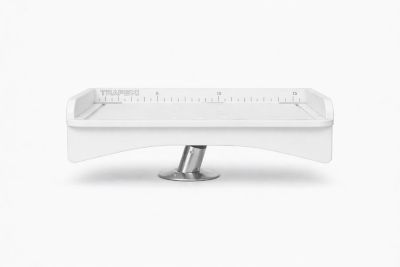
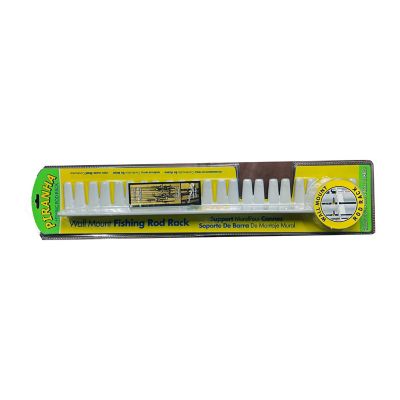
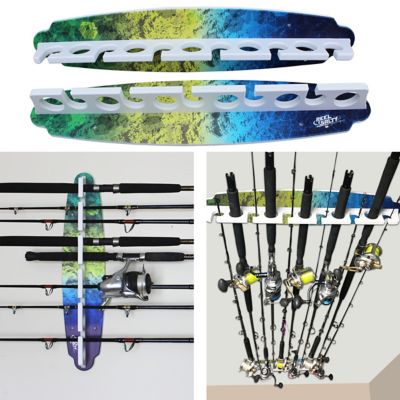
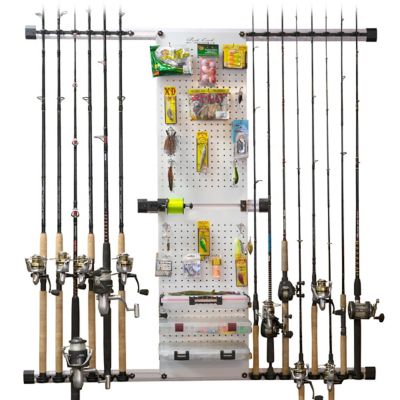
Fishing mounts are the bases, brackets, and support systems that hold rods, fish finders, transducers, and related equipment in position on a boat, kayak, or another compatible platform. Unlike trophy fish mounts that display a catch on a wall, these mounts support working fishing gear and help keep the space around an angler organized. A well-matched setup puts a screen within sight, keeps a rod handle clear of a paddle stroke, or gives a transducer a suitable position in the water. Different mounting styles suit different fishing spaces. Track mounts connect to compatible accessory rails and may allow equipment to slide along the rail before locking into place. Clamp mounts grip a suitable edge without requiring a permanent hole, while bolt-down bases attach to a mounting surface with hardware. Suction mounts offer another approach for certain smooth, nonporous surfaces, although their holding strength depends on the surface, installation, and conditions of use. Ball-and-socket designs allow angle adjustment, while fixed brackets keep equipment in a more consistent position. For someone casting from a small boat, keeping a rod out of the walking space can matter just as much as screen visibility. A kayak angler may need a mount that stays within easy reach without interfering with a paddle, pedal drive, or landing net. Someone trolling may put more emphasis on rod angle, clearance between lines, and resistance to movement under the expected load. Fit goes beyond whether two pieces can connect. The base, attachment pattern, support arm, and equipment holder all need to work together, and matching one part does not establish compatibility across an entire setup. Mount ratings and equipment specifications help establish those limits. Adjustable reach can be handy, but a longer arm also places more leverage on the base. Compact arrangements often make sense where deck space is tight, while a little extra height can bring a display above a gunwale or nearby tackle bag.
Materials and construction influence how fishing mounts handle water exposure, repeated adjustment, and the vibration that comes with travel. Aluminum can keep weight down, stainless steel hardware can help resist corrosion, and molded composite components can provide shaped cradles, handles, and bases without adding much weight. Each material still has limits, and corrosion resistance does not mean maintenance can be skipped. Protective finishes, compatible fasteners, and separation between dissimilar metals may matter, especially around saltwater. A substantial bracket also needs a suitable mounting surface beneath it. A thin panel, curved rail, or flexible kayak hull can call for different attachment hardware than a reinforced flat deck. Depending on the equipment and platform, backing plates, washers, or manufacturer-specified reinforcement may help spread the load. Holes through a hull or deck require particular care, including approved sealing methods where applicable, and attachment points should follow the boat or kayak maker’s requirements. Clamp openings need to match the thickness and shape of the surface they grip; a broad, rounded edge is not the same as a narrow, flat one. Track hardware also needs to match the rail profile rather than merely look close. For electronics, screen size alone does not establish fit. Device weight, bracket width, screw spacing, and clearance for plugs all affect the arrangement. Cables need enough room for normal adjustment without stretching, pinching, or rubbing against sharp edges. Transducer mounts add another set of considerations because the sensor’s position and orientation affect performance. Hull shape, water flow, launch clearance, and the equipment maker’s placement requirements all play a part. A mount that swings or lifts may help with transport or shallow approaches, but any moving mechanism needs secure locking and enough clearance to operate. Rod-related mounts have their own fit details, including handle diameter, reel clearance, retention features, and the direction of pull. Matching the support to the intended fishing method helps avoid a setup that fits neatly at the dock but gets in the way once lines are out.
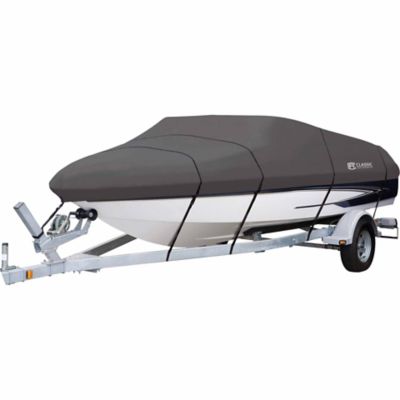
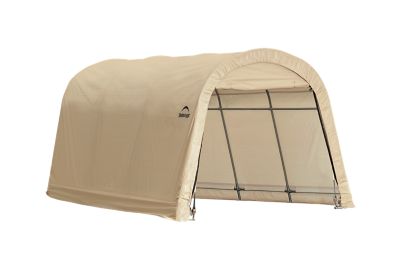
The most practical fishing mount often earns its place through small details that become noticeable over a full outing. An adjustment knob that is easy to grip, a release mechanism that does not crowd a reel, or a screen position visible from the fishing seat can make equipment easier to manage. On a narrow kayak, a mount beside the seat might seem convenient until it catches the landing net when a fish comes alongside. On a boat shared by several anglers, a support that projects into the walkway can become an obstacle when someone reaches for tackle. Clearance matters during transport, too, particularly when loading a kayak onto a rack or covering a boat. Removable components can simplify those tasks when the design supports removal, while fixed installations benefit from a position that stays clear of straps and covers. Similar space planning applies to setups built around
fishing shelters, where rods, electronics, and tackle need room without crowding the angler. Care requirements depend on the mount’s materials and instructions, but freshwater rinsing after salt exposure, thorough drying, and attention to trapped grit can help preserve moving parts. Threads, pivot points, locking knobs, and attachment hardware deserve periodic inspection for looseness, wear, or corrosion. Cleaning agents and lubricants should be suitable for the materials involved; an unsuitable chemical can damage a coating or plastic component. Checking connections after trailering or repeated adjustments can also reveal movement before it becomes a larger problem. Fishing mounts can make thoughtful gifts for anglers who enjoy organizing their equipment, provided the recipient’s platform, existing mounting system, and equipment dimensions are known. Those details matter more than choosing the largest bracket or the longest arm. Whether the setup serves quiet pond trips, river outings, or days on a bigger lake, a suitable mount brings the equipment, mounting surface, and angler’s working space together without adding unnecessary clutter.