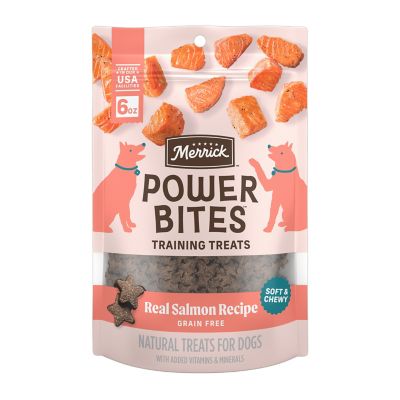
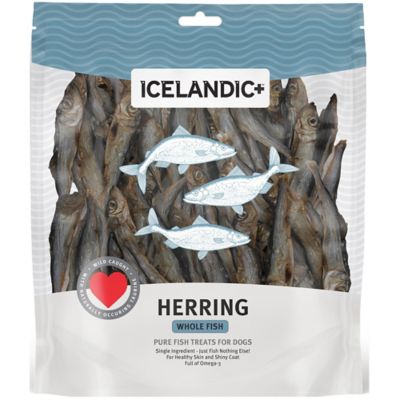
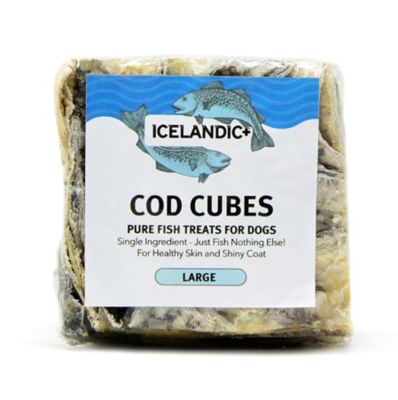
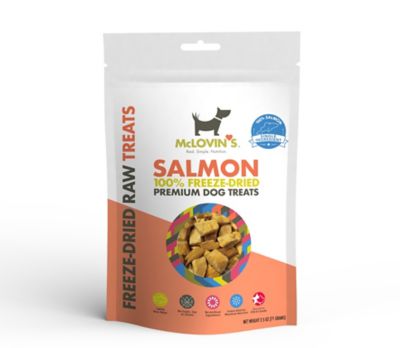
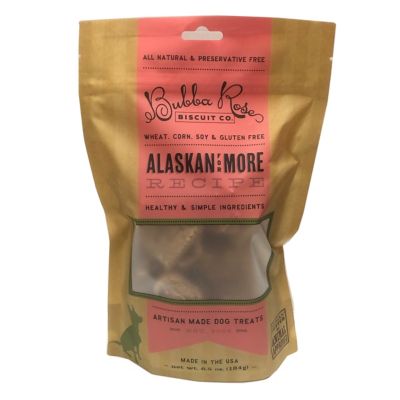
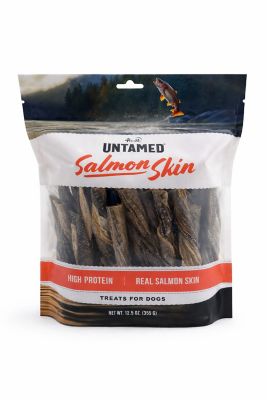
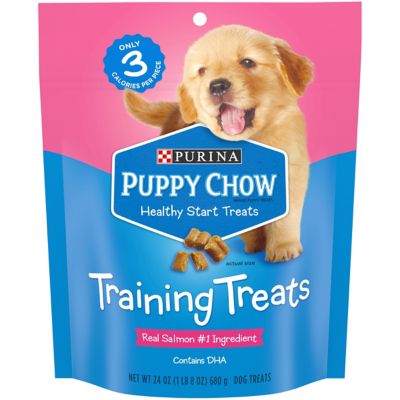
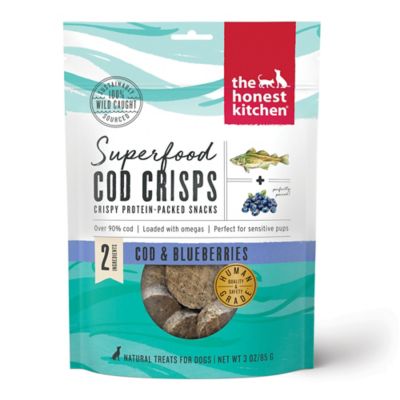
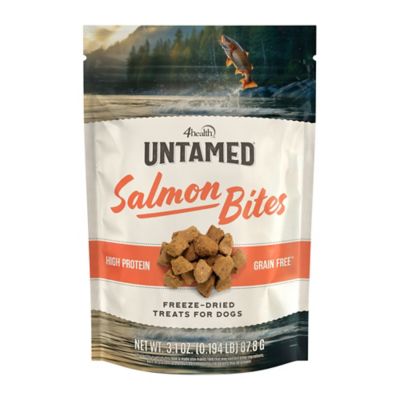
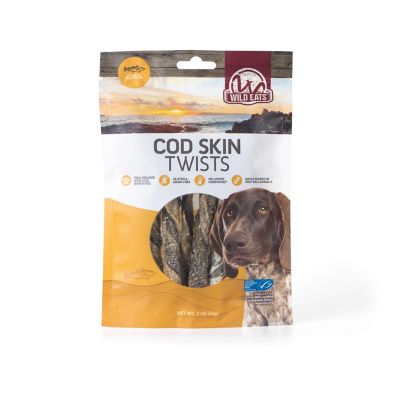
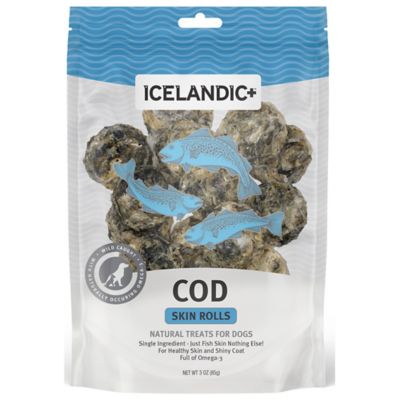
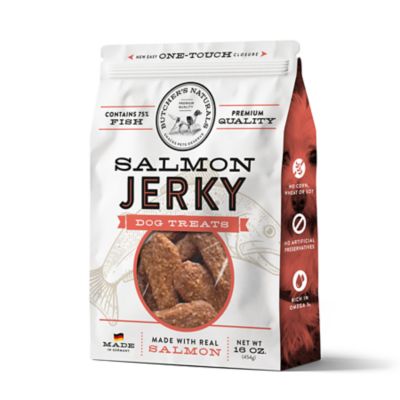
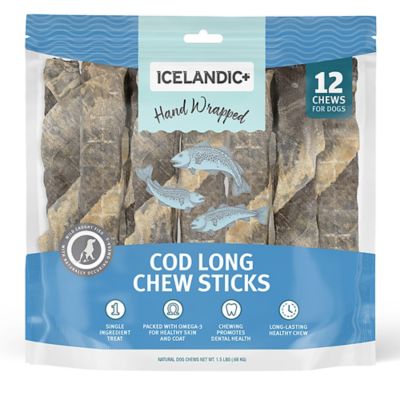
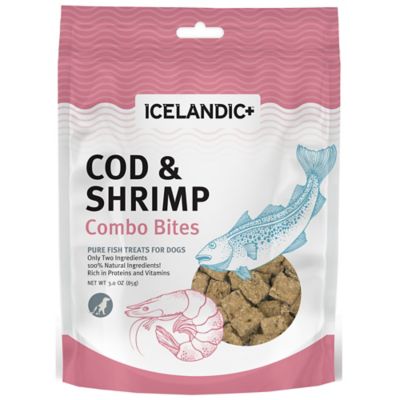
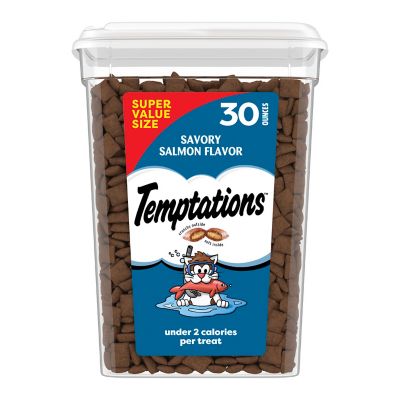
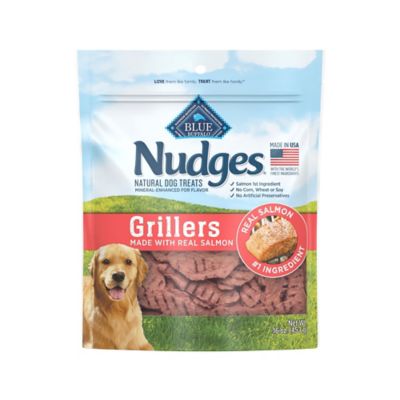
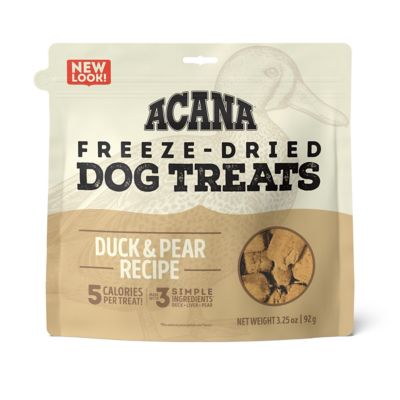
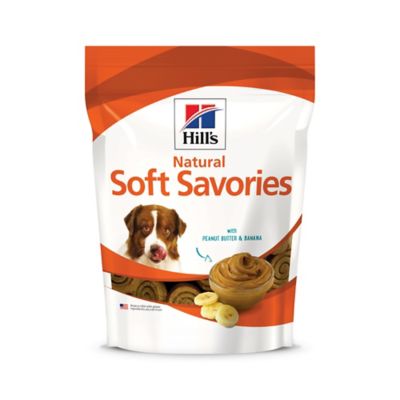
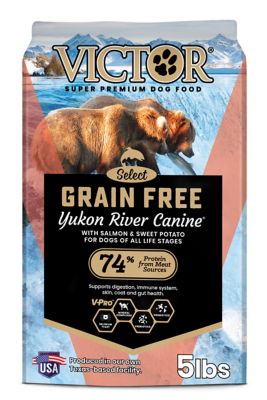
Fish dog treats are a handy way to add a different source of protein to your dog’s treat routine, whether you’re rewarding a good sit, packing snacks for a trail walk or giving your four-legged helper a little something after a long day outside. Many fish-based snacks are made with simple ingredients such as whole small fish, whitefish, salmon, pollock, cod or fish skin. Depending on how they’re prepared, they may come as crunchy whole-fish bites, airy freeze-dried pieces, firm jerky-style strips or small training treats. Fish is naturally rich in protein, and many varieties provide omega-3 fatty acids that support normal skin and coat health. That can be especially appealing for dogs with dry-looking coats or those who spend plenty of time outdoors in sun, wind, dust and changing weather. Fish treats can also offer an alternative protein for dogs that do not do well with more common choices such as chicken or beef, although every dog is different and a veterinarian should help guide food choices for a pet with diagnosed allergies or a sensitive stomach. For another seafood-inspired option, take a look at
Salmon Dog Treats. As you compare fish dog treats, check the ingredient panel first. Single-ingredient snacks can make it easier to know what your dog is eating, while recipes with a short list of recognizable ingredients may fit households trying to keep treat time simple. It also pays to look at the guaranteed analysis, calorie information and recommended serving size, since a tiny dog and a big farm dog should not receive the same portion. Treats should make up only a small part of a complete, balanced diet, and the calories from snacks count toward your dog’s daily intake.
The texture and size of a fish treat matter just as much as the recipe. Small, soft pieces are useful for training, grooming practice or reinforcing calm behavior in the truck, barn aisle or backyard. Crunchy whole-fish snacks and dried fish skins can take longer to eat and may be satisfying for dogs that enjoy a good chew, but they are not a substitute for brushing or routine dental care. Choose a size your dog can manage safely, and stay close while your pet enjoys any chewy, brittle or whole-fish treat. Some fish snacks may contain small bones or break into sharp pieces, so read the package directions and use your judgment based on your dog’s age, chewing habits and size. Dogs that gulp food may do better with smaller pieces or treats that can be broken apart, while a determined chewer may appreciate a sturdier texture. Introduce any new snack gradually, especially if your dog has a touchy stomach. Start with a small serving and watch for signs of digestive trouble, itching or other unusual reactions before making it part of the regular routine. Fish treats can carry a noticeable seafood aroma, which dogs often find irresistible but people may prefer to keep contained. An airtight storage container helps preserve freshness and keeps curious noses from investigating the pantry. Store treats according to the package instructions, use clean hands or a scoop when serving, and keep all pet snacks out of reach of children and animals that might help themselves. Fresh water should always be available, particularly after active play or during warmer days.
Fish dog treats suit plenty of everyday occasions. They can be tucked into a training pouch for a puppy learning household manners, offered after a successful nail trim or used as a special reward for an older dog that still loves to work for a bite. Hikers, campers, hunters and folks who spend time on the water may appreciate having a lightweight snack that travels well in a sealed bag. Fish-based treats can also make a thoughtful gift for a dog-loving friend, especially when paired with other practical pet supplies for a new puppy, an adopted dog or a hardworking companion that follows along on chores. During the warmer season, keep treats protected from heat and moisture in the truck, tack room or travel bag; as cooler weather settles in, they make an easy addition to indoor enrichment, obedience practice and cozy evenings at home. Keep in mind that “natural,” “limited ingredient” and “single protein” can mean different things from one package to the next, so read the label rather than relying on the front of the bag alone. Look for clear sourcing and preparation information, avoid treats with ingredients your dog is known to avoid, and consider your pet’s full diet before adding a new reward. With the right texture, portion and ingredients, fish dog treats can bring variety to snack time while giving you another simple way to recognize good behavior, build trust and share a little of the day with your best buddy.