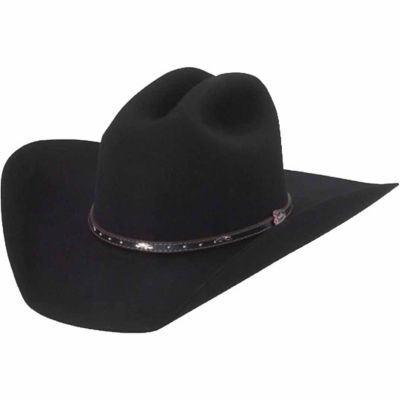
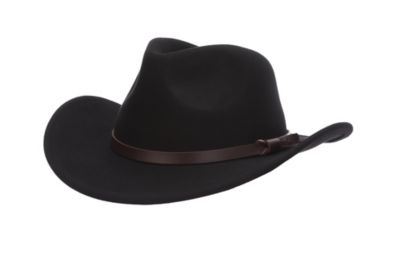
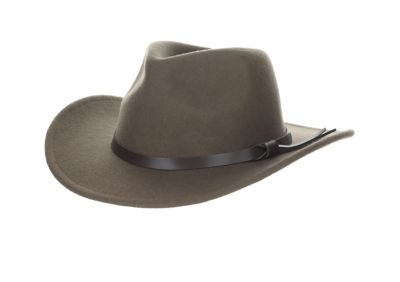
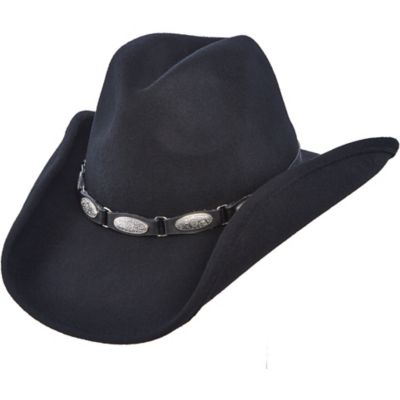
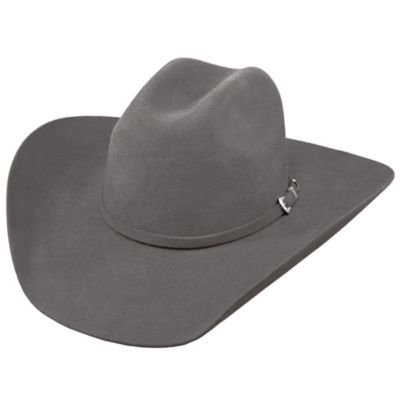
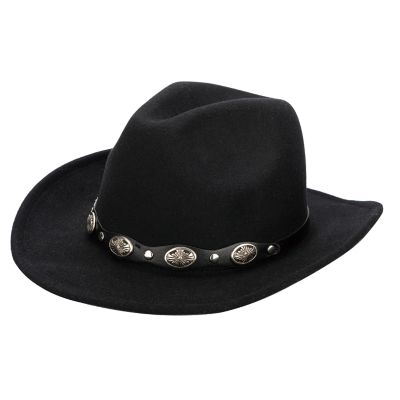
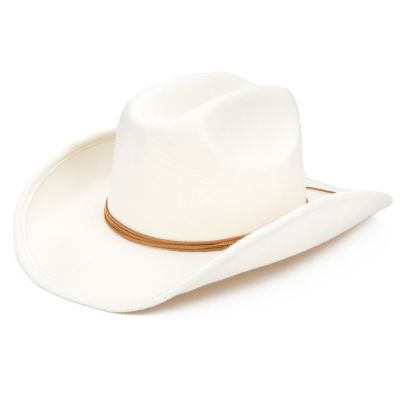
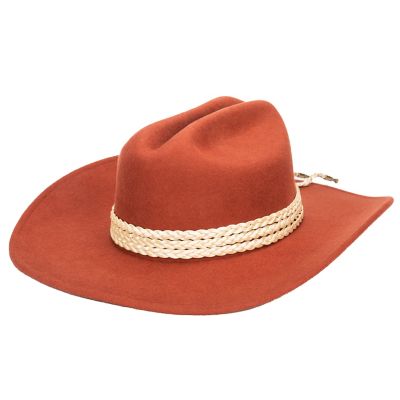
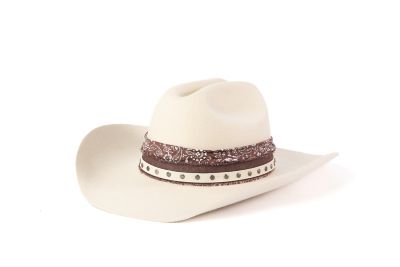
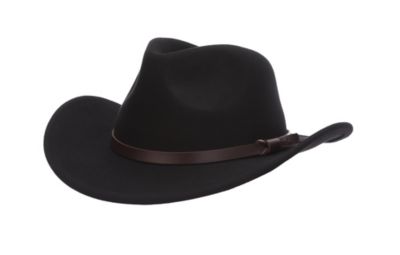
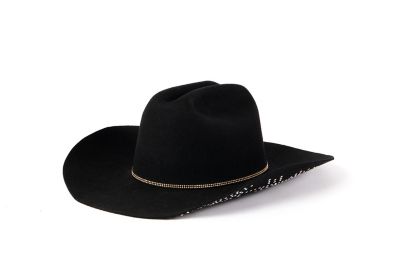
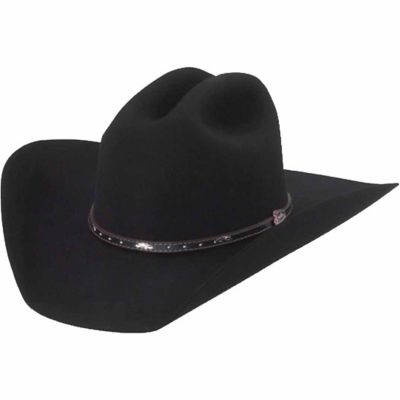
Felt cowboy hats make thoughtful holiday gifts for ranchers, horse owners, rodeo fans, and anyone who feels at home in Western wear. A well-chosen hat can go from a stop at the feed store to Christmas dinner without feeling out of place, but the best match starts with how the recipient actually dresses and spends the day. Someone who wears a hat around the ranch may appreciate a firm shape, a comfortable sweatband, and a brim that stays out of the way while handling chores. Someone who saves a cowboy hat for church, dances, or family gatherings may care more about a smooth finish and a neatly shaped crown. Felt is made by matting fibers together, creating a dense material that can hold the familiar creases and curves of a Western hat. Wool felt, fur felt, and felt blends differ in texture, weight, flexibility, and how well they hold their shape. Wool felt often has a substantial feel, while rabbit, beaver, and other fur fibers can produce a finer surface and a resilient body, depending on the blend and construction. Fiber content alone does not tell the whole story, so look at the material description, finishing, and care directions together. An X designation is not a universal measure of fiber content or performance; its meaning can vary by manufacturer. Shape matters just as much as material when choosing felt cowboy hats for holiday gifting. A cattleman crown has a center crease with two side dents, giving it a familiar ranch-country profile. A pinch-front crown narrows toward the front, while a telescope crown has a lower, rounded look. Wider brims create a bolder outline and offer more coverage, while narrower brims can feel less cumbersome in close quarters. Black, brown, tan, and gray each pair easily with denim, boots, and a button-down shirt, though the recipient’s everyday hat is usually a better clue than any passing trend. Matching those familiar preferences helps the gift feel personal without asking someone to change their style.
Fit deserves careful attention because even a sharp-looking felt hat can end up on a shelf if it pinches or slides around. Cowboy hat sizing usually depends on head circumference, with sizes expressed as numbers, general size ranges, or both. To measure, place a flexible tape around the head where the sweatband will sit, generally just above the ears and across the forehead, keeping it level around the back. The tape should lie snugly without pulling tight. Compare that measurement with the sizing chart for the hat rather than assuming the recipient wears the same size across every maker. An existing hat’s size label can help with a surprise gift, especially if that hat fits well, but head shape also affects comfort. A regular oval and a long oval can fit differently even when their listed sizes match. The right fit should feel secure without leaving painful pressure at the forehead or temples. It should not need to be pushed down hard to stay put, and it should not slip over the ears with an ordinary turn of the head. Sweatband material adds another consideration: leather and fabric bands have different feels against the skin, and comfort depends on their construction as well as the wearer’s preference. Linings, crown height, and overall weight can also affect how a hat feels through a full day. For someone who spends time climbing into a pickup or stepping through low doorways, a taller crown or sweeping brim may take more adjusting than a familiar profile. For a recipient who enjoys dressing up, those same proportions may be part of the appeal. Notice whether their present hat has a flat brim, strongly turned-up sides, or a modest curve. Those details say plenty about what feels right to them. If the gift is meant to be a surprise, checking a well-fitting hat’s label and taking note of its shape is more helpful than guessing from someone’s height or clothing size.
A felt cowboy hat also makes a better long-term gift when its care needs suit the person receiving it. Felt can handle regular wear, but resistance to moisture varies, and a felt hat should not automatically be treated as waterproof. Follow its care directions, particularly for wool, fur blends, and any treated finish. If the hat gets damp, let it dry naturally away from a heater, fireplace, hair dryer, or direct heat. High heat can shrink felt, affect the sweatband, and pull the crown or brim out of shape, which is why a hot vehicle is a poor storage spot. For everyday dust, a soft hat brush appropriate for felt helps lift dirt without roughing up the surface; brush gently with the nap and keep brushes for light and dark hats separate. Blot fresh moisture rather than rubbing it into the fibers, and leave stubborn stains or major reshaping to a hat-care professional. Pick the hat up by the brim near the crown instead of repeatedly pinching the front crease, since handling the same spot can weaken the felt over time. Between wears, give it a dry place with room around the brim, using a suitable hat rack or hat box that supports its shape. Avoid stacking belongings on top or leaving it resting in a way that flattens the brim’s curve. These small habits help preserve the shape and finish through regular wear and special occasions alike. For holiday gifting, a roomy box also protects the hat better than squeezing it into tight wrapping or a crowded gift bag. A felt cowboy hat can mark a first Christmas on a new place, recognize a family member’s years of ranch work, or simply replace a favorite hat that has earned its retirement. The strongest choice fits the recipient’s head, routine, and sense of style—not just the holiday photograph. For a wider gift list built around life on the land, explore
Holiday Gifts for Ranches.