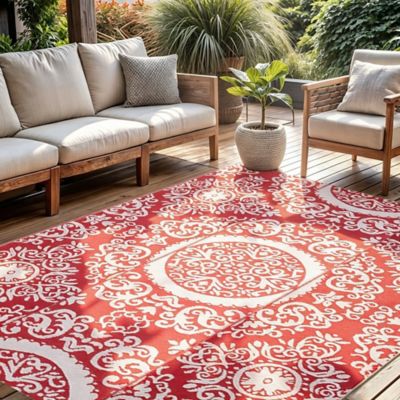
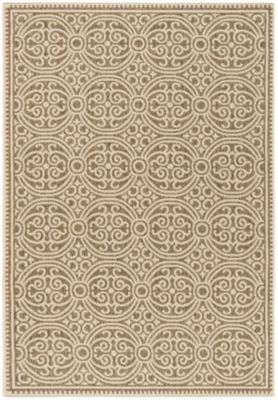
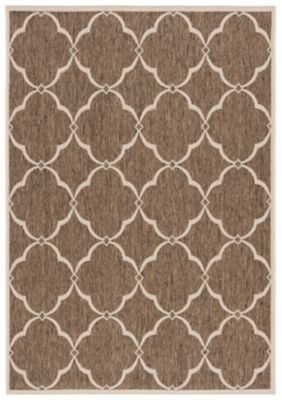
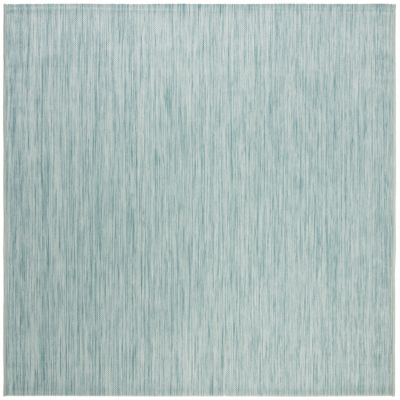
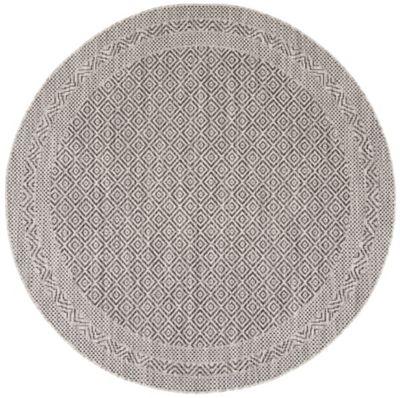
Outdoor rugs for decks give a sitting area a more settled feel, whether the space holds a pair of rocking chairs, a big family dining table or a bench beside the back door. A rug brings color and texture underfoot while helping separate the eating area from the spot where everyone gathers to visit. On a wide deck, that visual boundary can make furniture feel connected instead of scattered across the boards. On a smaller landing, a simple runner or compact rectangle can soften the space without crowding the steps. The right fit depends on more than the deck’s overall dimensions. Rail posts, door swings, stair openings and the room needed to pull out a chair all affect how a rug sits in everyday life. A dining rug generally needs enough room beyond the tabletop for chair legs to stay on the rug when someone sits down or gets up. In a seating group, placing the front legs of the chairs and sofa on the rug can tie the arrangement together while leaving a border of deck boards visible. Low-profile edges are especially helpful along paths between the house, steps and seating area, where folks may be carrying a serving tray or following a pet through the door. Flat surfaces also make it easier to move a chair without catching a leg on a raised weave. For a deck that does several jobs, a rug can mark a comfortable gathering spot while leaving a clear route for muddy boots, garden carts and trips to the yard. The result is a space that still works hard but feels a little more inviting when the chores are done. That balance matters on a working property, where the same deck may serve as a place to take off boots, share supper and sit down with neighbors.
Materials and construction make a real difference in how an outdoor rug handles that routine. Polypropylene is a common option because its fibers resist absorbing moisture and many everyday spills, while polyester can offer a softer feel and rich color. Some outdoor rugs contain recycled plastic fibers, though the care requirements still depend on the finished construction. A braided surface adds texture and a substantial feel, while a tightly woven flatweave generally leaves fewer places for crumbs, grit and pet hair to settle. A coarse texture may suit an entry-side space, but a smoother weave can be more comfortable where children sit or bare feet rest beneath a chair. Natural fibers such as jute and sisal need a closer look at the intended setting; an earthy appearance alone does not mean a rug belongs outdoors. Fiber content, backing and the manufacturer’s stated placement matter more than looks. Backing deserves particular attention on wood and composite decks, since some materials can leave marks or interfere with moisture moving away from the surface. A rug pad should be intended for outdoor placement and compatible with both the rug and the decking. A pad can help limit shifting, but it should not create a layer that holds dampness against the boards. Even a rug made for outdoor spaces needs regular lifting so the surface underneath can be checked and cleaned. Loose dirt is easier to remove before it works into the weave, and spills are best blotted rather than rubbed deeper into the fibers. Depending on the care label, cleaning may call for shaking, vacuuming without an aggressive brush or rinsing with water and a mild cleaning solution. Both the rug and the deck should dry fully before the rug goes back down. Folding a damp rug away or leaving debris trapped beneath it can create problems that have little to do with the strength of the fibers themselves. A manageable rug weight and size can make these routine jobs easier.
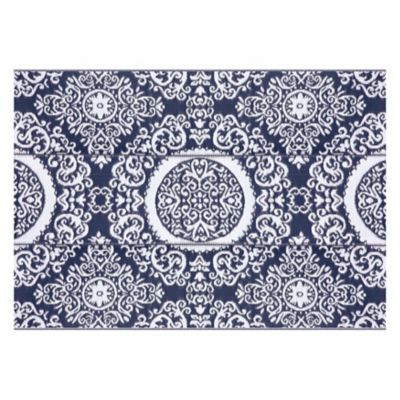
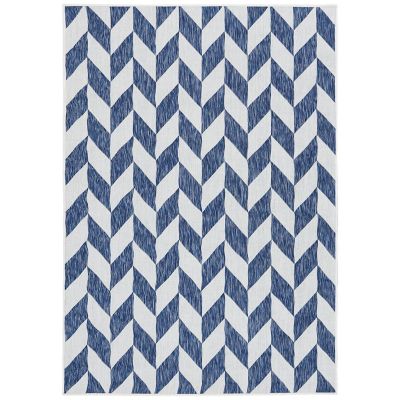
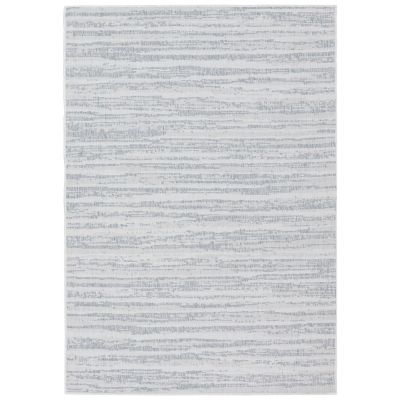
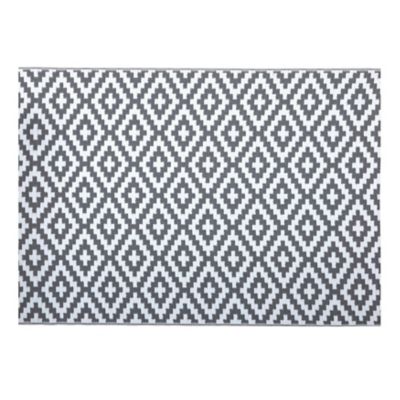
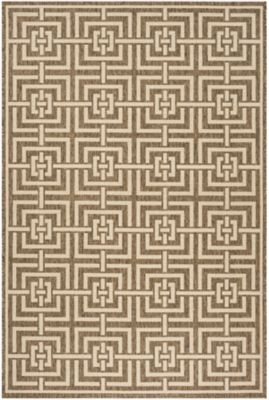
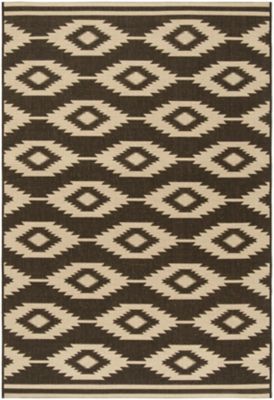
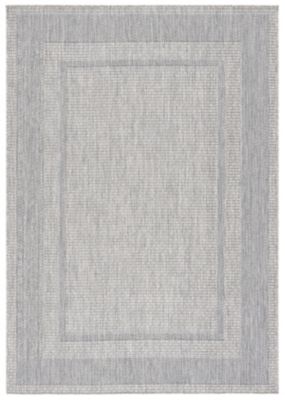
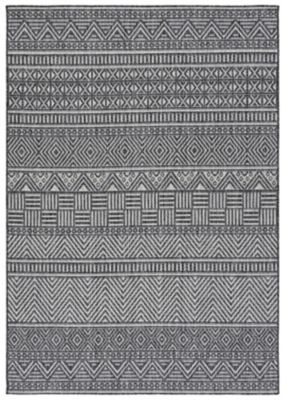
Color, pattern and shape help an outdoor rug fit the house rather than compete with it. A simple stripe can bring some order to a deck with mixed chairs and a well-loved table, while a small repeating pattern can make stray crumbs and tracked-in dust less noticeable between cleanings. Solid colors give busy railings, patterned cushions or a knotty wood table a quieter backdrop. Earth tones sit comfortably beside wood boards and garden beds, and deeper blues or greens can add color without taking over the whole space. A round rug can echo a round table or soften an arrangement full of straight lines, while a long runner works well beside a narrow bench when there is enough room to keep the walking path clear. Rug thickness matters here, too: an edge that clears the door when empty may behave differently once furniture settles into it. Bound edges and closely finished corners are worth a look in areas with steady foot traffic, particularly where pets turn quickly or children move chairs around. Furniture feet should rest steadily rather than wobble across thick ridges, and a rug should stay clear of stair edges. Grills, fire pits and other heat sources need their own clearances and any protection specified by their manufacturers; an ordinary outdoor rug is not a substitute for a heat-rated protective surface. For homes with more than one gathering space,
Outdoor Rugs For Porches offers another place to consider a coordinating look without making every area match exactly. A shared color or similar weave can connect a porch and deck while letting each space have its own feel. For a housewarming gift, knowing the deck measurements, furniture layout and care preferences helps a rug feel thoughtful rather than leave the recipient with something that does not fit. Whether the deck hosts family meals or a quiet seat after chores, the best match feels comfortable underfoot, works with the furniture and leaves everyday movement easy.