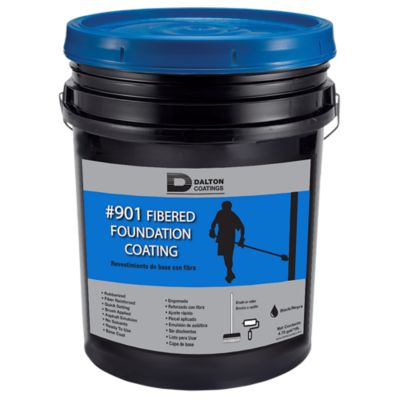
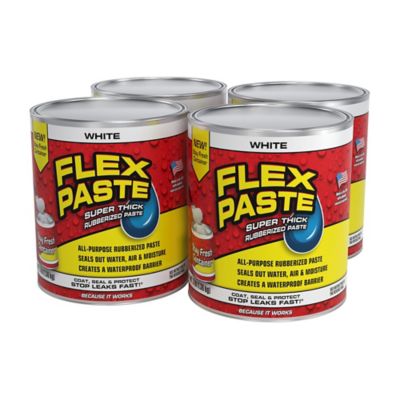
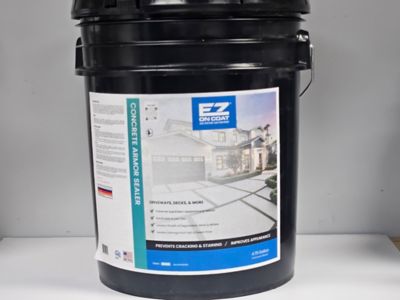
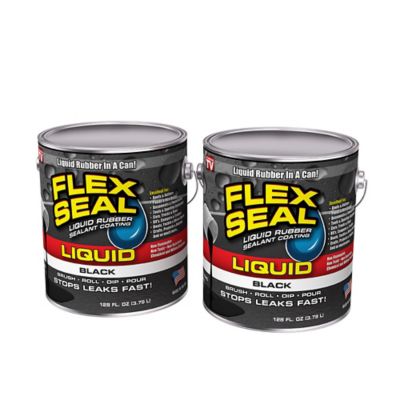
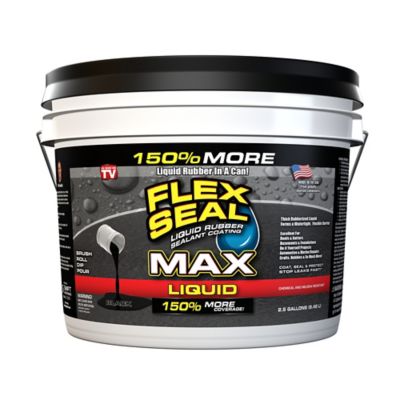
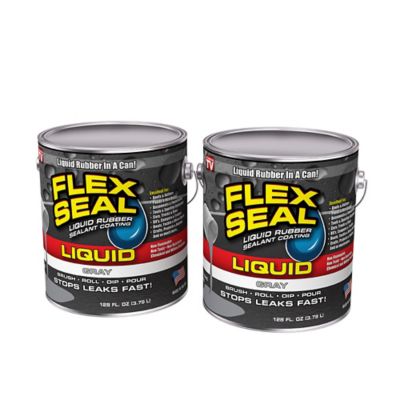
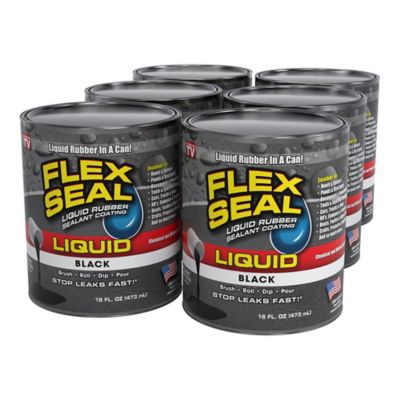
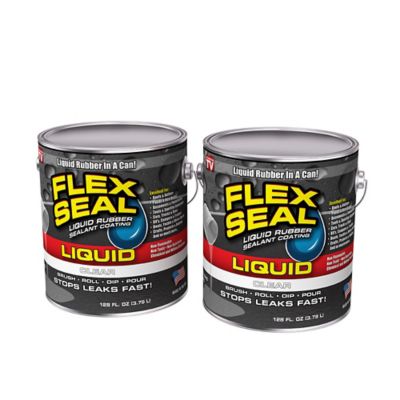
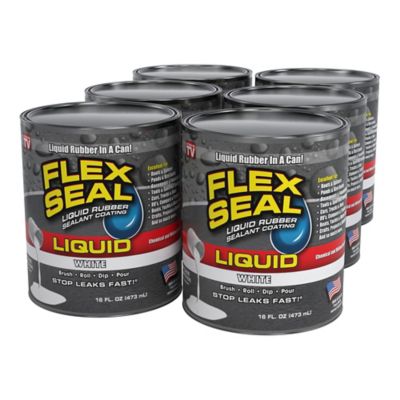
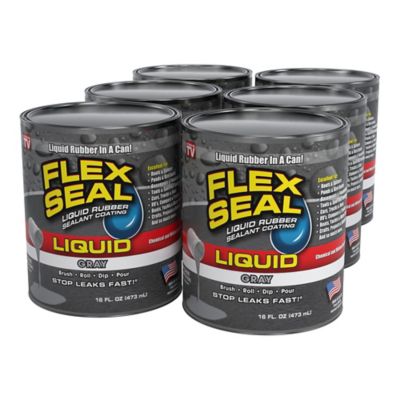
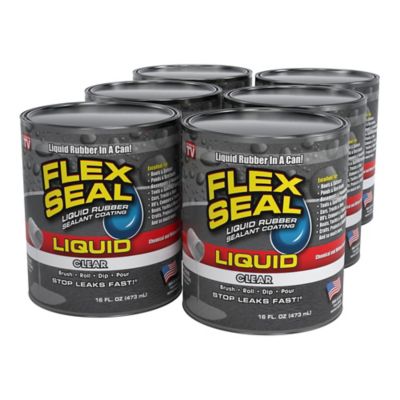
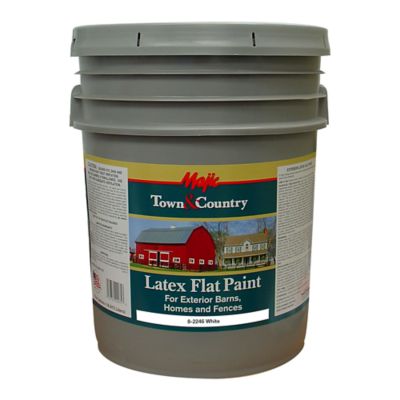
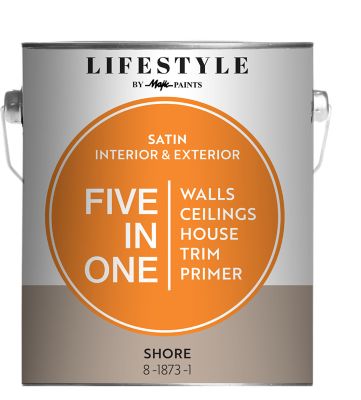
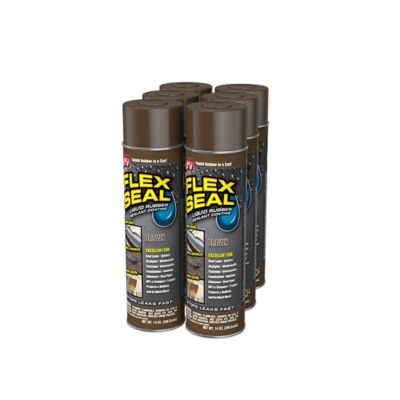
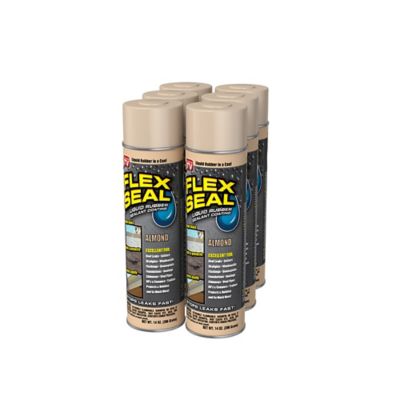
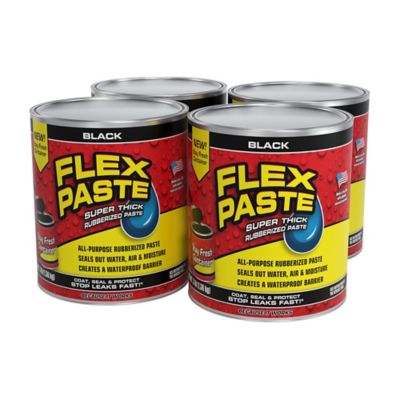
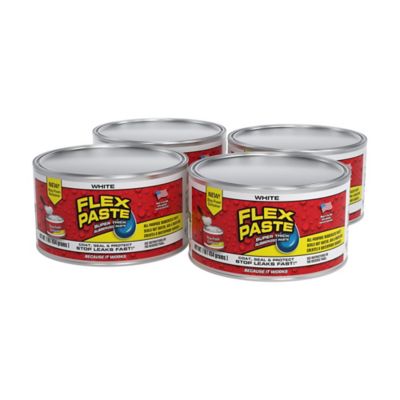
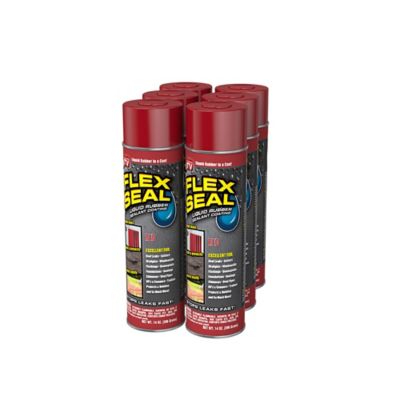
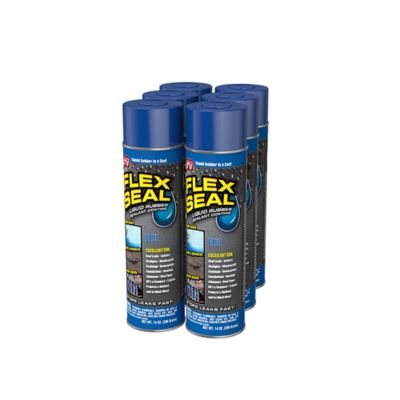
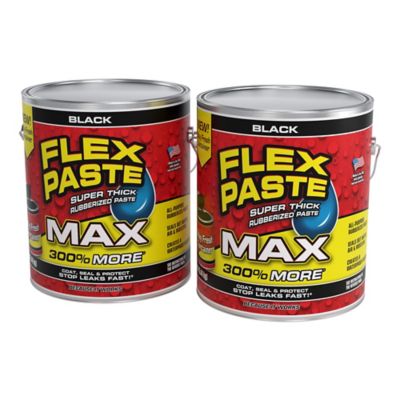
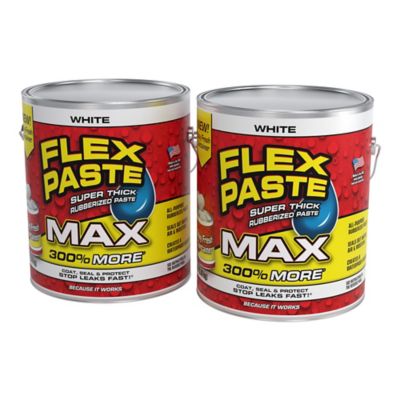
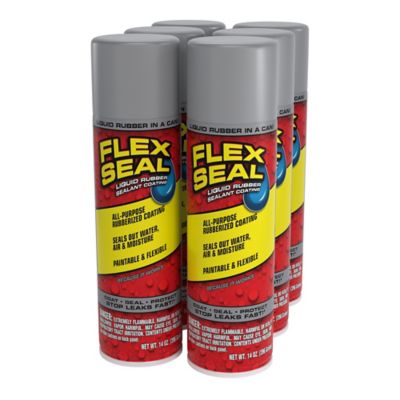
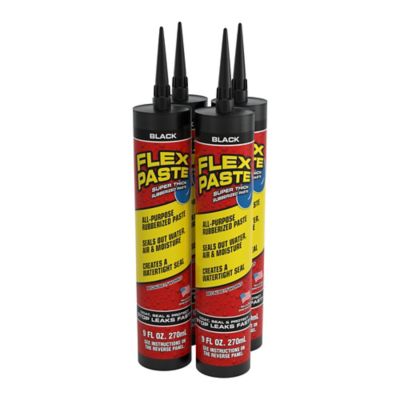
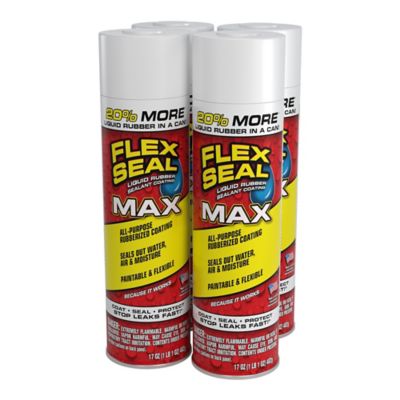
When it comes to protecting your home, barn, or outbuilding from water damage, exterior foundation coatings are a must-have for anyone living where the weather can turn on a dime. Whether you’re a homeowner, a farmer with a few outbuildings to keep dry, or someone fixing up an old place out in the country, these coatings help keep the elements where they belong—outside. Folks who’ve seen a wet basement after a hard rain know just how important it is to seal up those below-grade walls. Exterior foundation coatings work by creating a barrier on the outside of your foundation, keeping moisture from seeping through concrete or masonry and stopping that slow, sneaky vapor wicking that can lead to musty smells or even structural issues over time. You’ll find a range of options, from thick, tar-like asphalt emulsions that are great for basic dampproofing, to flexible liquid rubber coatings that stretch and move with your foundation to bridge small cracks. There are also clear, deep-penetrating sealers that get down into the pores of concrete without changing how it looks, plus peel-and-stick membranes for heavy-duty waterproofing where you need extra protection.
Choosing the right exterior foundation coating depends on your project and the kind of weather you’re up against. If you’re working on a new build, it’s smart to let the concrete cure for a good month before putting anything on it. For older homes, a little prep goes a long way—scraping off dirt, loose mortar, and debris, and patching up any big cracks with hydraulic cement or a flexible patching compound. Pay extra attention to the seam where the wall meets the footing, as that’s where water likes to sneak in. Some folks like to pair their coatings with drainage solutions, such as dimple boards or perimeter French drains, to really keep things dry when the rain falls or the snow melts. These coatings aren’t just for the pros, either. If you’ve got a handy person in your life—maybe a parent, grandparent, or neighbor who’s always fixing up their place—these products make a practical gift, especially as folks get ready for wetter seasons or want to tackle some late-summer or fall projects before the ground freezes. Whether you’re sealing up a farmhouse, protecting a workshop, or just making sure your crawl space stays dry, exterior foundation coatings are a smart investment that can save a heap of trouble down the line. For more tips and a broader look at keeping your foundation dry and solid, check out our
Foundation Waterproofing Solutions page.
No matter if you’re patching up after a long, wet spring or getting ready for the cooler, damper days ahead, using the right exterior foundation coating can make all the difference. Imagine stepping into your basement or root cellar after a storm and finding it bone dry, or knowing that the livestock feed and tools you keep in your outbuildings are safe from moisture damage. Taking the time to apply a quality coating now can help you avoid headaches like mold, mildew, or even structural decay later on. And if you’re the type who likes to do things yourself, there’s a real sense of satisfaction in rolling on that first coat, knowing you’re adding another layer of protection to your place. With a little elbow grease and the right products, you can keep your foundation—and everything it supports—in good shape for years to come.