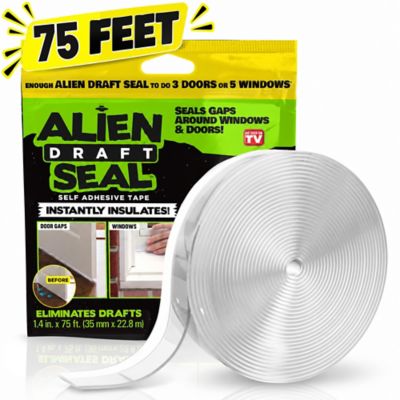
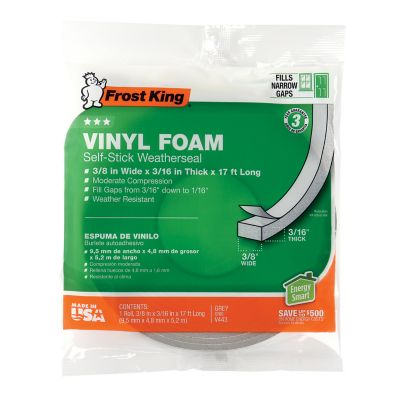
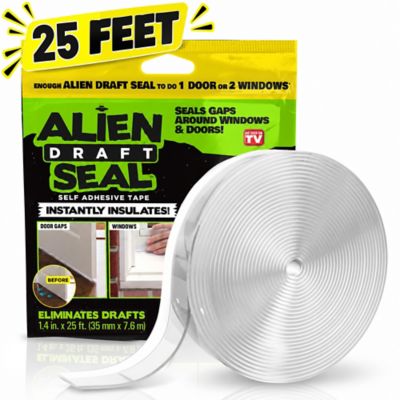
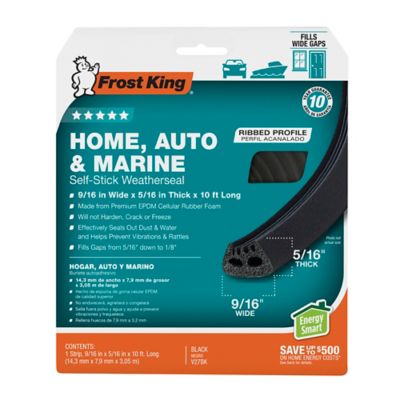
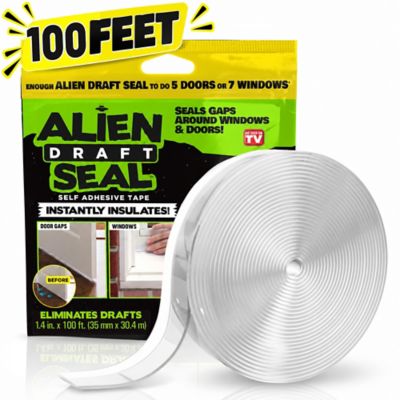
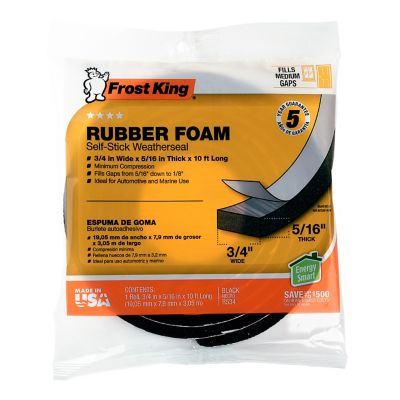
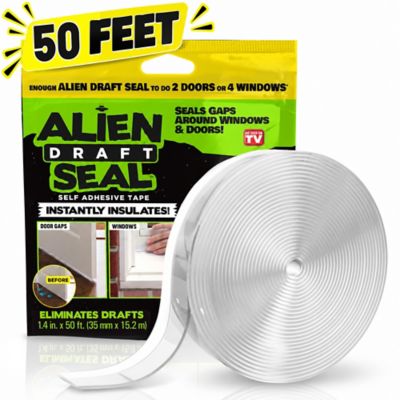
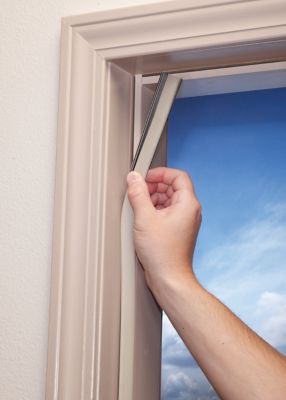
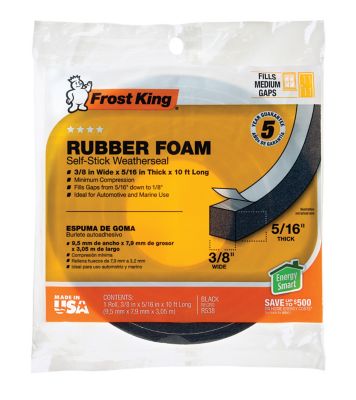
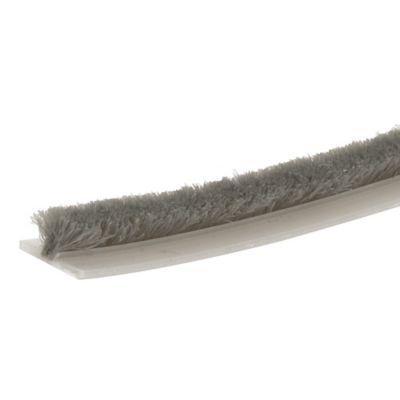
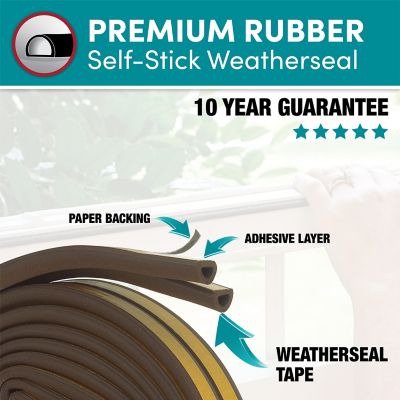
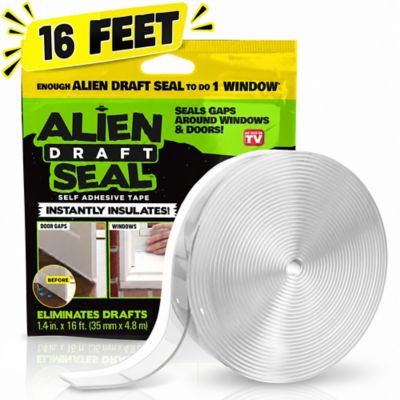
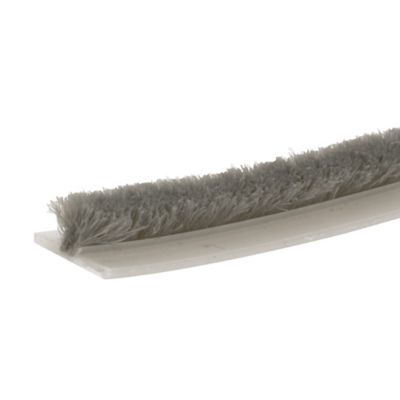
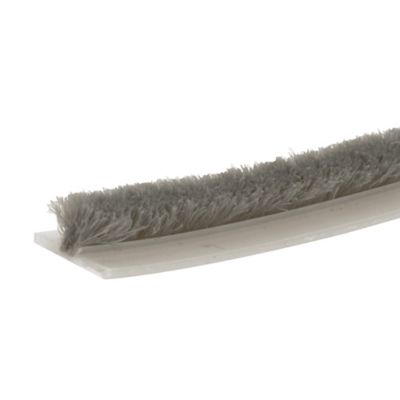
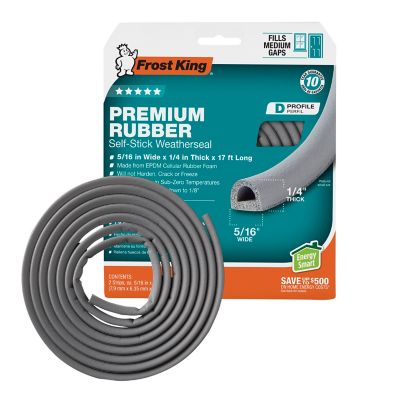
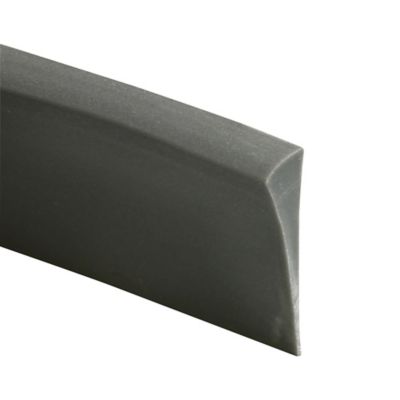
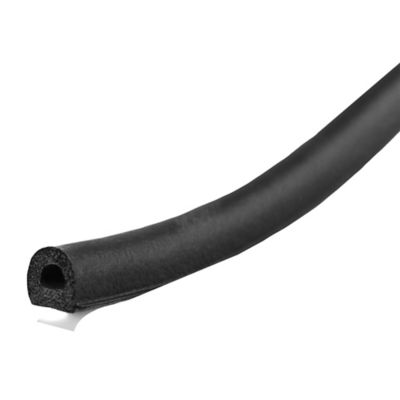
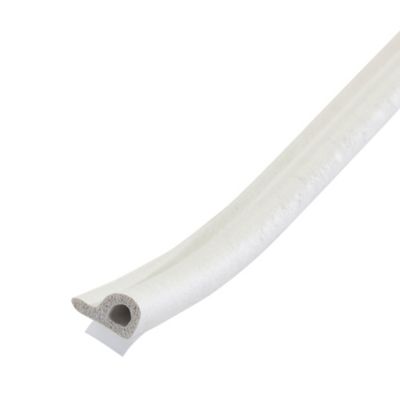
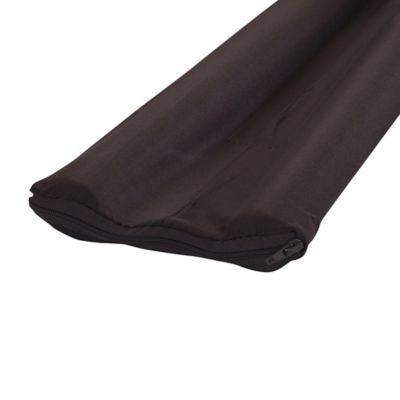
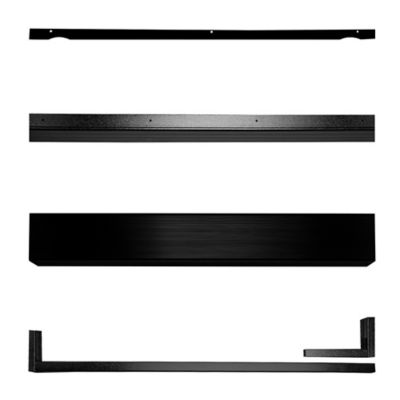
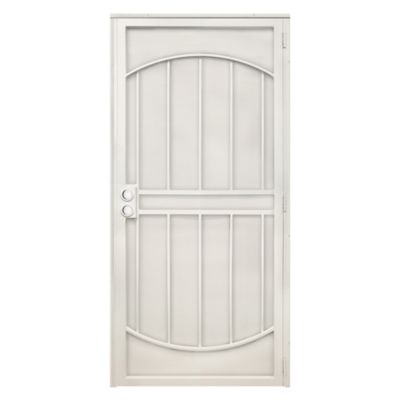
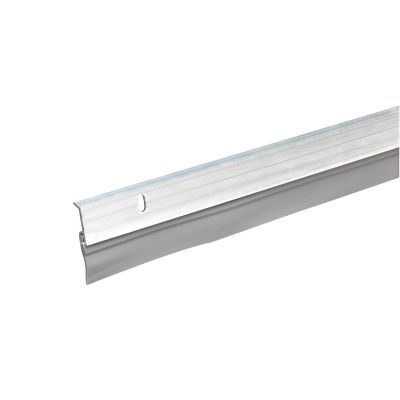
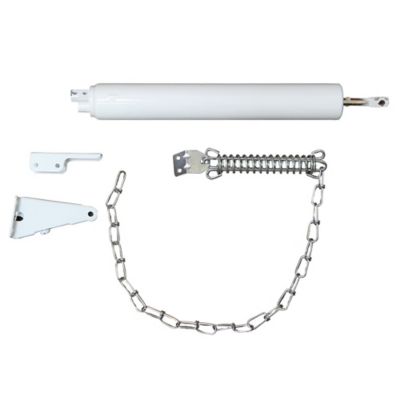
Exterior door top and side weatherstripping helps close the gaps between an entry door and its frame, giving moving air less room to slip into the house, shop or other enclosed space. Those narrow openings can be easy to overlook until a breeze reaches the hallway or dust collects along the inside edge of the door. A well-fitting seal follows the two upright sides and the top of the opening, meeting the door when it closes without making the handle a chore to turn. For homeowners, property managers and folks looking after a farmhouse or workshop, that makes weatherstripping a practical part of keeping an entryway comfortable and tidy. The right fit depends on more than the height and width of the door. The space between the door and frame, the shape of the existing seal and the way the door swings all matter. A narrow gap calls for a different profile than a wider opening, and a gap that changes from top to bottom may point to loose hinges or a frame that needs attention. Weatherstripping can help seal small clearances, but it cannot straighten a sagging door or repair damaged wood. On an entry that gets steady traffic from muddy boots, grocery bags and trips to the feed shed, the seal also needs to let the door close and latch without a hard shove. Too little contact leaves openings; too much pressure can make the door drag or keep the latch from catching. Top and side seals work with the rest of the doorway rather than replacing it. The bottom edge has its own sealing needs, and the meeting points at the corners deserve attention because a break there can leave a path for drafts. Keeping those details in mind makes it easier to match exterior door weatherstripping to the opening rather than simply choosing the thickest strip.
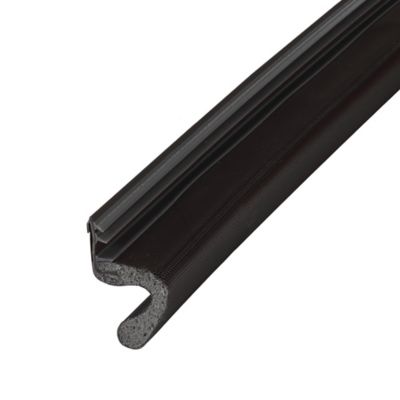
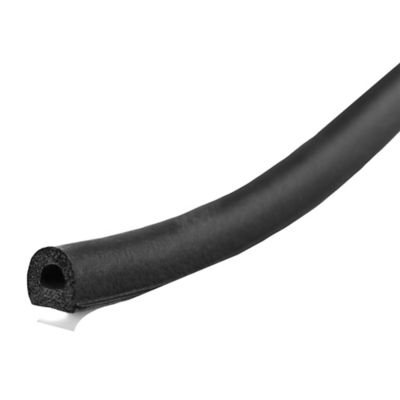
Materials and construction affect how a seal feels against the door, how it attaches and how it holds up through repeated opening and closing. Flexible rubber, silicone, vinyl and foam each bring different characteristics to the job. Compressible profiles can take up small variations in a gap, while hollow bulb shapes flatten against the door to form contact along the frame. Closed-cell foam limits moisture absorption compared with open-cell foam, though the adhesive backing, surface condition and exposure still influence how well an installation lasts. Rubber compounds such as EPDM are often suited to outdoor exposure, while silicone can maintain flexibility across a broad temperature range. Vinyl performance varies with its formulation, so the stated application and temperature limits matter more than appearance alone. Some seals pair a flexible contact edge with a rigid carrier that helps keep the strip aligned along the jamb. Others fit into a narrow groove, often called a kerf, already built into the frame. That distinction is especially important when replacing an existing seal: a groove-mounted profile needs the right stem shape and size, not just a similar-looking bulb. Adhesive-backed weatherstripping depends on a clean, dry surface and a compatible finish, while mechanically attached styles need sound material beneath their fasteners. For a painted wooden frame, a metal entry or a fiberglass door assembly, the mounting surface can narrow the choices considerably. Length matters, too, since continuous coverage along each side and across the top helps avoid unnecessary breaks. Profile measurements should account for the space the seal occupies when the door is shut, not only its shape before compression. A broad strip may cover more of the frame without sealing better, and a stiff edge may resist closing if the clearance is tight. Matching the material, mounting method and compression range to the actual doorway gives the seal a better chance of staying seated and doing its job through everyday use.
Care and exposure play a big part in how long exterior door top and side weatherstripping remains effective. An entry beneath a deep porch roof faces different conditions than a shop door that takes wind-driven rain across the jamb. Sunlight, moisture, grit and repeated rubbing can gradually change a seal’s flexibility or wear its contact edge. A door beside a gravel drive may collect fine dust in the folds, while an entrance near a muddy yard may need more frequent wiping around the lower side sections. Gentle cleaning that follows the material’s care directions helps keep dirt from building up where the door meets the seal. Strong solvents, scraping tools and paint buildup can interfere with that contact or harm some materials and adhesives. Signs of wear include cracks, flattened sections that no longer spring back, loose edges and spots where the seal pulls away from the frame. A strip that looks intact can still leave a gap if the door has shifted, so the condition of the hinges, latch and jamb remains part of the picture. For households with kids coming and going, or a workroom door that opens throughout the day, easy operation matters just as much as a snug seal. Weatherstripping should not interfere with a lock, block necessary drainage paths or cover openings meant for ventilation. A tighter doorway can help limit unwanted air movement, but an outbuilding that requires airflow for equipment or animals needs that ventilation preserved. Broader entryway needs may also involve the threshold, the bottom of the door and nearby windows;
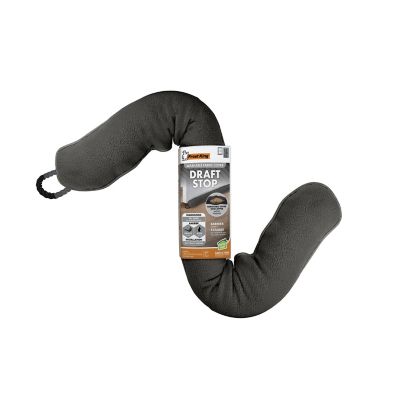
Door and Window Draft Protection brings those related sealing needs into view. For top and side applications, the goal stays straightforward: even contact, secure attachment and a door that shuts the way it should. Whether the opening leads into a busy kitchen, a laundry room off the porch or an enclosed workspace, a properly matched seal helps manage drafts and windblown dust without getting in the way of daily chores.