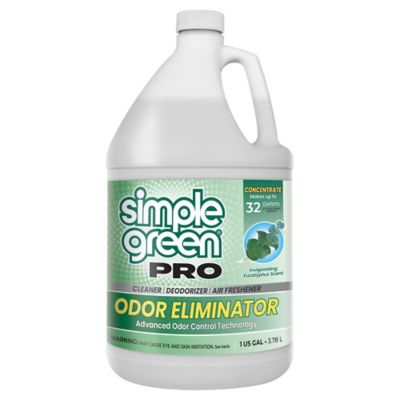
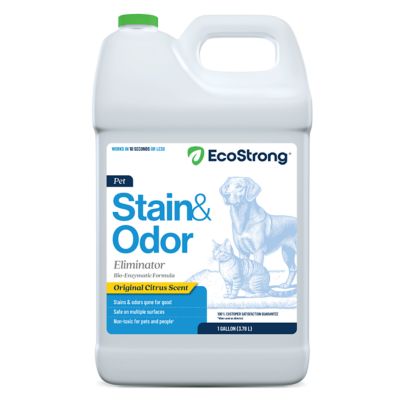
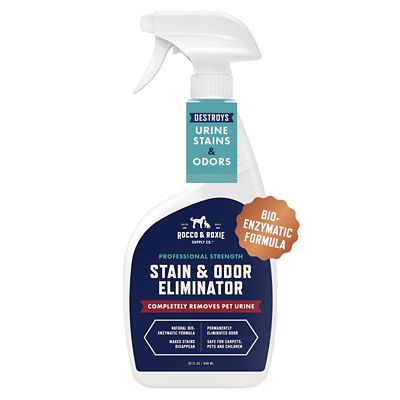
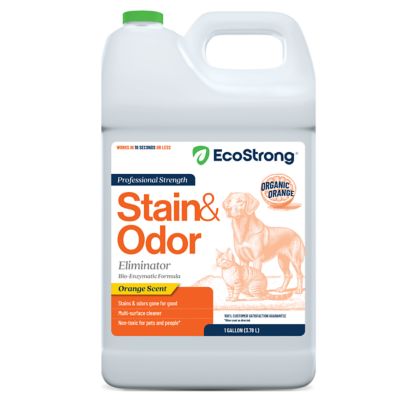
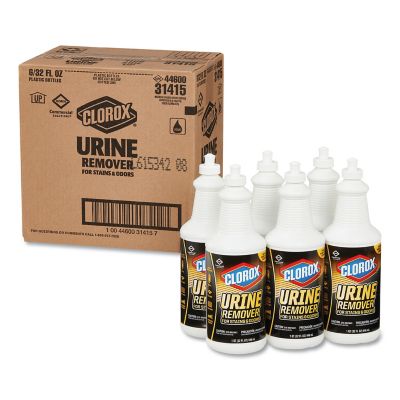
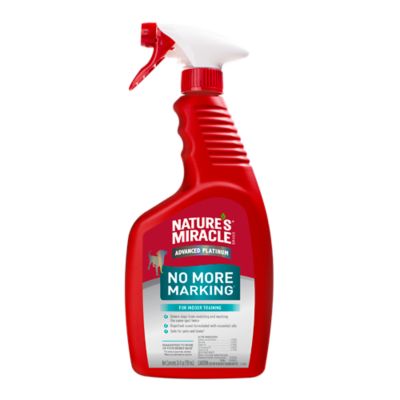
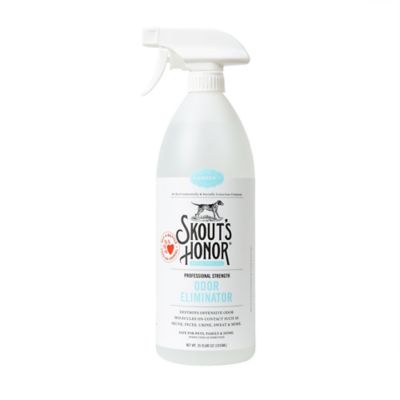
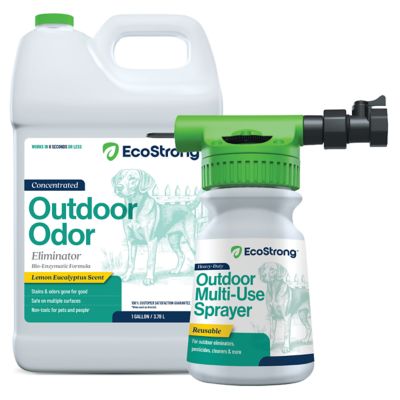
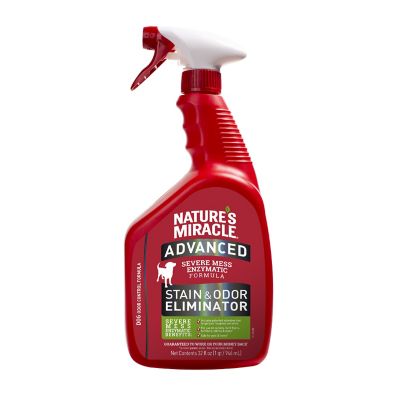
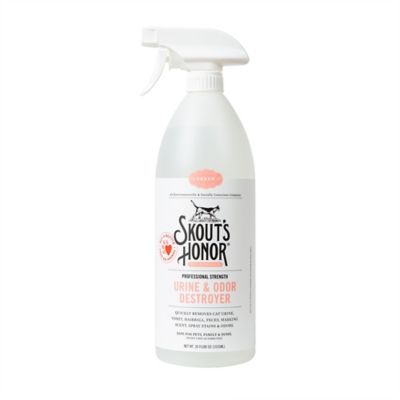
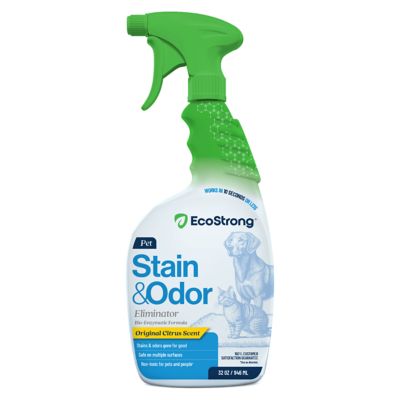
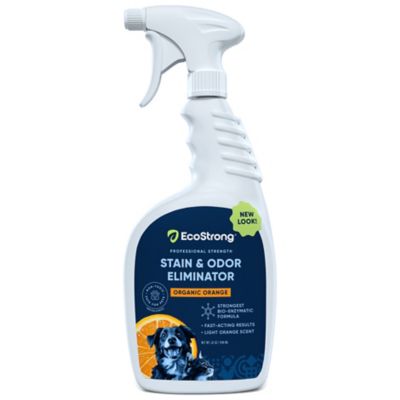
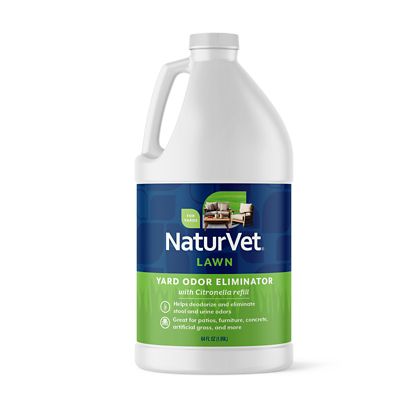
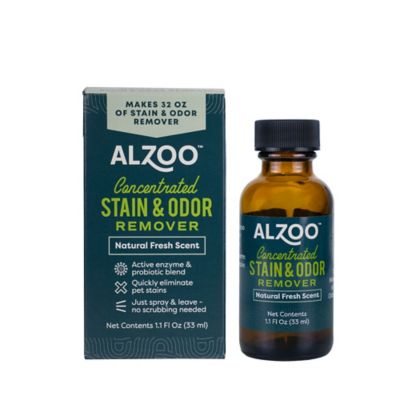
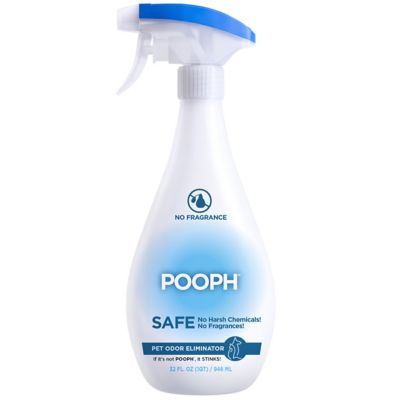
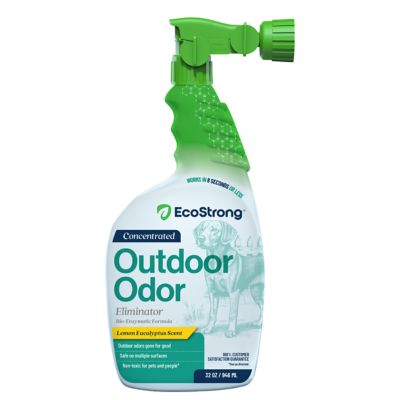
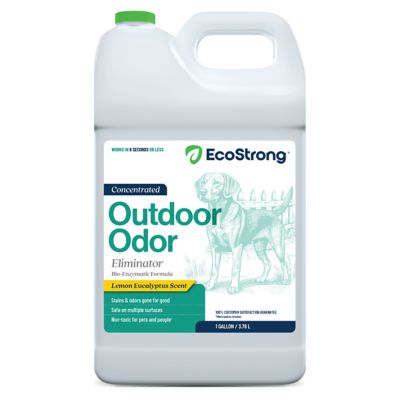
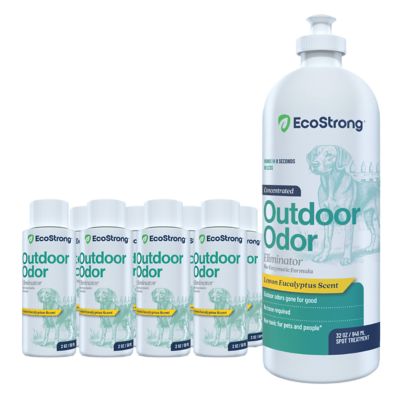
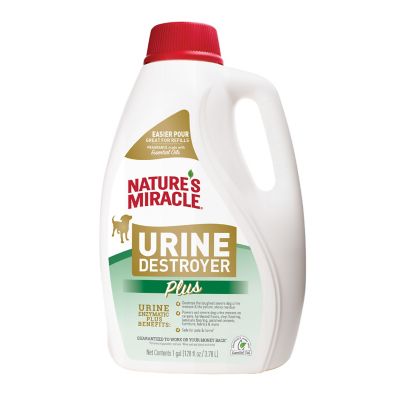
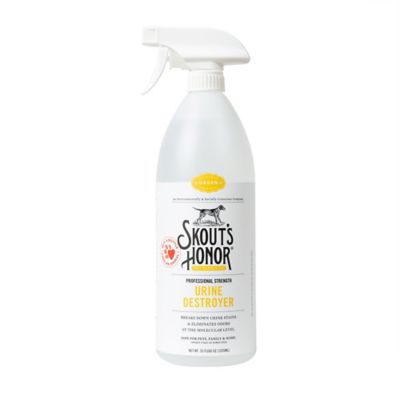
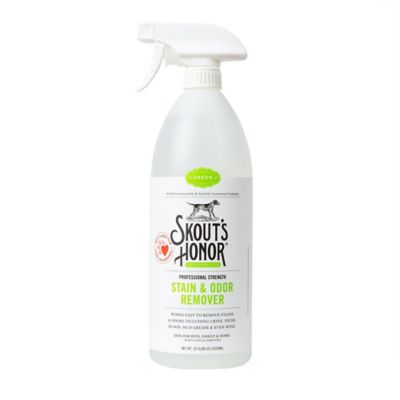
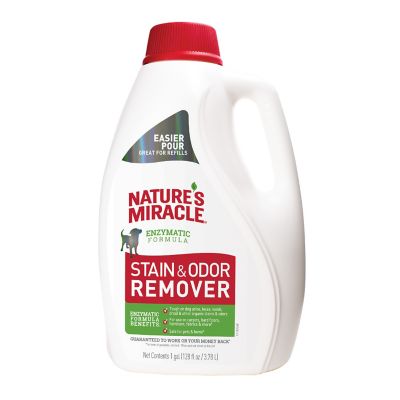
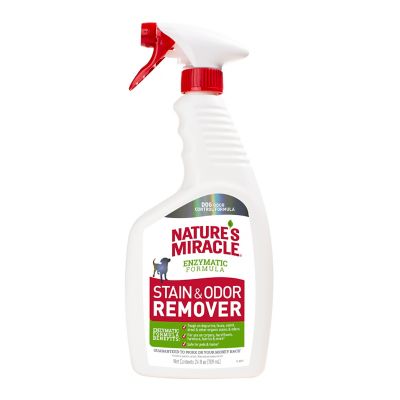
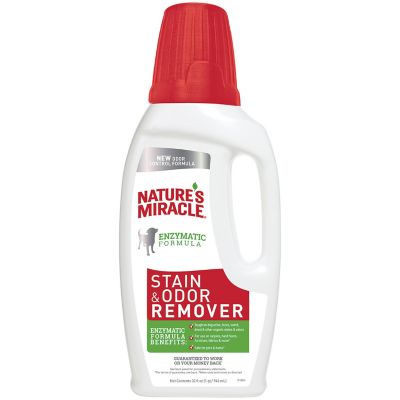
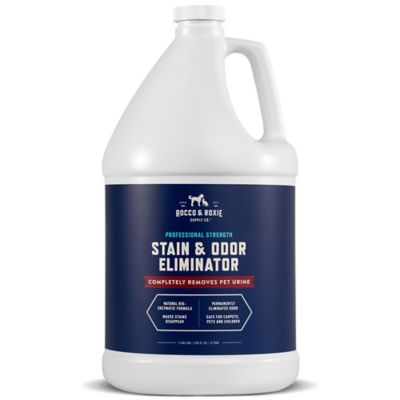
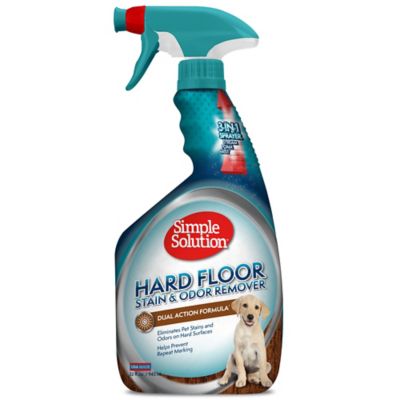
Enzyme cleaners for pet urine are made to do more than cover up a sharp ammonia smell with fragrance. They use specialized enzymes and helpful bio-enzymatic ingredients to break down the proteins and uric acid crystals left behind when urine dries. Those invisible residues can cling to carpet fibers, carpet padding, upholstery, kennel floors, concrete, artificial turf and other surfaces, even after the yellow mark has faded. That is why an area may seem clean at first and then smell again when humidity rises or the room warms up. An enzyme cleaner works at the source by digesting the organic material that causes lingering odor, helping leave the area fresher instead of simply scented. These cleaners can be useful for families with puppies still learning the rules of the house, older dogs that need more frequent bathroom breaks, cats that have missed the litter box, and multi-pet homes where small accidents can add up. They are also handy for foster homes, boarding spaces, barns, mudrooms and travel crates. During the cooler months, pets may spend more time indoors, and wet weather can make it harder to rinse or air out outdoor areas, so keeping an appropriate cleaner on hand can make everyday cleanup less of a chore. When choosing among enzyme cleaners for pet urine, match the formula to the place you need to clean. A carpet-safe formula is generally the right choice for rugs, carpet and fabric, while a product labeled for hard, nonporous surfaces may be better suited to sealed flooring, concrete runs, patios or kennel areas. Yard and artificial turf cleaners are often packaged in larger quantities for treating broad outdoor spaces. Check the label for compatible surfaces, coverage area, scent preferences and whether the formula is intended for fresh accidents, old stains or both. Households with puppies, kittens or senior pets may appreciate having a bottle stored near the laundry room, back door or litter area, and these cleaners can make a practical addition to a new-pet care basket along with towels, waste bags and other everyday supplies. For more options that focus on fabric and rug cleanup, browse
Pet Stain Removers for Carpet.
For best results, start by removing any solid material and blotting up fresh urine with a clean, absorbent towel. Press down rather than rubbing, since scrubbing can push liquid farther into carpet fibers or spread it across upholstery. Apply enough enzyme cleaner to reach the full depth of the accident. If urine soaked through the carpet, the pad or even the subfloor may need attention; treating only the visible top may leave behind the odor that keeps drawing a pet back to the same spot. Older stains may take more than one application, especially if they have been covered by other cleaners or have had time to dry deep inside the material. Follow the product directions for how much to use and how long to keep the area wet. Many enzyme cleaners need a dwell time of about 10 to 30 minutes so the active ingredients can work, while deeply set odors may benefit from a longer treatment when the label allows it. Afterward, blot away excess moisture and let the area air-dry naturally. Good airflow from an open door, fan or circulating room air can help, but keep pets away until the surface is dry and the cleaner’s directions say it is safe. Avoid steam cleaning or applying hot water before using an enzyme formula, since heat can set some stains and make odor removal more difficult. Do not mix enzyme cleaners with bleach, ammonia, disinfectants or other chemicals unless the label specifically says they are compatible. A small test spot in a hidden area is a smart step for colored carpet, finished wood, upholstery and other materials that may react to moisture or cleaning ingredients. If the accident is on hardwood, laminate or painted flooring, wipe up liquid promptly and use only a lightly damp application when the care instructions call for it. Wood and other porous materials may absorb urine below the surface, and severe or repeated damage can require help from a flooring professional.
The right enzyme cleaner can be especially helpful when a pet has a recurring accident spot, since removing the odor trail may discourage repeat marking. Look for complete coverage rather than the smallest bottle if you are caring for several animals, cleaning large kennel areas or treating a carpet pad. A trigger spray is convenient for quick cleanup around the house, while a larger container may be more practical for refilling a sprayer or handling outdoor runs and turf. Consider storage, too: keep cleaners tightly closed in a cool, dry place, away from feed, food, children and animals. Read the label before applying any product around fish tanks, plants, fabric treatments, sealants or delicate finishes. For a fresh spot on a small rug, quick blotting and a thorough enzyme application may be all that is needed. For a well-worn corner beside the sofa that has been marked more than once, plan on treating the carpet, pad and nearby baseboard as needed, then allowing plenty of drying time. In barns, garages and entryways, enzyme cleaners can help manage the earthy mix of mud, fur and pet accidents that tends to collect when animals move between the house and outdoors. They are useful for everyday cleanup, preparing a space for a newly adopted pet and freshening crates or carriers after travel. With the right surface-specific formula and enough time to work, enzyme cleaners for pet urine offer a practical way to handle stains and odors while keeping the home, kennel or outdoor pet area more comfortable for people and animals alike.