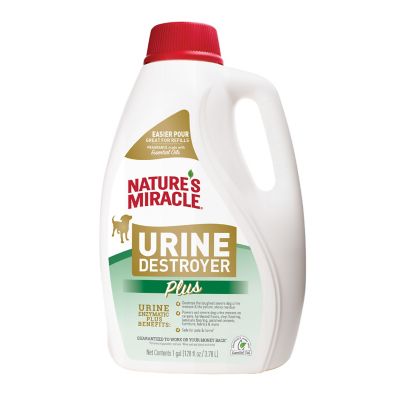
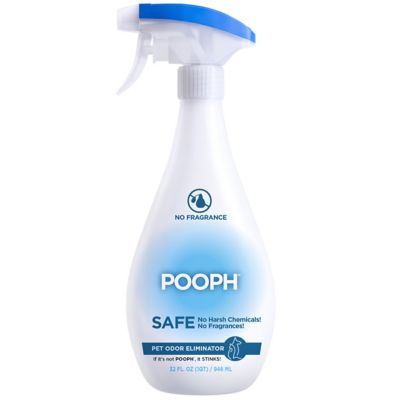
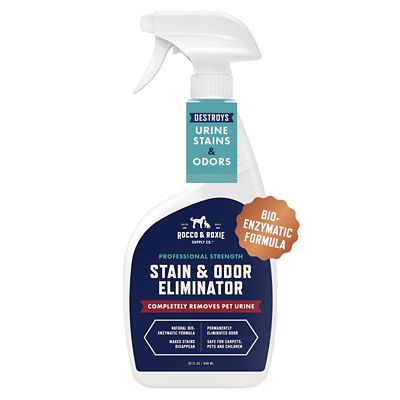
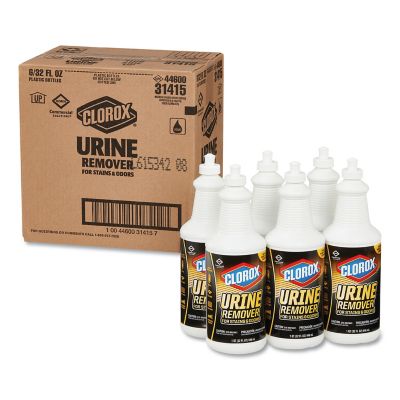
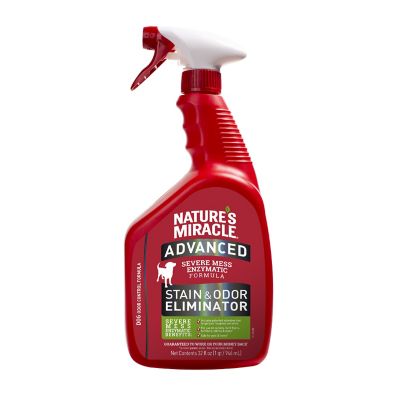
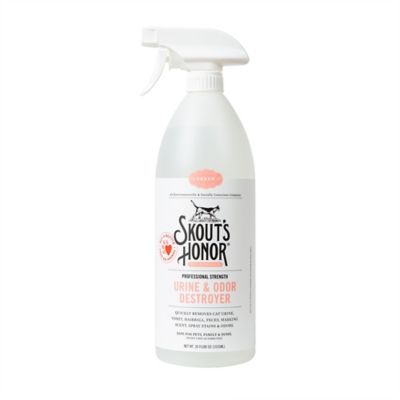
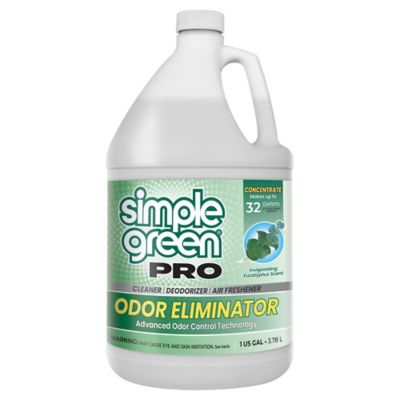
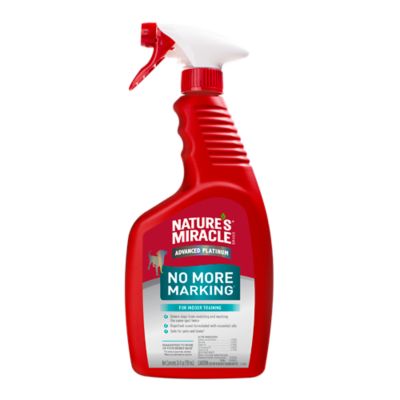
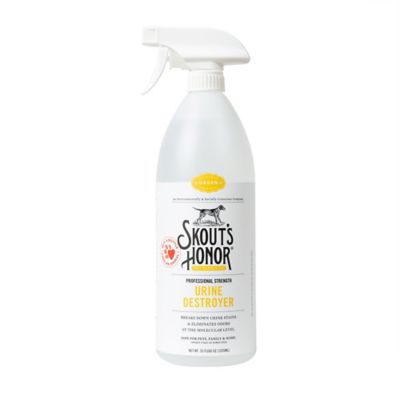
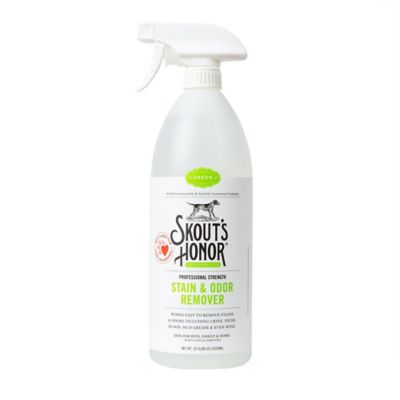
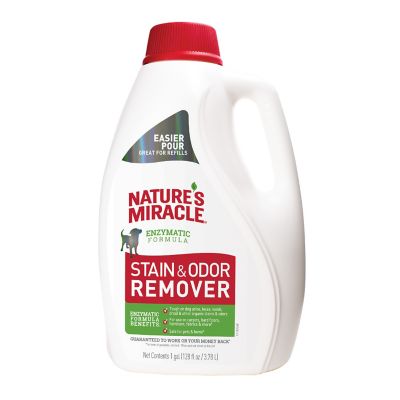
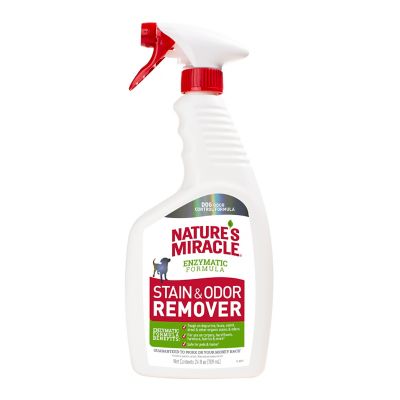
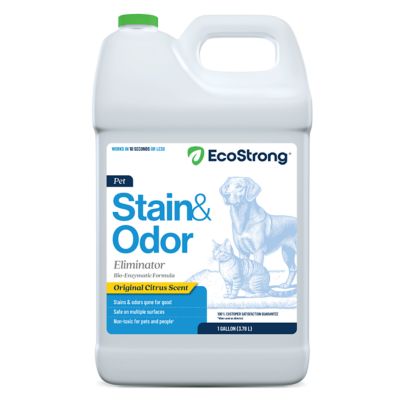
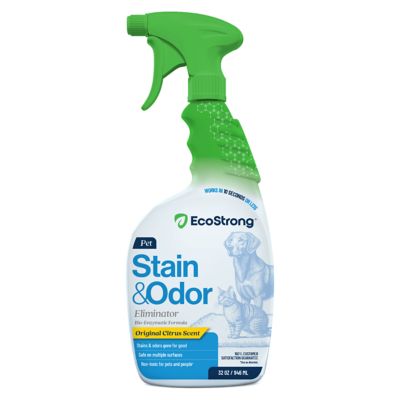
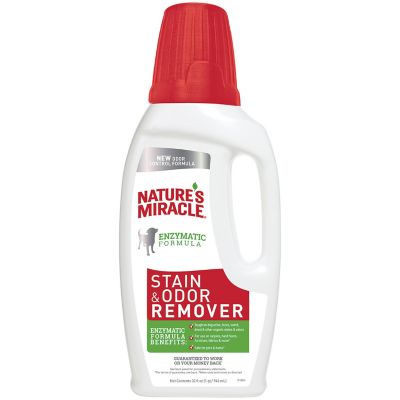
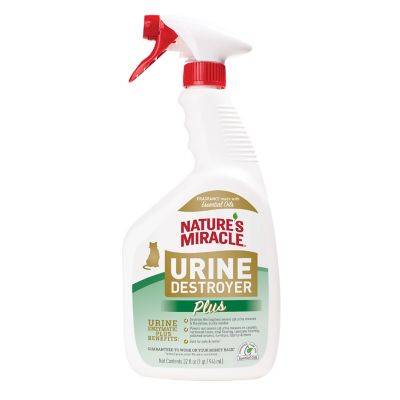
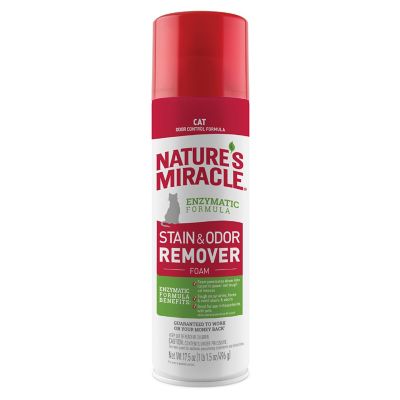
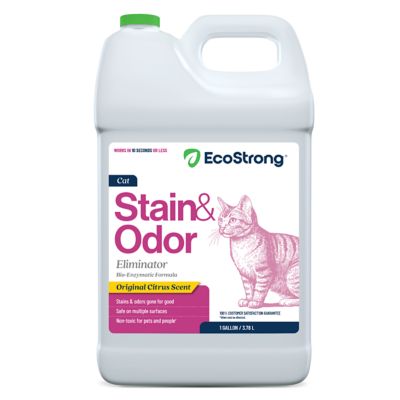
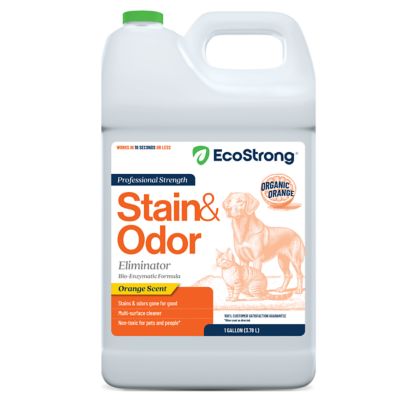
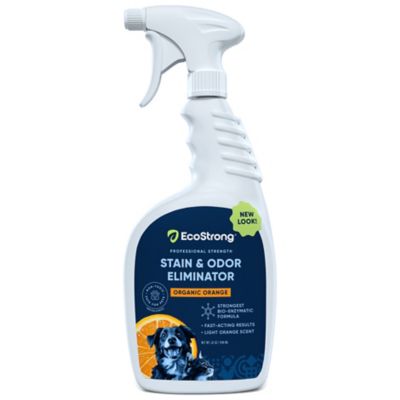
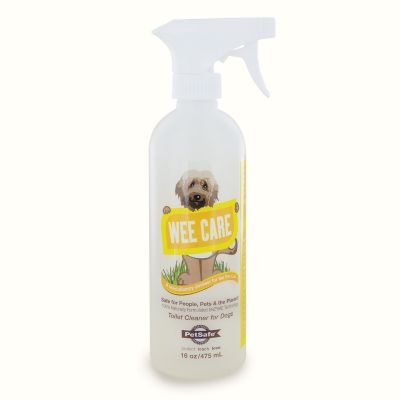
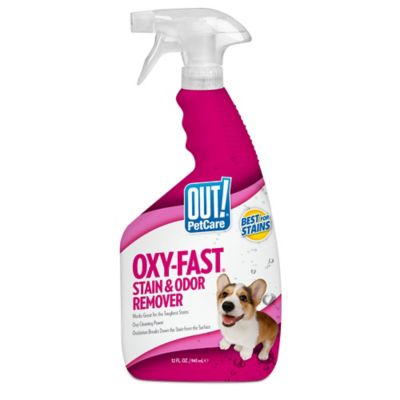
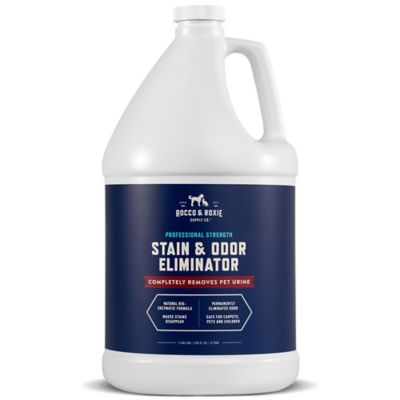
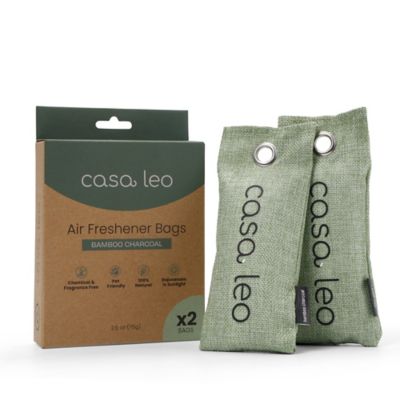
Pet stain removers for carpet help handle the everyday messes that come with sharing a home with dogs, cats, puppies, kittens and other four-legged companions. From a damp spot by the back door to a larger accident on the living room rug, the right cleaner can lift the visible stain while helping tackle the odor that may linger underneath. Enzymatic formulas are often a strong choice for pet urine, feces and vomit because they work on organic residue rather than simply covering it with fragrance. As the enzymes break down the source of the mess, they can help keep pets from returning to the same area. For more information about this type of cleaner, browse
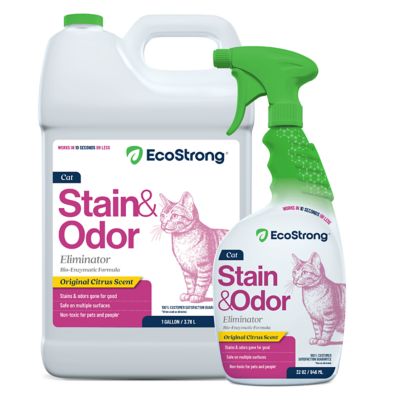
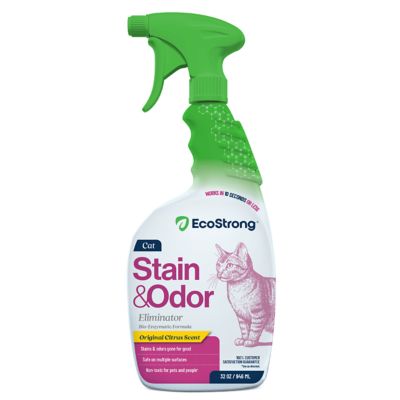
Enzyme Cleaners for Pet Urine Stains. Oxygen-activated and other non-enzymatic carpet cleaners may also be useful for lifting tracked-in dirt, muddy paw prints, food spills and older spots that are not biological in nature. When choosing a pet stain remover, consider the kind of mess you are cleaning, how long it has been there, the carpet fiber and color, and whether you need a ready-to-use spray or a larger container for regular cleanup. A spray bottle is handy for quick jobs near kennels, litter boxes and favorite sleeping spots, while a larger size can make sense for homes with several pets, young animals still learning house rules or an active dog that comes in from the barn covered in dust and wet grass. Look for clear directions about carpet compatibility, contact time and whether the formula is intended for upholstery, rugs or hard floors as well. If you are putting together a practical gift for someone bringing home a new puppy or kitten, a pet stain remover paired with paper towels, washable blankets and a sturdy pet bed can be a thoughtful addition to a housewarming or new-pet package. It is the sort of useful item that often earns its keep before the first bag of food is empty.
For the best chance of getting a fresh carpet stain out, start by picking up solid material and then blotting the area with a clean, dry towel. Press down firmly to draw up moisture, working from the outside of the spot toward the center, and avoid rubbing back and forth, which can push the mess deeper into the carpet fibers and spread it across a larger area. Apply the cleaner according to the label, giving it enough time to work; many enzyme or oxygen-based sprays need several minutes of dwell time, often around five to fifteen minutes, though the product directions should always take priority. Blot again with a fresh towel and allow the carpet to dry fully. For a larger urine spot, it may take enough cleaner to reach the padding beneath the carpet, since surface treatment alone may leave odor behind. An ultraviolet light can sometimes help locate older urine marks that are hard to see, especially along baseboards or beneath furniture, but any cleaning solution should first be tested in a hidden area to check for color change or damage. Avoid mixing pet stain removers with bleach, ammonia or other household chemicals, and keep pets away from the treated area until it is dry and the label says it is safe. Heat deserves extra care, too: steam cleaning or hot water on urine can set proteins and odor into carpet backing, making the problem tougher to solve. Cool or room-temperature treatment and thorough blotting are generally the safer approach for an accident. During the cooler months, pets may spend more time indoors, muddy boots and wet coats may add to the traffic near entryways, and closed windows can make lingering smells more noticeable, so keeping a dependable cleaner close to the laundry room, mudroom or pet area can save a lot of frustration. For older or deeply soaked stains, repeated treatment, a carpet extractor approved for the product or help from a professional cleaner may be needed. Choosing a formula made for the mess at hand and following the label closely can help keep carpets fresher while making room for the muddy paws, long naps and happy chaos that come with life alongside pets.