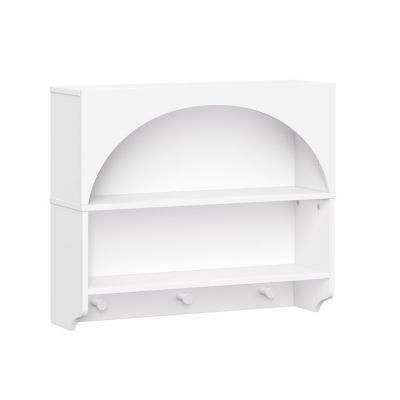
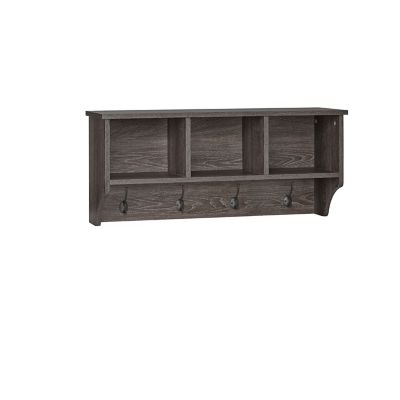
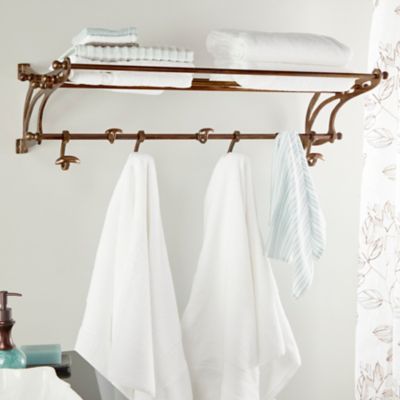
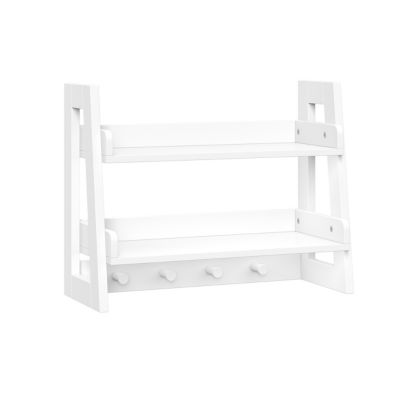
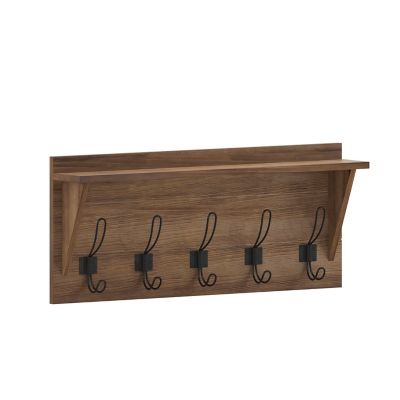
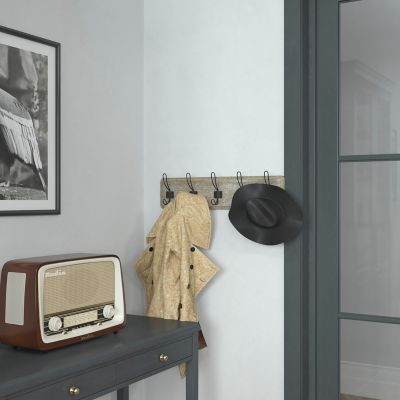
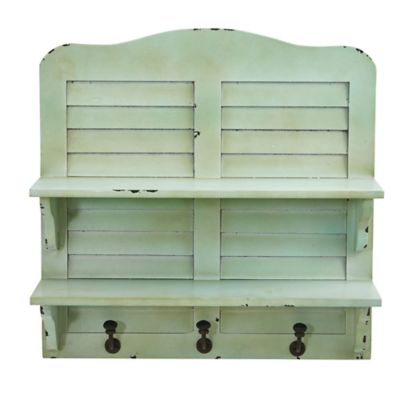
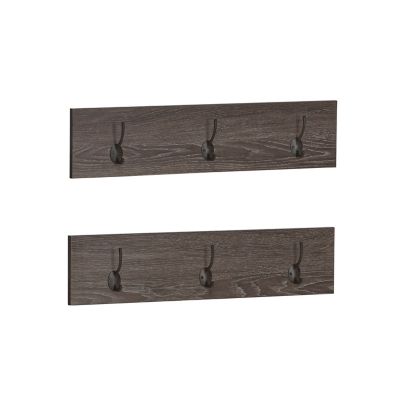
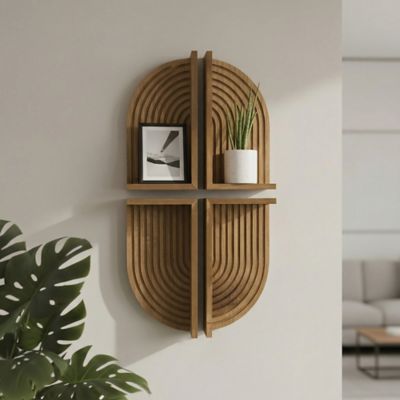
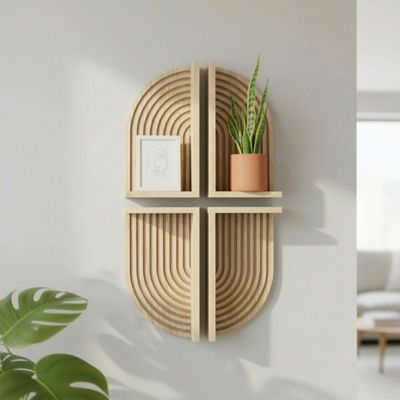
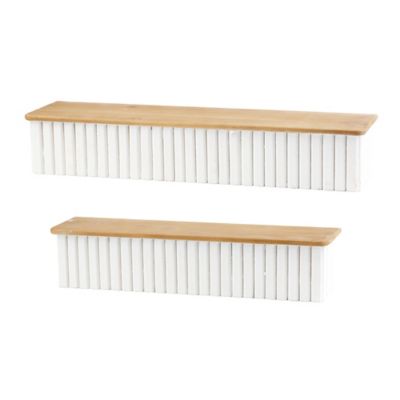
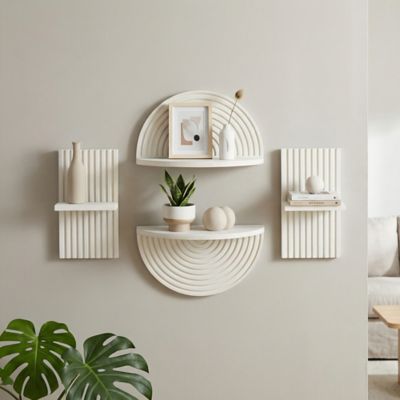
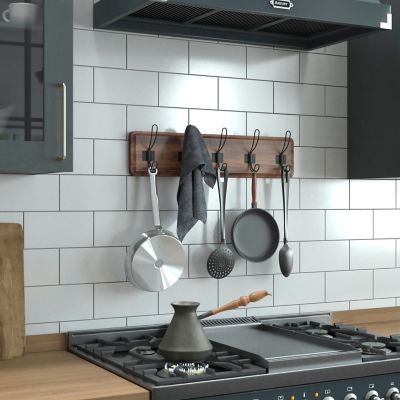
Entryway wall shelves with hooks combine a shelf for small belongings with a row of hooks for coats, hats, bags, and keys, helping keep a doorway organized without taking up floor space. That simple combination gives everyday gear a place to land, whether the door opens into a farmhouse mudroom, a narrow hallway, or a small corner beside the kitchen. A cap can hang within reach, a canvas tote can stay off the floor, and a shallow basket on the shelf can hold the little things that otherwise disappear just when it’s time to leave. Unlike a plain shelf, the hooks provide hanging space below the storage surface. Unlike a hook rail alone, the shelf adds room for a catchall tray, a small framed photo, or other belongings that need a flat resting spot. The right proportions depend on more than the width of an empty wall. Shelf depth affects how far the piece reaches into a walkway, while hook projection determines how much clearance hanging belongings need. A door should still swing freely, and a shoulder bag shouldn’t brush everyone walking past. In a busy household, hook spacing matters just as much as hook count. Closely spaced hooks may work well for keys and light hats, while coats and full bags need more room between them. Double hooks can offer separate spots for a jacket and cap, though the space around each hook still affects how easily belongings hang. A shelf near the main entrance can serve the whole household, while a smaller arrangement beside a back door can keep chore jackets and truck keys close to their usual route. For families with children, a reachable hook can make putting away a backpack part of coming home. Adults may prefer a higher placement for longer garments, provided the shelf remains easy to reach. The goal is a comfortable landing spot that suits the people walking through the door, not just the patch of wall above it.
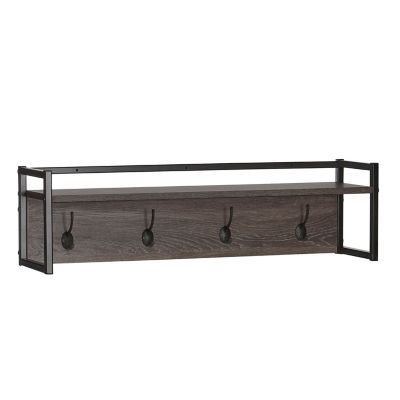
Materials and construction shape both the look of entryway wall shelves with hooks and the way they handle daily traffic. Solid wood brings visible grain and a substantial feel, with variations in color that can sit comfortably beside wood trim, painted paneling, or a bench. Engineered wood can provide a smooth, consistent surface, often with a painted, laminated, or veneered finish; its care needs depend on that outer layer and the construction beneath it. Metal frames, brackets, and hooks lend a simpler, more open appearance, and their finishes can range from light painted tones to dark surfaces that stand out against a pale wall. Mixed wood-and-metal designs bring those elements together without requiring every nearby furnishing to match. Beyond appearance, the connections deserve attention. Hooks should be firmly attached, brackets should support the shelf as intended, and mounting points should match the wall and the manufacturer’s installation directions. A shelf’s stated weight capacity is not a promise that every hook can carry that same amount. Shelf limits, hook limits, and total limits may differ, so the listed specifications matter when deciding where loaded bags or heavier coats belong. The wall itself also plays a part: drywall, masonry, and wood framing call for different fastening methods, and included hardware may not suit every surface. Anchoring into framing where directed, or choosing the specified anchors for the wall material, helps the installation handle its intended load. Hanging weight belongs across the supported area rather than crowded onto one end. Shape matters, too. Rounded pegs offer a broad resting point for fabric loops, while deeper curved hooks can help hold straps in place. A raised shelf edge may help contain a tray or small basket, but shelf depth still needs to suit whatever sits on top. These details make the difference between a shelf that simply fits the wall and one that fits the household’s routine.
Everyday use is where a good entryway setup earns its place. A dog leash on a hook near the door saves a trip through the house, while a small tray above can separate gate keys from spare change. Someone heading out for chores may want a cap and light jacket together; someone leaving for school or work may need separate hooks for a bag and an outer layer. Keeping those groups distinct makes it easier to grab the right belongings without untangling straps. A shelf-and-hook arrangement also works well above a bench, with enough room between the seat and hanging garments for someone to sit comfortably. Leaving space below for footwear helps keep the walking path open, though long bags and coats still need clearance. For entryways that need hanging space more than an upper shelf,
Entryway Coat Racks offer another approach to organizing belongings near the door. Where a shelf is part of the plan, keeping its contents modest makes cleaning easier and leaves room for the things that actually come and go. Dust can collect around hook bases and along the back edge, so a soft cloth and occasional attention to those corners go a long way. Follow the finish’s care directions, wipe spills promptly, and avoid leaving moisture against wood or engineered wood surfaces. Metal parts may need a gentle wipe and thorough drying rather than an abrasive cleaner that could scratch the finish. Periodic checks for loose screws, shifting brackets, or hooks that have started to turn can catch wear before it interrupts the daily routine. For a housewarming gift, this type of wall storage can be a thoughtful choice when the recipient’s wall space, preferred finish, and mounting needs are known. Whether it serves a couple settling into a first home or a family managing several sets of keys and bags, the appeal stays straightforward: fewer belongings underfoot, less searching by the door, and a useful spot for the things that head out and come home every day.