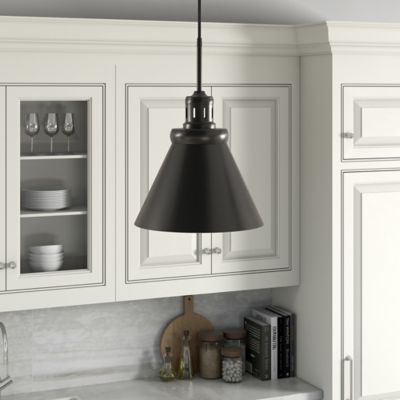
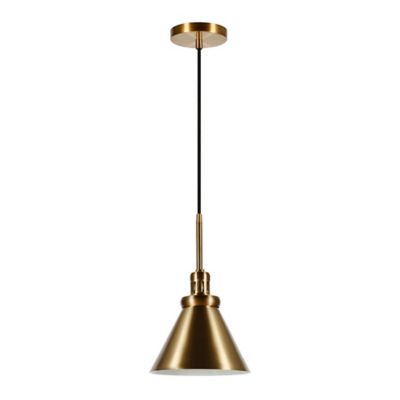
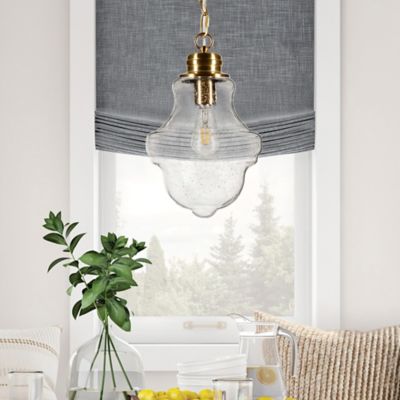
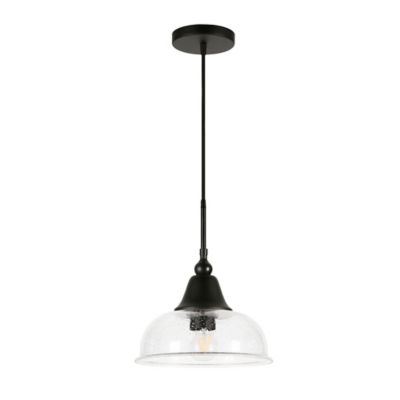
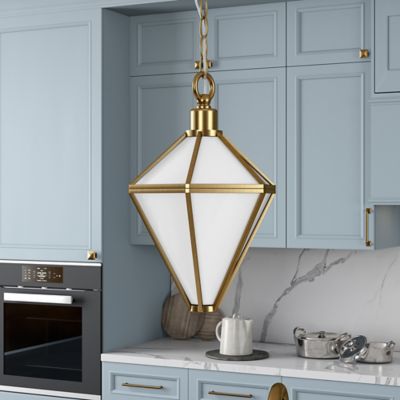
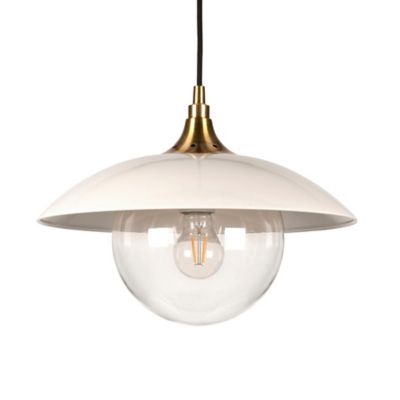
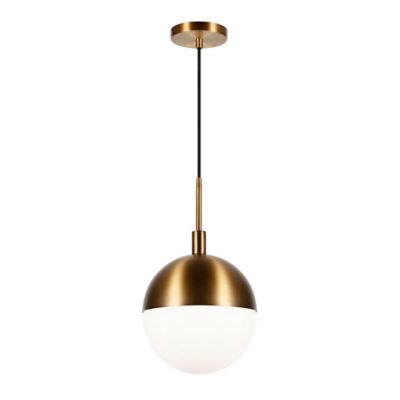
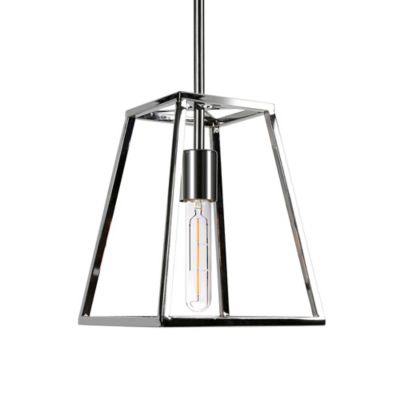
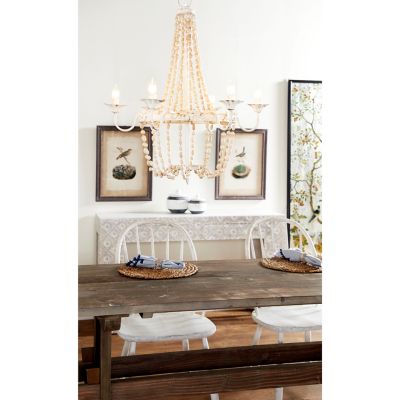
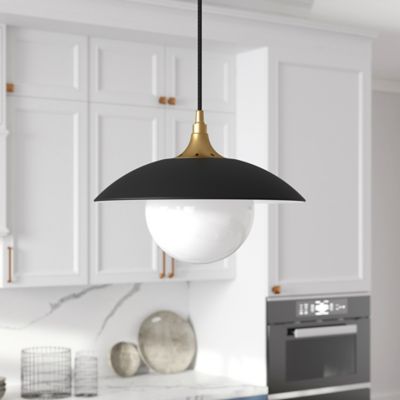
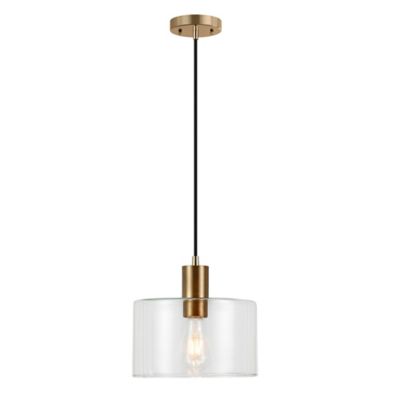
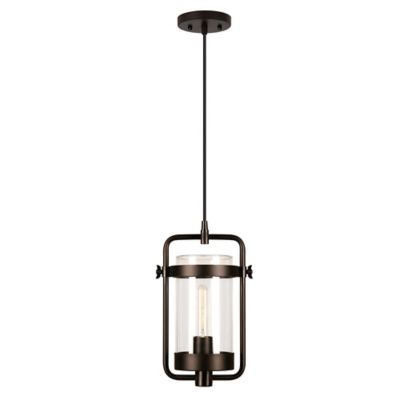
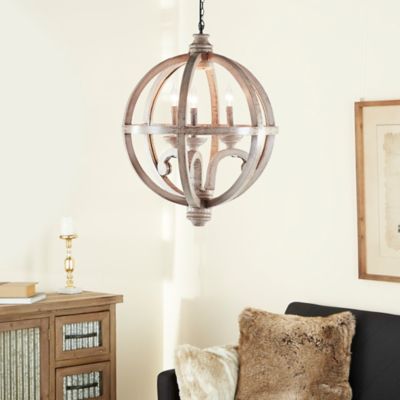
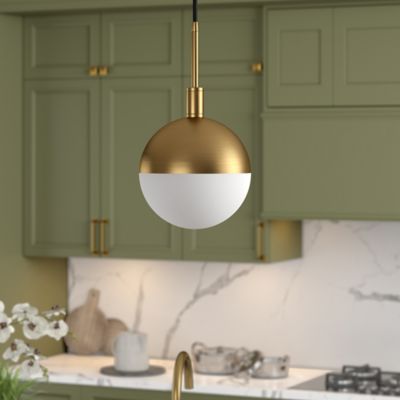
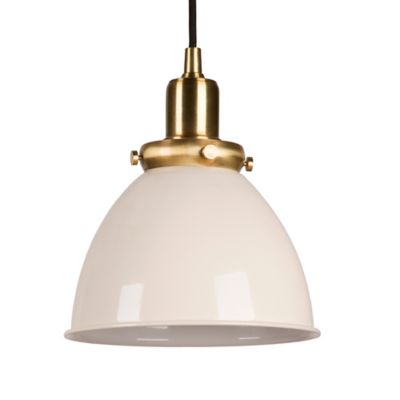
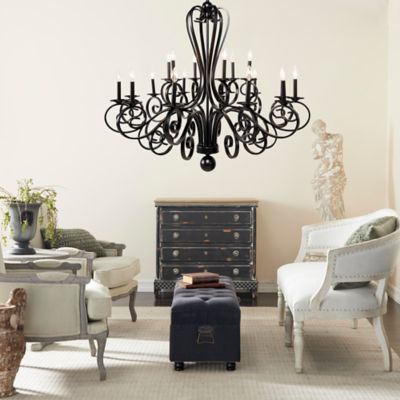
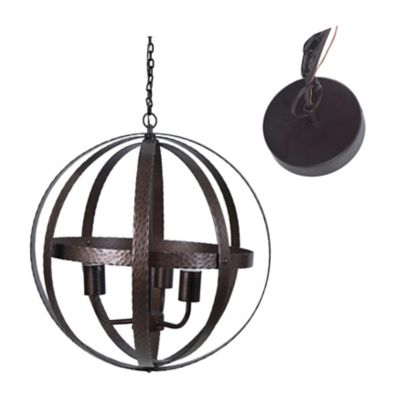
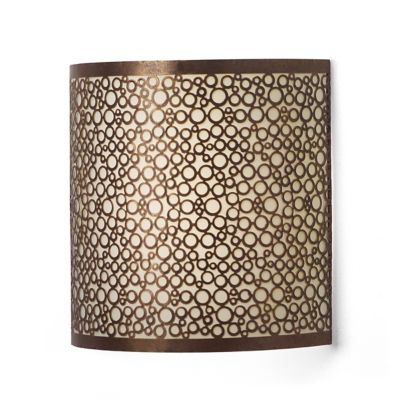
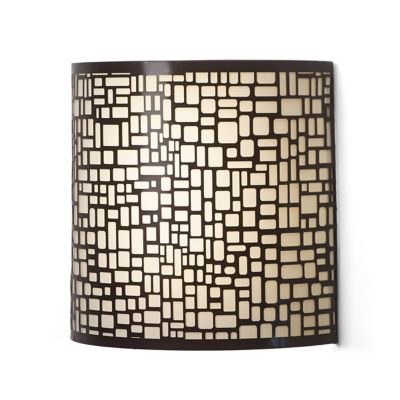
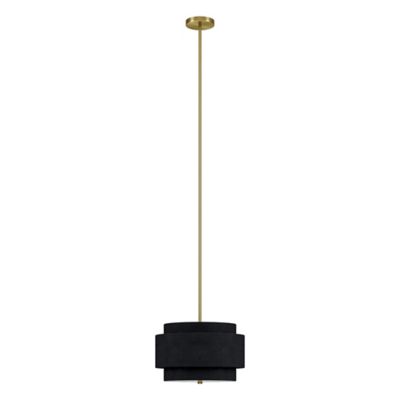
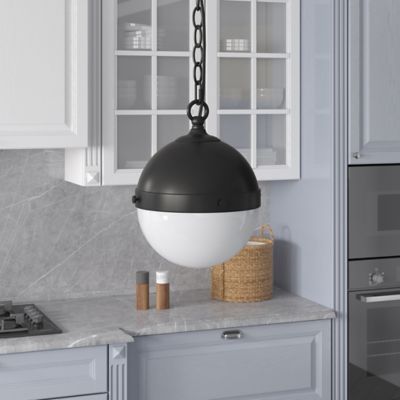
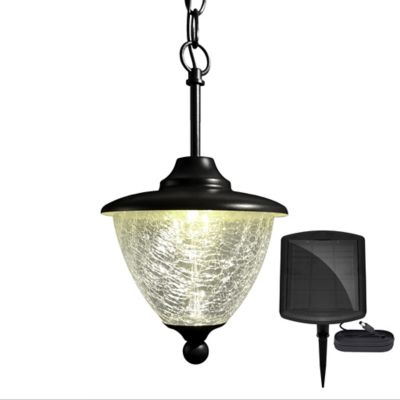
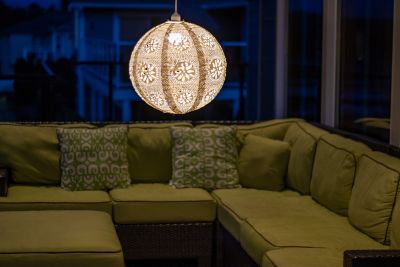
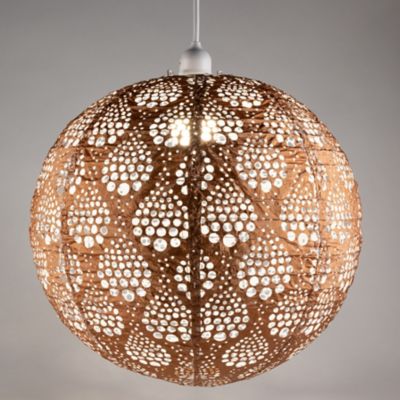
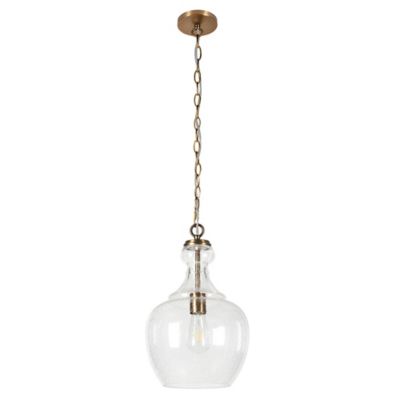
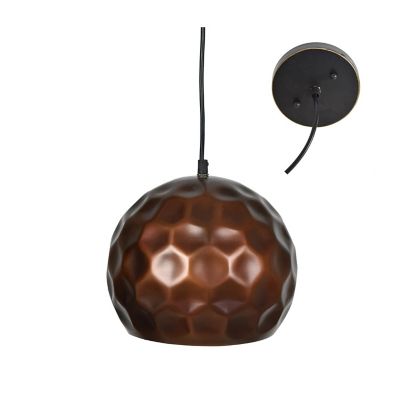
Entryway hanging light fixtures bring overhead illumination and a clear focal point to the space just inside the front door. Pendants, lantern-style lights, and chandeliers hang below the ceiling, helping define a foyer while lighting the path toward nearby rooms. Their shape, size, and light output all play a part in how welcoming that first few steps feel. A compact pendant can give a small entrance a finished look without crowding it, while a wider chandelier can hold its own in an open foyer with a tall ceiling. Lantern frames fit naturally alongside plank floors, substantial doors, and farmhouse trim, and simpler shades work well in homes with clean lines and less visual detail. The fixture does not have to match every hinge and drawer pull to feel at home. A black frame can pick up the dark outline of a stair railing, while a warm metal finish can tie in with wood furniture or a nearby mirror. Materials affect both appearance and upkeep. Steel and iron bring a substantial look, while aluminum can offer a lighter-weight frame, depending on construction. Wood accents add texture, but their grain and finish should suit the surrounding trim rather than compete with it. Clear glass keeps the bulb visible and lets light pass through with little obstruction; frosted or textured glass softens the appearance of the light source. Open frames leave more of the room visible through the fixture, though their structure may cast shadows across nearby walls. Fabric shades can create a gentler glow, with cleaning needs that differ from those of metal or glass. For a working household where boots land by the door and company comes through the same entrance, the right hanging light balances everyday usefulness with a look that belongs in the home.
Fit matters as much as finish with entryway pendant lighting. Ceiling height, room width, door movement, and nearby stairs all affect how much space a hanging fixture can occupy comfortably. A light that looks modest in a two-story foyer may feel oversized beneath a lower ceiling, and a long drop can interfere with a door or put the fixture too close to people passing underneath. About 7 feet of clearance beneath the lowest point is a common starting point for a walking area, but local requirements and the installation instructions take precedence. Adjustable chains, rods, and cords allow different hanging lengths, though each fixture has limits on how far it can be shortened or extended. Sloped ceilings need compatible mounting hardware so the light hangs as intended. Width deserves the same attention: the fixture should have breathing room around walls, door trim, and stair rails rather than filling every inch overhead. Light output is another part of the fit. A small enclosed entrance may need less illumination than a broad foyer that opens into several rooms, and dark walls absorb more light than pale surfaces. Lumens describe brightness, while watts describe energy consumption, so bulb wattage alone does not tell the whole story. Warm-white light around 2700K to 3000K often works comfortably with wood floors and residential living spaces. Clear bulbs can make visible filaments part of the fixture’s appearance, while frosted bulbs tend to soften the bright points within an open frame. A compatible dimmer adds flexibility for a brightly lit arrival or a quieter evening setting. Bulb base, shape, maximum wattage, and any enclosed-fixture rating still need to match the light’s specifications. Hardwired fixtures also need a properly supported electrical box, and heavier designs may call for additional support. A qualified electrician can confirm the mounting, wiring, and control setup, especially when an existing ceiling light is being replaced by something larger.
An entryway light works best as part of the whole landing spot, not as a piece that has to do every job by itself. Overhead illumination helps people find their footing, spot a bag near the door, and move toward the hall, but a deep closet or a shaded bench may need another light source. A hanging fixture above an open foyer can establish the center of the space, while a wall mirror helps carry that light farther into the room. Glass shades and exposed bulbs may also reflect in the mirror, so their position affects both the view and the amount of glare at eye level. A bench, narrow table, or coat storage can make the entrance more useful without blocking the walking path;
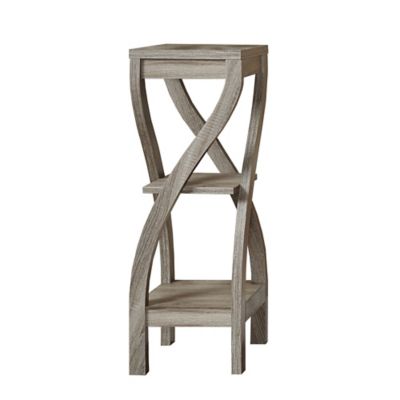
Entryway Furniture can help tie those practical pieces into the same welcoming space. In a busy family entrance, a fairly simple fixture shape can be easier to live with than a design with many small crevices. Clear glass shows dust and fingerprints more readily, while open frames make individual surfaces easier to reach but leave bulbs exposed. Smooth metal generally needs a soft cloth and a cleaner approved for its finish, rather than an abrasive pad that can leave scratches. Glass panels should be cleaned according to the fixture’s directions, especially when they can be removed, and power should be off with bulbs cool before cleaning or replacement. High ceilings add another consideration: reaching the fixture safely for routine care can matter just as much as how it looks from the floor. Replaceable bulbs offer a straightforward path for changing brightness or light color within the fixture’s limits, while integrated LED designs have their own service and replacement requirements. Thoughtful proportions, suitable materials, accessible care, and comfortable illumination help an entryway hanging light earn its place through daily arrivals, family visits, and all the ordinary coming and going that makes a house feel like home.