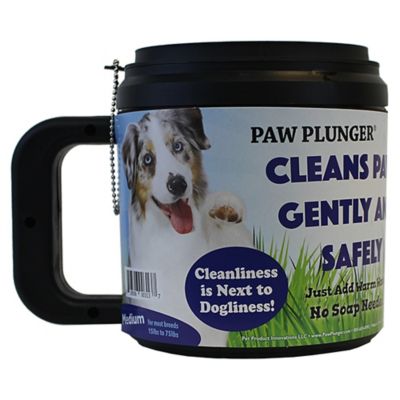
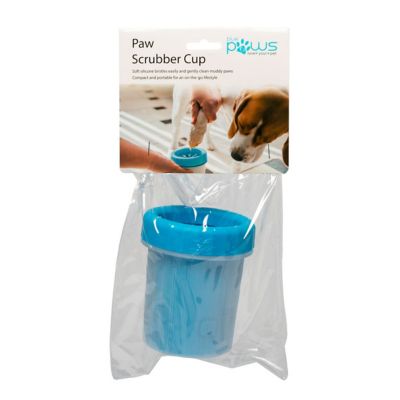
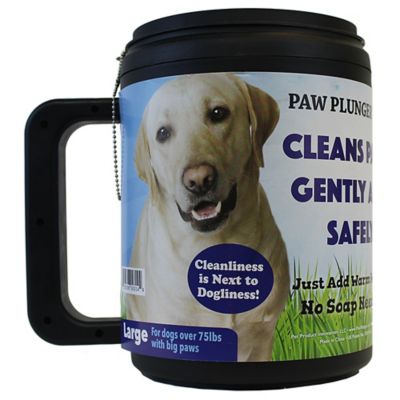
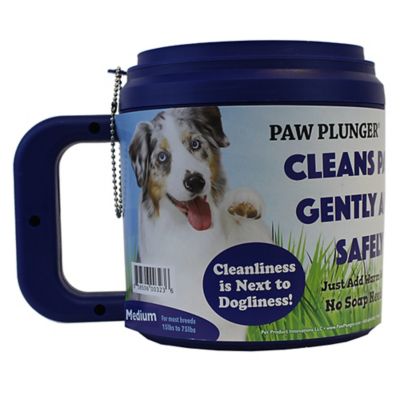
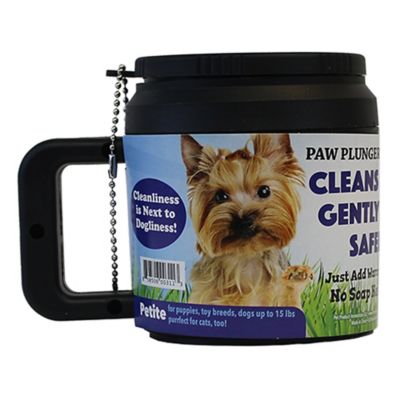
Dog paw cleaners help keep the trail from carrying on through the kitchen. After a walk down a gravel lane, a lap around the pasture fence or a trip to the park, paws can bring home fine grit, loose soil and bits of grass tucked between the toes. A quick cleanup at the back door gives that dirt somewhere to go besides the rug, couch or truck seat. Different types of paw-cleaning supplies suit different routines, from water-filled cups and soft-bristled washers to grooming wipes and washable cloths. A paw-cleaning cup holds the mess in one place, with flexible bristles that reach around the pads as the paw moves inside. Many designs pair a firm outer shell with a removable silicone insert, combining an easy-to-grip body with a softer surface against the foot. Wipes made for dogs offer a compact option for light cleanup away from home, while absorbent towels help lift loose dirt and dry paws after washing. For a dog that takes several walks a day, having a practical place for these supplies can matter as much as the cleaner itself. A small setup beside the leash hook or near the truck door keeps cleanup close to where the walk ends. The right choice depends on what usually comes back on those feet: a little dust calls for something different from packed soil caught around thick paw hair. Water-only washers and formulas labeled for canine paws also have different care requirements, so rinse directions and ingredient information deserve a look. Household surface cleaners are not substitutes for grooming products intended for animals. Fragrance is another consideration, especially for dogs that dislike strong smells or have a history of skin sensitivity. A straightforward paw-cleaning setup should fit the dog’s needs without turning every trip outside into a lengthy bath.
Fit makes a noticeable difference in how comfortable a paw washer feels and how well it reaches around the foot. The opening needs room for the full paw, including the toes, without squeezing them together or catching the nails. At the same time, a very wide cup can be awkward around a small foot and harder to steady. Measurements listed for the opening and interior depth are more helpful than size names alone, since a broad, compact paw and a narrow, long paw may need different proportions. Paw shape, coat length and the dog’s willingness to stand still all play a part. A long-haired dog may carry dirt in the fur around the pads, while a short-coated dog may mainly need grit lifted from the pad edges. Soft, flexible cleaning surfaces are worth considering for either coat type; stiff scrubbing and hard rubbing can leave feet uncomfortable. For dogs that pull away when a foot is lifted, a shallow basin or a cloth may be easier to manage than a tall cup. A broad base, textured grip or comfortable handle can also help the person doing the cleaning, especially with a restless dog leaning against one leg. Weight matters when a cleaner travels along on walks, and any container riding in a vehicle should have a secure closure if it will hold water. A separate bag for damp cloths keeps them away from leashes and dry supplies on the ride home. Towels bring their own material considerations: absorbent microfiber can handle a compact travel role, while cotton offers a familiar option for the entryway. A smooth surface without loose threads is helpful around nails and dewclaws. Dogs that are comfortable with brief paw handling often settle into cleanup more easily, and a calm pause beside the door can make room for checking between the toes. Persistent licking, limping, swelling or a painful spot calls for veterinary attention rather than more scrubbing.
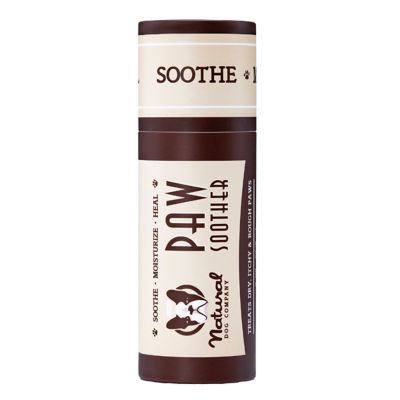
Easy care helps paw-cleaning supplies stay pleasant to handle day after day. Removable inserts make it easier to reach trapped hair and sediment inside a washer, and wide openings give better access to the bottom of the cup. Fewer tight seams can mean fewer places for dirt to collect, while parts that come apart without much effort are simpler to rinse and dry. Dishwasher-safe or machine-washable claims should always match the care label; not every plastic shell, silicone insert or fabric tolerates the same cleaning method. Wipes need a firmly closed package to help prevent drying out, and reusable cloths need regular laundering rather than a permanent spot in a damp heap by the door. Thorough drying matters for the dog, too, particularly between the toes and around longer paw hair. A clean towel can take care of leftover moisture without the need for vigorous rubbing. Over time, cracked containers, torn cleaning surfaces and loose fabric loops are signs that supplies need attention or replacement. Households with more than one dog may find separate cloths convenient, along with fresh wash water when it becomes dirty. These details make a difference in a busy home where one dog heads straight for a bed and another waits at the door for the next outing. Related paw-care choices include
Winter Paw Balm for Dogs, which serves a different purpose from dirt removal and should be applied according to the product label. Paw cleaners also make practical gifts for someone bringing home a new dog, taking a companion along on trail walks or spending plenty of time traveling with a pet. For that kind of gift, knowing the dog’s paw size and tolerance for handling helps narrow the choices more than appearance alone. Whether the cleanup spot is a farmhouse porch, an apartment entry or the tailgate before heading home, well-chosen supplies make it easier to leave the dirt behind while keeping everyday paw care manageable.