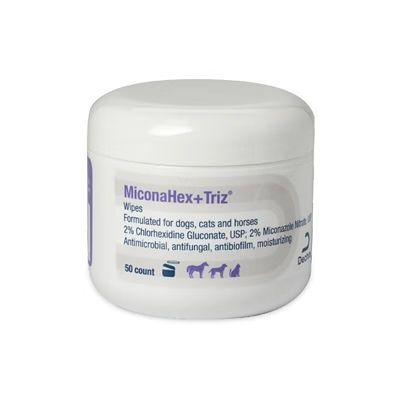
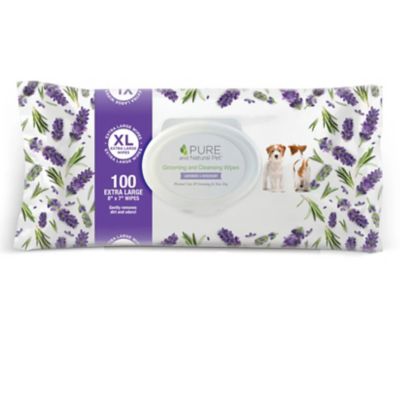
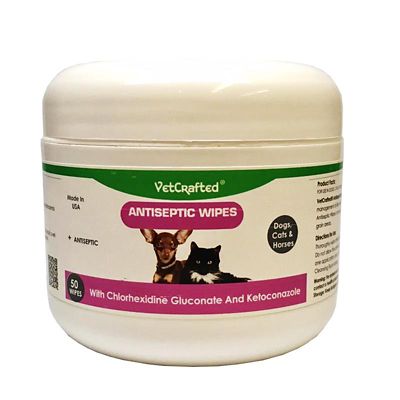
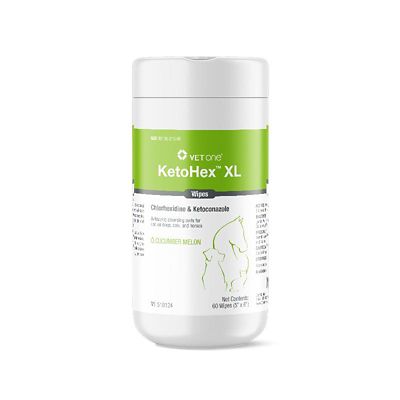
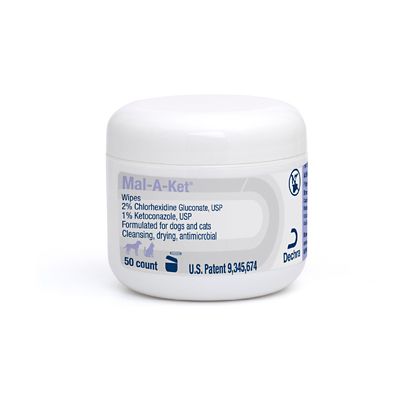
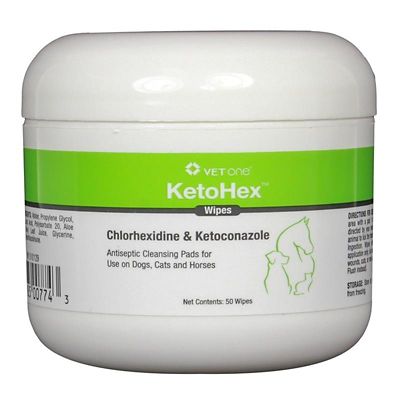
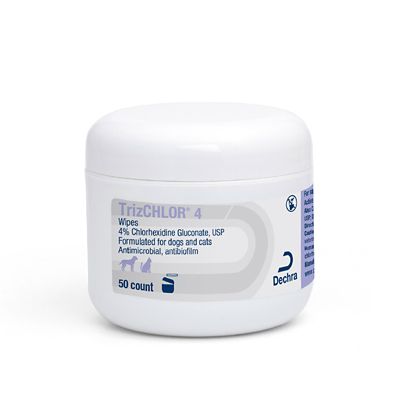
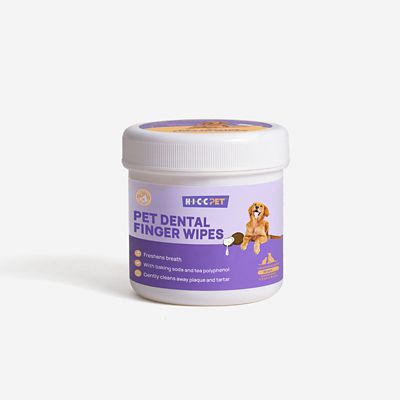
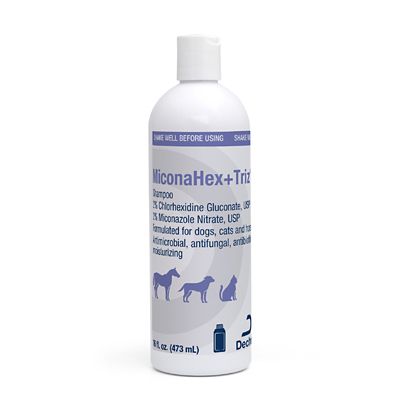
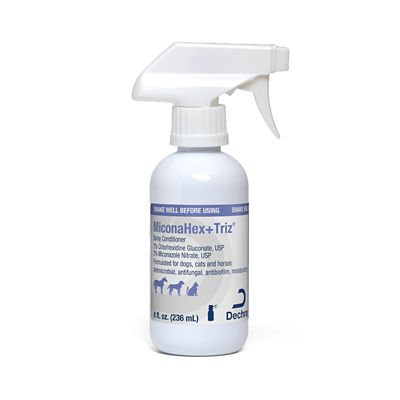
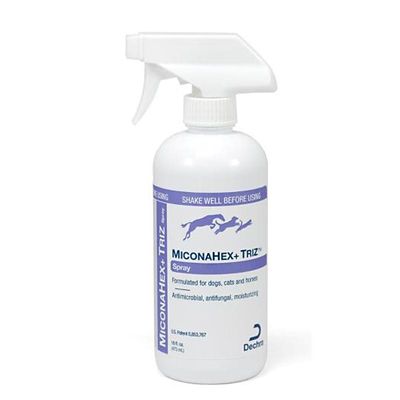
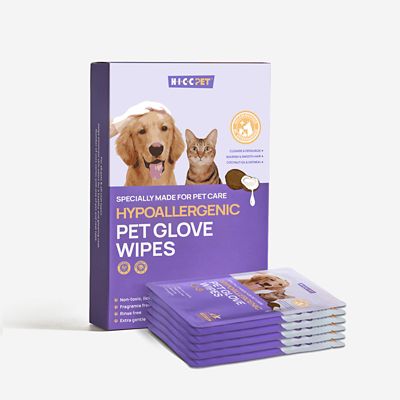
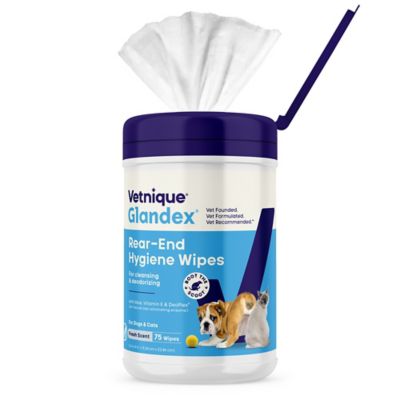
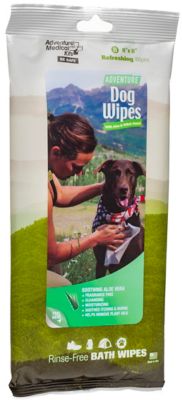
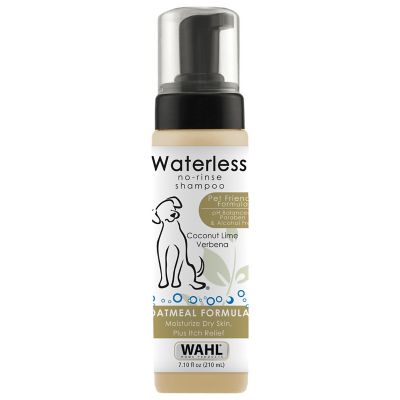
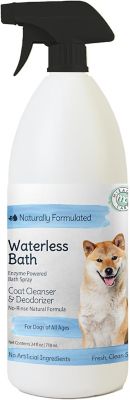
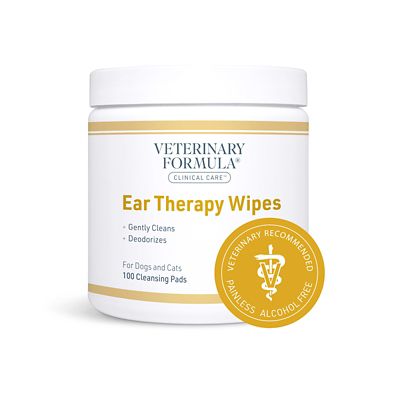
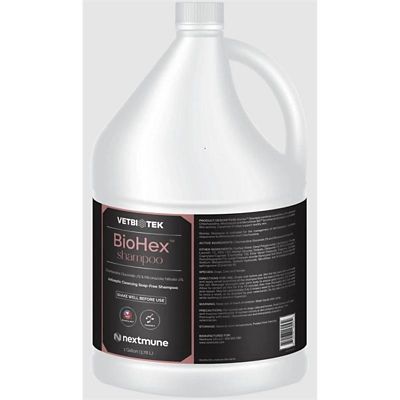
Dog antibacterial wipes are premoistened cloths or pads formulated to clean targeted areas of a dog’s coat and skin and help reduce certain surface bacteria, according to their labeled claims. They bring together a wiping material and a cleansing solution in a format that suits small cleanup jobs without a full bath. For a dog that rides along to the feed store, noses around the barn, or stretches out on the couch after a walk, that format can make paws and other hard-to-reach spots easier to tend to. The important distinction is between ordinary dog grooming wipes and wipes with antibacterial or medicated ingredients. A cleansing wipe can lift dirt and freshen a coat without having an antibacterial effect, while an antibacterial wipe has ingredients intended to act against certain bacteria. Medicated antiseptic wipes may be part of a veterinarian’s plan for a localized skin problem, but they are not interchangeable with everyday grooming cloths. Antibacterial also does not automatically mean antifungal; activity against yeast or other fungi depends on the formula and its label. Some canine skin wipes contain chlorhexidine, an antiseptic ingredient, while certain medicated formulas combine an antiseptic with an antifungal ingredient such as miconazole or ketoconazole. The active ingredients, their concentrations, and the labeled purpose matter more than a broad claim on the front of a package. Healthy skin does not necessarily need antibacterial treatment after every trip outdoors, and plain dirt alone is not a reason to reach for a medicated formula. For shoppers comparing dog antibacterial wipes, the best starting point is the job at hand: removing surface grime, tending to a particular skin area under veterinary direction, or supporting an established skin-care routine. These cloths work on the areas they reach; they do not replace bathing when a dog needs a thorough wash, and they cannot establish what is causing redness, odor, or repeated licking. That distinction helps keep a simple grooming purchase separate from a health concern that needs a closer look.
The cloth itself makes a difference when a dog has big paws, a thick coat, or skin folds that need careful attention. Dog antibacterial wipes may come as broad sheets for larger areas or smaller pads that offer more control around a targeted spot. Nonwoven materials can include synthetic fibers, plant-derived fibers, or blends, with the exact composition varying by package. A soft, flexible cloth should move over the intended area without requiring hard scrubbing, while enough strength helps it stay together as it passes over paw pads or through hair. Textured surfaces can help lift surface debris, but extra pressure is no substitute for the right formula and may aggravate tender skin. Large sheets may be convenient for a broad-chested farm companion, while a smaller pad may be easier to handle on a little dog or a narrow fold. In either case, physical size is only part of the fit. Age restrictions, application sites, skin sensitivity, and any veterinary directions all belong in the comparison. A wipe labeled for paws and body is not automatically suitable for ears, eyelids, or every facial fold. Fragrance-free options may appeal to households that prefer less scent, although the absence of fragrance does not guarantee that a formula will suit every dog. Added moisturizers or conditioning ingredients can affect how the coat and skin feel afterward, but those features do not cancel out the precautions attached to an active ingredient. Moisture level matters, too: a cloth needs enough solution to perform as directed, without shoppers assuming that a dripping pad works better. Resealable pouches and lidded tubs offer different ways to keep wipes close at hand, whether that means a grooming shelf near the back door or a bag packed for a trip with the dog. A closure that seals firmly helps prevent the remaining cloths from drying out. Package count, sheet dimensions, storage directions, and expiration information help show whether a format fits occasional spot care or a veterinarian-directed routine.
Intended use is especially important with antibacterial paw wipes and medicated skin wipes because dogs often lick the very spots being cleaned. Directions can differ on how often to apply a formula, whether rinsing is necessary, and how long the area needs to remain wet or be left alone. Those details are part of the product’s function, not optional extras. Preventing licking during application and for the interval specified on the label or by a veterinarian helps limit ingestion of the solution; a surface that feels dry is not a reason to disregard additional precautions. Household disinfecting wipes and human hand-sanitizing wipes are not substitutes for wipes labeled for dogs. Keep canine skin wipes away from eyes and mouths unless the label specifically permits that application, and do not assume that permission to clean an outer ear extends to the ear canal. Open wounds, painful skin, spreading redness, discharge, or persistent odor call for veterinary advice rather than repeated wiping. The same goes for a dog that keeps chewing its feet after the visible dirt is gone. Repeated exposure to an unsuitable cleanser can contribute to dryness or irritation, and a stronger formula is not automatically a better match. For broader skin-care needs,
Antiseptic for Dogs provides a related category to consider alongside the application format and any veterinary recommendations. Wipes are particularly practical when controlled placement matters: a pad can put solution on a small intended area without coating the surrounding fur as broadly as some other formats. Even so, a thick coat may need to be parted so the wipe reaches the labeled treatment area rather than just dampening the hair. Fresh cloths help avoid carrying debris from one area to another, and prompt disposal keeps soiled wipes out of a curious dog’s mouth. Unless the package says otherwise, wipes belong in the trash rather than the toilet. With a suitable formula, manageable cloth size, and a package that stays properly closed, dog antibacterial wipes can fill a focused role in canine grooming and veterinarian-directed skin care without turning every bit of barnyard dirt into a treatment job.