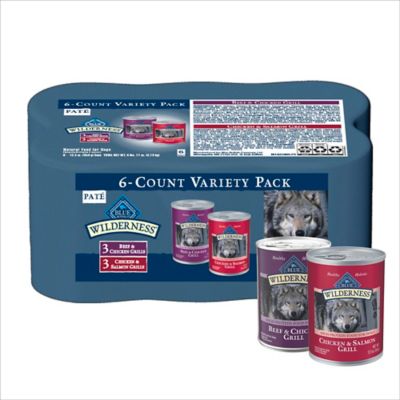
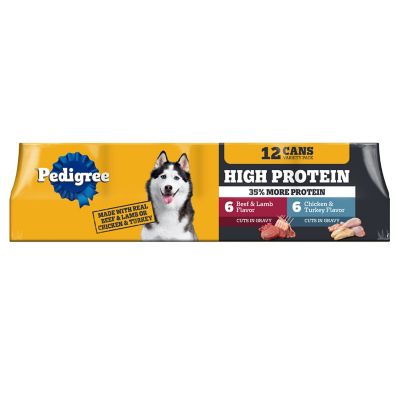
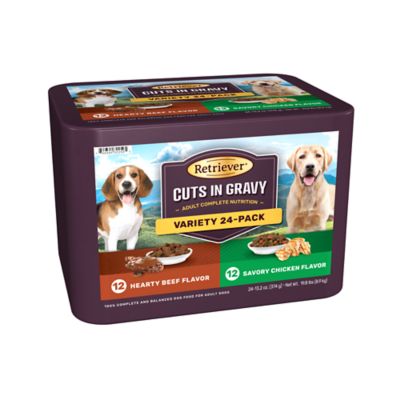
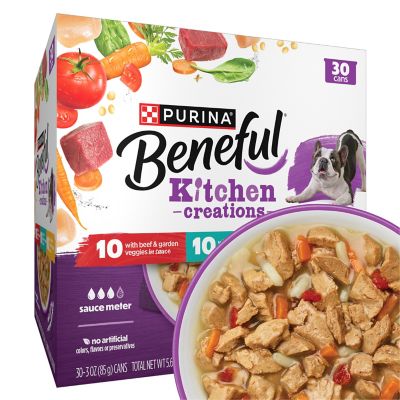
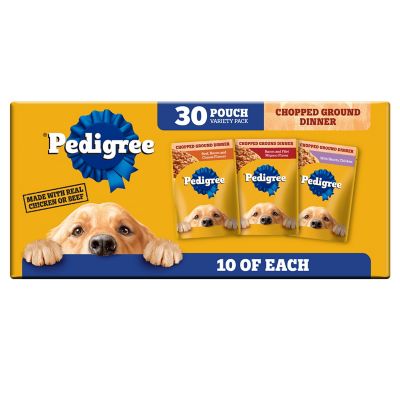
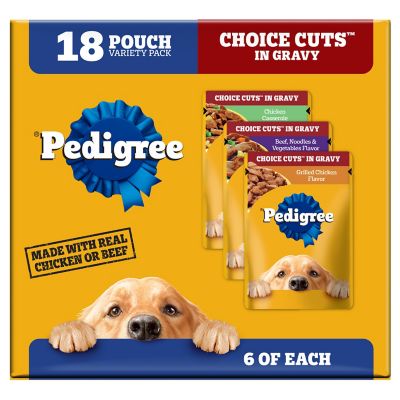
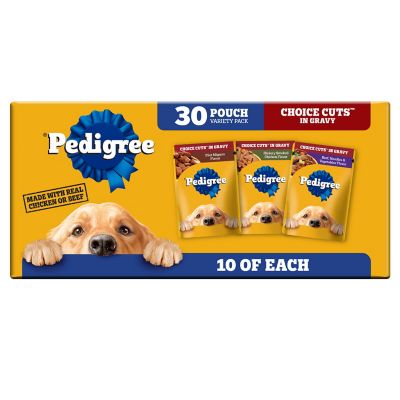
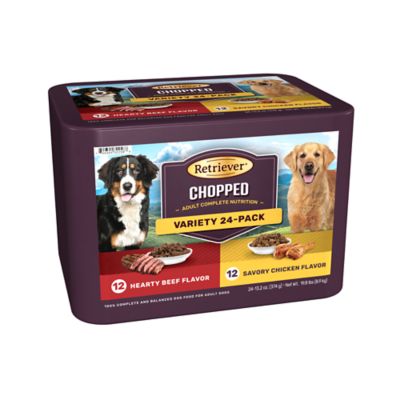
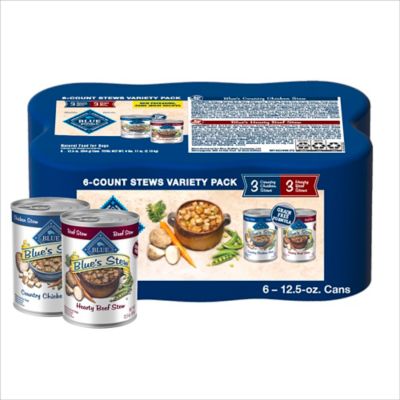
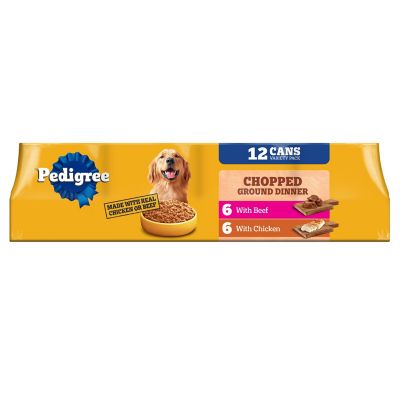
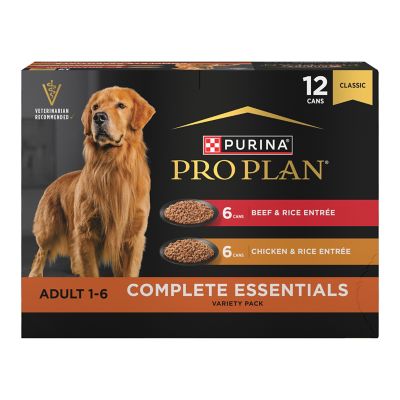
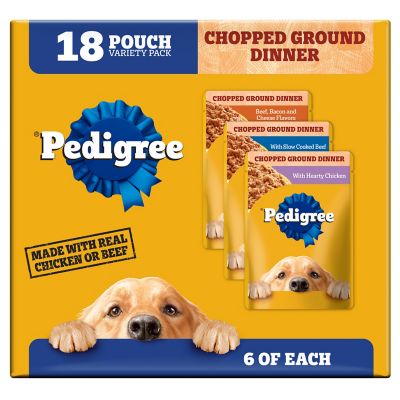
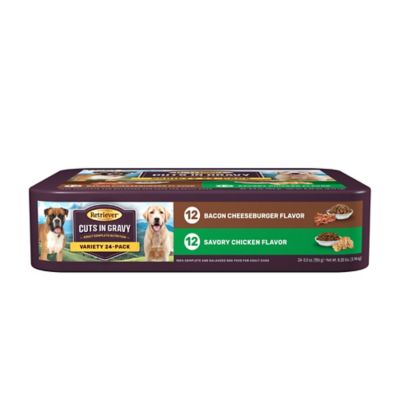
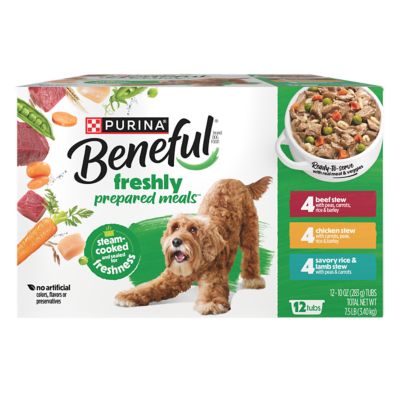
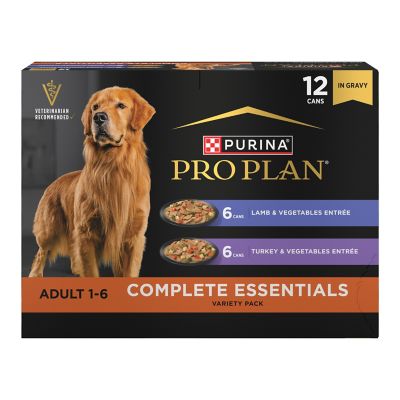
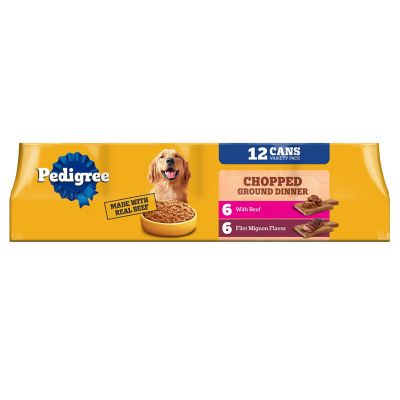
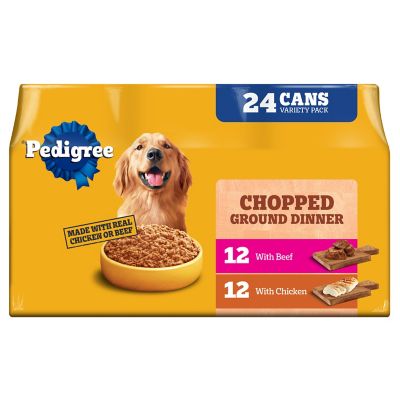
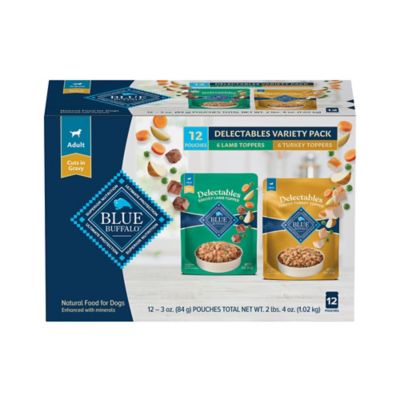
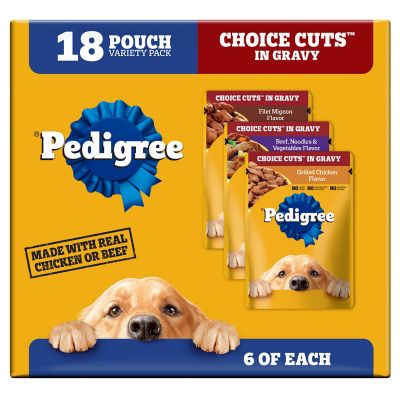
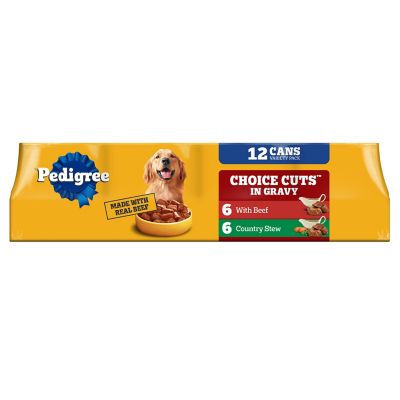
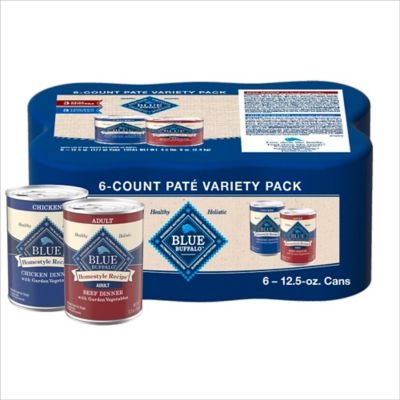
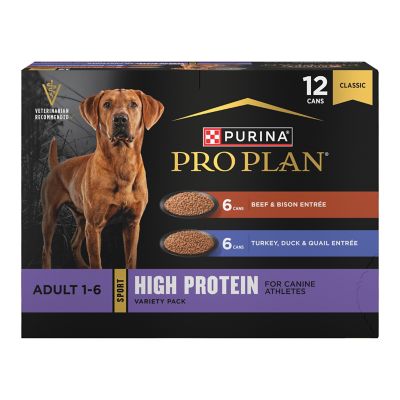
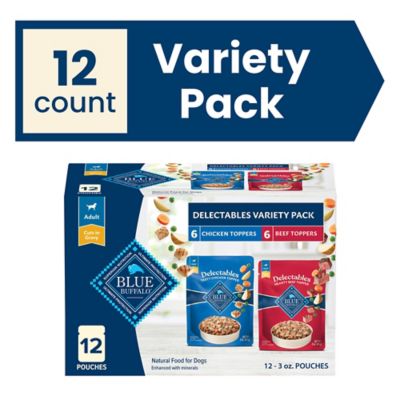
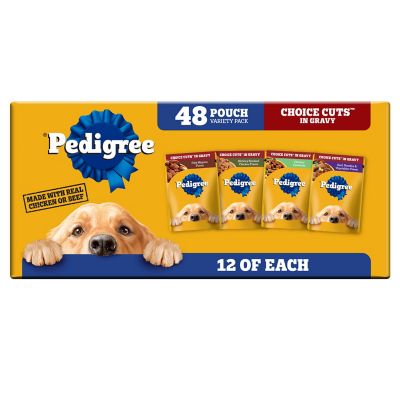
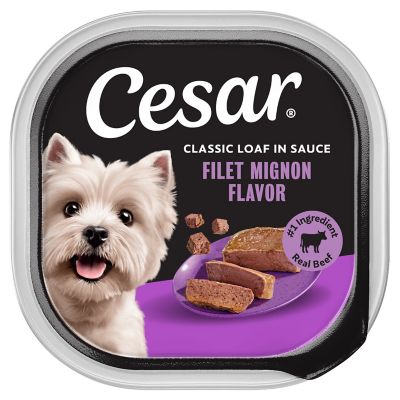
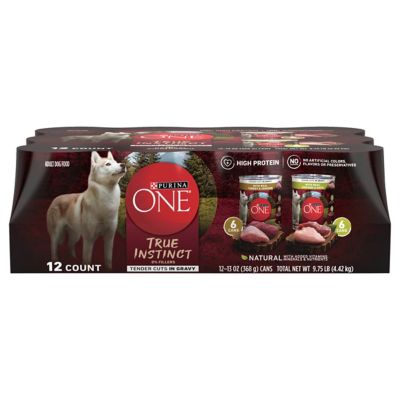
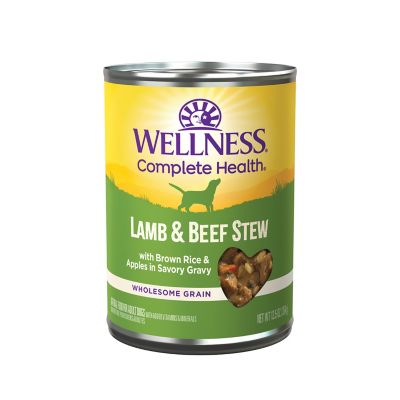
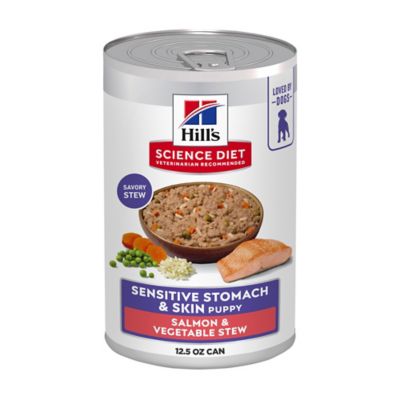
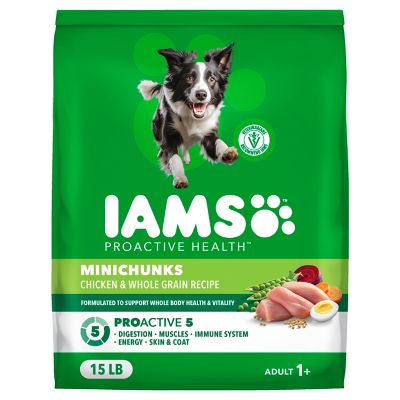
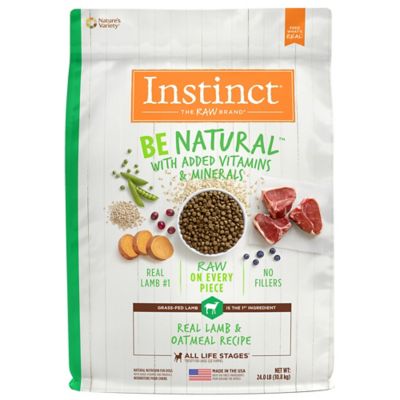
A dog food sampler brings smaller portions or several recipes together so pet owners can explore flavors, textures, and feeding formats before making a bigger change at the food bowl. Depending on the pack, that might mean small bags of dry kibble, single-serving wet food, or portions of air-dried, freeze-dried, refrigerated, or frozen food. Some sampler packs focus on different proteins within one format, while others offer a mix of textures. Variety packs may contain full meal portions rather than just enough for a taste, so package weight, calorie content, and feeding directions help explain what each pack is meant to do. Dry food has a firm texture and is easy to measure, while wet food brings more moisture and can range from a smooth loaf to chunks or shreds in gravy. Air-dried and freeze-dried foods differ in processing, texture, and preparation; some are served as packaged, and others call for added water. Refrigerated and frozen foods bring their own storage and thawing requirements. Those differences matter whether the bowl belongs to a little house companion, a lanky young hound, or a grown dog that follows along for daily chores. A sampler can help show whether a dog prefers smaller pieces, a softer bite, or a particular aroma, but one eager meal does not establish long-term tolerance or nutritional suitability. For a hesitant eater, a modest portion served in a familiar, quiet spot may offer a clearer picture of interest than several new foods set out at once. A dog food variety pack can also provide different recipes within an established feeding routine, provided each recipe fits the dog’s needs. The point is not simply more flavors in the cupboard; it is finding food that makes sense for the dog, the feeding schedule, and the person filling the bowl.
The right dog food sampler starts with the dog’s life stage, body size, activity level, and any feeding restrictions. Puppy food and adult maintenance food serve different needs, and a large-breed puppy needs a growth formula labeled for that purpose. For older dogs, the senior label alone does not explain whether a recipe suits their calorie needs or health concerns. The nutritional adequacy statement on the package shows whether a food is complete and balanced for a stated life stage or intended only for intermittent or supplemental feeding. That distinction separates a meal from a topper or treat, even when the portions look similar. A small packet may hold a full serving for a tiny dog but only a fraction of a meal for a big farm companion. Calories per cup, can, pouch, or ounce make portion comparisons more useful than package size alone. Most dogs should get no more than about 10 percent of their daily calories from treats and other foods that are not complete and balanced, unless a veterinarian recommends otherwise. Ingredient lists also deserve a look when a dog has a known sensitivity. A flavor name on the front does not necessarily identify every animal protein in the recipe, and a short ingredient list does not automatically make a food suitable for an allergy. Dogs eating a veterinary diet need their veterinarian’s input before sampling something outside that plan. For routine food changes, a gradual transition over about seven to ten days is common, though some dogs need a slower pace. A tiny sample may show interest without providing enough food for that transition or enough time to judge digestion. Repeatedly switching among unrelated recipes can make it harder to tell what agrees with a dog. Persistent vomiting, diarrhea, appetite changes, or weight loss call for veterinary attention rather than another flavor trial. A dog that suddenly turns away from familiar food may need more than a different supper.
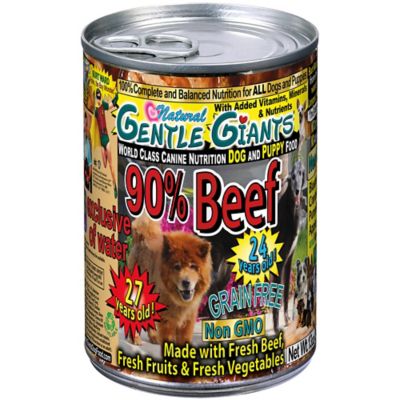
Packaging and handling make a difference once a sampler reaches the kitchen, feed room, or travel bag. Individually sealed portions can keep unopened food separate until mealtime, while resealable bags need a firm closure and a clean, dry storage spot. Dry food is best kept in its original bag inside a clean, covered container so the lot number, feeding directions, and best-by date stay with it. Wet food portions vary widely, and
dog food cans offer another way to compare meal sizes and textures when soft food fits the feeding plan. Opened wet food generally needs prompt refrigeration in a covered container, with the package directions setting the storage limit. Refrigerated and frozen recipes need an uninterrupted cold-storage plan, including safe transport and thawing as directed. Freeze-drying does not sterilize raw food, so raw formats still require careful handling, handwashing, and cleaning of bowls and preparation surfaces. Households with young children or people at greater risk from foodborne illness should discuss raw diets with a veterinarian. For any format, clean bowls and fresh drinking water belong alongside the meal. A shallow dish may make a soft portion easier for a small dog to reach, while a measured serving helps keep an enthusiastic eater’s intake on track. Food left in a bowl should be handled according to the label rather than topped off throughout the day. In a home with several dogs, separate feeding spaces make it easier to see who ate what and prevent one dog from finishing everybody’s trial portions. Small packs can also fit neatly into a boarding or travel routine, but a trip is generally smoother with food the dog already knows. Keeping recipe labels and a brief record of portions, appetite, and stool changes gives the next purchase more context. A well-matched sampler makes room for a little exploration without losing sight of steady meals, sensible portions, and the dog waiting by the bowl.