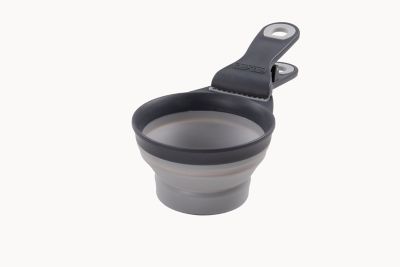
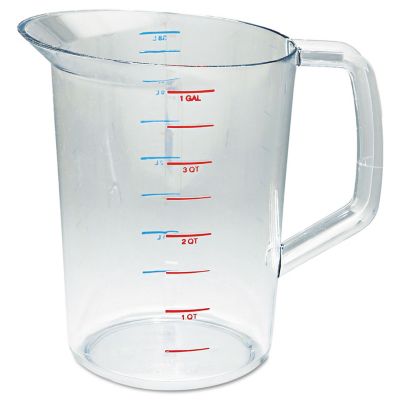
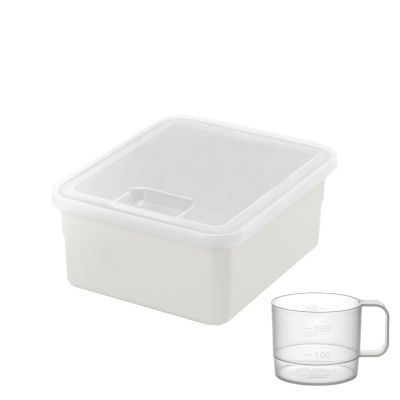
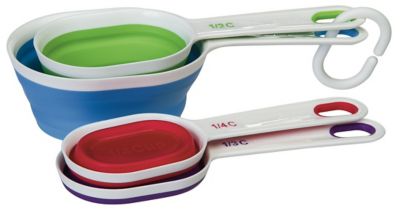
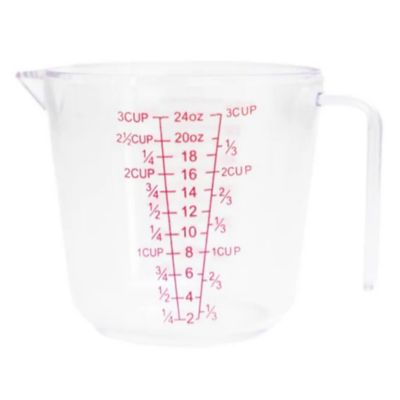
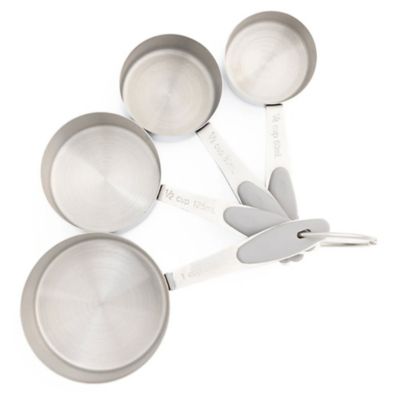
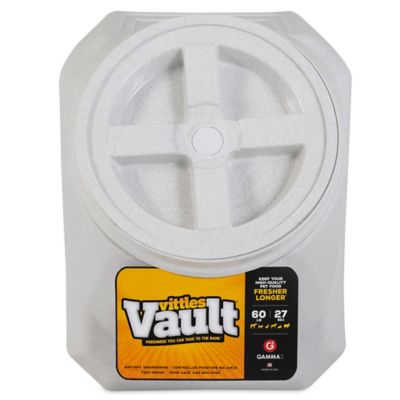
Dog food measuring cups make everyday feeding simpler, steadier, and easier to keep track of, whether you have a small house dog, a big outdoor companion, or a whole group of dogs sharing the same routine. Scooping by sight can seem close enough, but a little extra kibble at every meal can add up over time, especially when food is calorie-dense. A dedicated measuring cup helps you follow the feeding chart on your dog food bag and serve a more consistent portion from one meal to the next. This can be especially useful for growing puppies, senior dogs, dogs on weight-management plans, or pets that need their food divided into several meals during the day. Standard one-cup scoops work well for straightforward feeding routines, while adjustable cups can help measure smaller portions such as one-quarter, one-half, or three-quarters of a cup without keeping several tools in the drawer. Digital measuring scoops and kitchen scales may be a helpful choice when a veterinarian has recommended careful calorie control or when food is measured by weight rather than volume. Keep in mind that kibble pieces come in different shapes and sizes, so a cup of small, dense pieces may not weigh the same as a cup of large, airy pieces. For the most dependable results, check whether your dog food’s feeding directions use cups, ounces, or grams, then choose a measuring tool that matches those instructions. A flat, level scoop is generally more consistent than a heaping one, and taking a moment to settle the food rather than packing it tightly can make a difference. During the cooler months, when some dogs spend more time indoors and may get less exercise, keeping portions measured can help maintain a healthy routine even when activity levels change.
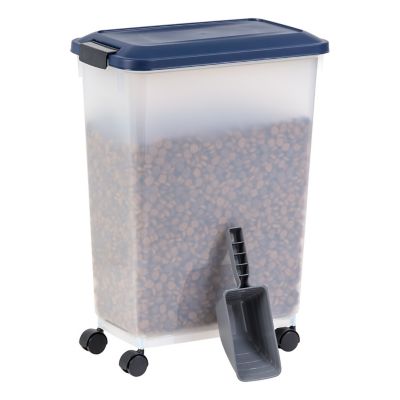
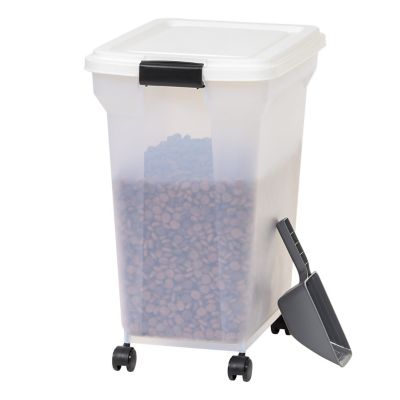
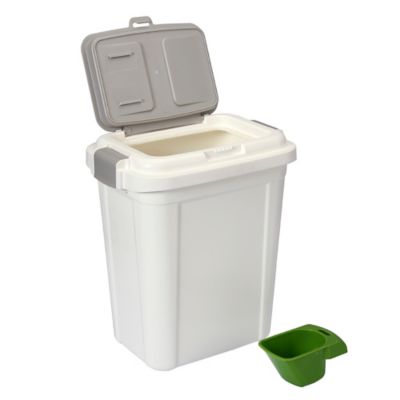
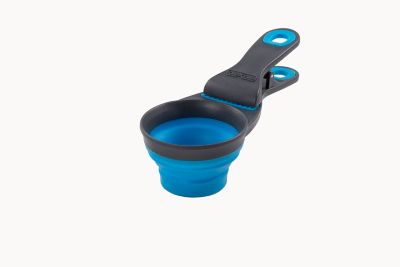
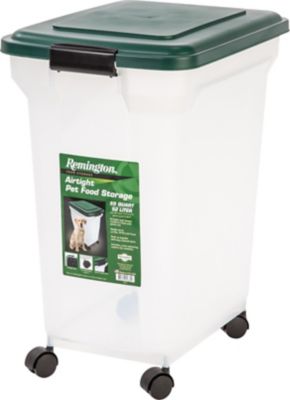
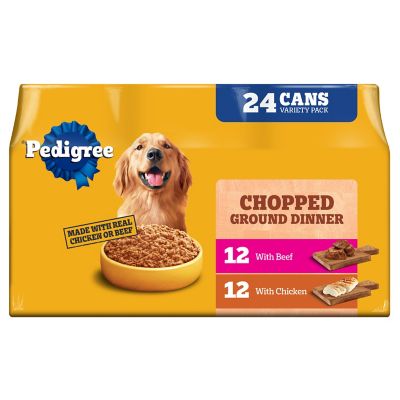
The best dog food measuring cup for your home depends on how you store food, how many dogs you feed, and how your feeding area is set up. A sturdy plastic scoop is easy to rinse and practical for a bin, bucket, or large food container, while a collapsible style can save room in a small pantry, tack room, camper, or travel bag. Some scoops have clips or hanging holes that keep them attached to the food container, which helps prevent the familiar morning scramble of searching behind feed bags and pantry jars. A long handle can be useful for reaching into a deep container, while a short, wide cup may be easier to fill and level on a countertop. Look for clear measurement markings that are easy to read in a dim mudroom or early-morning kitchen, and choose a smooth surface that does not trap crumbs around seams or corners. If more than one person feeds the dog, a clearly marked cup can help children, housemates, pet sitters, and farm helpers serve the same portion without guessing. For households that feed a mix of dry kibble, canned food, toppers, or supplements, it helps to remember that a dry-food measuring cup is intended mainly for volume-based portions of kibble. Wet food is often best portioned with the serving directions on its container, a kitchen scale, or a clean utensil suited to the amount being served. Measuring cups can also support training and treat planning by helping you set aside part of a dog’s daily food allowance before heading outside for chores, a walk, or a few minutes of practice in the yard. That small habit keeps treats from quietly becoming a second meal. For families trying a new recipe or comparing different food formulas, a
Dog Food Sampler can be paired with a consistent measuring routine, making it easier to keep portions steady while a dog adjusts to new flavors.
Dog food measuring cups also make a practical gift for new pet owners, families bringing home a puppy, neighbors who care for several animals, or anyone setting up a feeding station in a garage, barn, or utility room. They are small enough to add to a larger pet-care gift and useful enough to become part of the daily routine right away. A new dog may arrive with a different feeding schedule, and a marked scoop gives everyone in the household a simple way to stay on the same page while the dog settles in. For older dogs, a measured portion can support steady nutrition when activity, appetite, or body condition begins to change. For active dogs that spend long days hiking, working, or moving around the property, measured meals make it easier to adjust food responsibly instead of relying on an overflowing bowl. The right cup can also help when more than one dog has access to the feeding area, since portions can be prepared separately and bowls can be picked up after mealtime. Store the scoop in a clean, dry place, wash it as needed, and check the markings from time to time for wear or food buildup. It is also wise to revisit feeding directions when changing foods, since calorie content and recommended portions are not identical from one formula to another. A measuring cup does not replace guidance from a veterinarian, but it does make that guidance easier to follow day after day. Whether feeding happens beside the back door, in a busy family kitchen, or near the barn before the morning chores, a reliable cup brings a little order to the routine and helps make every serving count.