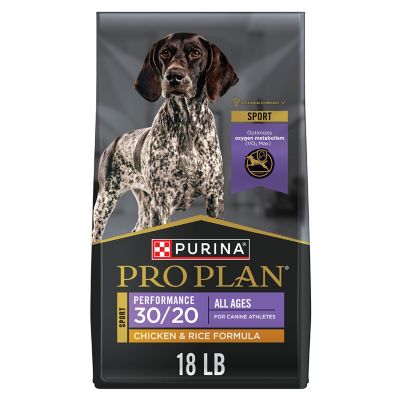
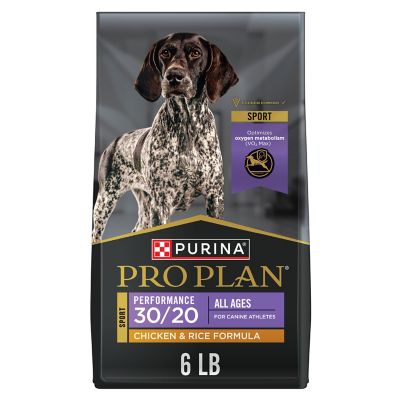
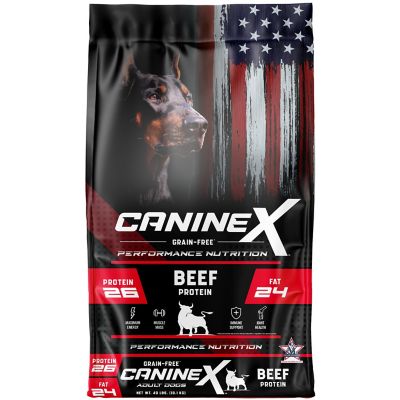
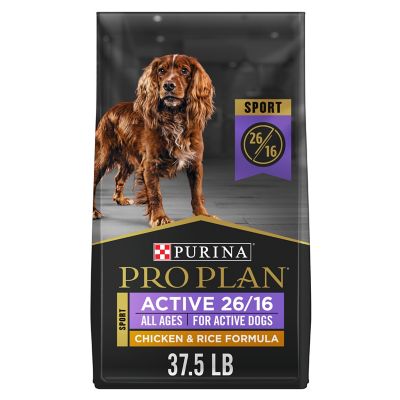
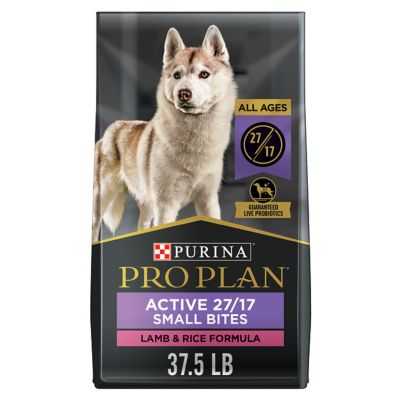
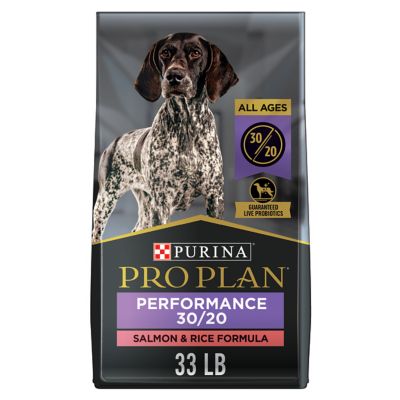
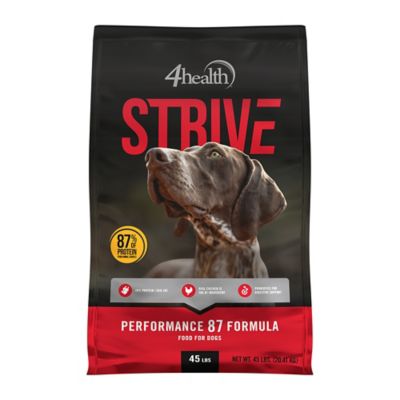
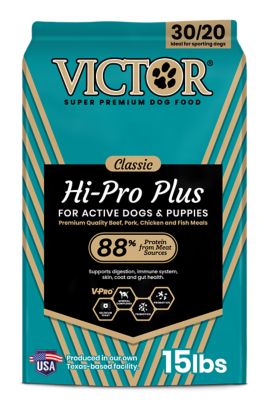
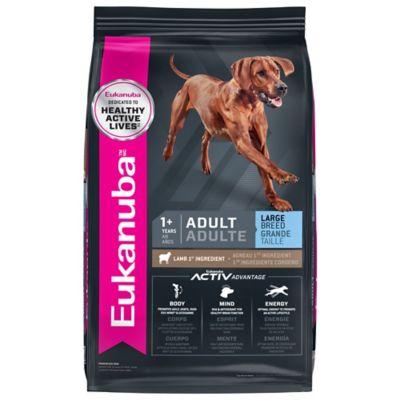
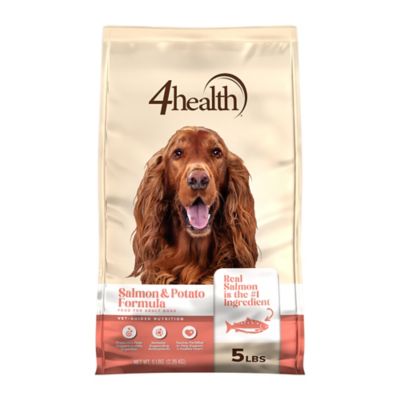
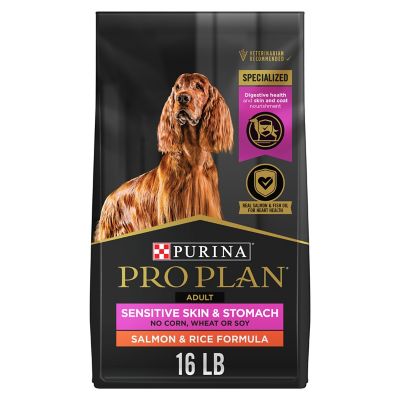
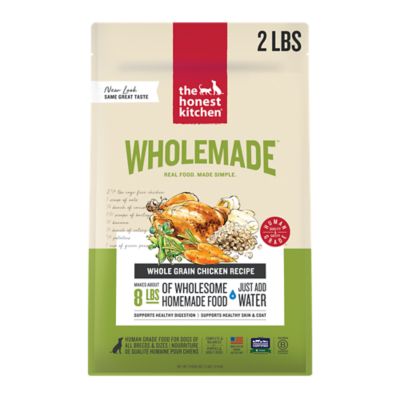
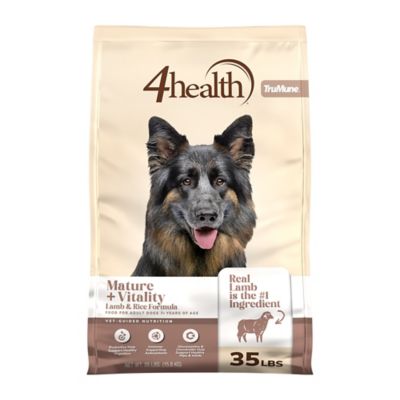
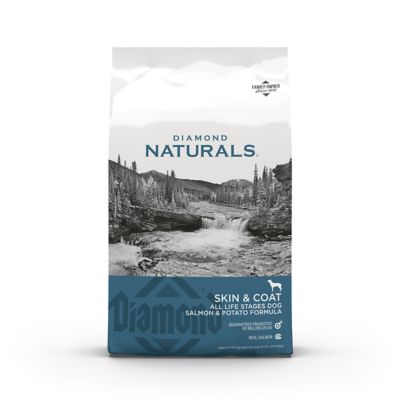
Dog food for muscle building supports lean muscle with digestible protein, essential amino acids, and enough calories to match a dog’s daily workload. That matters for a cattle dog covering pasture before breakfast, a retriever working through thick cover, or a four-legged trail partner that rarely slows down. Protein supplies the building blocks for muscle maintenance and repair, while fat provides concentrated energy to help fuel sustained activity. A complete and balanced recipe brings those nutrients together with vitamins and minerals that support normal body functions. Chicken, beef, fish, eggs, and other protein ingredients can contribute amino acids, but the full nutritional profile matters more than a single ingredient at the top of the list. The goal is a strong, well-conditioned dog, not simply a heavier one. Extra calories without an appropriate workload can add body fat rather than muscle, and a higher protein percentage alone does not guarantee better results. Some performance dog foods have a guaranteed analysis listing at least 30% crude protein and 20% crude fat. Those figures describe nutrient concentrations, not a universal target for every dog. A hard-working adult may benefit from a calorie-dense formula, while a dog that spends most afternoons stretched out beside the porch may need a less concentrated recipe. Breed, age, body condition, health, and exercise all shape the right fit. Even two dogs working the same property can have different needs: one holds weight easily, while another burns through energy during a long day outside. Food supports conditioning alongside appropriate exercise and rest; it cannot replace either one. During the cooler months, changes in outdoor work and time spent indoors can also change how much energy a dog needs. For owners feeding dogs with steady activity demands,
Dog Food for Active Dog offers a related starting point for considering nutrition that fits an on-the-go routine.
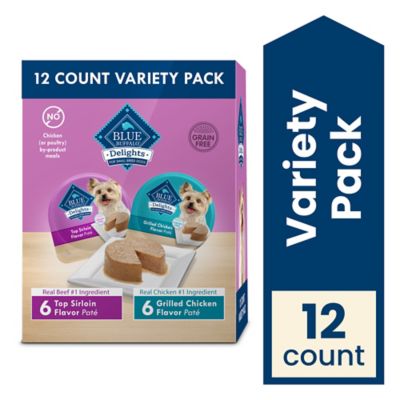
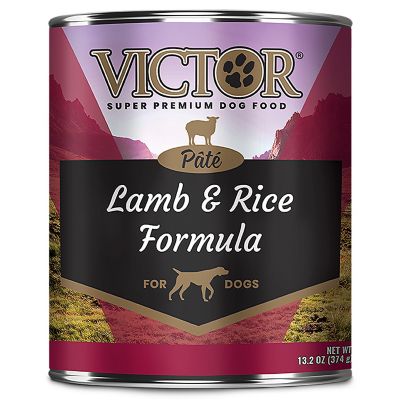
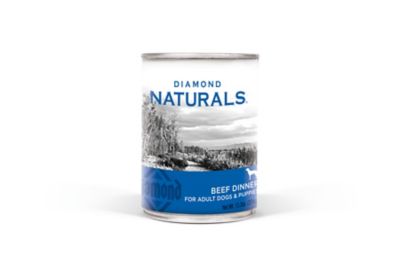
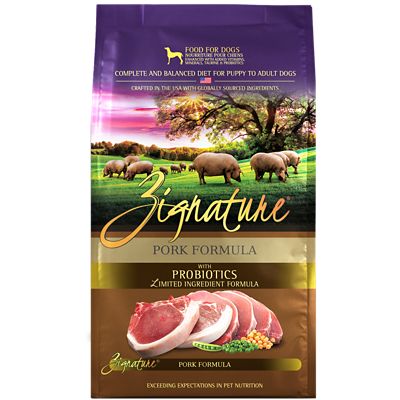
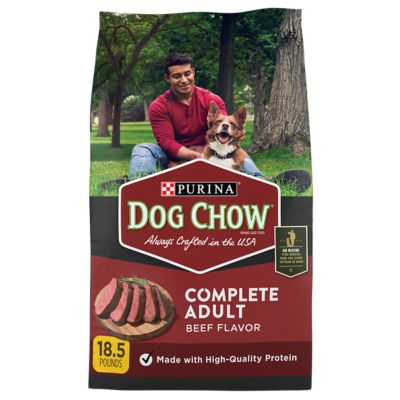
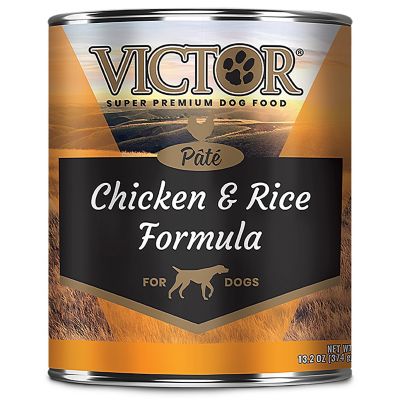
High-protein dog food comes in dry and wet formats, with differences in moisture, texture, serving size, and calorie concentration. Dry kibble is straightforward to portion for daily meals, while wet food brings more moisture and a softer texture that may suit some dogs’ preferences or chewing needs. Either format can support muscle maintenance when the recipe is nutritionally complete and appropriate for the dog. Because water changes how nutrient percentages appear on the label, the protein number on a can cannot be compared directly with the number on a bag of kibble. A dry-matter comparison removes that moisture difference, making the figures more meaningful. Calories per cup or can are another important detail, especially when switching between recipes. The same scoop can deliver substantially different amounts of energy, so a familiar bowlful is not always an equivalent meal. The nutritional adequacy statement helps identify whether a food meets established nutrient profiles or has passed feeding trials for a particular life stage. Adult maintenance formulas serve a different purpose from foods intended for growth, and puppies need nutrition that supports their developing bones as well as their muscles. Large-breed puppies have particular mineral and energy needs; a rich adult performance food is not a shortcut to healthy growth. Older dogs also benefit from maintaining muscle, though their calorie needs and medical considerations may differ from those of younger working dogs. Ingredient preferences should fit the individual animal, too. A named animal protein can make a recipe easier to evaluate, but neither a meat-first label nor a grain-free claim proves that a food is better for muscle development. Grains can supply useful energy, and the balance, digestibility, and suitability of the whole recipe matter. For dogs with suspected food sensitivities, repeated recipe changes can make the source of trouble harder to sort out. Veterinary input helps match the diet to the dog rather than treating every digestive issue as a need for more protein or fewer ingredients.
The right muscle-supporting food also needs to fit the everyday feeding routine, from measured meals before a quiet morning to dinner after a full day around the farm. Feeding directions provide a starting point, but body condition and workload help show whether the portion is right. A dog at a healthy weight generally has ribs that can be felt beneath a light covering of fat, a visible waist from above, and an abdominal tuck from the side, with some variation by build and coat. Muscle condition is a separate consideration: a dog can carry extra fat and still lose muscle along the spine, shoulders, or hindquarters. Unexplained weight loss, weakness, or a noticeable change in muscle calls for a veterinary check rather than simply a larger scoop. For healthy dogs moving to a different food, a gradual transition over about seven to ten days often helps limit digestive upset, with more time sometimes needed for sensitive stomachs. Treats and toppers count toward daily calories, too. Keeping extras to roughly 10% or less of total calories helps leave room for the complete and balanced food that supplies the main nutritional foundation. Adding muscle-building supplements or large amounts of extra meat can upset that balance without delivering the intended benefit. Fresh drinking water belongs close at hand, including on cool days when a working dog may still lose plenty of moisture through panting. Food care matters just as much in a mudroom as it does in a kitchen: dry food keeps best in its original bag, tightly closed inside a clean, sealed container in a cool, dry place. Keeping the bag also preserves the lot number and feeding information. Open wet food needs refrigeration and handling according to the package directions, and bowls need regular washing. Package size should suit how quickly the household goes through food, rather than leaving a bag open for a long stretch. With a suitable recipe, sensible portions, and a feeding routine that follows the dog’s actual workload, muscle-supporting nutrition fits naturally into the daily care of an active companion.