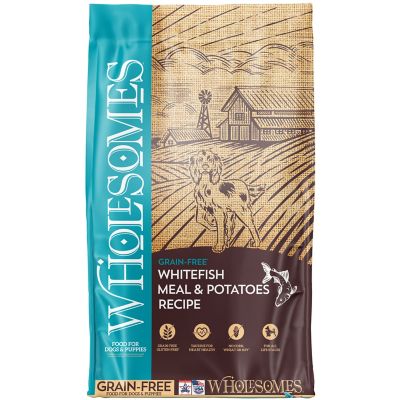
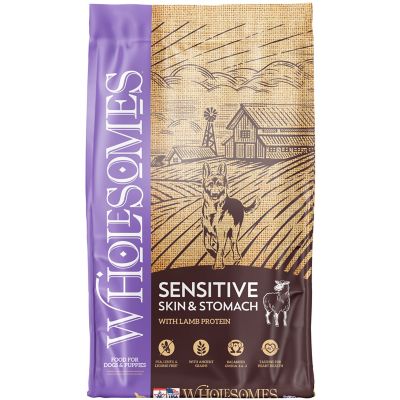
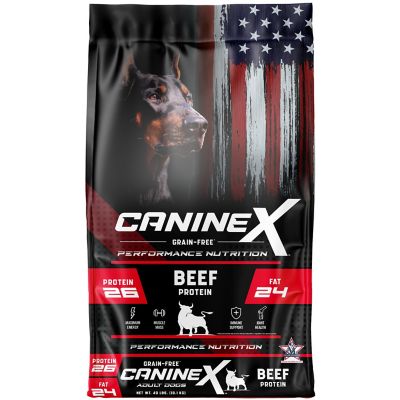
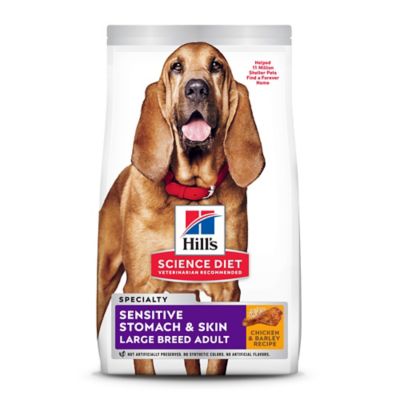
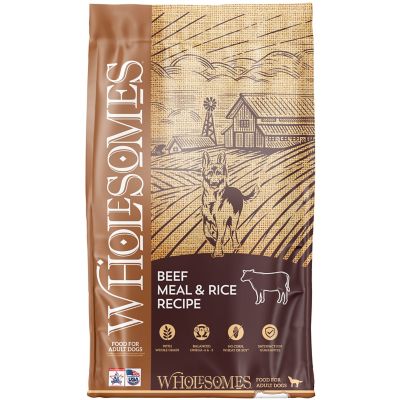
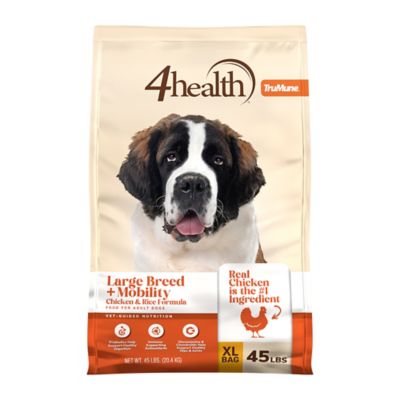
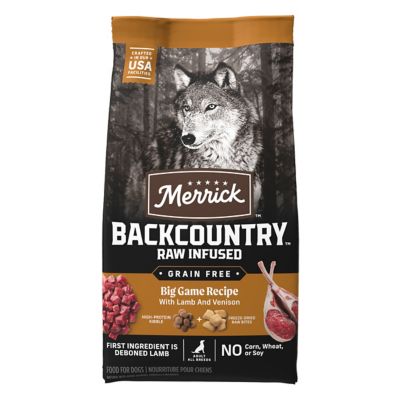
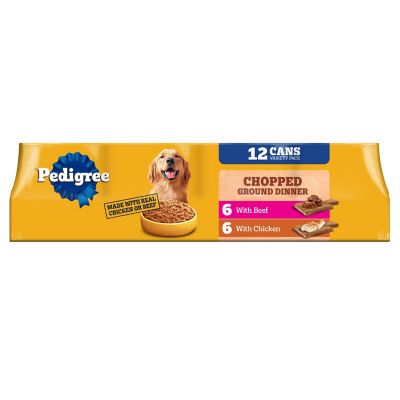
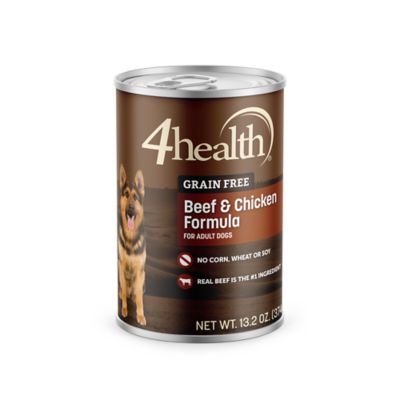
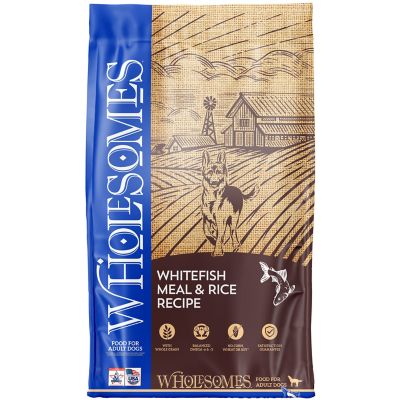
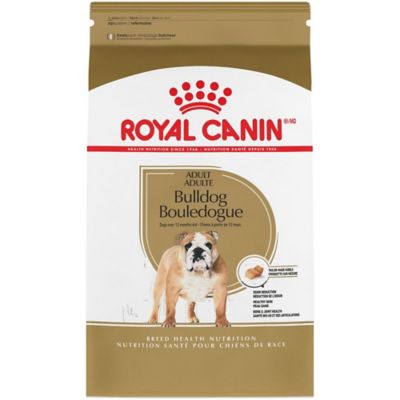
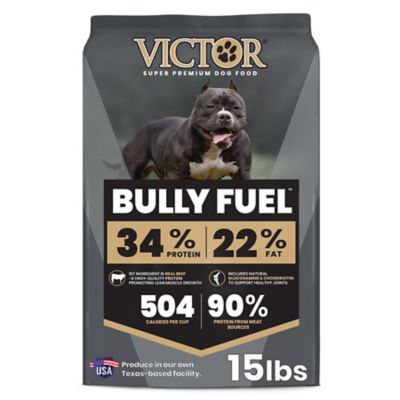
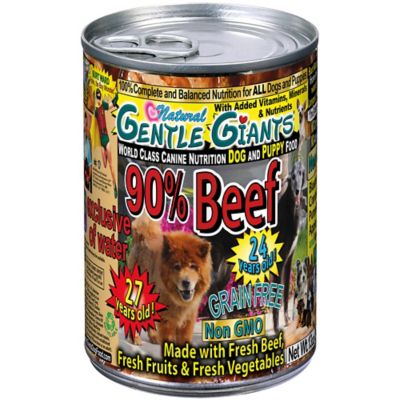
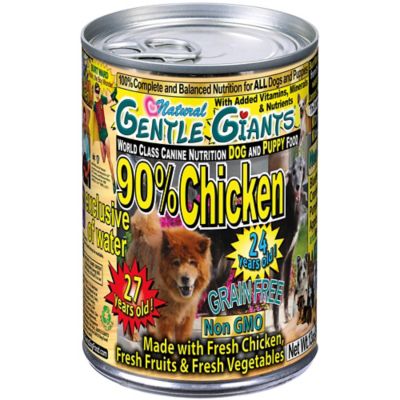
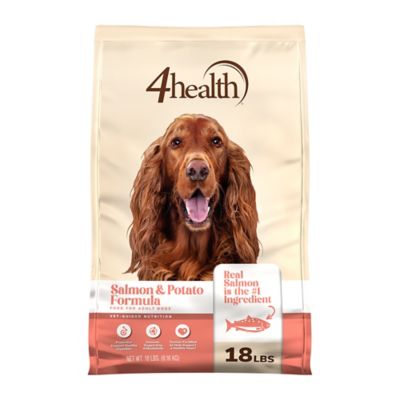
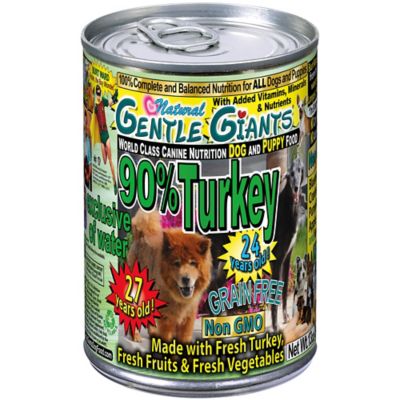
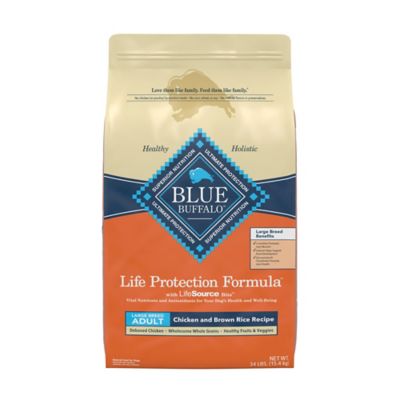
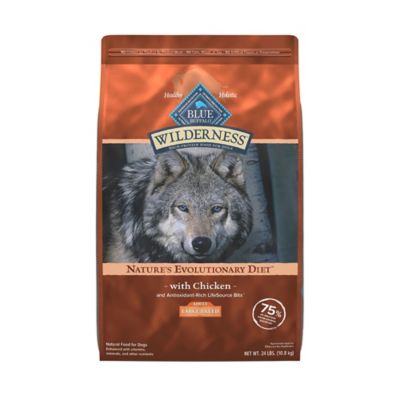
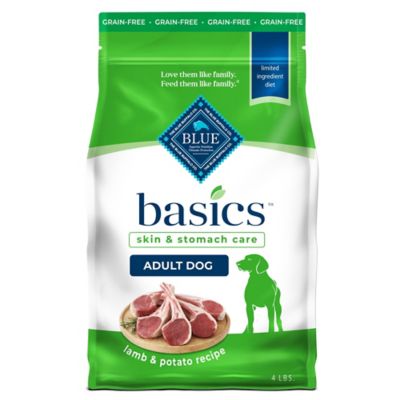
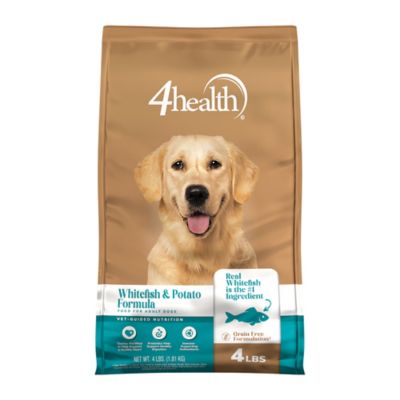
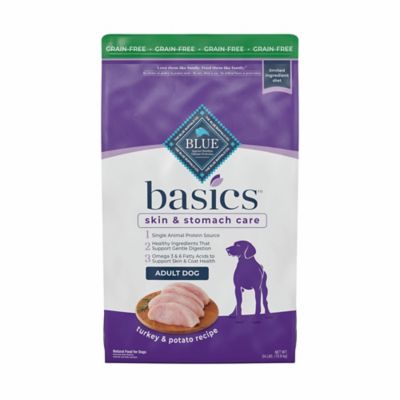
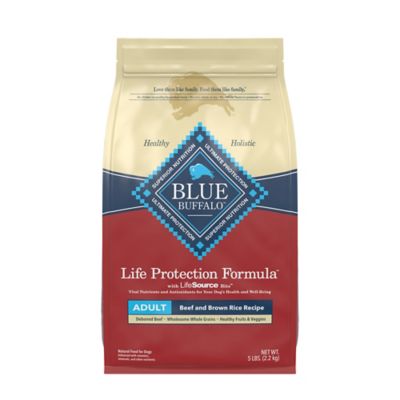
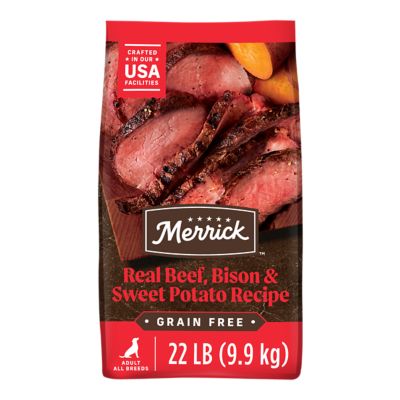
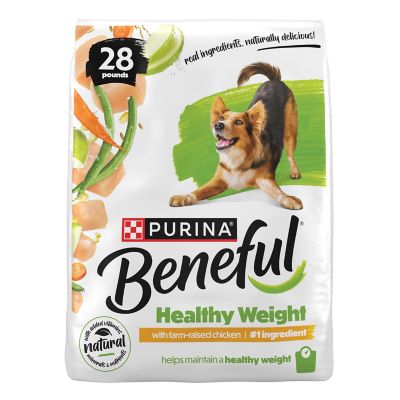
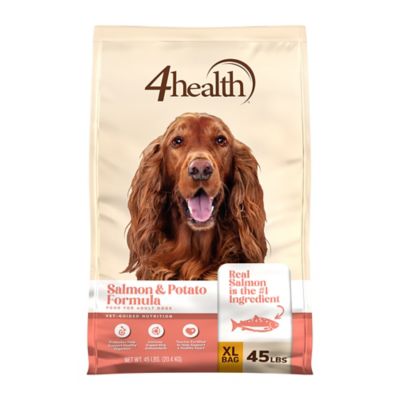
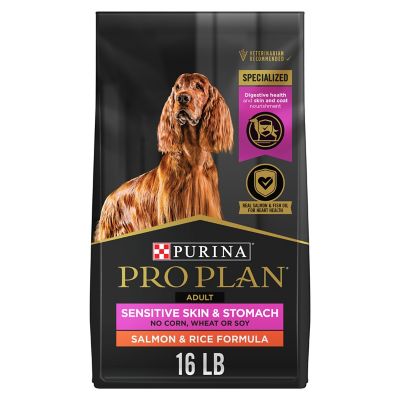
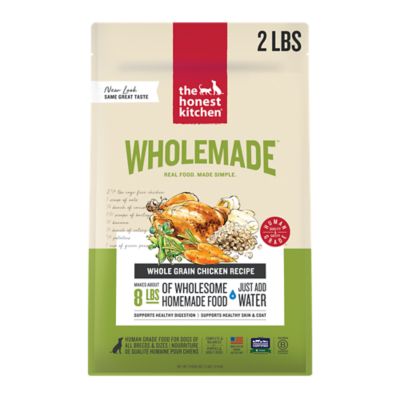
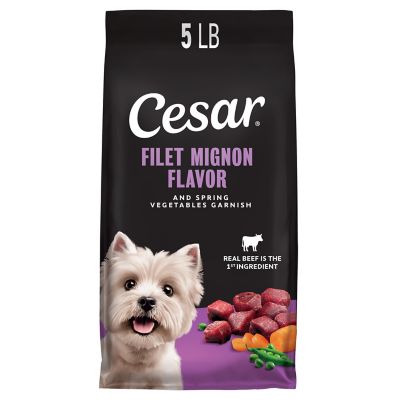
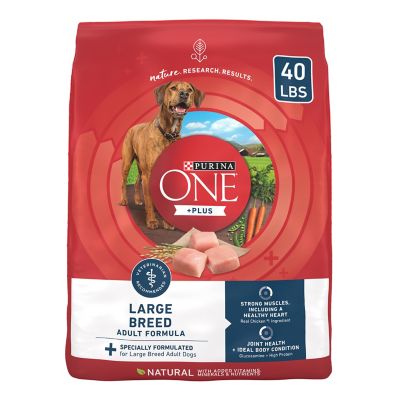
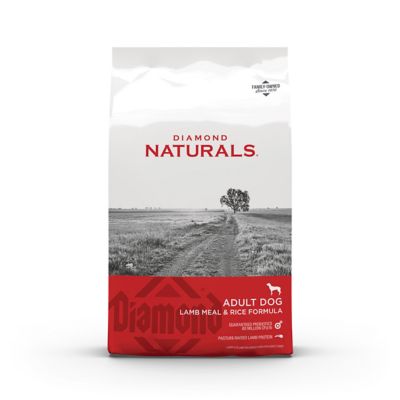
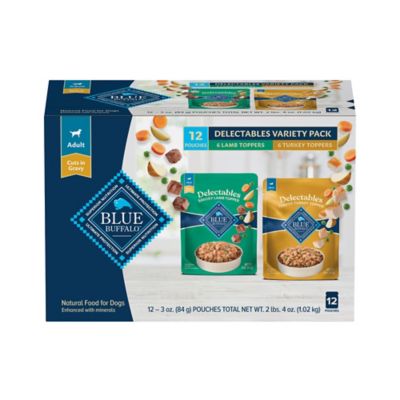
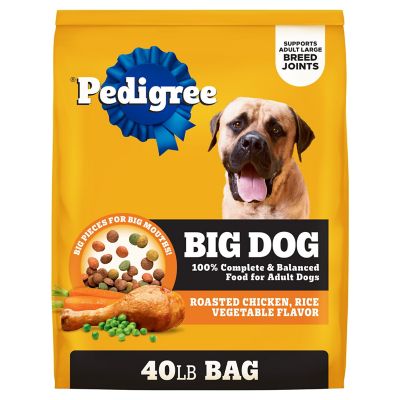
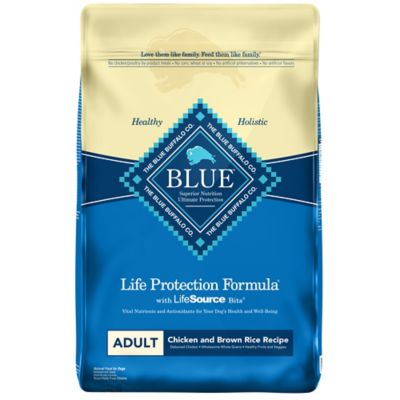
American Bulldogs are strong, athletic dogs with broad chests, powerful shoulders, and plenty of enthusiasm for a game of fetch, a long walk, or a busy day on the farm. Their food should help support that sturdy build without adding unnecessary weight. When shopping for dog food for an American Bulldog, start with a complete and balanced formula made for the dog’s life stage and size. Large-breed recipes are often a practical choice because they are designed with the calorie needs, bone development, and body structure of bigger dogs in mind. Look for a named animal protein near the top of the ingredient list, such as chicken, beef, lamb, turkey, or fish, and check the guaranteed analysis for a protein level that supports an active adult dog. Many large, muscular dogs do well with food in the range of 22% to 26% protein, though the best choice depends on age, activity, body condition, and advice from your veterinarian. Moderate fat can provide steady energy for daily exercise, with many owners looking for roughly 8% to 14% fat on a dry-matter basis. Ingredients that provide omega-3 fatty acids, including EPA and DHA from fish or fish oil, may help support healthy skin and a glossy coat while also supporting comfortable movement. A recipe with glucosamine and chondroitin can be worth considering for a heavy-set dog whose hips, elbows, and knees work hard every day. These nutrients are not a substitute for veterinary care, but they can fit into a thoughtful nutrition plan for an American Bulldog that loves to run, climb, wrestle, and stretch out in the grass after a busy afternoon.
Age matters just as much as breed when choosing food. American Bulldog puppies grow quickly, and large-breed puppy food can help provide controlled nutrition for gradual, steady bone and muscle development. During the first 12 to 14 months, avoid treating a puppy like a small adult dog by overfeeding or adding supplements without professional guidance. Too many calories or excess nutrients can put extra stress on developing joints. Follow the feeding chart on the package as a starting point, then adjust with your veterinarian as your puppy grows. An adult American Bulldog generally benefits from measured portions served on a regular schedule, often divided into two meals rather than one large serving. This routine can make it easier to manage hunger, energy, and weight, and it may help reduce the chance of digestive trouble associated with gulping down a very large meal. Allow time for quiet rest before and after eating, especially if your dog tends to eat fast or has a deep, broad chest. Slow-feed bowls, portioning food into smaller servings, and keeping fresh water available can all make mealtimes calmer. Senior American Bulldogs may need fewer calories as their activity level eases, along with nutrition that continues to support lean muscle and comfortable mobility. Keep an eye on the shape of your dog’s waist and the feel of the ribs under the coat; you should be able to feel the ribs without seeing them sharply. A dog that is carrying extra weight may tire sooner on walks and place more strain on already hardworking joints, while a dog that is too thin may need a different feeding plan or a health check.
Food sensitivities are another important part of the shopping decision. Some American Bulldogs develop itchy skin, recurring ear trouble, gas, loose stools, or vomiting after eating certain ingredients, although those signs can also have other causes. If your dog has a sensitive stomach or a suspected allergy, write down what they eat and speak with a veterinarian before making several changes at once. A limited-ingredient recipe or a formula built around one primary animal protein may make it easier to identify what your dog tolerates, but an elimination diet should be handled carefully and consistently. When changing food, blend the old and new recipes over about a week, increasing the new food gradually so the digestive system has time to adjust. Store dry food in a cool, dry place with the bag closed tightly, and use a clean scoop so moisture and pests stay out. For households with more than one dog, keep each pet’s food and portions separate when possible; the most active dog in the group may not need the same calories as an older companion. Dog food can also make a useful gift for a new American Bulldog owner, a family bringing home a large-breed puppy, or a neighbor caring for a dog during the cooler months, especially when paired with a measuring cup, airtight storage container, or durable feeding bowl. Those shopping for another breed-focused option may also find
Blue Buffalo Dog Food for French Bulldog helpful for comparing nutrition made with a different body type in mind. Whether your American Bulldog spends the day working beside you, playing in the yard, or snoozing near the back door, the right food, sensible portions, and a steady feeding routine can help keep that big personality feeling strong and ready for whatever the day brings.