Christmas dog gifts bring a little holiday fun to the routines that make life with a dog special, from a game in the yard after chores to a quiet evening beside a favorite chair. Gifts for dogs can be playful, practical, or a bit of both, with choices shaped by a dog’s size, age, habits, and place in the family. A pup that carries something everywhere has different preferences from a determined chewer or an older companion that would rather settle down close to the action. With
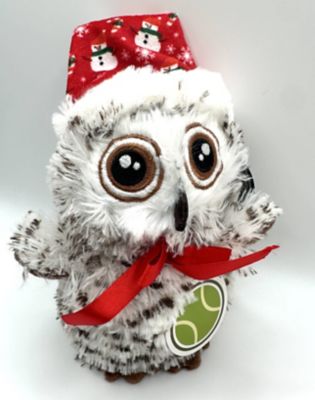
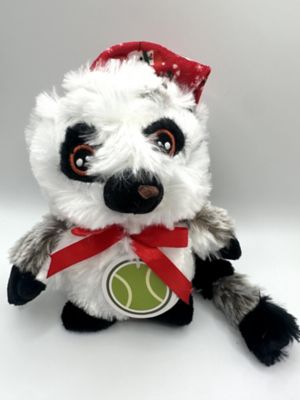
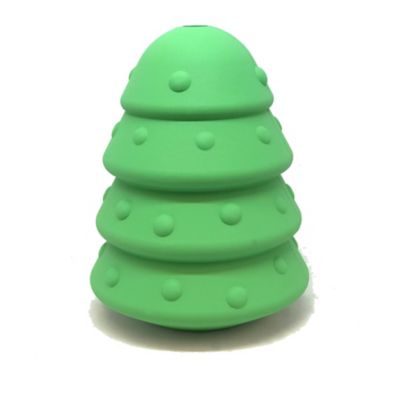
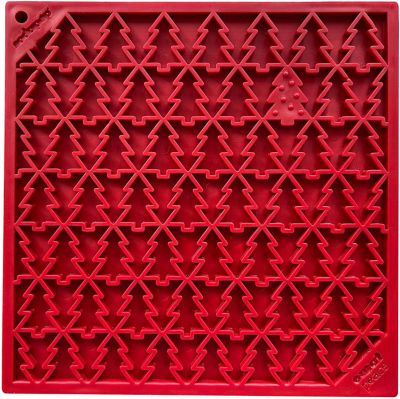
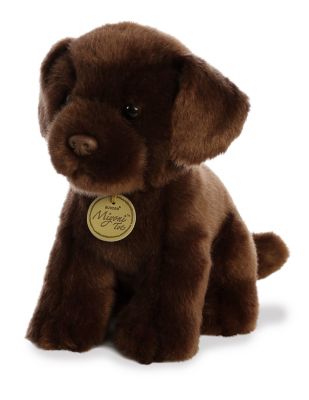
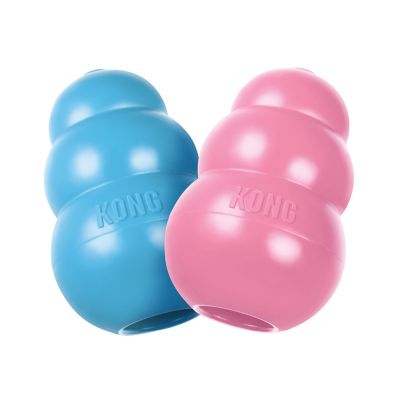
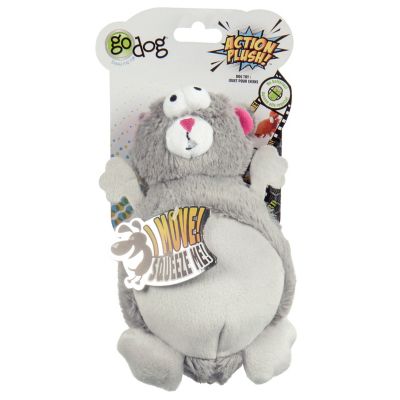
dog Christmas toys, familiar ways to play get a festive touch without losing sight of what keeps a dog interested. Soft fabrics can suit dogs that enjoy carrying and cuddling, while rubber toys offer a different feel for chewing, fetching, and games shared with a person. Texture, weight, and shape all affect how a toy handles, especially for a small mouth or a dog that has trouble gripping smooth surfaces. A toy should be large enough that it cannot be swallowed, yet manageable enough for the dog to pick up and carry comfortably. Seams, attachments, and the way a dog pulls at fabric matter just as much as the look of a gift tucked beneath the tree. No toy stands up to every chewing style, and regular checks for loose pieces or torn material help keep playtime on track. Treat-dispensing toys can add interest for dogs that enjoy working out a small challenge, provided the opening and difficulty suit their experience. Washable surfaces are handy when a new favorite makes the trip from the living room to a muddy yard and back again. For households with more than one dog, individual play preferences deserve a little attention, too. One may love a lively round of fetch while another is happiest carrying a soft companion to bed. The best match feels like part of that dog’s everyday routine, not just something that looks cheerful in a stocking.
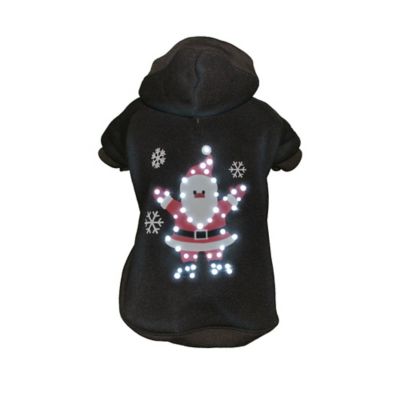
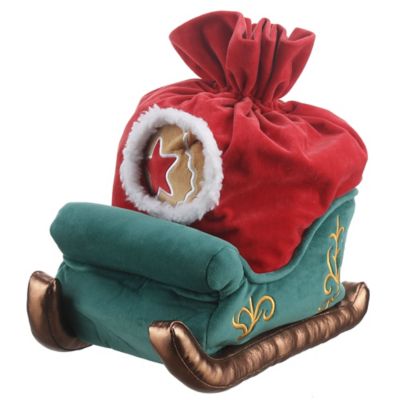
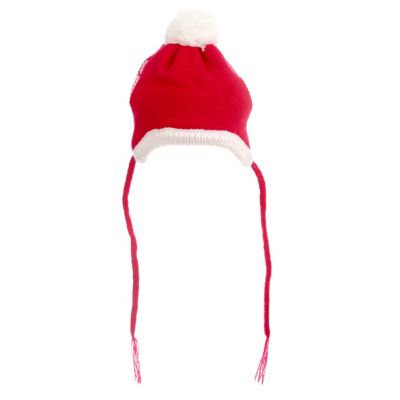
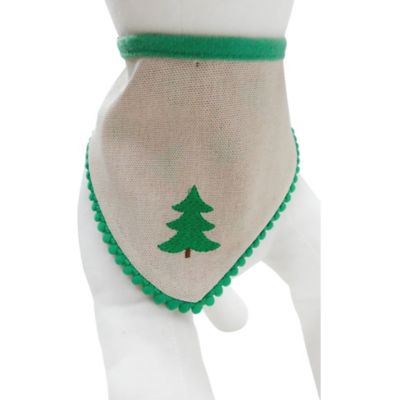
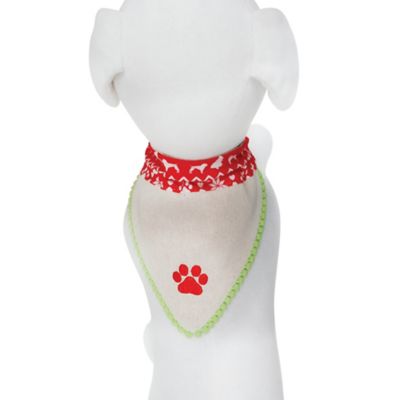
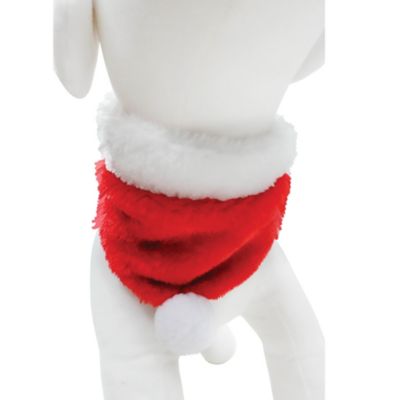
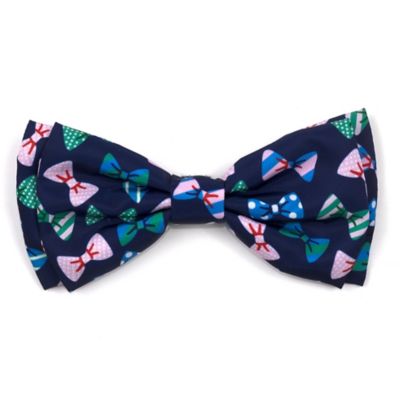
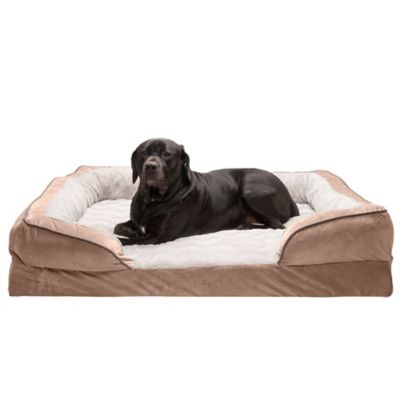
Comfort-focused Christmas gifts have a place in a dog’s daily life long after the wrapping paper is cleared away. Beds, blankets, and other resting essentials give dogs a comfortable spot near the people they follow from room to room. A dog that stretches out across the floor needs a different sleeping surface from one that curls into a tight circle with its nose tucked under its tail. Bed dimensions are worth considering alongside a dog’s weight, since a tall, lean dog may need more room than expected. Low edges can make getting settled easier for an older dog, while raised sides may appeal to one that likes a place to rest its chin. Supportive padding should suit the dog’s size, and a removable, machine-washable cover can make routine cleanup simpler. Fabric texture matters in a house where paws track in dirt, loose hair collects along the seams, and blankets sometimes become a nest. Care labels help set expectations for washing and drying, particularly with filled bedding that needs time to dry all the way through. Clothing can also make a thoughtful Christmas gift when it serves a dog’s needs rather than getting in the way. For dogs that benefit from an extra layer on cold outings, coverage and fit matter more than a festive pattern. Chest, neck, and back measurements give a better starting point than weight alone, since broad shoulders, a deep chest, or a long body can change how a garment sits. The fit should allow an easy stride, comfortable sitting, and bathroom breaks without bunching or rubbing. Fasteners should stay clear of sensitive areas, and any opening for a harness needs to line up with the gear the dog wears. Some dogs are perfectly happy without clothing; a soft place to land after a walk may be the more welcome gift. That kind of attention turns a holiday present into something useful, whether the recipient spends the day tagging along with chores or keeping watch from the couch.
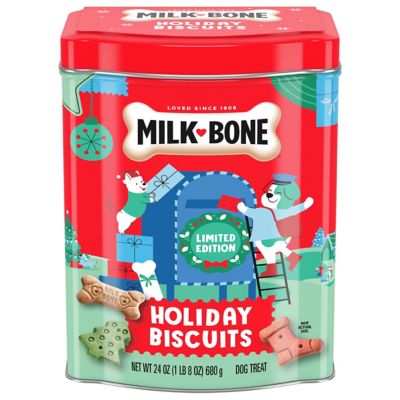
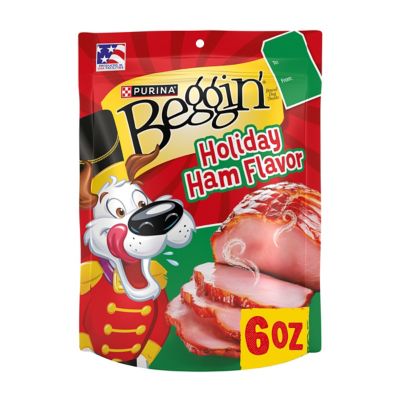
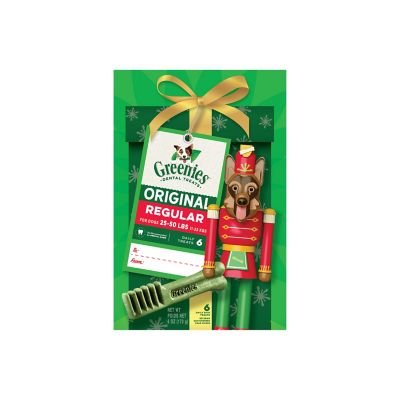
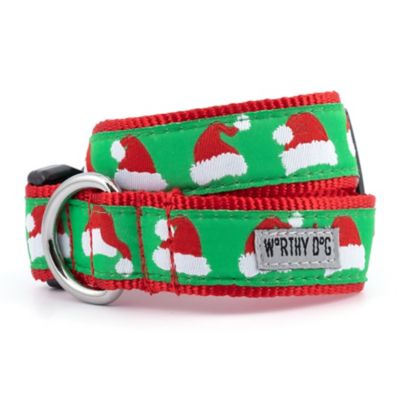
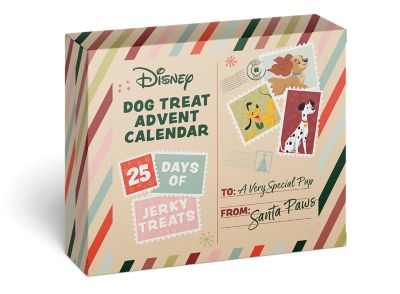
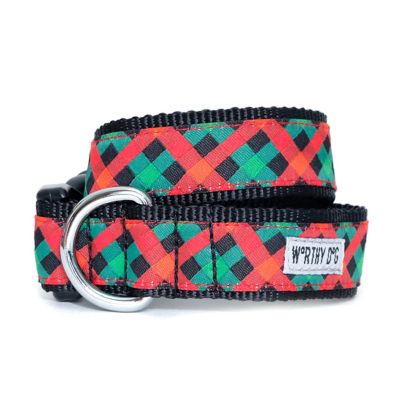
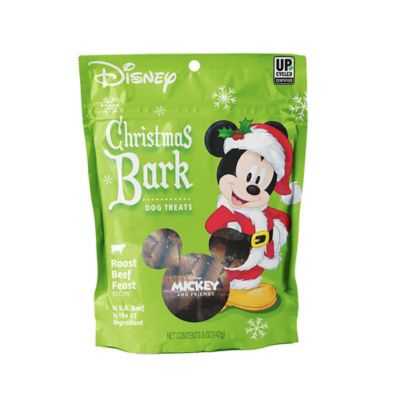
Treats and everyday gear round out Christmas dog gifts with choices that fit walks, training sessions, visits, and quiet time at home. Food gifts call for a little knowledge of the dog receiving them, especially when a friend or family member is filling the stocking. Ingredient lists, feeding directions, and the dog’s usual diet matter more than holiday shapes or packaging. Small treats can work well for rewarding a quick response at the door or a calm moment while company comes in, while richer snacks may need smaller portions. Dogs with food sensitivities or prescribed diets need gifts that stay within their feeding plan, so checking with their person helps avoid an unwelcome surprise. Chews also deserve a close look at size, texture, and intended life stage, with supervision suited to the dog’s chewing habits. Beyond food, walking essentials can be a welcome gift for the person who heads down the lane with a dog every morning. Collars and harnesses need a secure fit without rubbing behind the legs or pressing against the throat, and leash weight should feel manageable for both dog and handler. Hardware, stitching, and care directions offer clues about how well gear will handle repeated outings and cleanup. Travel-related gifts can be useful for dogs that ride along to family gatherings, though vehicle restraints need to suit the dog and the vehicle rather than simply match the rest of the gear. When giving to another household, knowing the dog’s measurements and routines makes practical gifts easier to get right. A new puppy, a longtime farm companion, and a senior dog can all share in Christmas traditions, just with different needs. Keeping ribbon, wrappers, and small package pieces out of reach leaves the celebration centered on the dog’s gift. Thoughtful Christmas dog gifts make room for that dog’s personality while supporting the play, rest, and companionship that fill the days beyond the holiday.