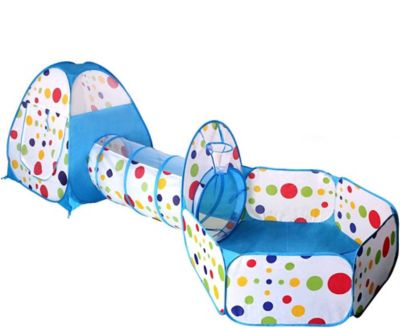
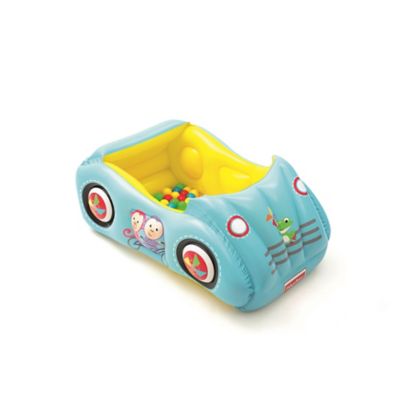
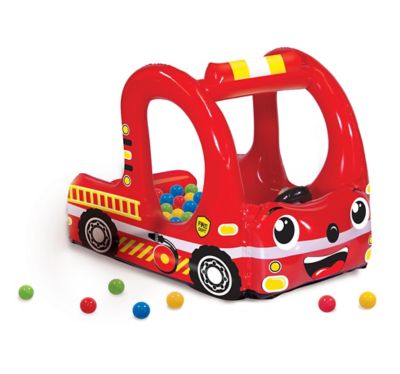
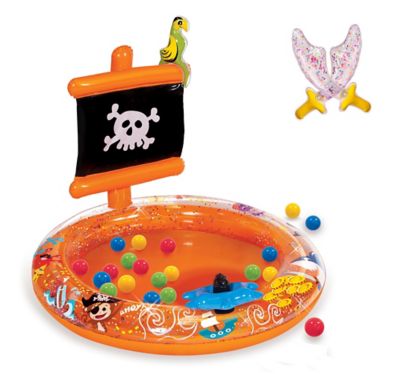
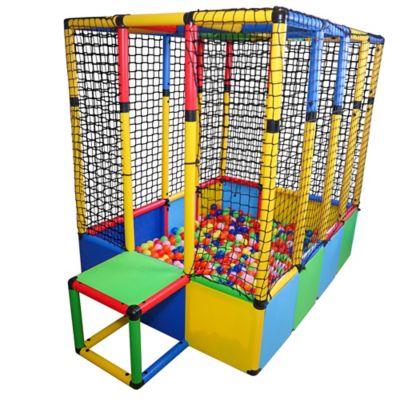
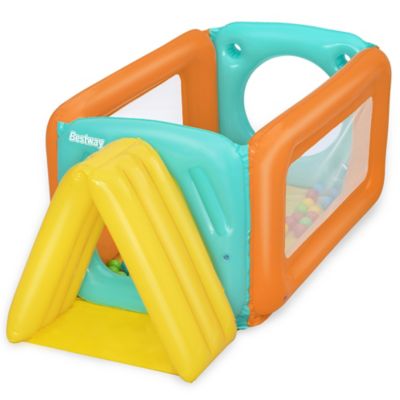
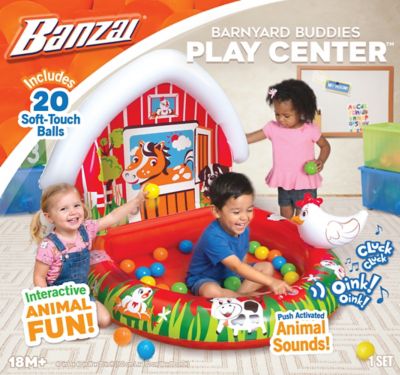
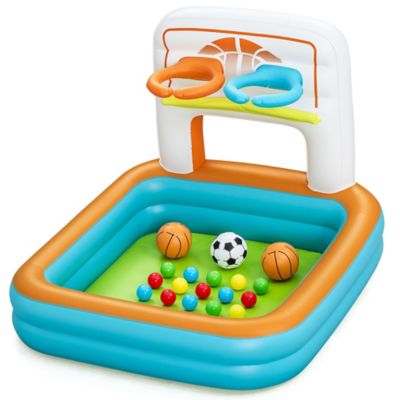
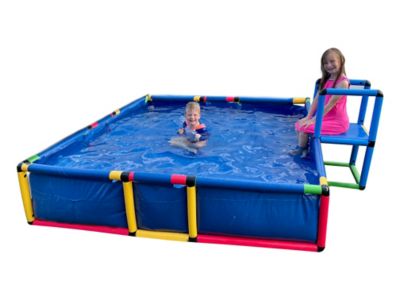
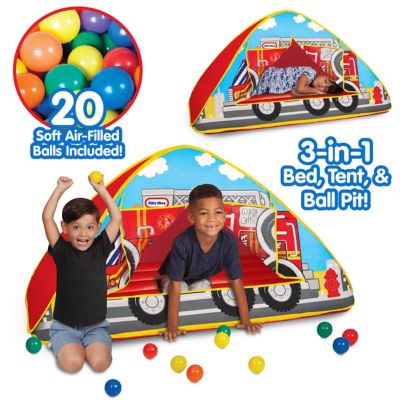
A dog ball pit can turn an ordinary corner of the house, barn, porch, or fenced yard into a place made for curious noses and wagging tails. These playful setups give dogs a chance to burrow, paw, nudge, sniff, and search, which makes them a handy choice for active dogs that enjoy having something to do. Some dogs dive right in with all four feet, while others take a slower approach, circling the edge and investigating each ball before they join the fun. A ball pit can be especially useful when outdoor time is limited by cooler weather, muddy ground, or a busy household, giving your dog a way to enjoy movement and mental stimulation indoors. It can also be a cheerful addition to a dog’s play area during family gatherings, when a pup needs a safe activity away from foot traffic and dropped food. For dogs that already love retrieving, nosing through blankets, or digging in the yard, a ball pit may become a favorite spot for independent play. Pairing it with other engaging options, such as
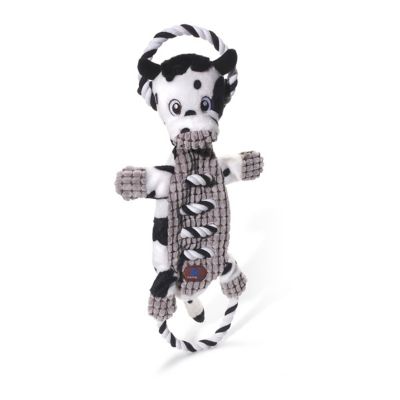
Bouncy Dog Toys, can help keep a play space fresh and interesting without relying on the same game every day. A ball pit also makes a thoughtful gift for a new puppy, a recently adopted dog, or a family with a playful companion that seems to have energy to spare. It is the kind of gift that can create a little commotion at first, followed by the satisfying sight of a tired dog settling down after a good round of play.
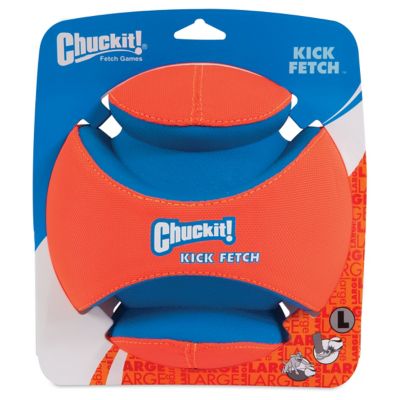
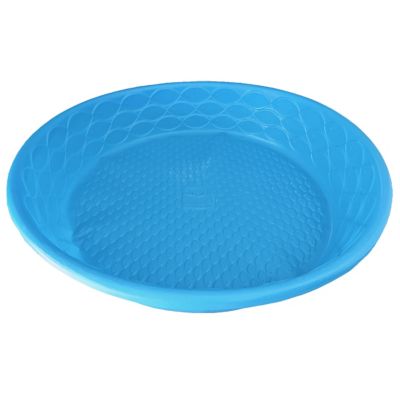
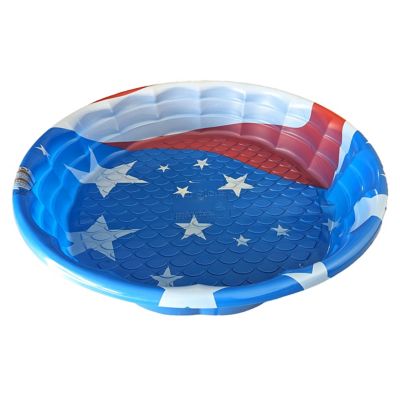
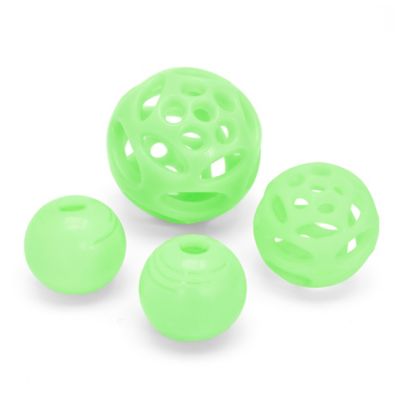
When choosing a dog ball pit, start with the dog rather than the room. A small dog may be comfortable with a lower-sided pit and smaller play area, while a large or long-legged dog needs enough space to step in, turn around, and move without feeling cramped. Measure the spot where the pit will be used, allowing room around it for your dog to enter and exit easily. A stable base and durable sides are important for dogs that play with plenty of enthusiasm, especially if they tend to pounce, lean, or tumble during play. Look for materials that feel sturdy but comfortable, with seams and edges that can stand up to regular use. Easy-clean construction is helpful, since dog hair, slobber, dirt, and the occasional muddy paw are simply part of life with an energetic pet. If the ball pit will be used outdoors, consider how it will handle grass, dust, dampness, and changing weather, and plan to bring it into a dry place when it is not in use. Ball size matters, too. The balls should be large enough that your dog cannot easily fit one fully in its mouth, particularly if you have a strong chewer or a dog that likes to carry everything around. Keep an eye out for cracked, punctured, or chewed pieces and remove damaged parts promptly. Dogs have different play styles, so a pit that works beautifully for a gentle sniffer may not be the best match for a determined digger. Reading the listed dimensions and care details carefully can help you choose a setup that fits both your dog’s habits and your available space.
Introducing a dog ball pit works best as a relaxed, positive experience. Set it up in a familiar area and let your dog inspect it at their own pace rather than lifting them in and expecting instant excitement. A few favorite treats or toys placed near the entrance can make the new space feel inviting, and calm praise can encourage a cautious dog to take that first step. Stay nearby during early play sessions so you can see how your dog uses the pit and make sure the activity stays safe. Some dogs will happily nose through the balls for several minutes, while others may prefer short sessions followed by a nap or a walk. Supervision is especially important for puppies, dogs that chew, and households with more than one dog, since excitement can lead to rough play or resource guarding. Keep the area on a level surface, away from stairs, sharp objects, hot equipment, and anything your dog could knock over while playing. Regularly inspect the pit and its contents, shake out loose debris, and clean everything according to the care instructions. During the cooler months, an indoor ball pit can bring a bit of lively barnyard-style fun into the mudroom or laundry area, while a covered outdoor space can offer a welcome outlet when the ground is dry and comfortable. With the right size, sensible supervision, and a setup that matches your dog’s personality, a dog ball pit can become more than a novelty—it can be a dependable place for play, sniffing, and those goofy, happy moments that make sharing life with a dog so rewarding.