Dinner napkins give everyone at the table a handy place to wipe their hands, catch a crumb or protect a lap from a stray drip of gravy. They belong at a weeknight supper just as much as at a table set for company, and the right choice comes down to how you serve meals and what happens afterward. Paper dinner napkins offer a fresh napkin for each place setting without adding to the laundry, while cloth dinner napkins can go back into the rotation after washing. Both have a place in a busy household, whether supper means a casserole at the kitchen table or a full spread with relatives pulling up extra chairs. Paper options vary in thickness, texture and folded size. Multiple layers can give a paper napkin more body, though the feel and absorbency also depend on its construction. A substantial dinner napkin makes sense for saucy meals, while a lighter option may suit a simple sandwich plate. Cloth brings a different feel to the table, with fabric choices that affect softness, drape and care. Cotton generally absorbs moisture well and feels comfortable against the hands and face. Linen has a textured look, tends to soften with repeated washing and naturally shows creases. Polyester often resists wrinkling and holds its shape, although absorbency varies and oily spots may need extra attention. Cotton-polyester blends balance characteristics of both fibers, with the exact feel depending on the blend and weave. Fabric weight matters, too: a light napkin folds easily, while a heavier one can sit more firmly on the lap. For families sitting down after chores, hosts serving a long meal or anyone who enjoys a neatly set table, dinner napkins add a practical finishing touch without making supper feel fussy. The best match is one that feels right for the meal and fits comfortably into the household routine.
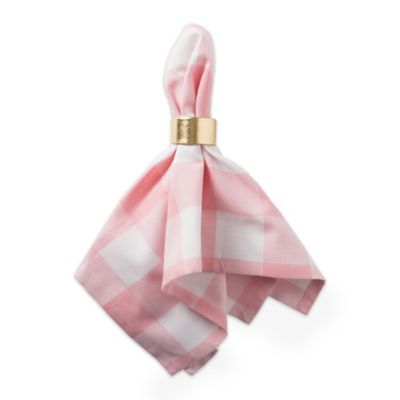
Size and construction make a noticeable difference once plates, glasses and serving bowls are on the table. Cloth dinner napkins often measure about 18 to 22 inches square, although dimensions vary, so the listed measurements matter more than a photo of a folded napkin. A larger square offers more lap coverage and room for a substantial fold; a smaller one takes up less space beside a crowded place setting. Paper napkins may list both folded and unfolded dimensions, which helps explain how much coverage they provide when opened. Napkin rings also work better with some fabrics than others. A thick cloth may fill a narrow ring tightly, while a lighter fabric slips through with less bunching. For everyday meals, a simple rectangle or loose fold beside the plate keeps the table tidy and makes the napkin easy to reach. A smooth hem, even stitching and neatly finished corners are useful details in cloth napkins that will see frequent washing. Care requirements deserve a look before choosing fabric for a busy kitchen. Some cloth napkins tolerate machine washing and tumble drying, while others call for gentler handling, line drying or pressing. Cotton and linen may shrink, particularly with higher heat, so the care label should guide washing and drying. Food stains are generally easier to address before they set, and rubbing a spill hard can spread it or work it farther into the fibers. Blotting excess sauce, treating the spot with a fabric-appropriate product and checking it before machine drying can help preserve the napkin’s appearance. Dark colors and printed fabrics may have different care needs from plain white fabric, especially when stain treatments are involved. Paper dinner napkins avoid those laundry steps, but their disposal still deserves attention. Food-soiled paper often does not belong in household recycling, local composting rules vary, and paper napkins should go in the appropriate waste container rather than down the toilet. These practical differences help separate an easy everyday choice from one better suited to occasional entertaining.
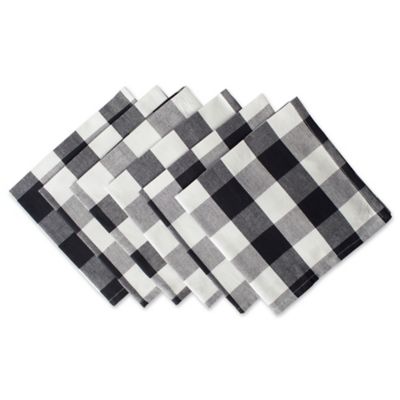
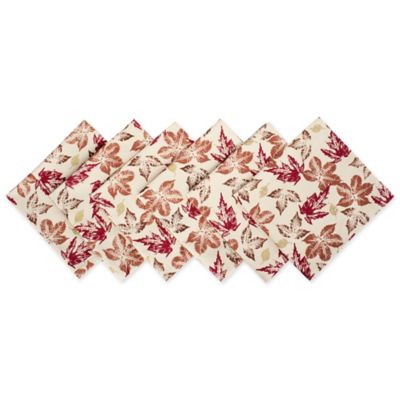
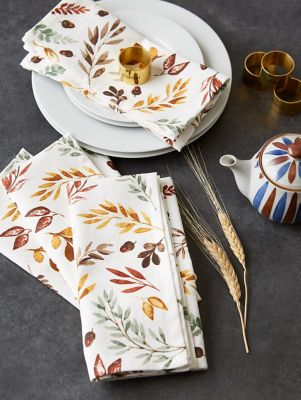
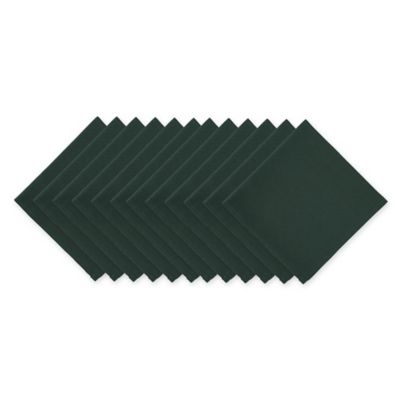
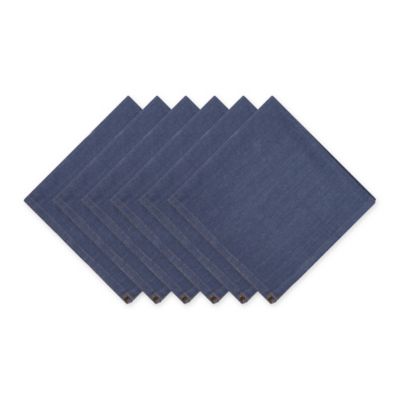
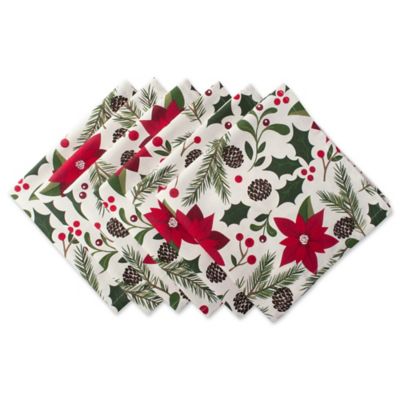
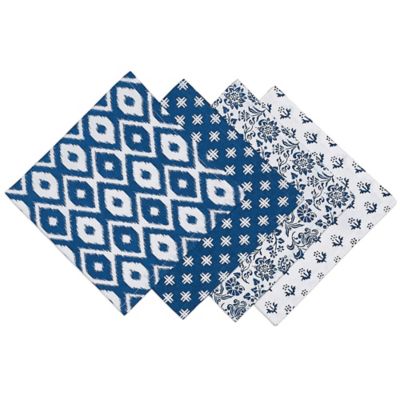
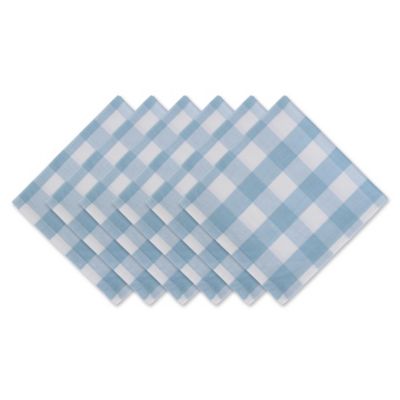
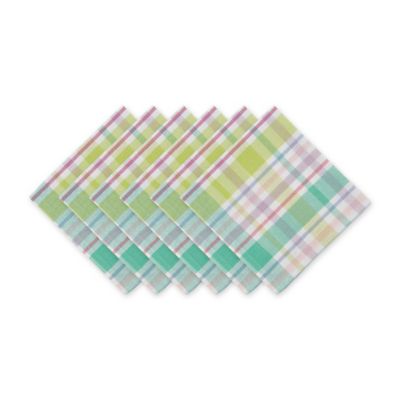
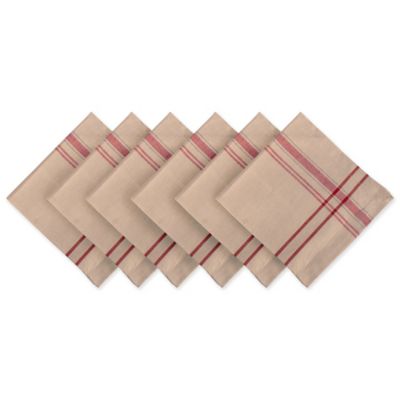
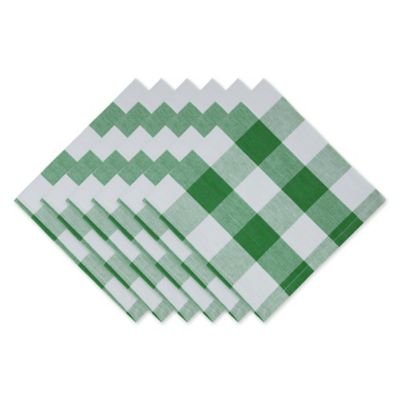
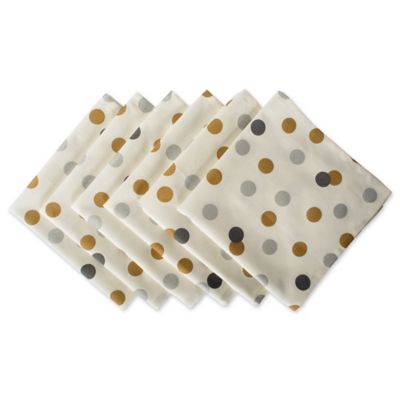
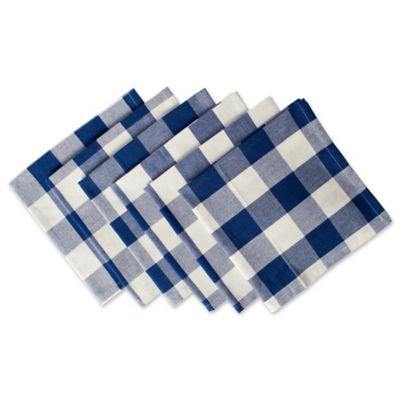
Color and pattern can tie dinner napkins into the rest of a table setting without requiring matching pieces from end to end. White and cream work alongside many plates and tablecloths, while deeper shades bring contrast to pale dishes. Checks, stripes and small prints feel at home around a farmhouse table, especially with plain dinnerware and simple glassware. Solid colors can keep a table from looking crowded when the dishes already carry a pattern. The finish matters as much as the color: a relaxed linen texture gives a different impression from a smooth, crisply pressed cloth. For a family supper, slight wrinkles may suit the setting just fine; for an anniversary dinner or a reception, a sharper fold can lend a more polished look. Meal service plays a part in quantity and placement, too. A seated dinner calls for a napkin at each place, with a few extras handy for spills or unexpected guests. At a buffet, keeping napkins near the plates or flatware helps guests gather what they need without reaching across the food. Larger gatherings may call for more than one napkin per person, particularly when appetizers and dessert come at separate times. Paper napkins make sense when cleanup needs to stay simple, while cloth can suit a smaller group or a household with an established laundry routine. A cloth set can also make a thoughtful housewarming or wedding gift for someone who enjoys cooking and gathering people around the table. Neutral colors and straightforward care requirements make that kind of gift easier to fit into an existing kitchen. For a meal centered on turkey, stuffing and a table full of family favorites,
Thanksgiving Napkins offer a related direction for the place settings. Whether the table holds mismatched everyday plates or dishes saved for company, dinner napkins should earn their place through comfortable handling, useful coverage and care that suits the way the household runs. A stack within easy reach leaves everyone free to settle in, pass the bread and enjoy the meal.