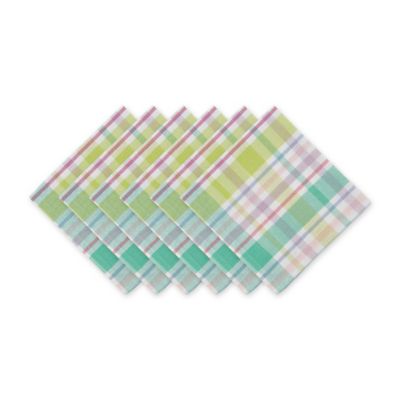
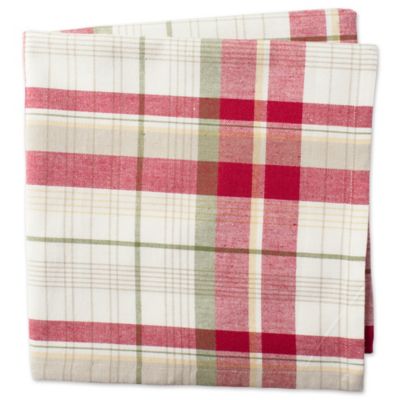
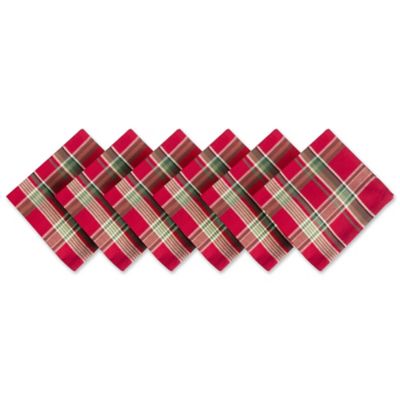
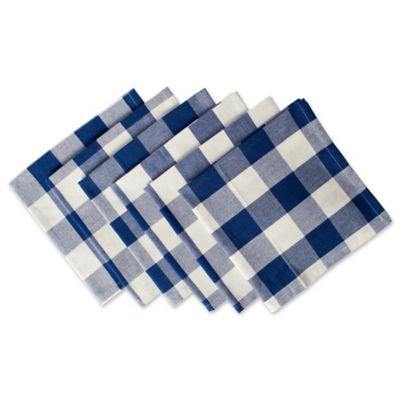
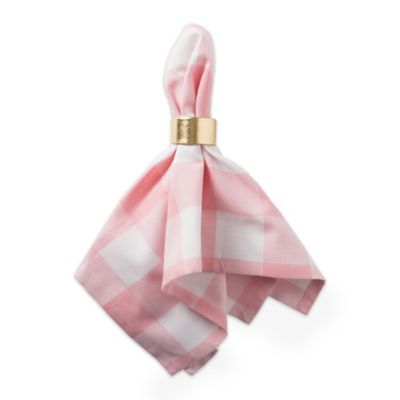
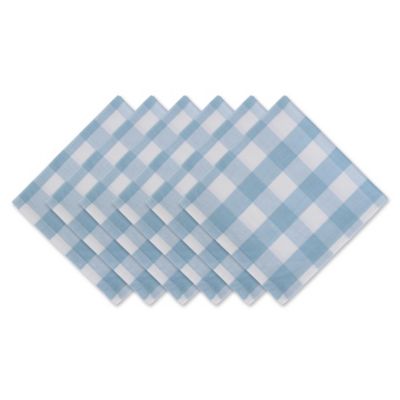
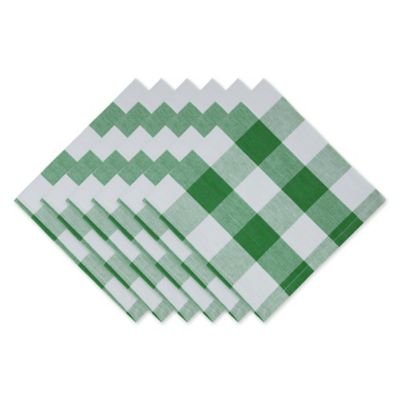
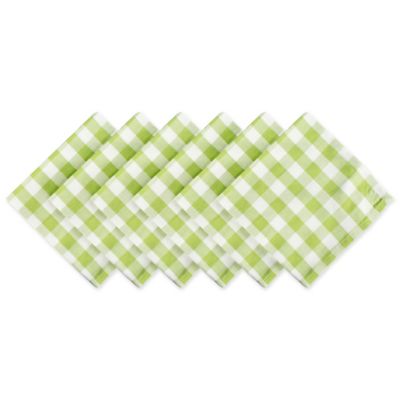
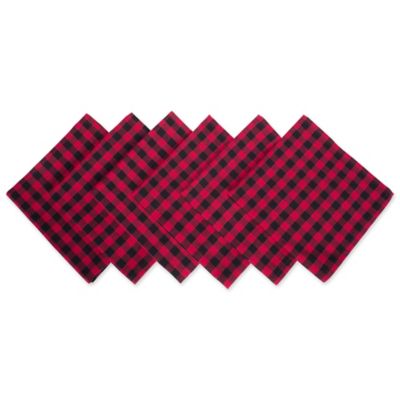
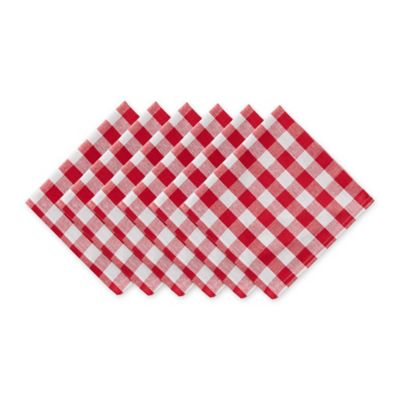
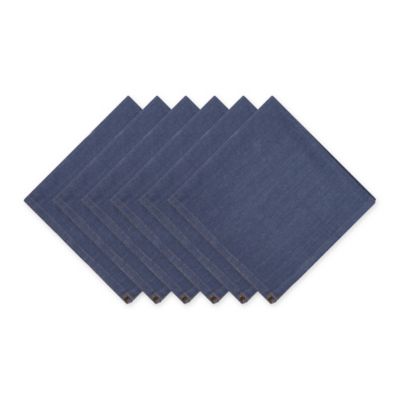
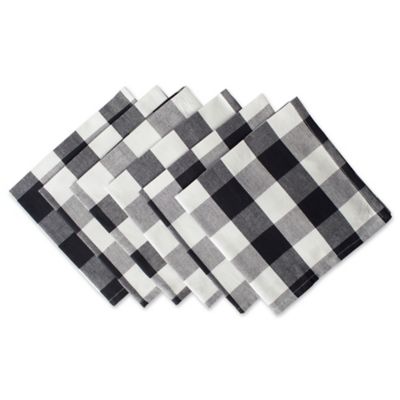
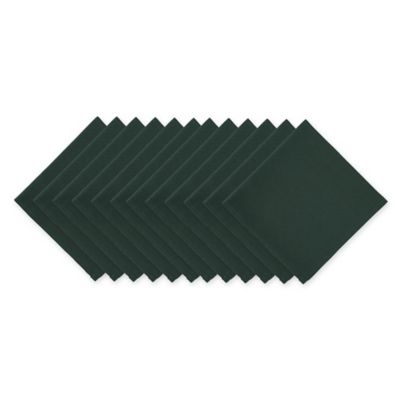
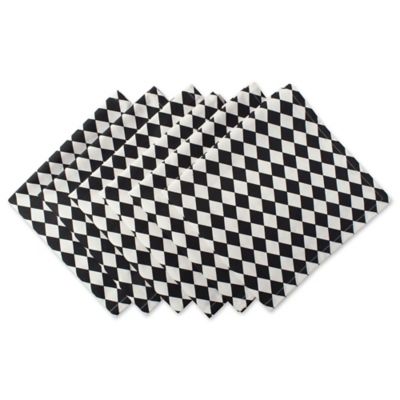
Plaid napkins bring intersecting stripes and familiar color combinations to the table, whether the meal is a quick supper after chores or a sit-down gathering with the whole family. Their appeal comes from the balance of pattern and practicality: a napkin handles the everyday work of catching crumbs and wiping hands while giving each place setting a little more character. Plaid patterns range from broad, bold checks to smaller arrangements of crossing lines, so the overall look can feel easygoing, tidy, or a bit more dressed up. Large checks stand out against plain dishes and a bare wood tabletop, while finer patterns add detail without drawing attention away from the food. Red and black make a strong pairing, blue and white feel crisp, and tan, cream, or gray can settle comfortably alongside stoneware and wood. Color is only part of the picture, though. The spacing and thickness of the stripes affect how busy a napkin looks, especially when several place settings sit close together. A smaller table often benefits from a little breathing room between patterned pieces. Solid plates, clear drinking glasses, and a simple tablecloth let plaid take the lead without making the whole spread feel crowded. When another pattern is already on the table, carrying one shared color through both fabrics helps tie things together. Matching every shade is not necessary; a navy stripe can connect with blue dishes just as easily as a cream background can echo a light-colored runner. The way the napkin is placed also changes how much pattern shows. A loose fold beside the fork feels relaxed, while a rectangle across the plate puts the crossing stripes front and center. For a potluck, a stack of folded plaid napkins beside the serving dishes makes sense without requiring a fully set table.
Material makes a real difference in how plaid napkins feel, absorb moisture, and fit into the household routine. Cotton is a common choice for cloth napkins because it generally offers a soft hand and good absorbency, though the weave and fabric weight influence both. A lighter cotton can fold neatly into a small space, while a more substantial fabric gives a place setting extra body. Linen has a textured feel and a naturally relaxed appearance, with creasing that may suit a farmhouse table better than a perfectly pressed finish. Polyester and cotton-polyester blends can offer easier wrinkle management, depending on their construction, but absorbency varies and deserves attention when wiping hands matters more than a crisp fold. Material percentages on the label tell more than appearance alone. Paper plaid napkins serve a different purpose, keeping cleanup straightforward at larger gatherings or meals where washing a stack of linens would add extra work. Their ply count and folded dimensions help explain how substantial they may feel in hand. For cloth options, the pattern may come from different-colored yarns woven together or from printing on the fabric. A woven design may show clearly on both sides, while a printed design may have a lighter reverse; photographs and product details help clarify that distinction. Stitching matters, too. Even hems, secure corners, and consistent seams are worth a look when napkins will pass through the laundry often. Size should match the job rather than just the look of the table. Smaller napkins suit snacks, drinks, and light bites, while larger dinner napkins provide more lap coverage and more fabric for wiping hands during a full meal. Listed measurements may describe the unfolded size, so checking that detail helps avoid surprises. A generous square also leaves more room for folds or napkin rings, while a smaller square takes up less space beside crowded place settings.
Everyday plaid napkins earn their place when caring for them fits the pace of the household. Machine-washable cloth can be practical for regular meals, but washing temperature, drying method, and ironing instructions vary by fiber and finish. The care label is the best starting point, especially with dark stripes, mixed fabrics, or napkins that need to hold a particular shape. Cotton and linen may shrink, and dark colors may release dye, so following any directions for a separate first wash helps protect the rest of the load. Prompt attention to gravy, barbecue sauce, or berry stains usually makes cleanup easier than letting food dry into the fibers. A suitable stain treatment should match the fabric and its care directions, and checking the spot before machine drying can help prevent heat from setting a remaining mark. For a relaxed table, smoothing cloth napkins after laundering and folding them neatly may be enough. A more tailored finish may call for pressing, provided the label permits it. Napkins should be fully dry before being tucked into a drawer or basket, and a little space in storage helps keep freshly folded cloth from becoming tightly creased. Having enough for the usual seats at the table, plus a few extras, allows for spills, unexpected company, and the occasional napkin that lands on the floor. That practical side also makes a coordinated set a thoughtful housewarming or wedding gift for someone who enjoys feeding a crowd. Plaid can feel especially at home with people who already enjoy its familiar look in
Plaid Clothing, carrying that same easygoing character from the closet to the supper table. The best fit comes down to the recipient’s habits: easy-care fabric for frequent family meals, a softer texture for leisurely dinners, or paper for gatherings where a quick cleanup matters. With the right size, material, and pattern, plaid napkins can work just as comfortably beside a casserole dish as they do at a carefully arranged place setting.