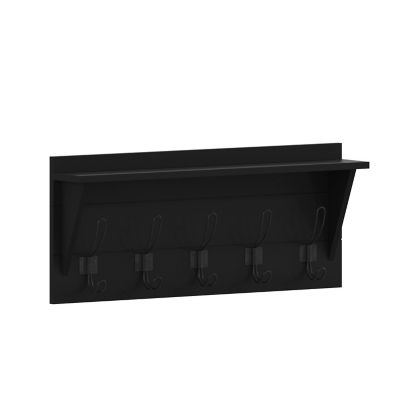
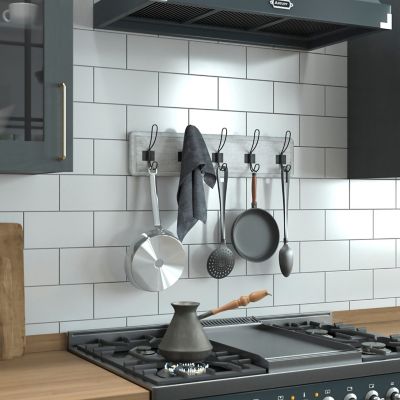
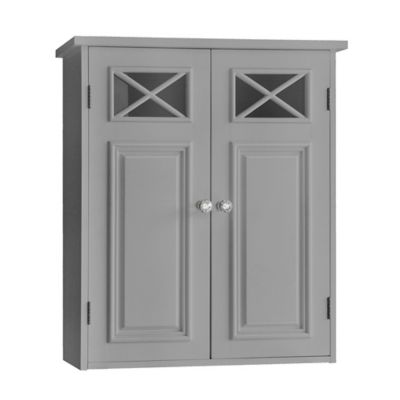
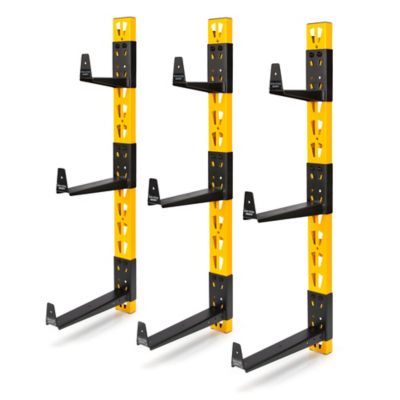
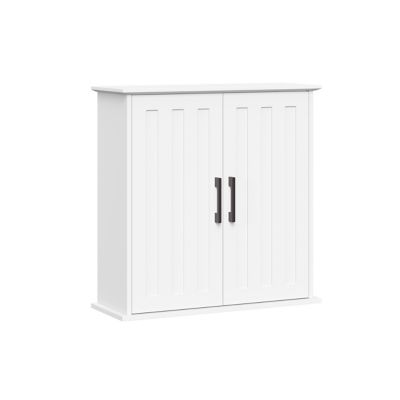
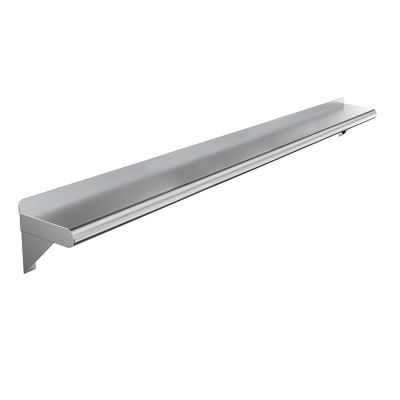
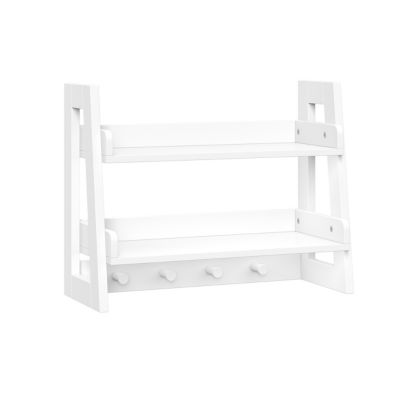
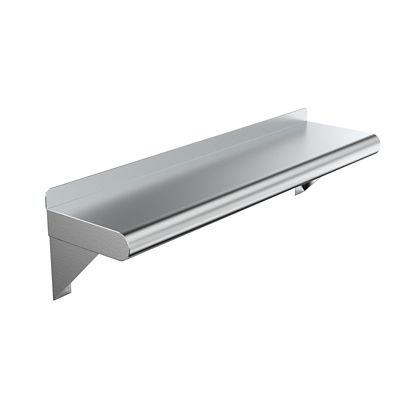
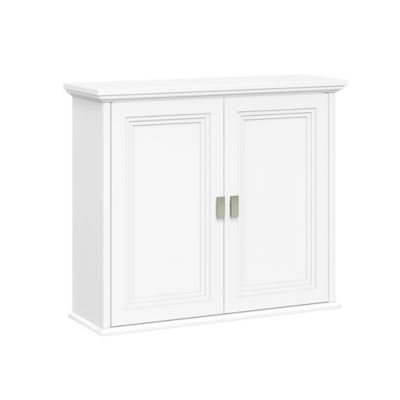
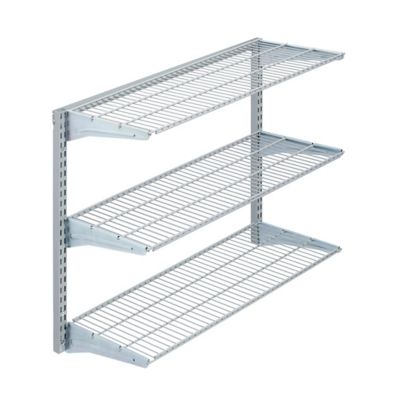
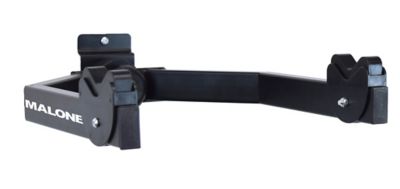
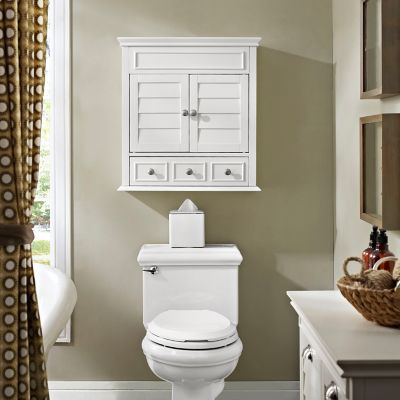
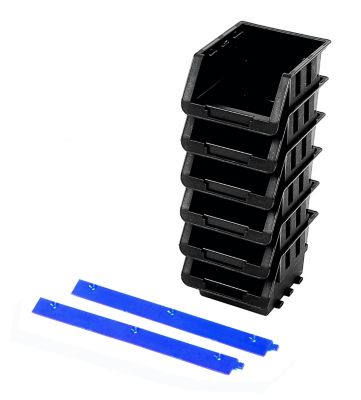
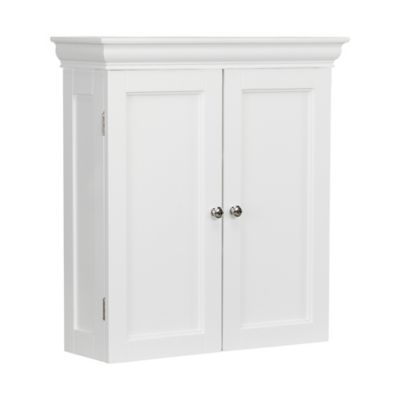
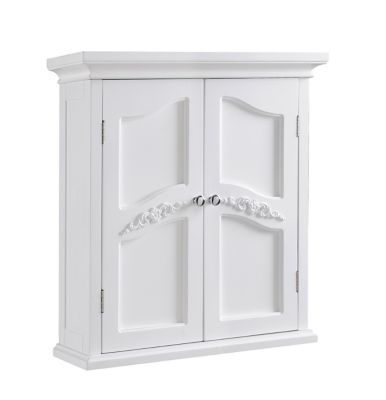
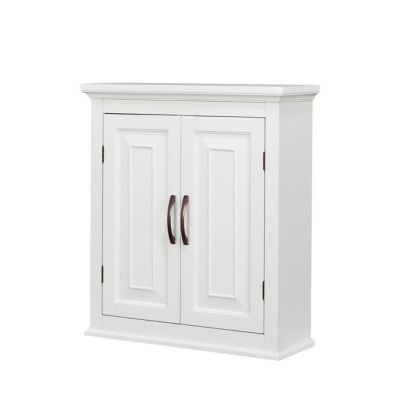
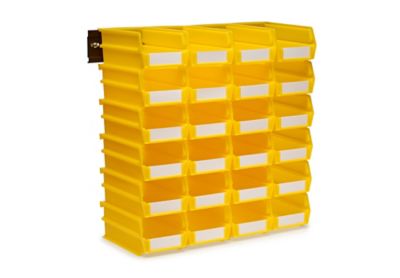
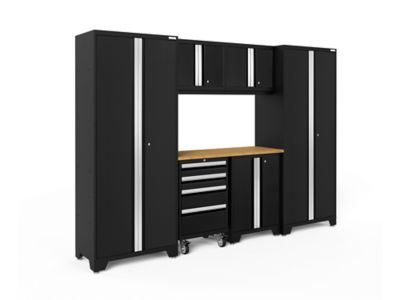
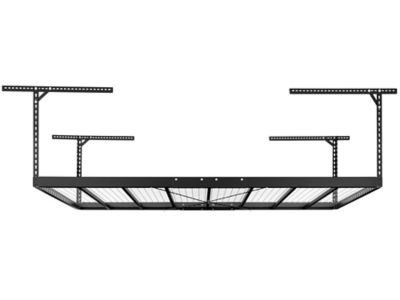
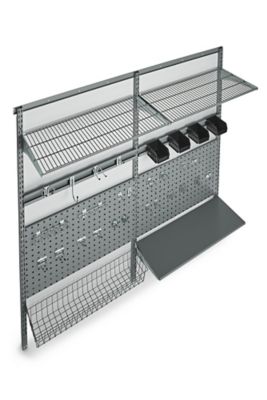
Wall-mounted storage puts shelves, hooks, racks, cabinets, and bins on vertical surfaces so tools and supplies stay organized without taking up the floor space of a freestanding unit. It’s a practical fit for garages, farm shops, utility rooms, mudrooms, and other hardworking spaces where a clear walkway matters as much as a tidy shelf. Open shelving keeps frequently needed supplies in sight, while cabinets offer enclosed storage for belongings that don’t need to stay on display. Hooks and racks give long-handled tools, cords, and similar gear a place to hang instead of leaning in a corner. Smaller compartments help separate fasteners, fittings, and other little pieces that tend to disappear at the bottom of a toolbox. A good arrangement reflects the work happening nearby: repair supplies beside a workbench, chore gear near the entry, or grooming supplies close to an animal-care area. The value comes from matching the storage style to the shape, weight, and frequency of use of what it will hold. A broad shelf suits a different job than a narrow row of hooks, and an open bin offers a different kind of access than a cabinet door. For small parts that need clear separation,
Wall Mountable Storage Bins can help keep contents grouped by task while leaving the work surface open. Clearly marked sections make it easier for family members or helpers to put things back in the same spot. Wall storage also makes better use of the area above a workbench or along a wall that would otherwise serve little purpose. The goal isn’t to fill every inch from floor to ceiling, but to give everyday supplies a sensible home with enough room to reach them. Whether the space handles household repairs, livestock chores, or weekend projects, a well-planned layout can mean less rummaging and fewer loose supplies underfoot.
Materials, dimensions, and mounting requirements all matter when comparing wall-mounted storage. Steel is common in workshop shelving and racks, with load capacity determined by the entire assembly rather than the metal alone. Protective finishes help shield the surface, although scratches and worn edges may need attention according to the manufacturer’s care directions. Aluminum offers a lighter option for some applications, while molded plastic keeps many smaller organizers light and easy to wipe clean. Wood shelving brings another set of considerations, including board thickness, bracket spacing, and protection from spills. Around a utility sink or animal wash area, resistance to moisture deserves particular attention. Shelf depth is just as important as width: a deep shelf may hold larger containers, but it can also project into a walkway or make supplies at the back harder to reach. Cabinet doors need room to swing, and lift-off bins need clearance above their mounting points. Measurements should account for door tracks, outlets, light switches, and the working space around a bench, not just the empty stretch of wall. Published weight limits also need to be considered alongside the mounting instructions and wall construction. A strong rack cannot make up for inadequate wall support, and drywall alone is not a substitute for structural support where the manufacturer requires it. Wood studs, masonry, and other wall types may call for different fasteners and installation methods. The right fit includes the attachment points, the storage unit’s dimensions, and the expected load, with attention to both individual shelf limits and any overall system limit. Adjustable shelves, movable hooks, and compatible wall panels can offer flexibility as storage needs change, but components need to match the system they attach to. For heavier equipment or a wall with uncertain construction, professional installation can help address mounting concerns before the space is put to work.
Everyday convenience comes down to how the storage feels during an ordinary chore. Frequently handled supplies belong within a comfortable reach, with enough clearance to lift them free without bumping a shelf or knocking something else loose. Larger, heavier belongings generally make more sense in lower positions that meet the system’s load requirements, rather than overhead where lifting becomes awkward. A rack beside the workbench can keep a commonly needed tool close, while separate compartments prevent small hardware from mixing together between repairs. In a mudroom, wall storage can give chore essentials a landing spot without crowding the path through the door. In a farm shop, keeping parts grouped by equipment or task helps someone find the right fitting without emptying several containers onto the bench. Labels that remain readable from a normal standing position can be more helpful than a tightly packed arrangement that looks neat but hides everything. Open storage favors quick access and visibility; enclosed storage helps limit dust settling directly on contents. Neither replaces any storage precautions required for sharp tools, chemicals, animal-care supplies, or other potentially hazardous materials. In spaces shared with children or animals, mounting something higher does not automatically make it secure. Care is usually straightforward, but it should suit the material and finish. Routine dust removal, prompt cleanup of spills, and a gentle cleaner approved by the manufacturer can help keep surfaces in good shape. Periodic checks for loose hardware, bent supports, cracked plastic, or changes around attachment points are especially worthwhile in a busy work area. Damaged components need attention before more weight goes onto them. For someone setting up a first workshop or reclaiming a crowded garage, wall-mounted organizers can also make a practical gift when the space and mounting needs are known. A useful setup leaves room for the work itself, with supplies easy to find, easy to reach, and easy to put away when the job is done.