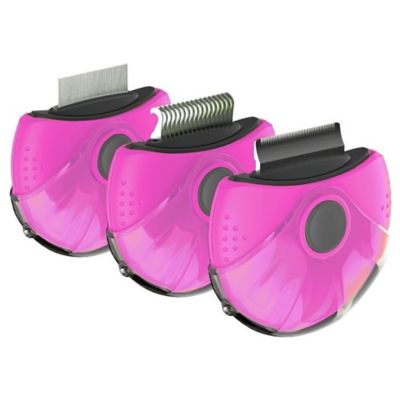
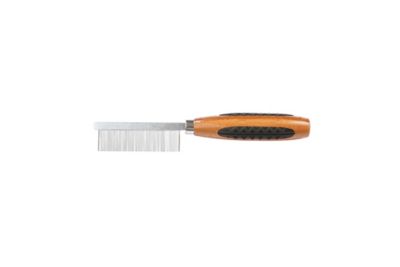
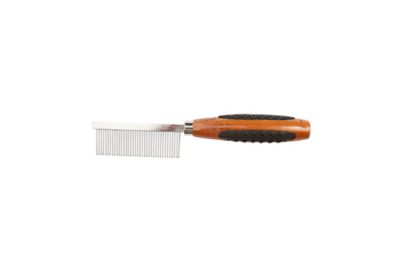
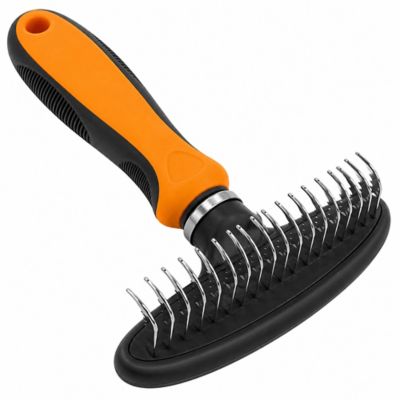
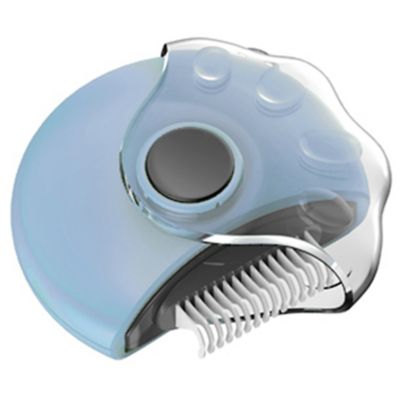
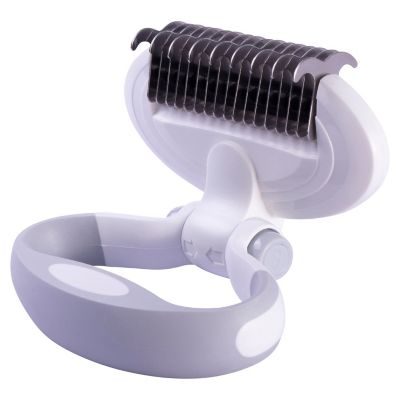
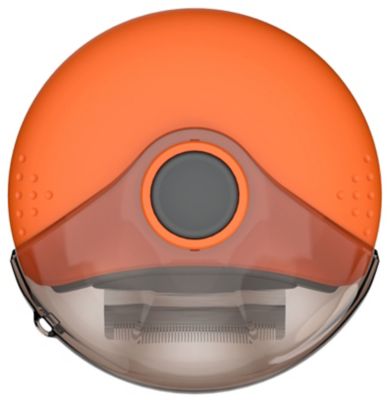
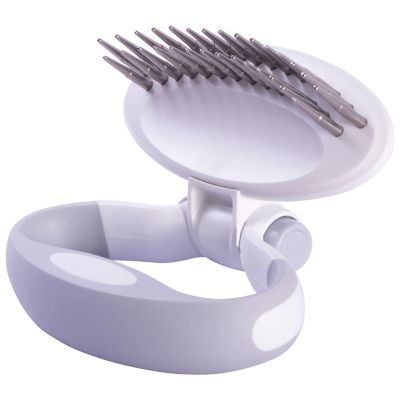
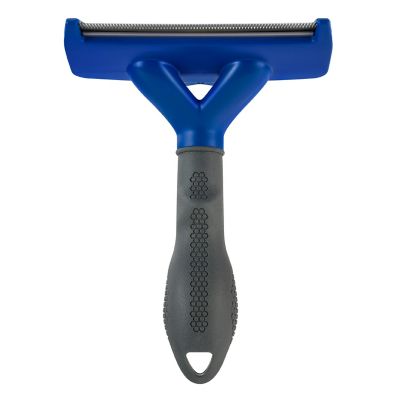
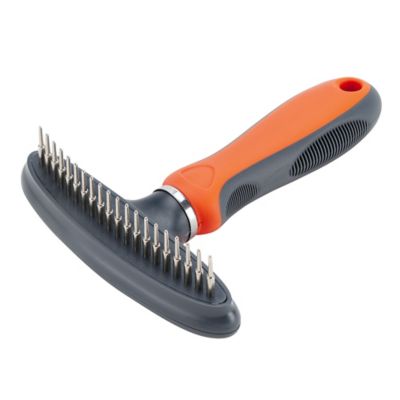
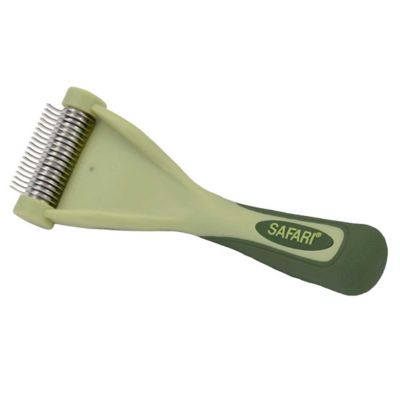
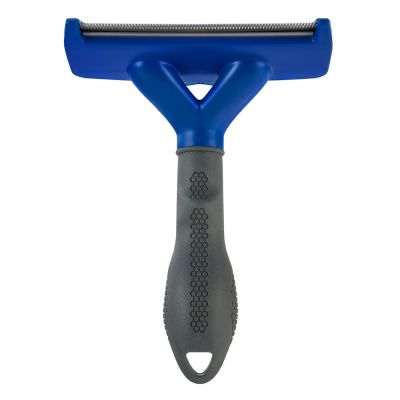
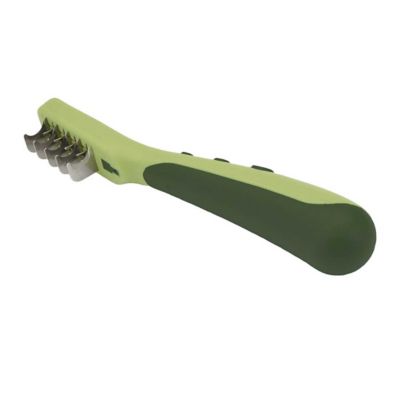
Dematting combs for cats are grooming tools made to help separate tangles and loosen small mats in a cat’s coat. Many have curved teeth with recessed cutting edges that work through tangled hair, while others have a rake-style shape designed to reach into thicker fur. They serve a different purpose than an everyday finishing comb: instead of simply lining up loose strands, a dematting tool helps address hair that has knotted together. That distinction matters for cats with long coats, thick undercoats, or soft fur that tangles easily behind the ears and around the hindquarters. Even a cat that spends plenty of time grooming can develop knots where hair rubs together or where reaching gets difficult. Older cats, cats with limited mobility, and cats carrying extra weight may need more help keeping those areas tidy. A dematting comb can be part of that care, but the right match depends on coat texture, the size of the tangled area, and how comfortably the cat tolerates handling. Small, loose tangles are different from hard mats sitting close to the skin. Tight matting, tender skin, sores, or a cat that flinches when touched call for a veterinarian or an experienced cat groomer rather than more pressure with a comb. For routine grooming, a tool sized for cats offers better control around a smaller body than an oversized rake meant for a much larger animal. A narrow head can make it easier to work around little patches of tangled hair without catching a wide section of coat at once. A broader head may suit open areas on a larger, long-haired cat, provided the teeth and cutting surfaces are appropriate for feline grooming. Whether the cat spends the afternoon watching the yard from a windowsill or supervising chores from a favorite perch, comfort matters more than getting every strand settled in one sitting.
Materials and construction make a real difference in how cat dematting combs feel in the hand and move through fur. Stainless steel teeth are common because they resist corrosion and provide firm working surfaces that stand up to routine grooming and cleaning. Smooth outer surfaces and rounded tooth tips can help reduce scraping, though they do not make a bladed tool risk-free. Recessed edges are still sharp, and a cat’s thin, flexible skin can get caught in a mat. Tooth spacing is another useful point of comparison. Wider gaps generally allow a tool to engage a smaller number of tangled sections at a time, while closer spacing may suit finer tangles or follow-up work, depending on the design. Some dual-sided dematting rakes combine different tooth counts, giving the handler more than one spacing option without switching tools. More teeth do not automatically mean a better choice; a dense head can catch too much hair when paired with the wrong coat or a firmly packed mat. Tooth length should also match the depth of the coat without requiring pressure against the skin. Handle shape deserves just as much attention as the working end. A contoured grip, a nonslip surface, and a balanced head can make short, controlled movements feel easier, especially when the other hand is supporting the cat. Folks with stiff fingers may prefer a fuller handle, while others find a slimmer grip easier to position around small areas. A handle that feels secure without a hard squeeze can help keep grooming calm and steady. Firmly seated teeth, a solid connection between the head and handle, and smooth seams are useful signs of sound construction. Any loose parts, rough spots, or damaged teeth are reasons to set a tool aside. Clear care directions and an explicit indication that the design suits cats are more useful than judging a comb by its size or appearance alone.
A cat dematting comb works best as one part of a grooming setup, not as a replacement for every brush or comb in the house. A regular metal comb can help reveal little snags beneath a fluffy outer coat, while an appropriate brush can gather loose hair before it gathers into tangles. The broader range of
Animal Grooming Tools provides context for how combs, brushes, and other grooming equipment serve different coat-care needs. For a household with more than one cat, those needs may vary quite a bit: the silky-haired cat stretched across the couch may need a different tooth spacing than the thick-coated cat curled beside it. A practical selection follows the animal’s coat and comfort rather than assuming one tool fits every pet. Dematting tools are generally intended for careful, limited work on manageable tangles, following the manufacturer’s directions. Supporting the hair near its base can reduce tugging, but a comb should never need to be forced through a knot. Pulling harder can hurt the cat and make the next grooming session tougher for everyone. Tail flicking, flattened ears, skin twitching, or attempts to leave are good reasons to pause. Mats close to the belly, armpits, or other delicate areas deserve particular caution, and scissors are not a safe shortcut for mats against the skin. Professional removal is the better choice when the skin cannot be clearly distinguished from the tangled hair. After routine grooming, removing trapped fur from the teeth and cleaning the tool according to its care directions helps keep it ready for the next session. Thorough drying helps protect metal parts, while storage away from moisture, children, and pets keeps sharp working edges out of reach. A protective cover, when supplied, also helps shield the teeth between grooming sessions. For someone caring for a long-haired cat, a well-matched comb can be a thoughtful addition to a practical pet-care gift, especially when the recipient already knows the cat’s coat needs. The most useful choice is one that feels manageable in the hand, suits the coat, and supports gentle care without turning a small tangle into a struggle.