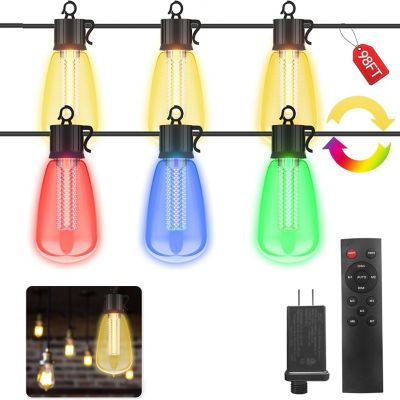
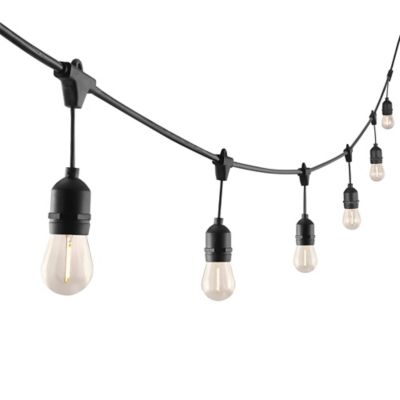
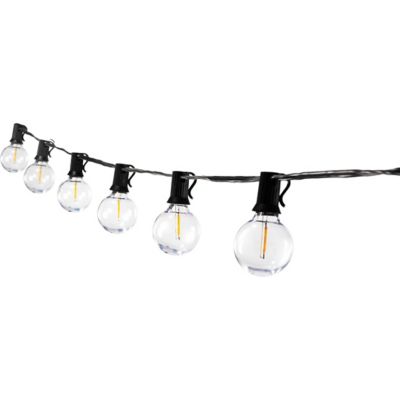
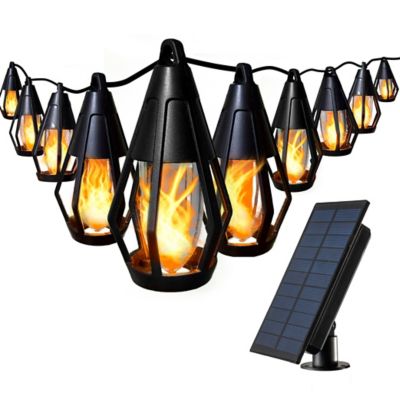
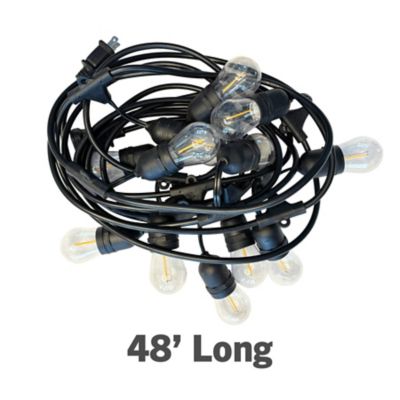
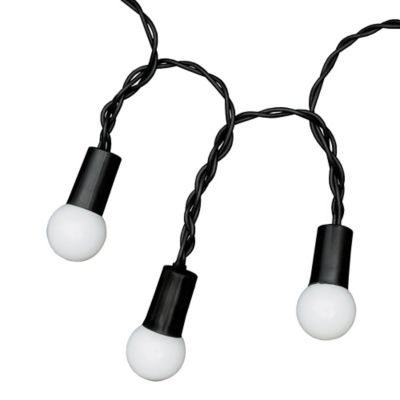
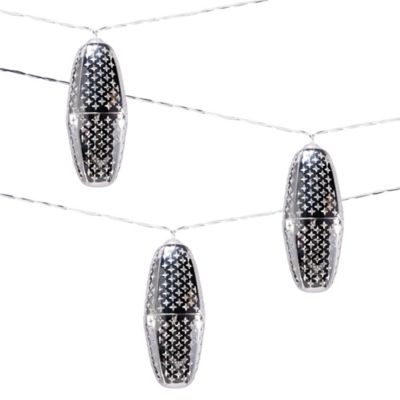
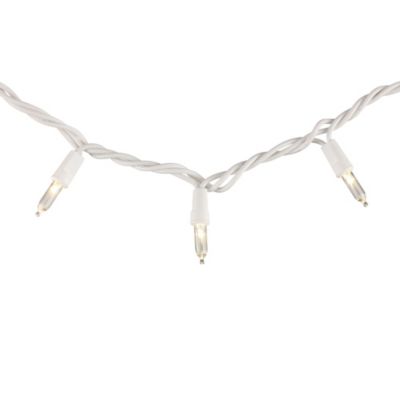
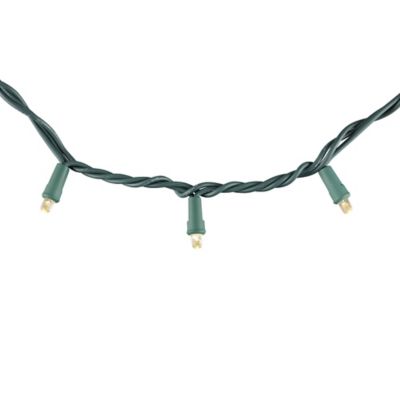
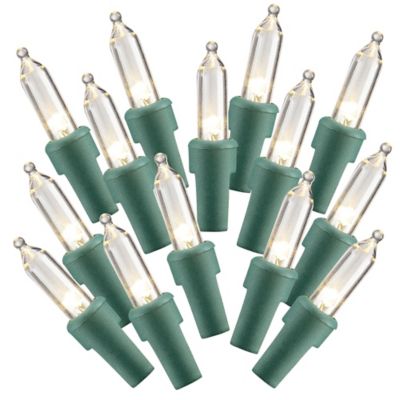
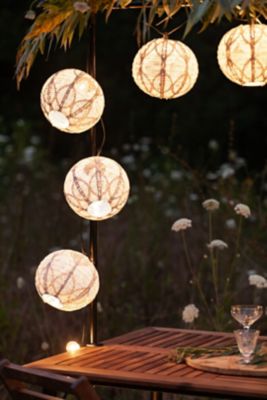
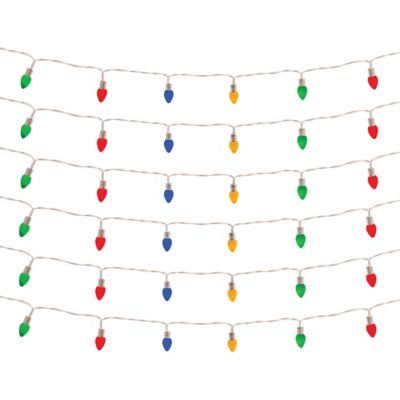
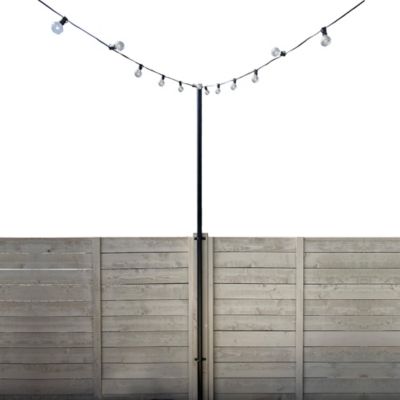
Covered patio string lights bring a comfortable glow to the space between the house and the backyard, whether that means a dining table under a solid roof or a pair of rocking chairs beside the back door. Their appeal comes from the way a simple strand can make an overhead beam, porch edge, or open seating area feel more inviting without taking up floor space. On a country property, that leaves room for muddy boots by the door, a bench along the wall, and folks pulling up another chair after supper. Globe-shaped bulbs lend a softer, rounded look, while elongated bulbs with visible filaments have a more straightforward, old-fashioned feel. Smaller bulbs can blend into the background; larger ones make the lighting itself a bigger part of the space. Bulb spacing matters just as much as bulb shape. Closely spaced lights create a fuller line of illumination, while wider spacing gives each bulb room to stand out against exposed rafters or a painted ceiling. Warm white light often suits conversation and relaxed meals, while a more neutral white can give the area a brighter, clearer appearance. Color temperature and brightness are separate details, so a warm-looking bulb can still put out plenty of light. String lights generally work best as an inviting layer alongside porch fixtures or other lighting needed for steps, doorways, and tasks. A strand around the perimeter frames the patio without crossing the center, while lengths running overhead can bring the glow closer to a long table. The right fit depends on the roof structure, the furniture underneath, and how much visual presence the lights should have. Dark cords tend to settle into stained beams or dark trim, while lighter cords can look less noticeable against a pale ceiling. Those little choices help a covered patio feel pulled together without making a practical gathering spot seem too dressed up.
Construction makes a difference in how covered patio string lights fit everyday outdoor life. Glass bulbs offer a crisp, clear appearance, while shatter-resistant plastic bulbs may be a practical choice near busy seating areas, play spaces, or a patio where chairs and yard equipment pass through. Shatter-resistant does not mean unbreakable, and the bulb material is only one part of the strand’s suitability. Socket construction, cord insulation, connection design, and the manufacturer’s outdoor rating all deserve attention. A roof overhead provides shelter, but it does not turn a patio into an indoor room; moisture can still reach open sides and electrical connections. For areas with greater exposure,
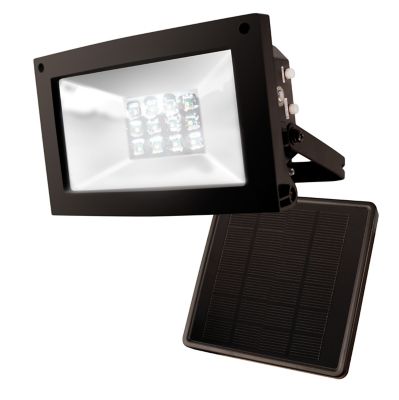
Weatherproof Outdoor String Lights offer a related category to consider, with each set’s rating and installation requirements determining where it belongs. Plug-in strands make sense where an appropriate outdoor receptacle is within reach, while solar-powered designs depend on a panel location that receives enough sunlight, which may be outside the roofline. Battery-powered options can suit smaller accents where running a cord would be awkward, though runtime and battery access matter for regular use. LED bulbs generally draw less electricity than comparable incandescent bulbs, and their light output, color, and replacement requirements vary by design. Some strands have replaceable bulbs; others have integrated lights that are not individually replaceable. Dimming also depends on compatibility between the bulbs, strand, and control rather than the appearance of the set. Length is another detail worth looking at closely: the illuminated section and the full cord length are not always the same, and the distance from the plug to the first bulb affects placement. End-to-end connections can help cover a larger patio, but the permitted number of connected strands and total electrical load come from the manufacturer’s instructions. Outdoor-rated connections, appropriate GFCI protection, and proper support help keep the setup suited to its surroundings. Longer overhead spans may call for a separate support cable rather than letting the electrical cord carry the full weight.
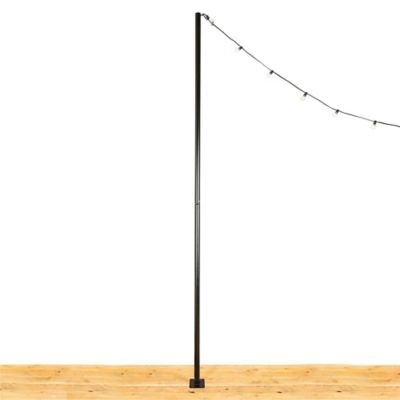
The best fit for a covered patio also comes down to how the space gets enjoyed from day to day. A low ceiling over a narrow sitting area calls for a different arrangement than a high roof over a broad concrete pad. Bulbs need clearance from heads, doors, and moving equipment, and any ceiling fan needs plenty of unobstructed room around its blades. A little drape can soften the look of a strand, but too much can bring lights into the path between the kitchen door and the grill. Placement near cooking equipment also needs to respect the appliance’s stated clearances from heat and combustible materials. For a table where neighbors linger over a meal, an even spread of modest light can feel more comfortable than a bright cluster directly overhead. Over a porch swing or reading chair, string lights can supply background glow while a separate fixture handles closer work. A compatible timer or lighting control can make regular use simpler, especially when the outlet sits behind furniture, though any controls and extension cords must suit the location and electrical load. Care is usually a matter of keeping the lights free of buildup, checking cords and sockets for damage, and following the cleaning directions for the bulb material. Power should be disconnected before cleaning or replacing bulbs, and replacement bulbs need to match the strand’s specifications. Gentle cleaning helps preserve clear light without scratching plastic surfaces or stressing the sockets. When a strand comes down, loose coils and protected bulbs help prevent tangles and damage in storage. Covered patio string lights can also make a thoughtful housewarming gift for someone settling into a place with a back porch, provided the length, power source, and mounting needs fit the space. Whether the setting is a farmhouse porch, a small covered patio behind town, or a sheltered spot beside the garden, the appeal is much the same: useful overhead light and a welcoming place to sit a spell.