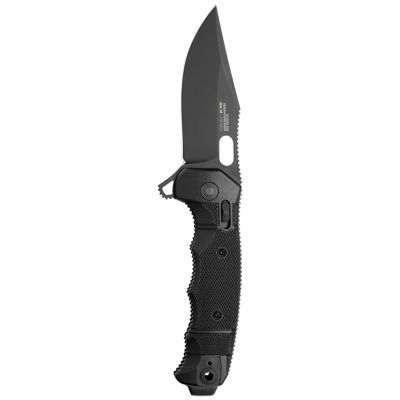
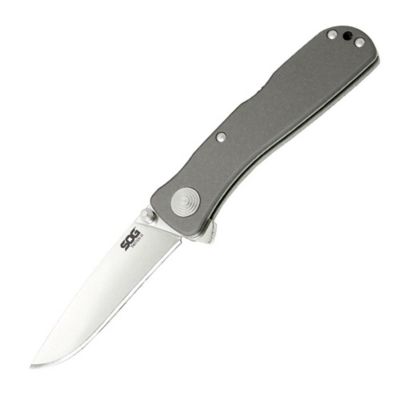
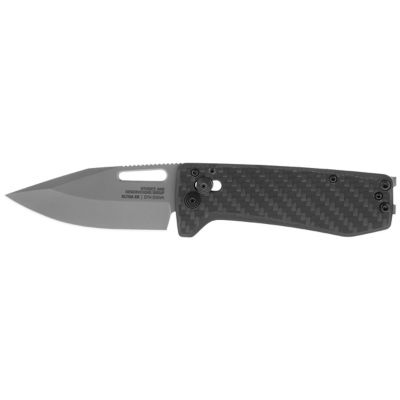
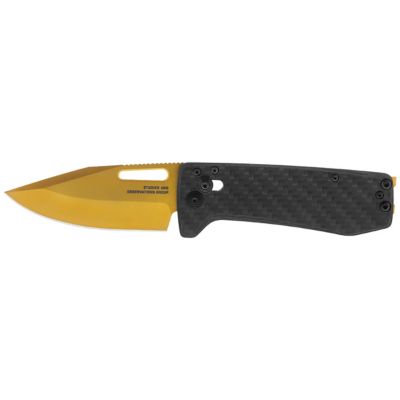
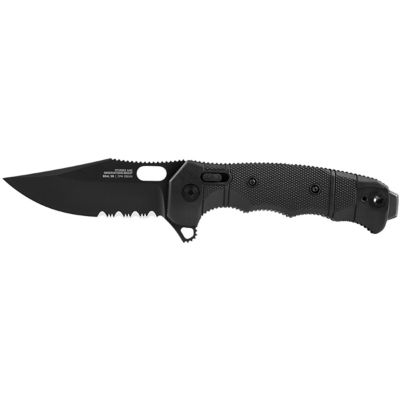
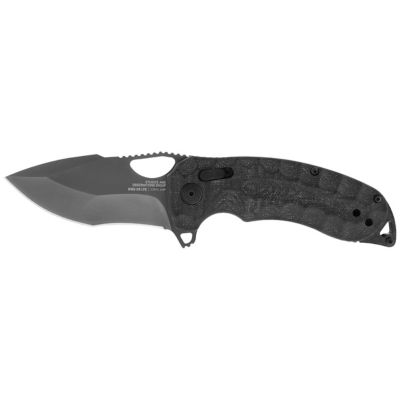
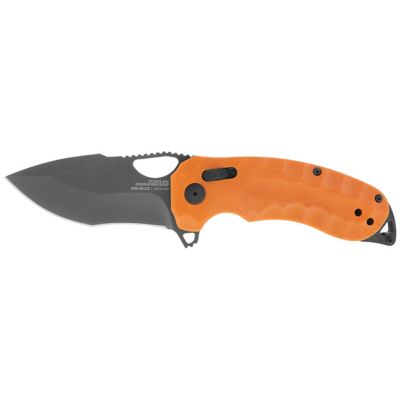
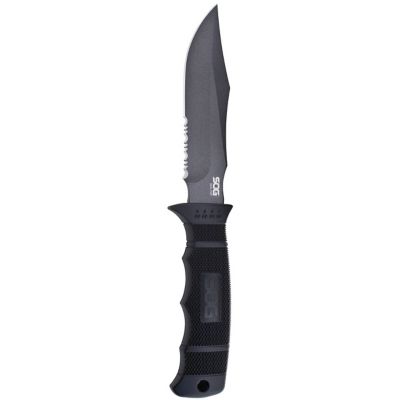
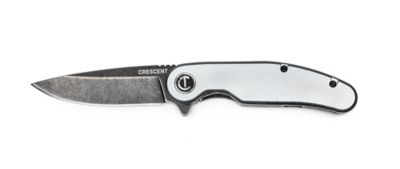
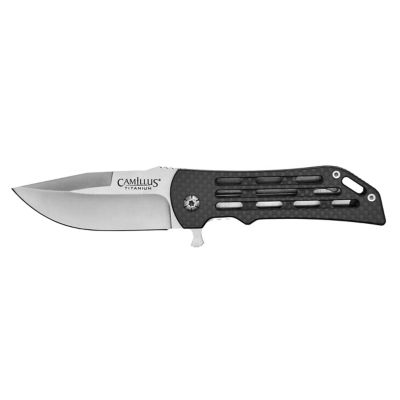
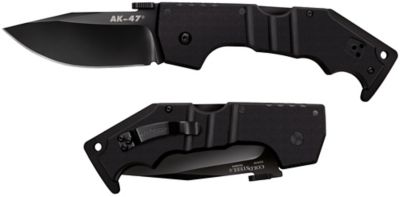
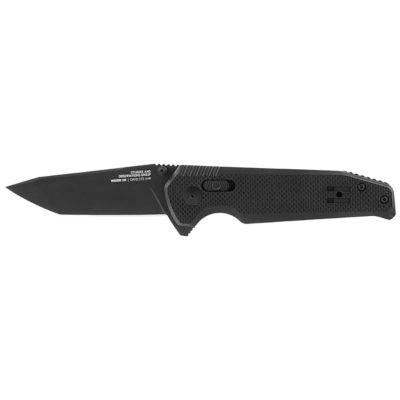
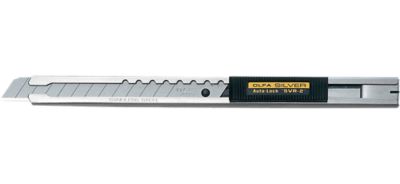
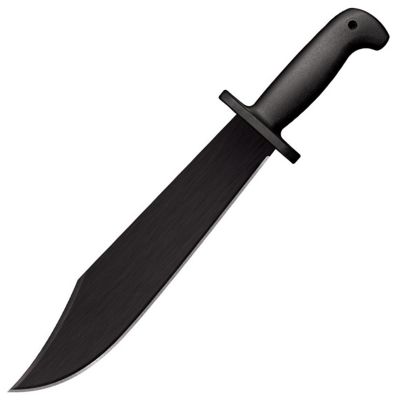
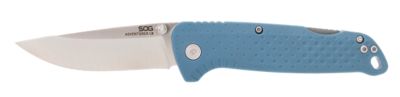
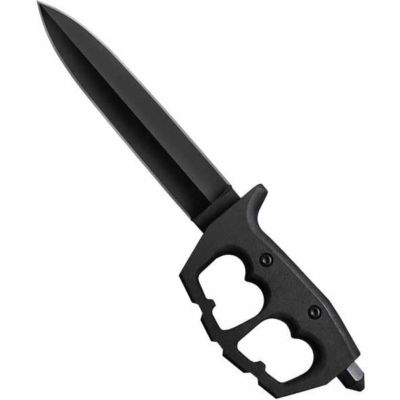
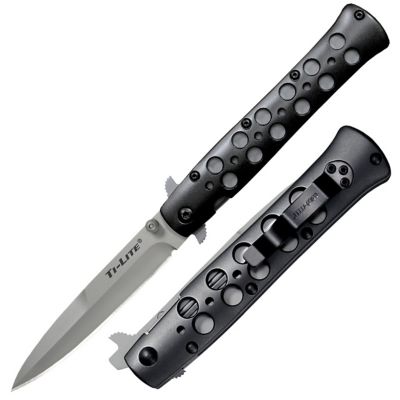
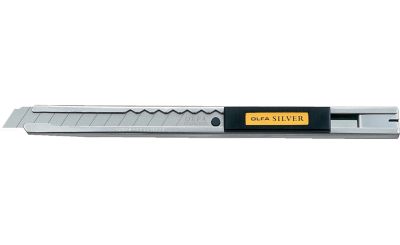
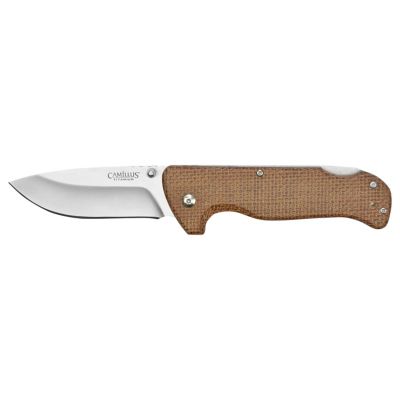
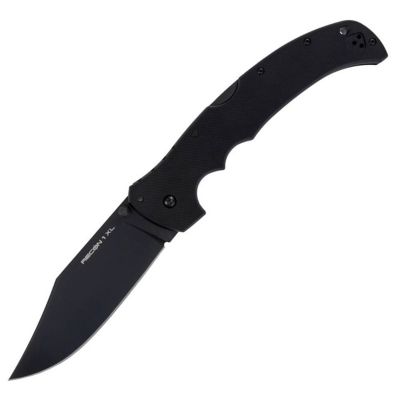
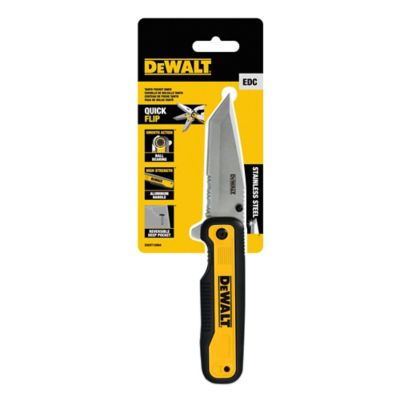
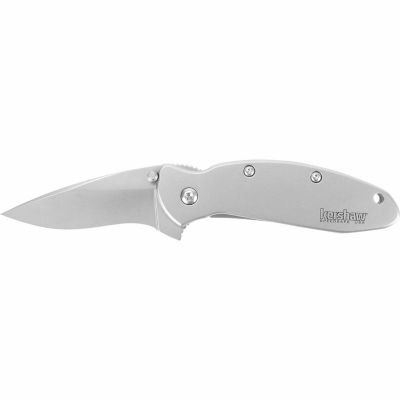
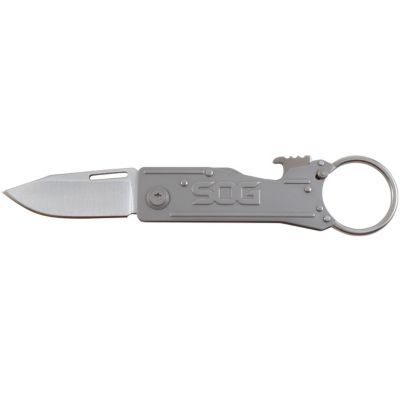
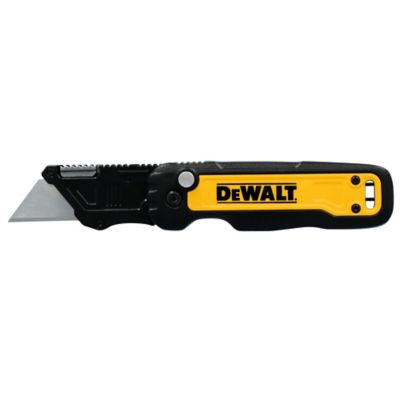
Corrosion-resistant knives are built to resist rust and staining when blades come into contact with moisture, food acids, or other substances that can attack metal. That matters whether a knife rides in a farmhand’s pocket, stays near a fishing tackle box, or handles meal prep at a campsite. Corrosion resistance comes mainly from the blade material, though surface finishes, protective coatings, and regular care also play a part. Stainless steel contains chromium, which forms a thin protective oxide layer on the surface. That layer helps slow corrosion, but stainless does not mean maintenance-free or completely rust-proof. Salt, trapped moisture, and acidic residue can still cause discoloration or pitting, especially when a blade sits dirty inside a sheath or folding handle. Some specialized stainless alloys contain nitrogen to improve corrosion resistance while supporting other blade properties; performance depends on the full alloy and how the steel is processed. Carbon content alone does not tell the whole story, either. A high-carbon stainless blade can combine useful edge retention with stain resistance, while a plain carbon steel blade generally needs more attention to prevent rust. For everyday chores, those differences show up in practical ways: cutting muddy twine, opening feed sacks, slicing rope at the dock, or trimming ingredients on a cutting board all leave different residue behind. A blade coating can provide an extra barrier on covered surfaces, but the cutting edge and any scratched areas still need care. The best match balances corrosion resistance with edge retention, toughness, and ease of sharpening rather than treating one feature as the whole package. A knife that shrugs off moisture but takes more effort to sharpen may suit one person, while another may prefer a stainless blade that is easier to touch up between chores. Steel specifications and care directions give a clearer picture of that balance than a rust-resistance claim by itself.
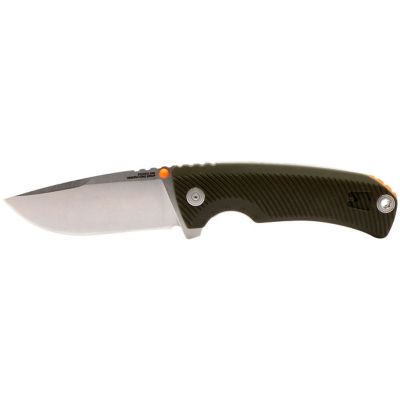
Blade shape, knife size, and handle fit matter just as much once there is work to do. A compact folding knife is easy to carry for opening cartons, cutting cord, and handling small jobs around a barn or shop, while a fixed blade offers a straightforward design without a folding pivot to clean. Fixed blades need a properly fitted sheath that covers the edge and holds the knife securely. With folding knives, a positive lock, where included, helps hold the blade open, but no locking mechanism makes a knife suitable for prying or twisting through stubborn material. Plain edges make controlled slicing cuts and are generally simpler to sharpen with common sharpening tools. Serrated edges can help bite into fibrous rope and similar material, though their tooth pattern calls for a compatible sharpening method. A flexible, narrow blade suits filleting fish, while a broader, more rigid blade supports different cutting tasks. Matching the shape to the job helps keep a small pocket knife from being pushed into work better handled by another tool. Handle materials bring their own trade-offs. Molded polymers and fiberglass-based composites generally resist moisture absorption, while wood handles may need additional attention according to their finish and construction. Texture can improve purchase when hands are damp, but deep grooves also collect grit and residue. A comfortable handle fills the hand without forcing fingers into an awkward position, and enough clearance around the cutting edge helps support controlled handling. Gloves change that fit, so opening features, handle thickness, and access to the lock deserve consideration for chores that call for covered hands. Overall weight and pocket-clip placement also affect how comfortably a knife carries through a full day. For anglers, livestock owners, campers, and folks who keep a cutting tool close at hand, those everyday details often matter more than an oversized blade or an elaborate finish.
Simple care helps a corrosion-resistant knife stay ready for the next job. After contact with saltwater, fish residue, fruit juice, or dirt, prompt cleaning and thorough drying help protect both the blade and the less visible metal parts. Gentle hand-washing with mild soap, following the maker’s directions, is generally a better fit than a dishwasher, where detergents, prolonged moisture, and contact with other utensils can harm edges and handle components. Folding knives deserve attention around the pivot, liners, lock, and screws because moisture can linger there after the blade itself looks dry. A corrosion-resistant blade does not necessarily mean every component offers the same protection. Lubrication should follow the knife maker’s recommendations, with food-contact suitability considered whenever the blade touches ingredients or fish. A light protective film of an appropriate oil may help during storage, but it does not replace cleaning away salt or other residue first. Sheaths need attention, too: leather and fabric can hold moisture against steel, and even a synthetic sheath can trap water or grit. Letting the knife and sheath dry separately before storage helps avoid that hidden trouble spot. Keeping an edge sharp also supports cleaner, more controlled cuts without the extra pressure a dull blade often demands. Sharpening equipment should match the blade material and edge shape, especially with harder steels or serrations. For a practical gift, a knife matched to the recipient’s routine makes more sense than choosing by appearance alone; comfortable handling, manageable upkeep, and a suitable carrying setup are useful considerations. Safe storage away from children and compliance with local knife-carry rules belong in that decision as well. Around a farm or workshop, resistance to corrosion matters beyond cutting tools, though each job calls for its own materials and specifications. For separate deck-building and repair projects,
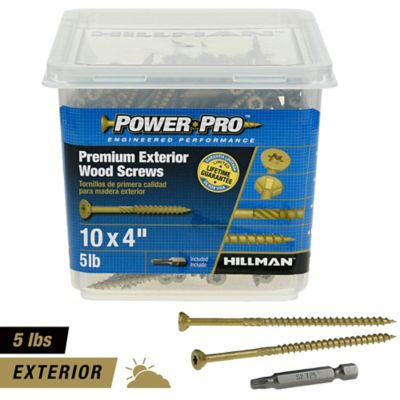
Corrosion Resistant Deck Screws address fastener needs rather than blade performance. For knives, the lasting priorities stay straightforward: steel suited to the exposure, a grip suited to the hand, and a design suited to the work.