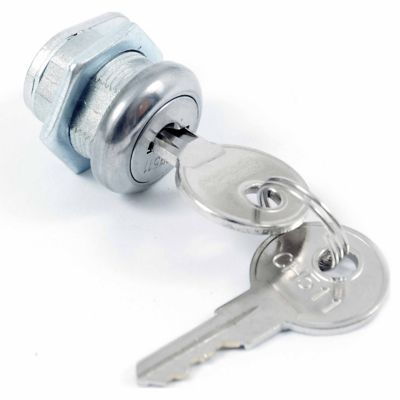
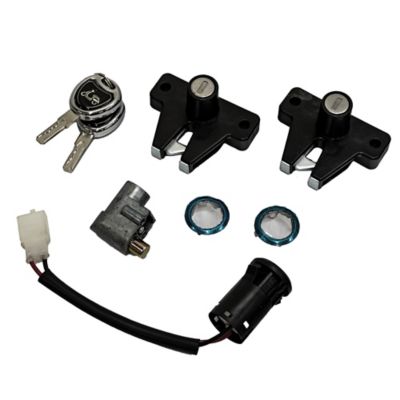
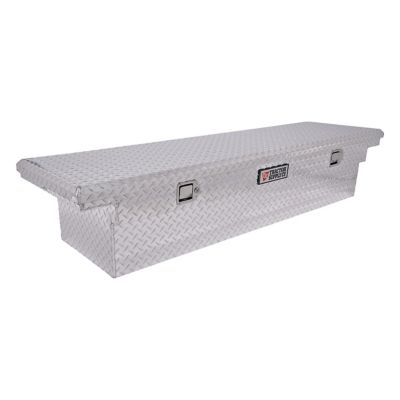
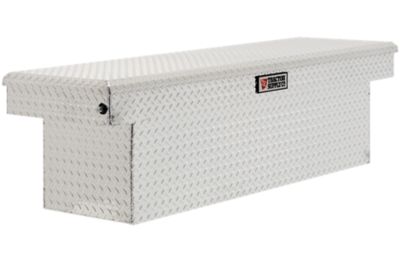
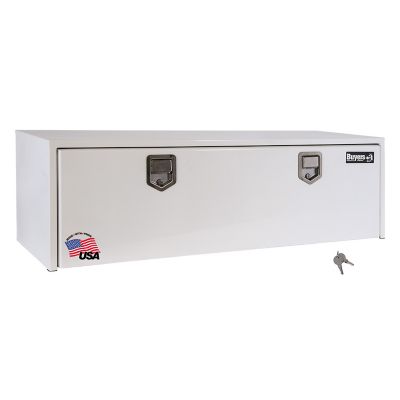
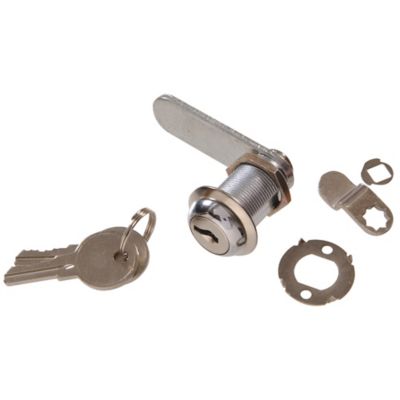
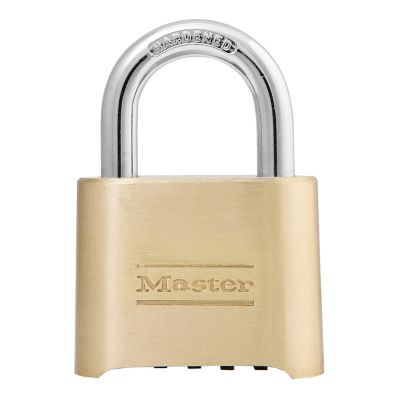
Compartment locks help keep small storage doors, cabinets, toolboxes, and access panels secured without taking up much room. They’re a practical fit for the places where gear needs a home: a service truck’s side box, an RV baggage compartment, a shop cabinet, or a storage hatch on a trailer. Many compartment door locks have a cam-style design, with a cylinder that turns a metal arm behind the door. When locked, that arm rests against the frame or a keeper to prevent the door from opening. A straight cam works with some door layouts, while an offset cam reaches a catch surface that sits farther forward or back. That simple difference matters when a door looks closed but still has enough play to rattle. Other designs combine a locking cylinder with a latch or handle, so the way the door opens is part of the fit, too. For farmers, mechanics, RV owners, and folks hauling tools between jobs, the right setup keeps everyday storage manageable. A small lock can help limit casual access to sockets, tie-down straps, spare parts, and other supplies that shouldn’t be left sitting out. It also gives shared workspaces a clear boundary between general storage and compartments meant for designated keyholders. These locks do have limits: a basic cam lock is not a substitute for a high-security enclosure, and its protection depends on the strength of the panel, hinges, frame, and mounting hardware around it. A thin door that bends easily remains a weak point even with a firmly mounted cylinder. Compartment locks make the most sense when their intended use matches the enclosure and the level of access control needed. On a work truck, that may mean keeping a small parts compartment locked between stops. In a garage, it may mean separating personal tools from the cabinet everyone reaches into. Where a compartment holds hazardous materials or equipment requiring restricted access, the complete storage arrangement needs to meet the applicable safety requirements rather than relying on a small lock alone.
Fit is the biggest consideration when comparing replacement compartment locks, because two cylinders that look alike from the front can work very differently behind the panel. Common nominal cylinder lengths include 5/8 inch, 7/8 inch, and 1-1/8 inch, but length alone doesn’t establish compatibility. Panel thickness, mounting-hole dimensions, cylinder shape, and the space needed for a retaining nut or clip all affect whether a lock seats properly. Some openings are round, while others have flat sides that help keep the lock body from turning in the door. A replacement needs to match that mounting arrangement rather than merely cover the opening. The cam’s length and offset determine whether it reaches the frame, and its direction of rotation determines whether it swings into the correct locking position. There also needs to be clearance behind the door so the arm doesn’t strike a shelf, divider, or the contents of a shallow storage box. On a toolbox packed with sockets and extensions, even a small obstruction can keep the cam from completing its turn. Manufacturer drawings and dimensions provide a better basis for comparison than the appearance of the face alone, especially when an existing cylinder has no readable markings. Key operation deserves the same attention. Keyed-alike locks let several compatible compartments share a key, which can simplify access across a truck body or a group of storage cabinets. Keyed-different locks give each compartment a separate key, making more sense when different people need access to different spaces. Matching keys should never be assumed just because two locks share a shape or finish. Some utility and RV compartment locks have widely shared key codes, so a matching replacement may restore function without adding much protection against someone holding the same key pattern. Key-retention behavior varies as well: some designs allow the key to come out in more than one position, while others restrict removal. For a compartment opened repeatedly during chores or repair work, those operating details can matter as much as the cylinder’s dimensions.
Materials and construction influence how a compartment lock holds up to repeated opening, closing, and vibration. Zinc alloy, brass, and steel may appear in different parts of the assembly, with plated finishes or stainless steel components on some designs. The cylinder housing, cam, fasteners, and face don’t necessarily share the same material, so the full construction matters more than a bright finish. Resistance to corrosion, wear at the keyway, and the strength of the cam are useful points of comparison for equipment that sees frequent handling. A broad mounting surface and properly fitted hardware help keep the cylinder steady, while a sound door and aligned catch reduce strain during each turn of the key. A lock should not have to pull a sagging hatch into position or compensate for a bent frame. If the key turns freely with the door open but binds when it’s closed, alignment or cam contact may be the trouble rather than the cylinder itself. That distinction can prevent a replacement from developing the same problem. Everyday care is generally straightforward: keep grit away from the keyway, wipe the exposed face, and follow the manufacturer’s recommendations for cleaning and lubrication. A lubricant intended for the lock’s mechanism is a better choice than applying whatever oil happens to be on the workbench, since unsuitable products can collect dirt or interfere with internal parts. Loose mounting hardware, a bent cam, and a badly worn key also deserve attention before they interrupt a day’s work. Related
Lock Accessories can be part of maintaining an existing setup, provided each component matches the lock and enclosure. For truck compartments and trailer boxes, a separate latch may carry the job of holding the door shut during travel; the locking cylinder should only serve that role when the assembly is designed for it. The best match brings together the right dimensions, sensible key access, and smooth operation, whether the compartment holds repair supplies at the barn or tools headed to the next job.