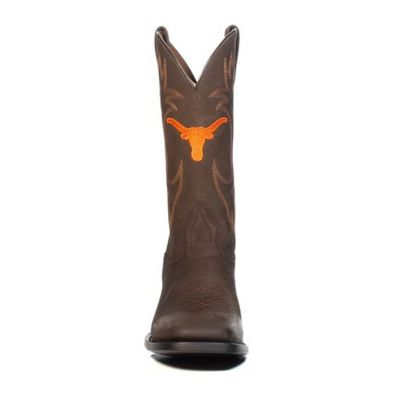
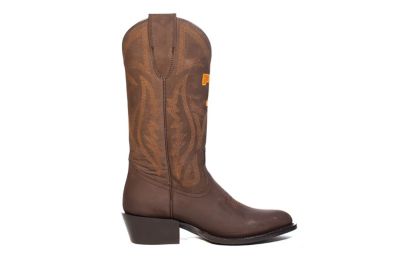
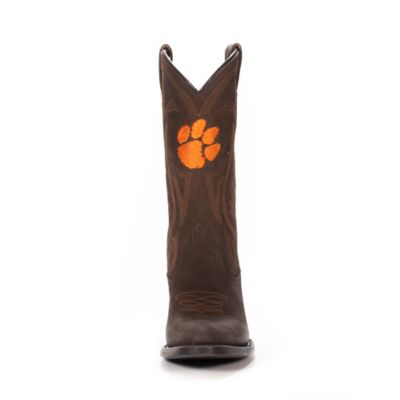
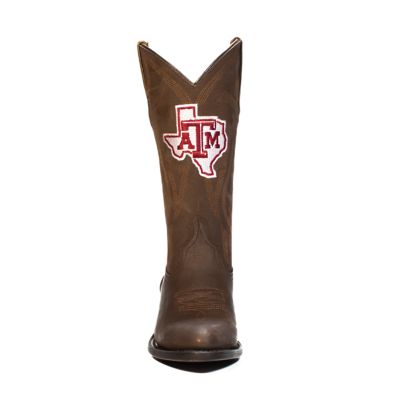
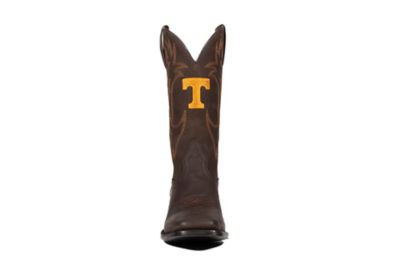
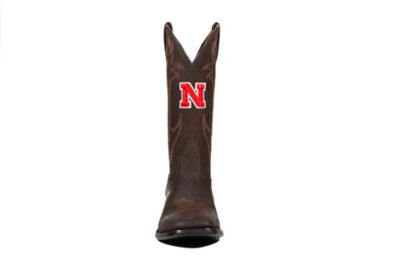
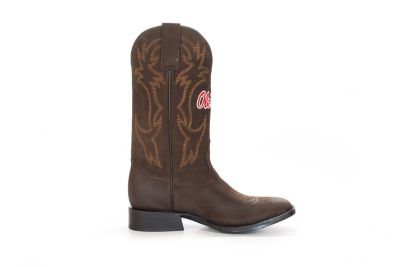
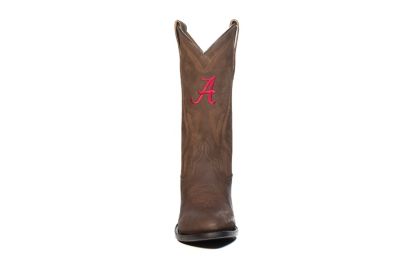
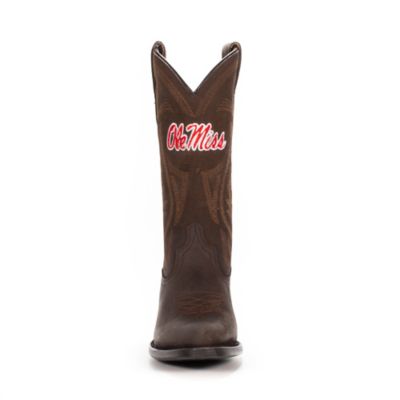
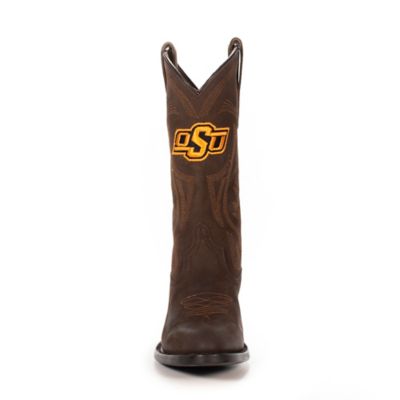
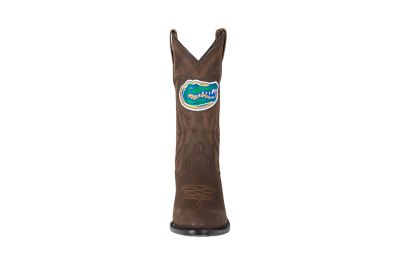
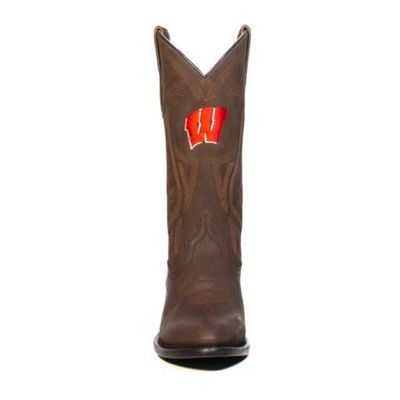
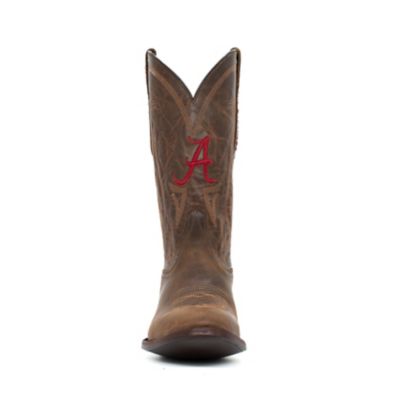
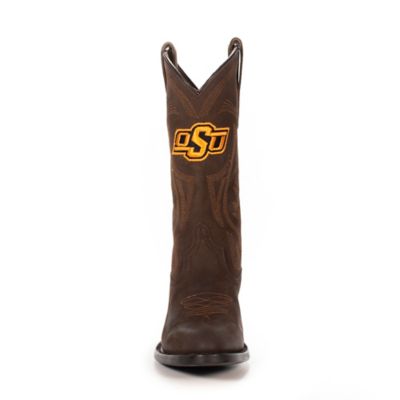
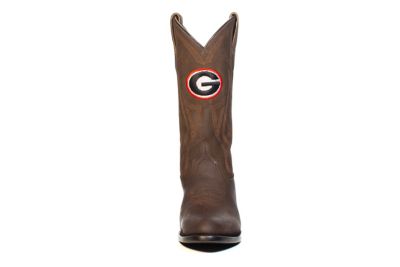
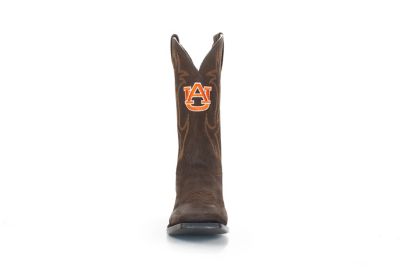
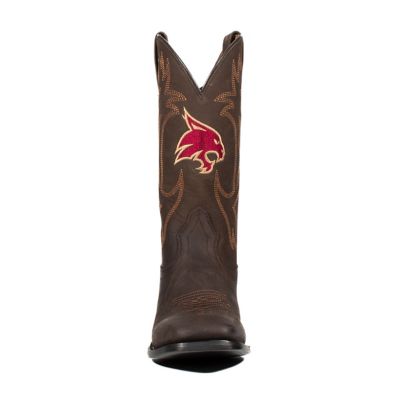
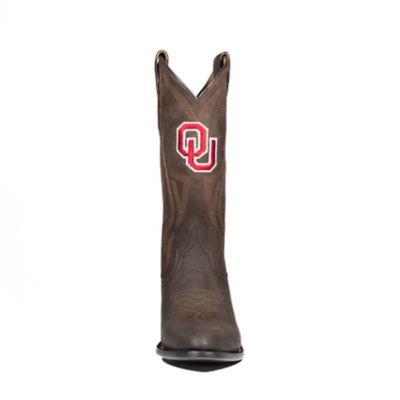
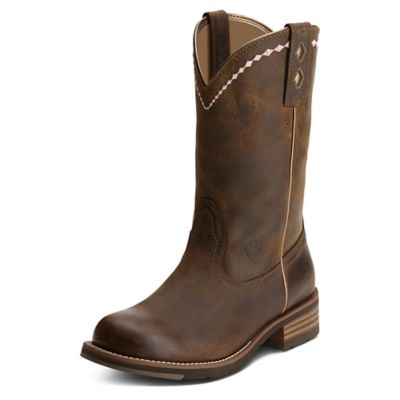
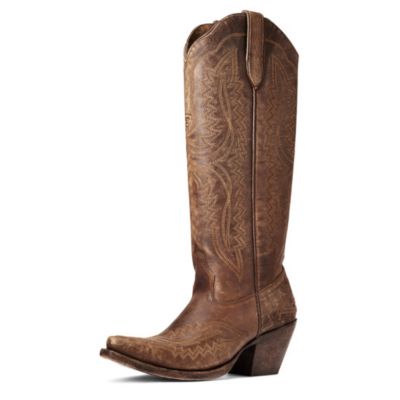
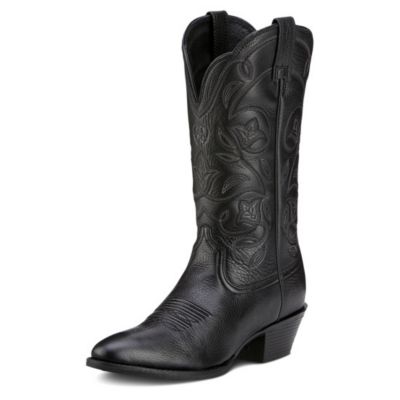
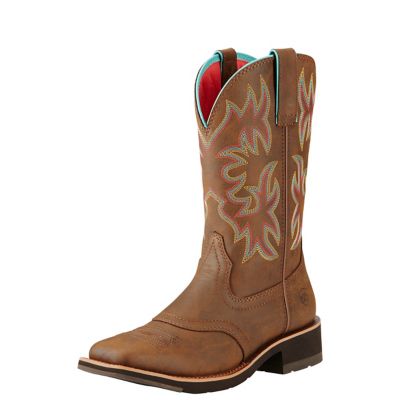
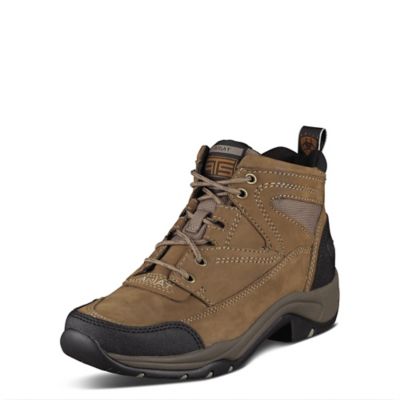
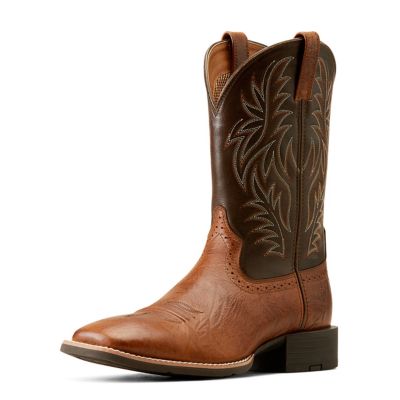
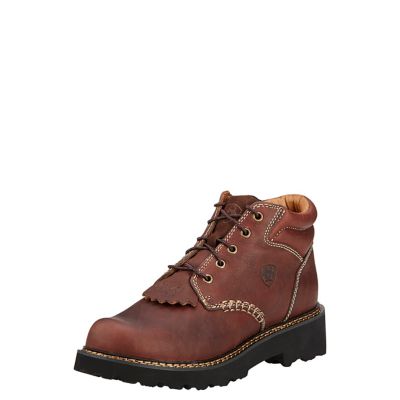
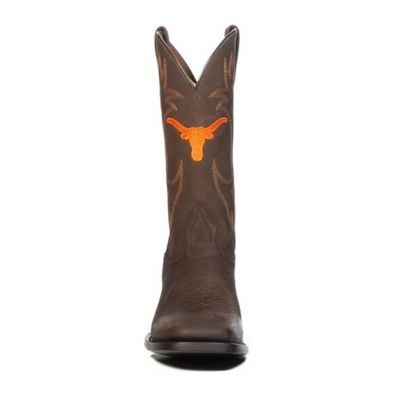
College football footwear includes team-themed boots, sneakers and casual shoes for fans, along with specialized cleats built for players on the field. Those categories serve different purposes: fan footwear brings school colors and logos into an everyday wardrobe, while football cleats provide traction for sport-specific movement on approved playing surfaces. Cleat designs can vary with playing surface, position and team requirements, and school-issued player footwear belongs to a different category than everyday fan shoes. A team emblem alone does not make casual footwear suitable for competitive play. For fans, the right pair fits the whole game-day routine, from carrying a folding chair across a tailgate lot to climbing bleacher steps and standing through the final drive. Boots bring a familiar look with jeans, while low-profile shoes suit folks who prefer less coverage around the ankle. Slip-on styles work well for a watch party at home or a trip to meet friends, provided the fit stays secure while walking. College football shoes also have a place beyond kickoff, whether an alumnus is heading to a hometown gathering, a student is crossing campus or a family is packing for a rivalry weekend. Bold school colors make the team connection clear from across the yard; smaller logos and quieter color combinations fit more easily into a regular rotation. Fans who lean toward a boot-and-jeans outfit can explore
College Football Boots for Men. The appeal is straightforward: familiar footwear with a connection to a school, a team and the people who gather around it. A pair can carry that connection to an alumni cookout or a Saturday watch party without calling for a head-to-toe team outfit. School spirit gets the attention, but the shape, feel and intended use determine how often those shoes leave the closet.
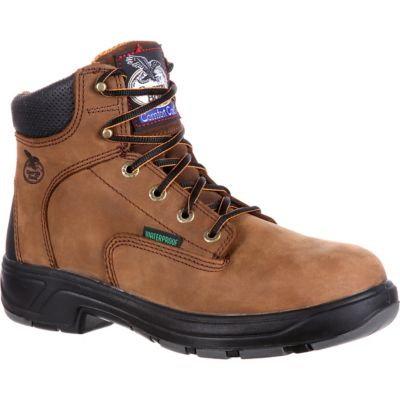
Materials and construction make a difference over a full day on your feet. Leather uppers offer structure and develop creases with wear, with upkeep depending on whether the surface is smooth, oiled or suede. Textile uppers can feel more flexible, while mesh panels allow airflow; synthetic materials vary in flexibility, surface finish and cleaning needs. None of those material names tells the whole story, so details such as lining, seams, sole attachment and reinforcement around high-wear areas deserve a closer look. Outsole tread matters when the route includes gravel parking areas, concrete walkways and stadium stairs. A flat, smooth sole handles differently from a patterned rubber outsole, and no tread pattern promises grip on every surface. Cushioning underfoot can help soften repeated steps, but a soft footbed cannot make up for a cramped toe box or a loose heel. Fit should leave room for the toes to move without letting the foot slide forward with each step. The socks planned for game day belong in the fit check, especially with boots, where sock thickness can change the feel across the instep. Lace-up shoes allow more adjustment over the top of the foot, while pull-on boots depend more heavily on the match between foot shape and boot shape. Some heel movement can occur in a new pull-on boot, but rubbing, pinching or toes pressing against the front should not be brushed aside as something that will surely disappear. Boot shafts also need enough room around the calf, and the opening should work with the way jeans are normally worn. For long stretches of walking, the weight and flexibility of the sole matter just as much as its appearance. Footwear meant for cheering from the stands is not automatically suitable for barn work, shop work or other jobs that call for safety features. Protective toes, electrical hazard protection and other work requirements depend on the footwear’s stated specifications, not its boot shape or team logo.
Regular care helps college football footwear hold its shape and keeps school colors, stitching and logos looking their best. Loose dirt is easier to remove before it settles into seams or grinds against the surface, so a soft brush or cloth is a sensible starting point after a trip through the tailgate lot. Smooth leather generally calls for leather-appropriate cleaning and, when recommended by the maker, conditioning; suede needs a different approach, often involving a suede brush rather than the same treatment given to smooth leather. Textile and synthetic uppers should be cleaned according to their care directions, and a shoe should not go into the washing machine unless that method is specifically permitted. Embroidery, printed graphics, glued components and contrasting panels may need gentler handling than the surrounding material. Letting footwear air-dry away from direct heat helps avoid damage to uppers and adhesives. Boots benefit from storage that supports the shaft instead of leaving it folded over, while shoes keep their shape better when they are not crushed beneath a pile of gear. Checking tread, loose stitching and worn heel edges also helps show when a favorite pair needs attention or replacement. For gifting, college football footwear can suit students, graduates, parents and longtime fans who already have a favorite school but prefer something practical to another shelf keepsake. School affiliation is only part of the choice: everyday shoe size, width, preferred toe shape and comfort with pull-on or lace-up styles matter, too. Someone who spends Saturdays walking from a distant parking spot to the stadium may appreciate a different fit and sole than someone hosting friends around the television. A familiar silhouette often makes an easier gift than a style the recipient has never worn. The strongest match brings together team pride, sensible care requirements and a comfortable fit for the way that fan spends the day, from the first tailgate conversation to the walk back after the last play.