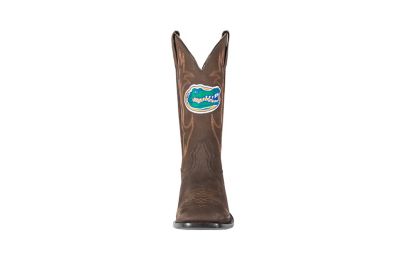
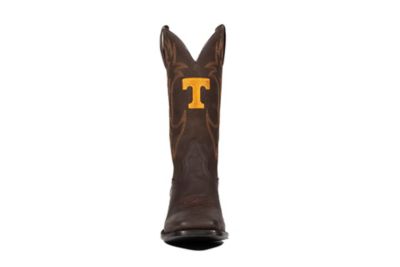
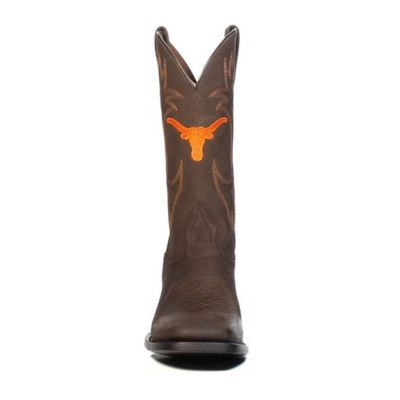
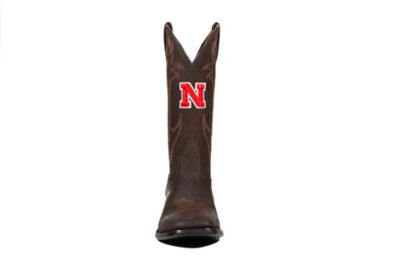
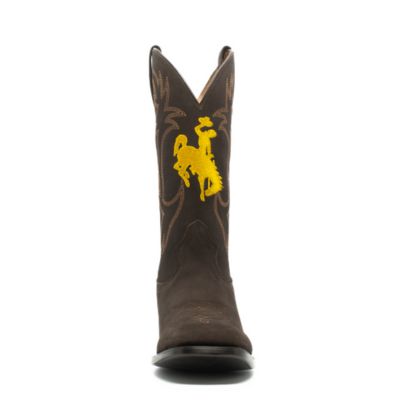
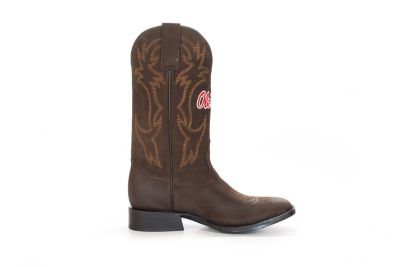
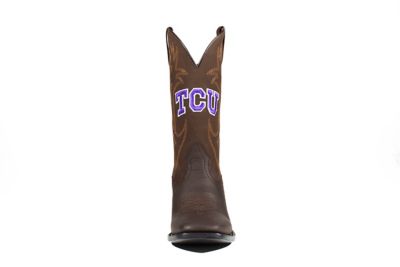
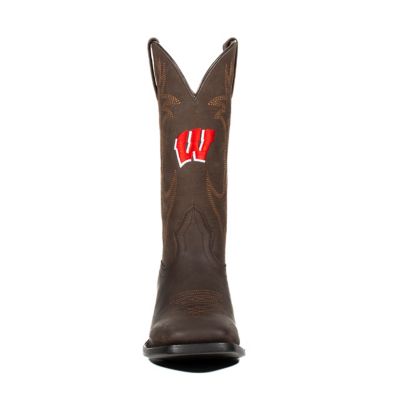
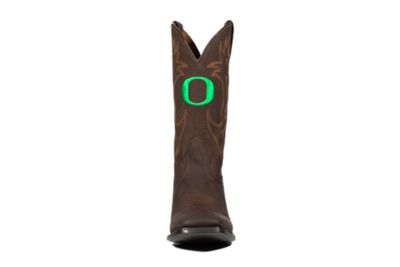
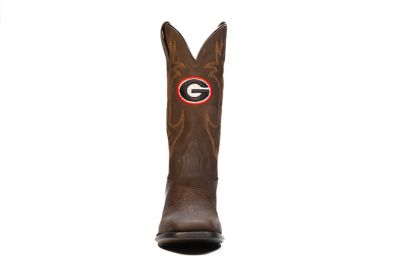
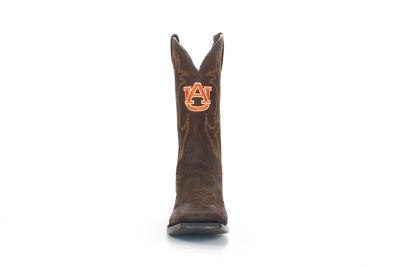
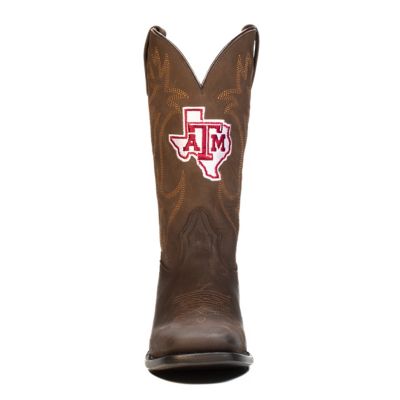
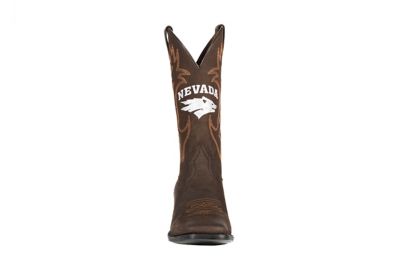
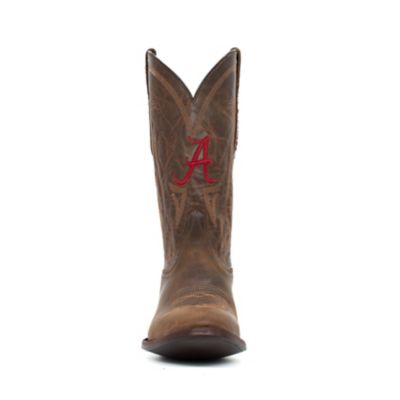
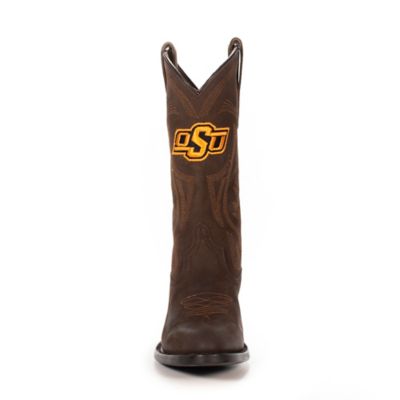
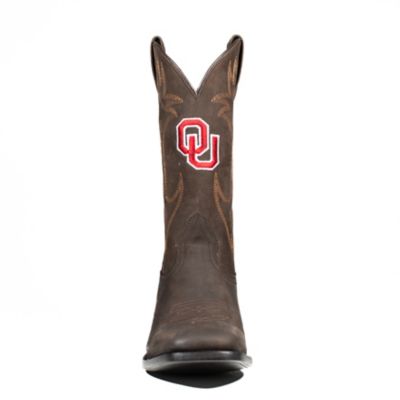
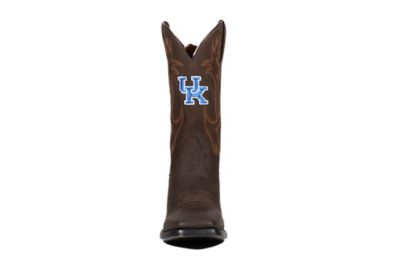
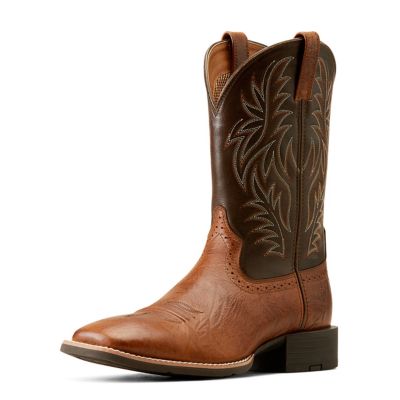
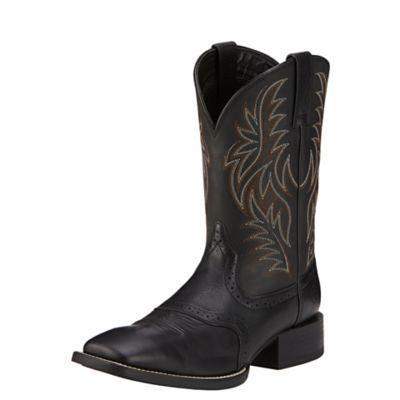
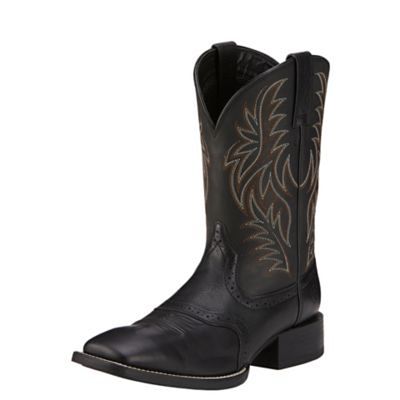
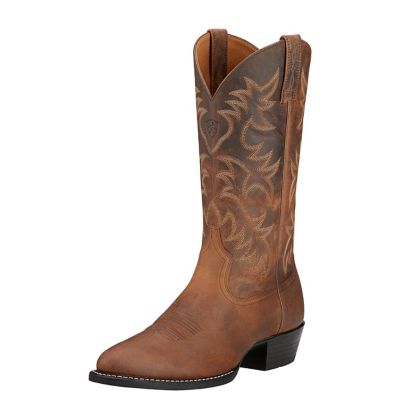
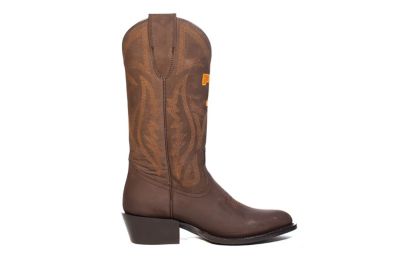
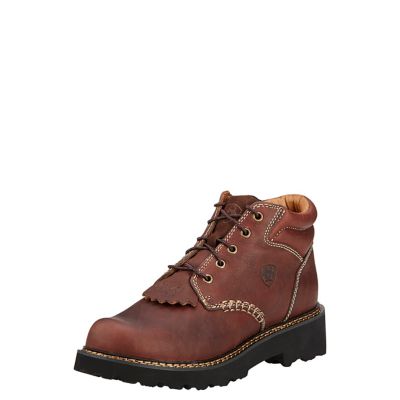
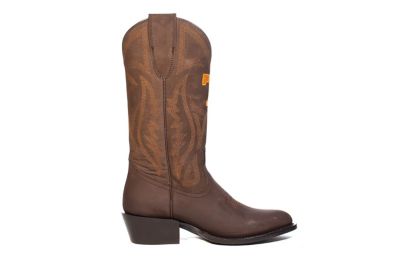
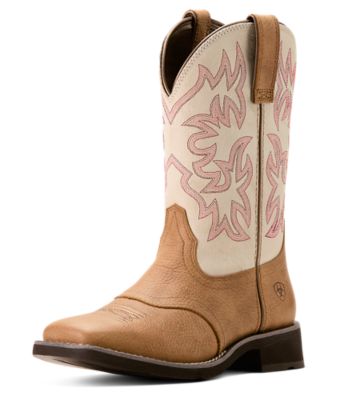
Men’s college football boots bring school pride to a familiar Western look, pairing the character of pull-on footwear with colors and details that mean something to a fan. For alumni, longtime supporters, and men who would rather wear boots than sneakers to a tailgate,
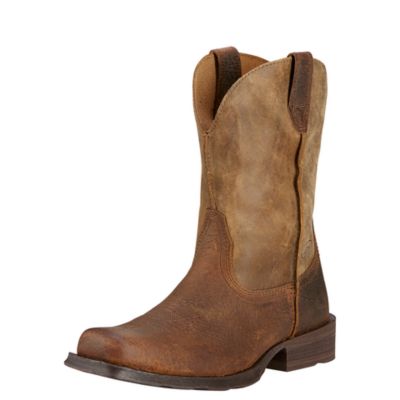
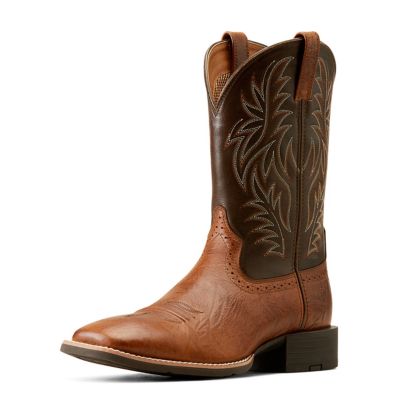
College Football Boots offer a way to carry that connection beyond a team shirt or ball cap. The appeal here is team-inspired everyday footwear, rather than the studded cleats players wear on the field. School lettering, embroidered emblems, and contrasting stitching can give a boot its football connection without changing the basic shape that makes Western footwear easy to recognize. A taller shaft leaves room for team details, while the vamp—the part covering the top of the foot—helps set the overall look. With jeans worn over the shaft, a fan can keep the outfit understated and let a glimpse of color show when sitting down. Tucking pants into the shaft puts more of the team design on display, though the choice comes down to personal style and the cut of the jeans. These boots fit naturally into the rhythm of a football gathering: carrying a folding chair across the tailgate lot, standing around a picnic table before kickoff, or meeting friends to watch a rivalry game. They can also make sense away from the stadium, especially for someone whose college ties are part of everyday life. A simple shirt and straight-leg jeans leave room for the boots to stand out without making the whole outfit feel like a uniform. Toe shape and heel profile matter to that balance, too. A broad square toe gives a different impression than a rounded or narrower toe, while a lower heel generally feels more familiar to someone who does not regularly wear Western boots. The right pairing reflects both the school a man supports and the way he already likes to dress.
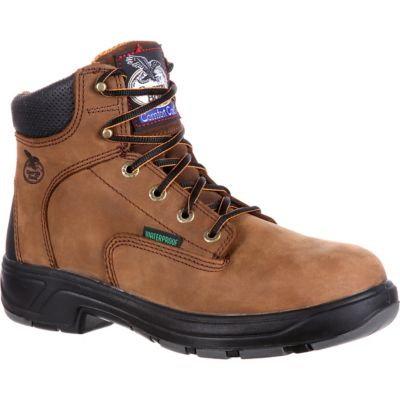
Materials, construction, and fit determine how comfortable that team spirit feels after several hours on foot. Leather uppers can develop creases and character with wear, while synthetic materials have their own care needs and may feel different across the instep or around the calf. Full-grain leather retains the hide’s natural surface, but the material name alone does not tell the whole story; thickness, lining, stitching, and sole construction all contribute to the feel and service life of a boot. Embroidery adds texture, and its placement affects whether the team detail stays visible beneath a pant leg. Inside, a smooth lining and cushioning underfoot can make a difference during long stretches of standing, though cushioning does not make up for a poor fit. Pull-on boots should feel comfortably secure across the instep, with enough room for the toes to rest naturally instead of pressing against the front or sides. A little heel movement can be normal in a new Western boot, but a foot that slides forward or lifts excessively may signal the wrong size or shape. Width deserves as much attention as length, particularly for men who spend most days in roomy work footwear or athletic shoes. The socks intended for regular wear belong in that fit decision, since a thick pair can change the space inside the boot. Outsoles also influence the experience of walking between a gravel parking area, a paved concourse, and stadium steps. Rubber and leather soles feel different underfoot, and tread patterns vary in how they meet the ground. A defined heel, flexible forefoot, and supportive footbed each play a role, but no single feature guarantees comfort for every wearer. Team styling should never stand in for a stated safety feature: boots meant for casual fan wear are not automatically suited to a jobsite, horseback riding, or other tasks with particular footwear requirements. For everyday wear, even stitching, sound attachment points, and a sole suited to the setting matter more than appearance alone.
Regular care helps college-themed boots keep their shape and keeps the team details looking sharp through repeated outings. Loose dirt is easier to remove before it settles into seams, so a soft brush or cloth is a practical starting point after a day around the tailgate lot. Smooth leather, suede, and synthetic surfaces need different treatment, making the manufacturer’s care directions worth keeping close at hand. A conditioner intended for smooth leather may not belong on a suede shaft, fabric panel, or embroidered emblem. Cleaning products can also alter a finish, so testing an inconspicuous spot helps avoid an unexpected change in color. Boots that need drying should rest away from direct heat, which can be hard on leather and other components. Giving the interior time to air out between wears helps with everyday freshness, and storing the pair upright keeps shafts from folding sharply across the design. For someone who wears boots often, checking heel wear and the edges of the outsole can catch small problems before they become a bigger repair. College football boots can also make a thoughtful gift for a graduate, a father who never misses kickoff, or a friend whose favorite memories include the same campus and stadium. The school connection is only one part of getting that gift right. A recipient’s usual boot size, preferred width, toe shape, and comfort with a pull-on style matter just as much as the colors on the shaft. A man who favors quiet details may enjoy team stitching that sits mostly beneath his jeans, while a devoted tailgater may appreciate a more visible emblem. Matching those preferences gives the gift a purpose beyond a single game. Whether worn to an alumni gathering, a watch party, or a casual evening out, men’s college football boots work best when the team identity feels personal and the footwear fits comfortably into the wearer’s routine.