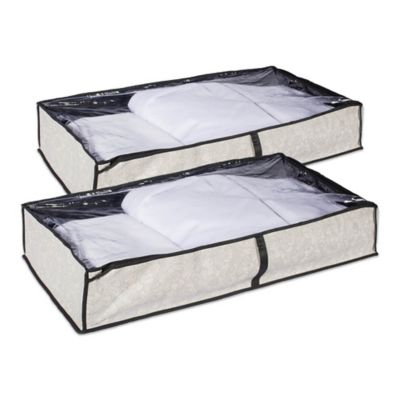
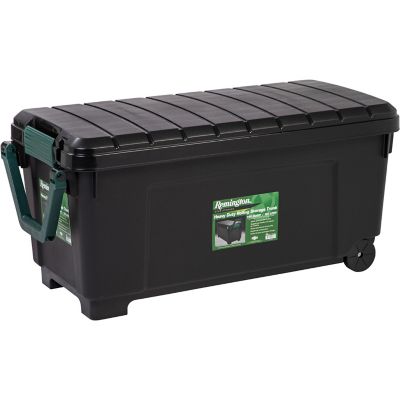
Christmas storage containers help keep the things that make the holiday feel like home together, from glass ornaments passed down through the family to the wreath that hangs on the front porch. Once the tree comes down, having a place for each piece can mean fewer tangled cords, fewer bent branches and less hunting when it’s time to put everything up again. Different shapes call for different kinds of storage. A rectangular tote makes sense for boxed ornaments and smaller holiday accents, while a long tree bag gives artificial tree sections room to lie without forcing the branches into sharp bends. For tree storage, the tree’s assembled height is only part of the fit; the length and width of its largest section matter, too. A fuller tree may need more space than a slim tree of the same height, especially when the branches do not fold tightly against the center pole. Flexible fabric bags can be easier to tuck into a closet or carry through a narrow doorway, while rigid containers provide structure around contents that should not be squeezed. Polyester fabric, coated fabrics and molded plastic each have different care needs, so the material and care label are worth a look alongside the dimensions. Reinforced handles, supported bottoms and closures that open wide can make a noticeable difference when packing awkward sections. Wheels may help with heavier loads on a smooth floor, though stairs and gravel still call for a manageable carrying weight. A bag with plenty of room can become difficult to lift once it holds a full tree, stand and other pieces. Keeping those parts in separate containers may suit a household better than one oversized load. For a farmhouse with several trees or a smaller home with one favorite tabletop display, the right fit comes down to what needs protection, where it will stay and how it gets there.
Ornament storage calls for a different balance of space and cushioning. Small glass balls, painted wooden figures and larger keepsakes rarely fit the same compartment equally well. Divided trays help separate pieces, while adjustable sections can leave room for an ornament with a long finial or an uneven shape. Soft liners and individual wrapping add a buffer around delicate finishes, but they should not press against thin hooks, wire details or fragile edges. A container that closes without pushing down on the top layer gives those pieces breathing room. Removable trays can also make it easier to bring a smaller group of ornaments to the tree instead of balancing an entire box on a chair. Flat pieces, fabric ornaments and sturdy shatter-resistant shapes may fit comfortably in simpler bins, leaving the divided spaces for the breakable family favorites. Light storage has its own challenges: cords piled loosely together can turn into a knot, and exposed plugs can catch on neighboring strands. Reels, wrap boards or separate compartments help keep strands contained, with enough space to avoid tight bends. A small section for spare bulbs, clips and replacement hooks keeps the little parts close to the lights they belong with. Wreath containers work best when their width and depth leave room for bows, pinecones and raised details rather than flattening the front. A rigid case offers more shape support than a soft bag, while a hanging bag may fit a closet better when shelf space is tight. Garland can take up more room than expected, particularly when it has lights or thick branches attached. Giving it a roomy container helps prevent a tight coil from crushing its shape. Gift wrap storage rounds out the setup with space for long rolls, folded gift bags, tissue paper and ribbon. Keeping those supplies apart from rough branches and loose ornament hooks helps limit torn paper and snagged ribbon. Together, these storage styles let each part of a Christmas display have a place without treating every shape as though it belongs in the same square box.
Where Christmas storage containers will sit matters just as much as what goes inside them. A shelf in a hall closet, a corner of the garage and an outbuilding can present very different conditions. Indoor storage away from dampness, direct sunlight and large temperature swings is generally a better setting for delicate ornaments, fabrics and electrical pieces. An ordinary tote or zippered bag should not be assumed to block water or pests; any added protection depends on the container’s stated features and closure. For mixed storage needs,
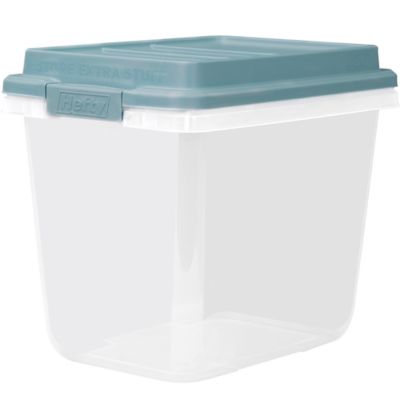
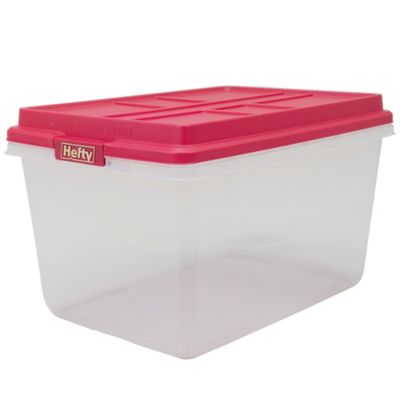
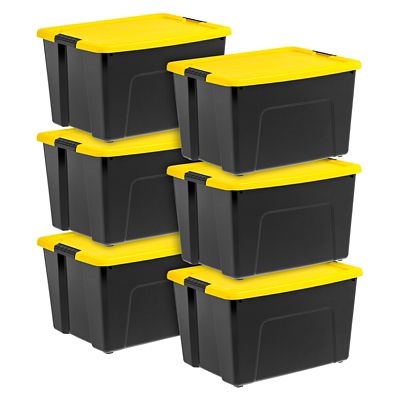
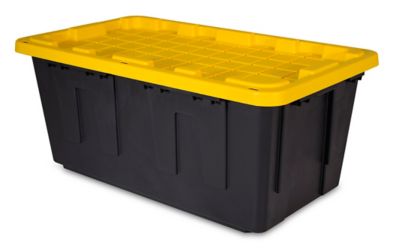
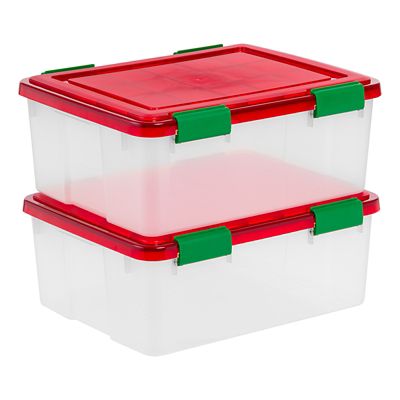
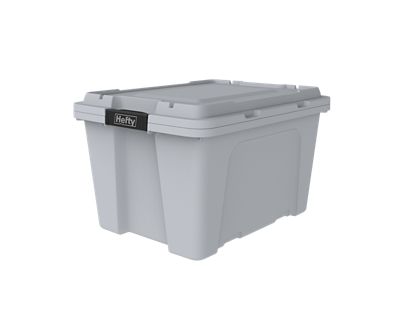
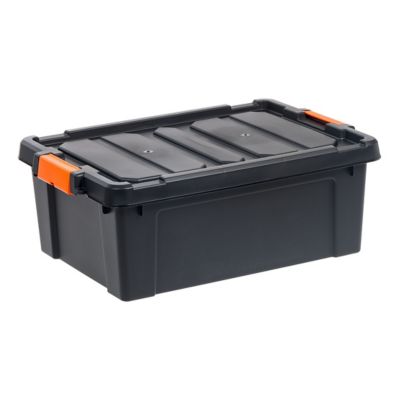
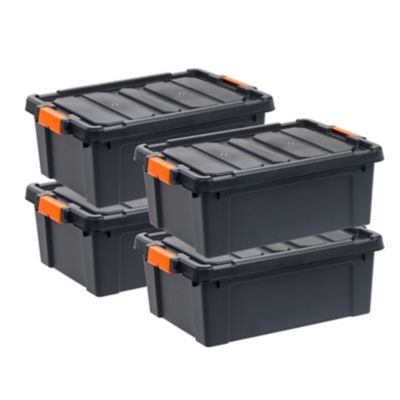
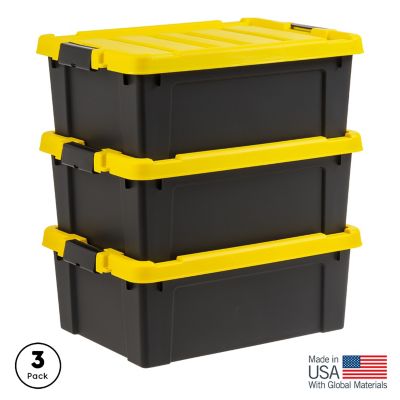
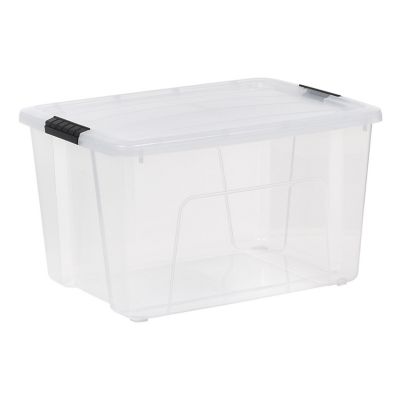
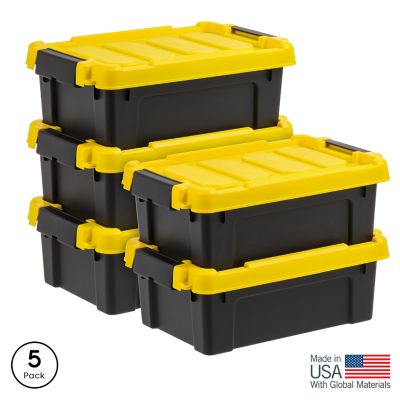
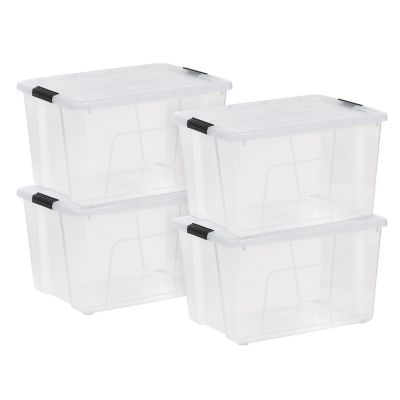
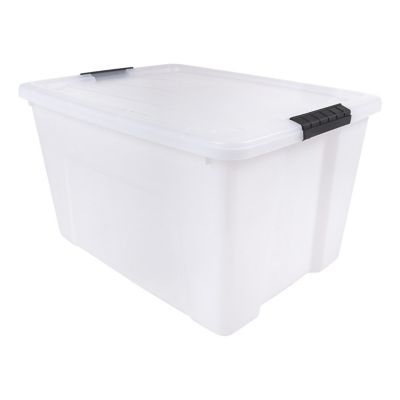
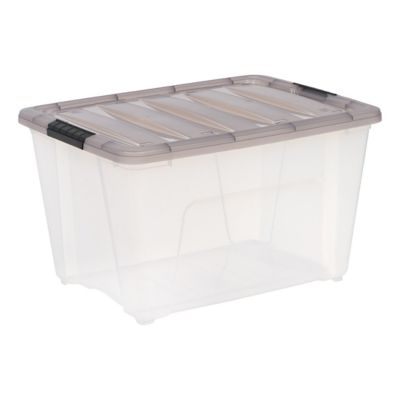
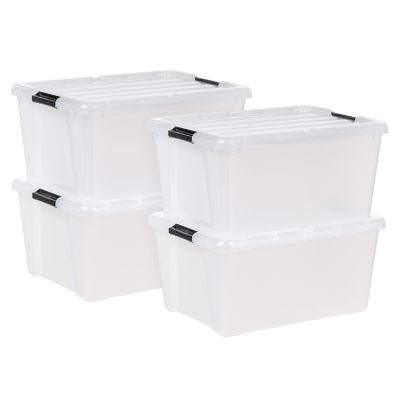
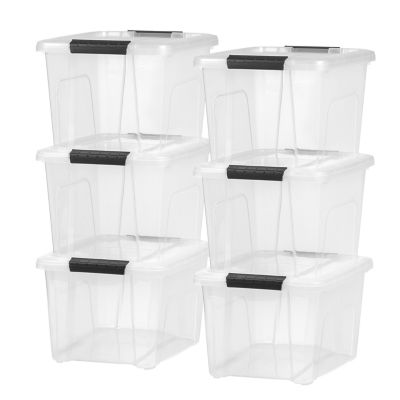
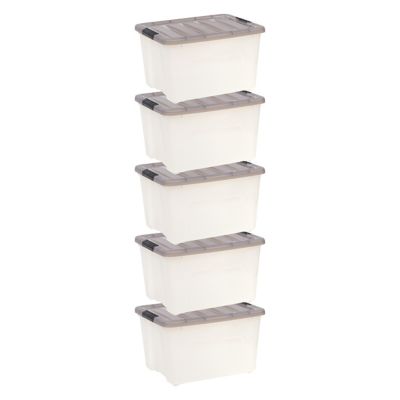
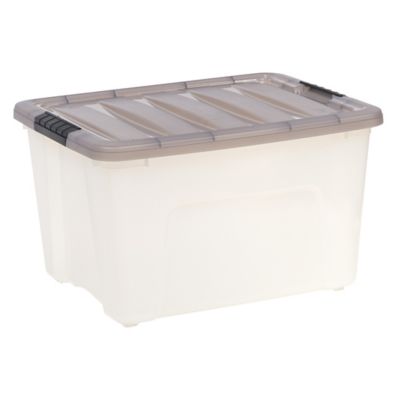
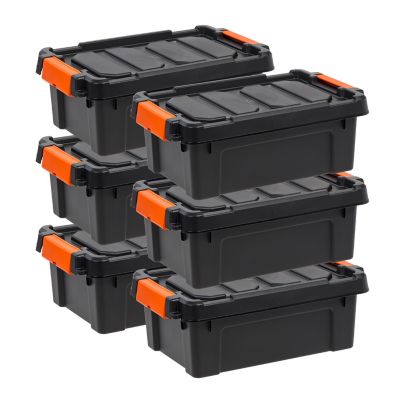
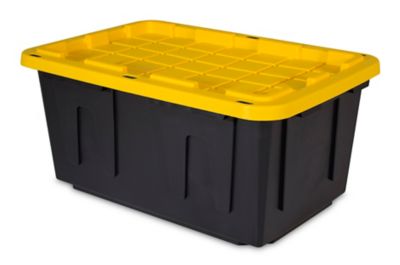
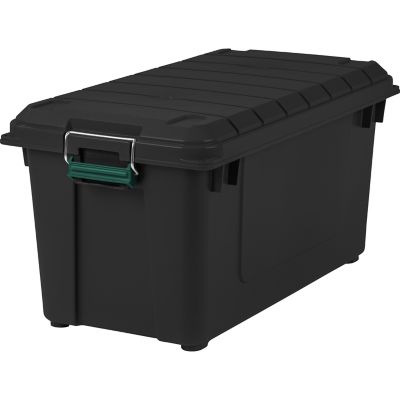
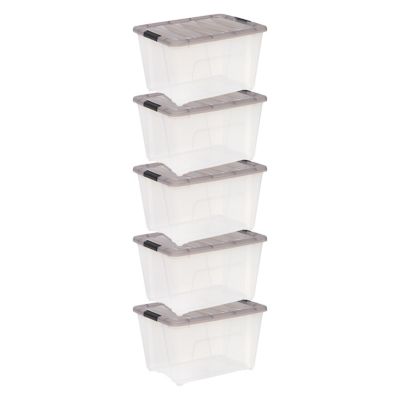
plastic storage containers offer another way to group holiday supplies alongside other household belongings. Clear sides make contents easier to recognize, while solid-colored containers can give holiday supplies a recognizable home on a busy shelf. Labels on the end facing the aisle are helpful when several bins sit side by side, especially for separating tree lights from porch lights or fragile ornaments from fabric pieces. Exterior measurements determine whether a container fits beneath a bed or between shelf supports, while interior measurements determine what it can actually hold. Lids, handles and wheels can add to the outside footprint, so a container’s stated capacity alone does not tell the whole story. Stackable designs need lids and bases intended to work together, with heavier loads kept low and fragile contents protected from pressure. A manageable bin is often easier to carry through a house than a larger one packed to the brim. Care is usually straightforward but still depends on the material: plastic surfaces may allow wiping with a damp cloth, while fabric bags may call for spot cleaning. Everything should be dry before packing, including wreaths brought in from the porch and containers wiped clean after unpacking. With sensible sizing and a little separation between fragile, bulky and electrical pieces, Christmas storage can keep a household’s holiday favorites together without taking over the closet, garage or spare room.