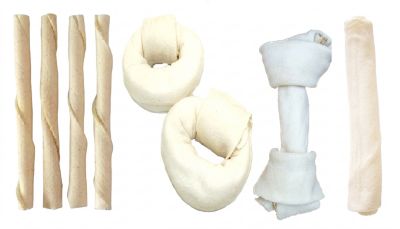
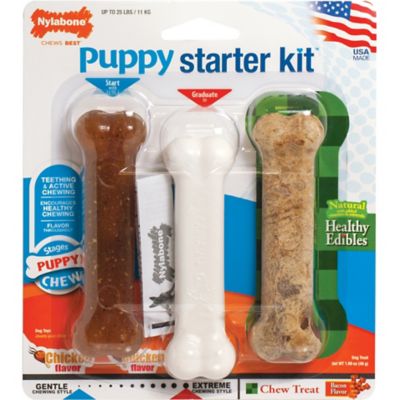
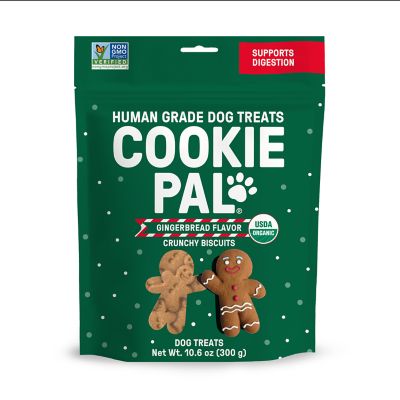
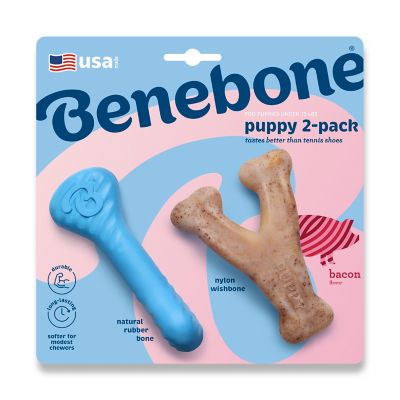
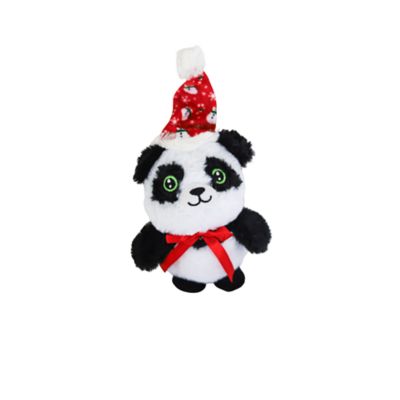
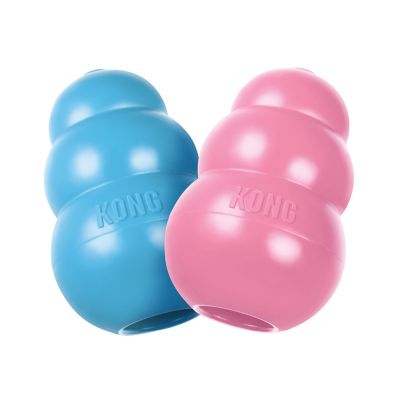
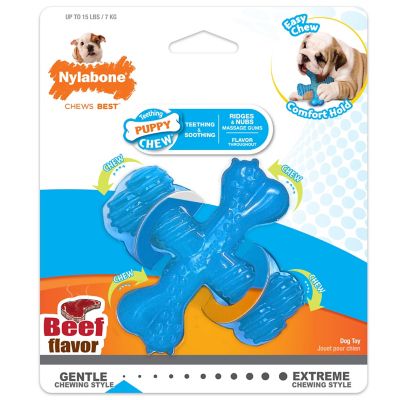
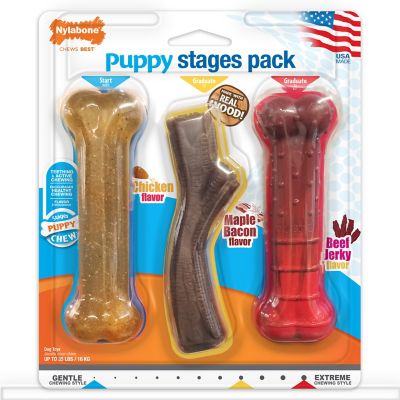
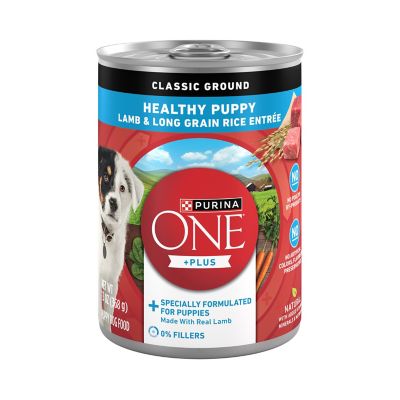
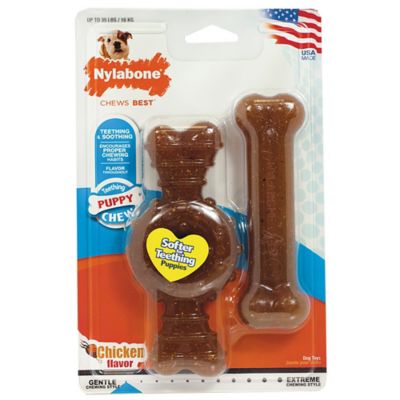
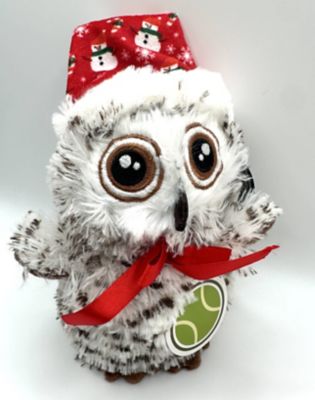
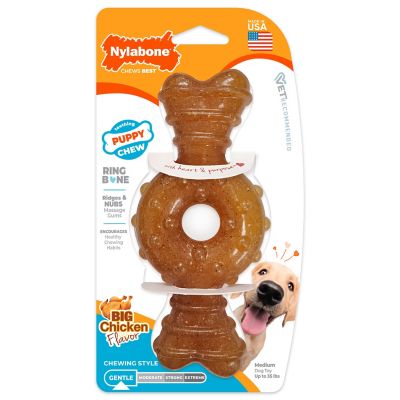
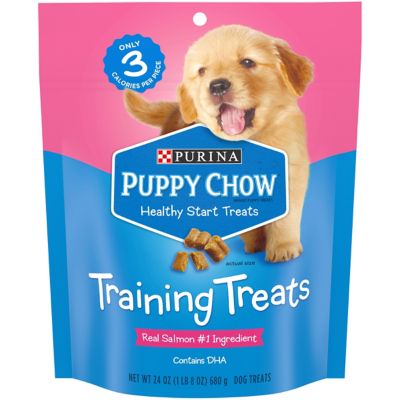
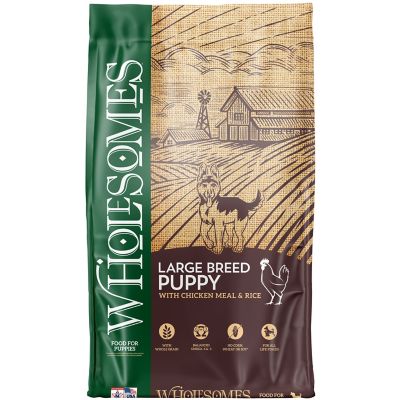
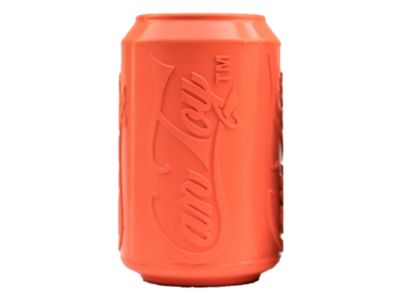
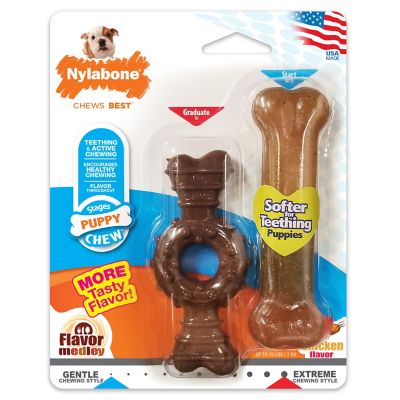
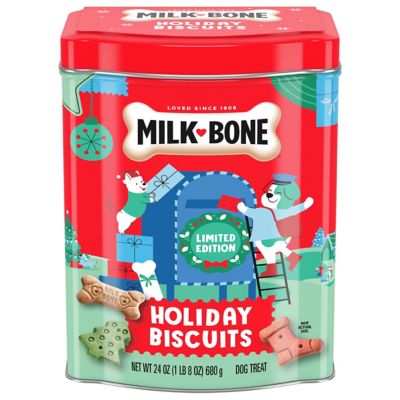
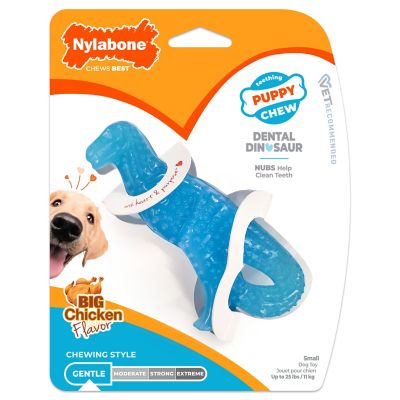
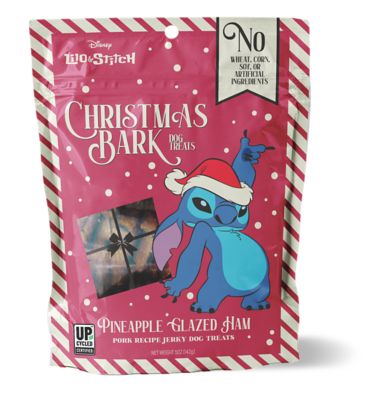
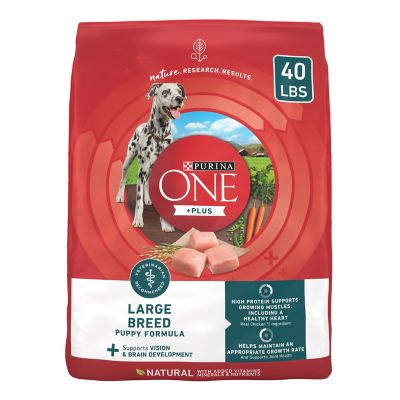
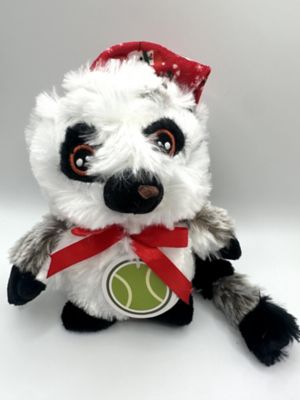
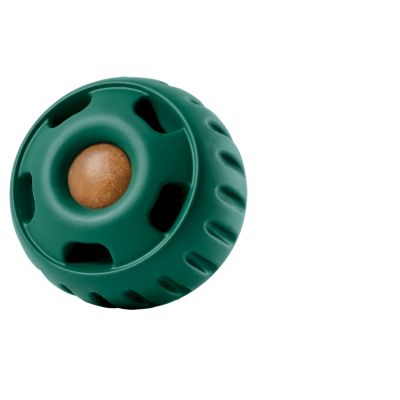
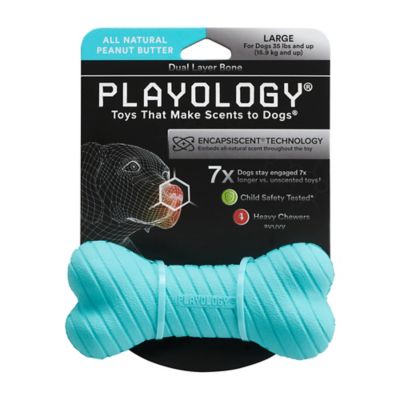
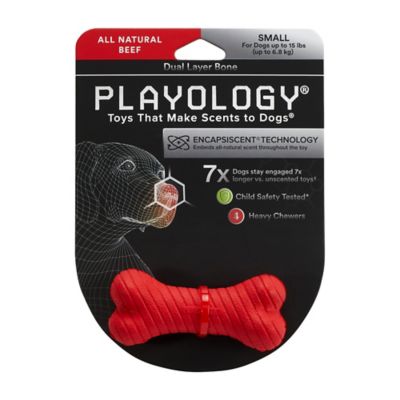
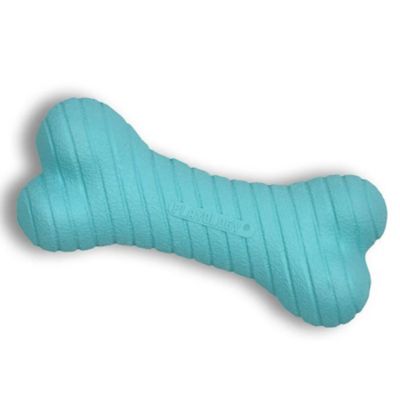
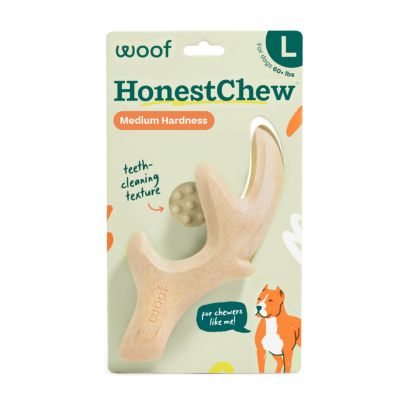
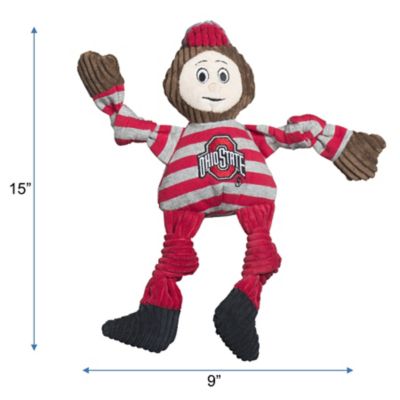
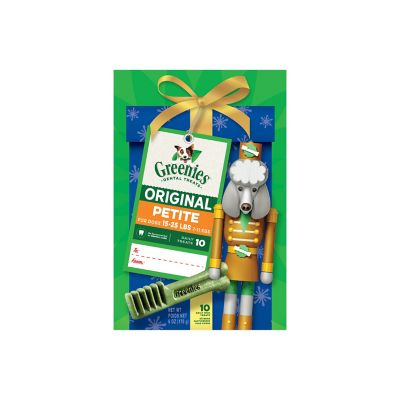
Christmas presents for puppies include age-appropriate chew toys, training treats, cozy bedding, walking gear, and grooming supplies that make everyday care a little easier. The right match depends on a puppy’s age, size, chewing habits, and stage of training—not just what looks festive under the tree. A small pup learning to carry a toy needs something different from a growing youngster who puts every new possession through a serious chewing session. Flexible rubber, washable fabric, and lightweight shapes each have a place in puppy play, provided the toy is intended for that age and chewing strength. Toys should be large enough that they cannot be swallowed, yet manageable enough for a small mouth to pick up. Soft toys can suit gentle carrying and supervised games, while puppy-specific chew toys give busy mouths an appropriate outlet during teething. No toy is chew-proof, and loose threads, torn seams, or missing pieces mean it is time to take that toy out of reach. Hard bones, antlers, and similarly unforgiving chewing materials can damage teeth, including young teeth still developing. Short games on the living room floor or a little supervised fetch in a fenced yard often matter more than a toy’s bells and whistles. Food rewards can also make useful Christmas gifts, especially for puppies working on coming when called, settling on a mat, or keeping four paws on the floor when company arrives. Small, soft treats are easy to portion for repeated practice without interrupting the lesson for a long chew. Ingredients, feeding directions, and age recommendations deserve a close look, particularly when a puppy has a sensitive stomach or a veterinarian-directed diet. Treats generally should account for no more than 10 percent of daily calories, with most nutrition coming from complete and balanced puppy food. Rich holiday table scraps are not a substitute for puppy treats, and unfamiliar foods are better introduced gradually than handed out all at once on Christmas morning.
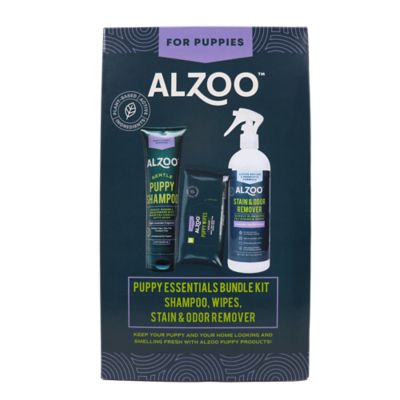
Comfort gifts have plenty of everyday purpose, too. Puppies spend a lot of time resting between short bursts of activity, and bedding gives them a familiar place to settle while the household carries on around them. Bed dimensions should accommodate a comfortable stretch, not only the tight curl a puppy makes while sleeping. Growth matters, although extra space is not always the answer for a pup who feels more settled with a little support around the edges. Smooth seams, firmly attached parts, and covers that come off for washing make a difference when muddy paws or housetraining accidents are part of the routine. Machine-washable does not always mean every component can go into the washer or dryer, so care labels matter for both covers and inserts. Puppies that tear or swallow bedding need a different resting setup and close supervision rather than more stuffing within reach. Walking gear is another practical part of Christmas giving, especially when a puppy is learning that a leash means a calm trip outside rather than a wrestling match by the back door. Collars, harnesses, and wearable layers should be selected from current neck, chest, and back measurements instead of breed guesses alone. Adjustable straps can accommodate some growth, but fit still needs checking often; a harness that fit last season may rub or restrict a fast-growing puppy. Hardware should suit the pup’s size, and straps should sit clear of spots where they can chafe behind the front legs. For puppies that need extra protection on cold outings, a coat should allow normal walking and bathroom breaks without dragging or tangling. Clothing is not a substitute for shelter or close attention to a puppy’s comfort outdoors. Grooming gifts round out these daily-care categories with brushes suited to the coat, puppy-appropriate bathing supplies, and tools that help make handling less of a fuss. Gentle, brief sessions paired with praise can turn paw checks and brushing into familiar routines instead of a struggle.
A thoughtful puppy Christmas gift also fits the people doing the feeding, cleaning, walking, and training. For someone welcoming a first puppy, easy-to-clean materials and straightforward care instructions can matter as much as appearance. For an experienced owner with a growing farm dog, secure fit and construction that stands up to regular play may carry more weight. A puppy living with children needs supervised play and a quiet resting spot where small hands do not interrupt sleep. A pup sharing space with an older dog may need separate treats and toys so neither animal feels crowded or pushed to compete. Gifts work best when they support those real household routines: a reward during a short training session, a comfortable place beside the family’s chairs, or walking gear ready by the door for the next potty trip. Checking with the puppy’s caregiver before giving food, chews, or fitted gear helps avoid diet conflicts and sizing mix-ups. When the household includes a young cat as well,
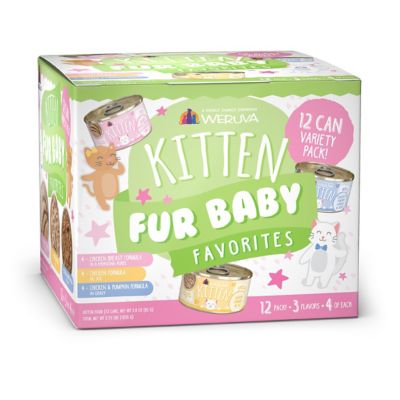
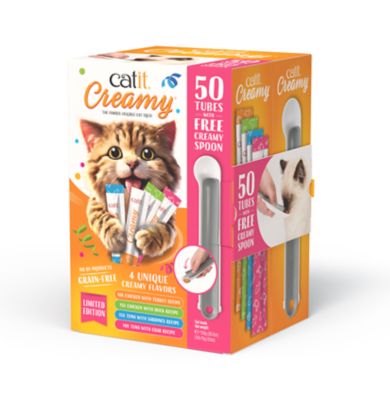
Christmas Gifts for Kittens offers a separate place to consider age-appropriate presents for the feline side of the family. Puppy and kitten needs are not interchangeable, especially when it comes to food, toy size, and play style. Christmas packaging needs the same attention as the present inside: ribbons, bows, string, plastic ties, and small tags should stay out of a puppy’s mouth. Chocolate and other unsafe holiday foods belong well beyond reach, including inside wrapped packages that a curious nose can find. During a busy gathering, one new toy at a time and a calm introduction can be easier on a puppy than a floor covered with unfamiliar objects. Putting some gifts aside for later also gives the family something fresh to bring into another day’s play. The most fitting Christmas presents for puppies have a place long after the wrapping paper is cleared away, supporting safe play, comfortable rest, and the steady practice that helps a young dog settle into family life.