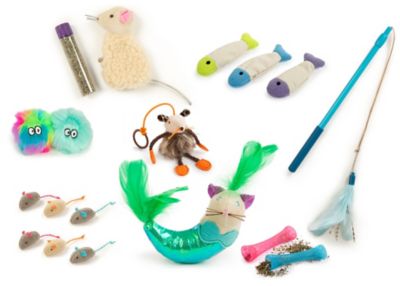
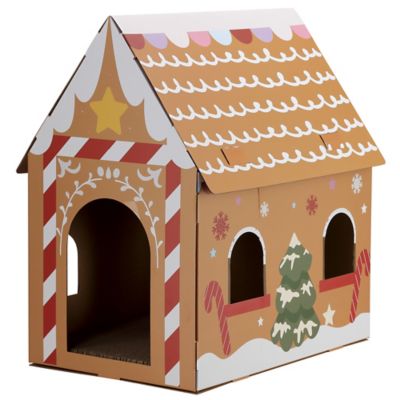
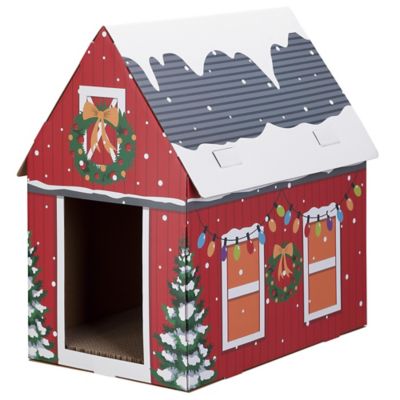
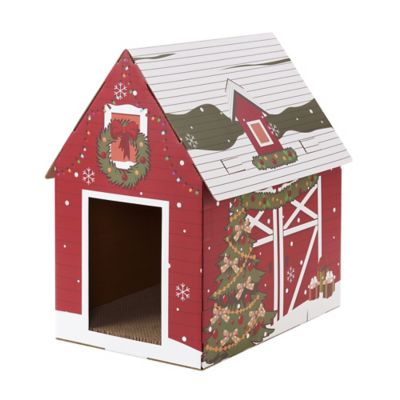
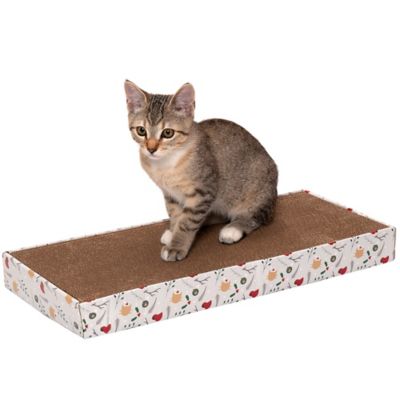
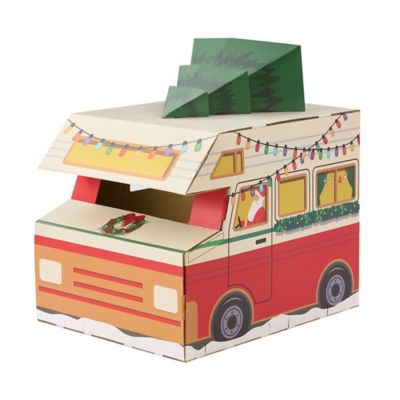
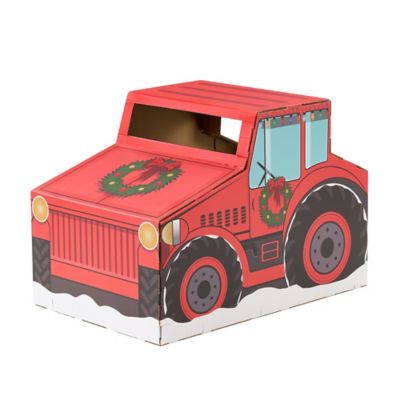
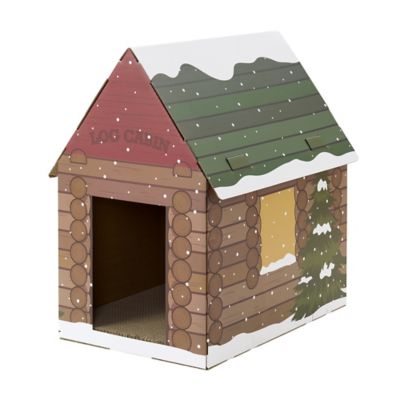
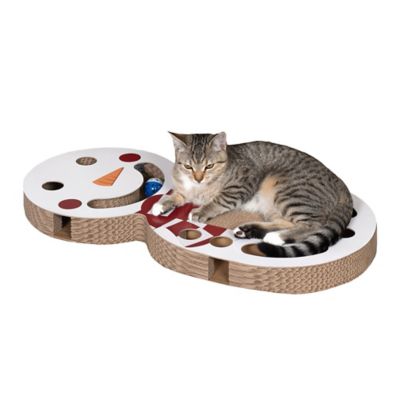
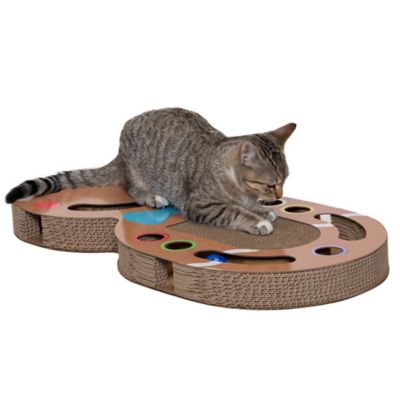
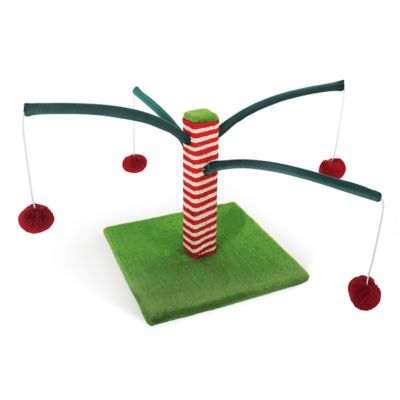
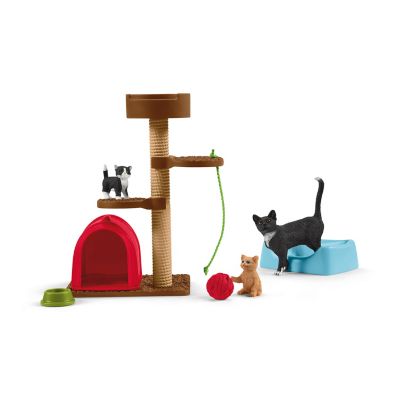
Cat gifts for Christmas can include toys for chasing and batting, places to scratch and climb, soft beds, and accessories that make everyday care a little easier. The best match depends on how a cat spends the day: watching birds from a window, tearing down the hallway, or claiming the same corner of the couch every afternoon. Play gifts suit curious kittens and grown cats alike, but size, weight, and movement matter more than a festive shape. Lightweight toys give smaller cats something they can push across the floor, while toys that roll or move unpredictably can catch the attention of a cat that loses interest quickly. Soft toys offer something to grab and kick, and interactive play accessories give family members a way to join in without offering fingers as targets. Enclosed ball tracks can keep the action in one spot instead of sending every play session under the refrigerator. Some cats respond enthusiastically to catnip, while others show little interest, so familiar play preferences are a better starting point than assuming every cat enjoys the same thing. Materials deserve a close look, too. Fabric should have secure stitching, and toys should be appropriately sized, without loose pieces a cat could swallow. Strings, feathers, and other dangling parts call for supervised play and storage out of reach afterward. Battery compartments should stay securely closed, and damaged toys belong out of the play rotation. For a household with several cats, a mix of play styles can give each animal something appealing without expecting everyone to share a single favorite. A Christmas gift for a cat can also be a gift of time for the person who cares for it: a few minutes of active play before supper or a familiar game after chores. That everyday usefulness is what gives a present staying power long after the wrapping paper is cleared away. It also makes play-focused gifts a thoughtful choice for someone welcoming a new cat, provided the gift fits the animal’s age and habits.
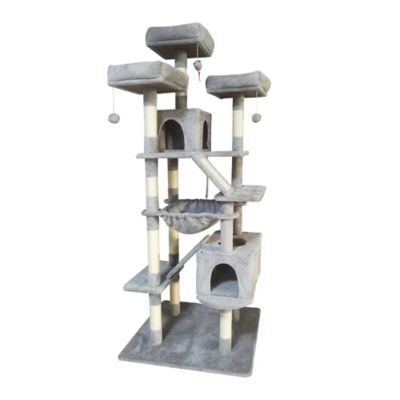
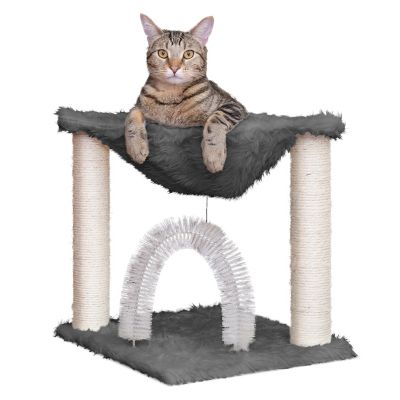
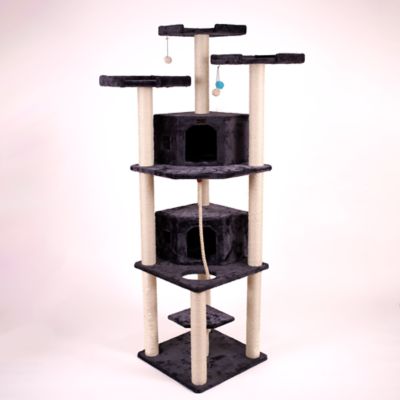
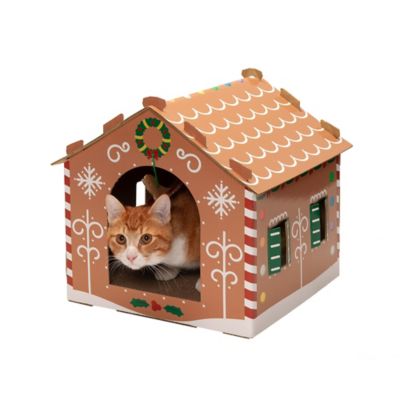
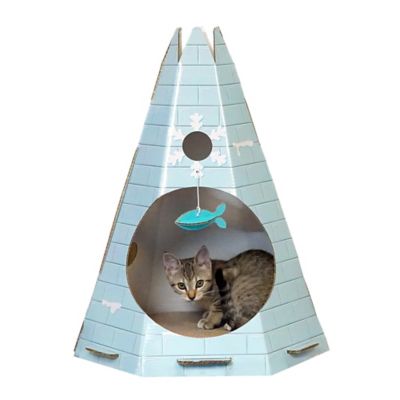
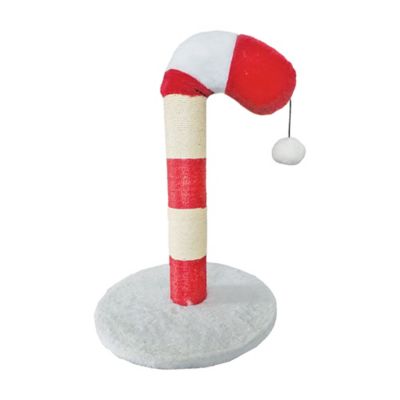
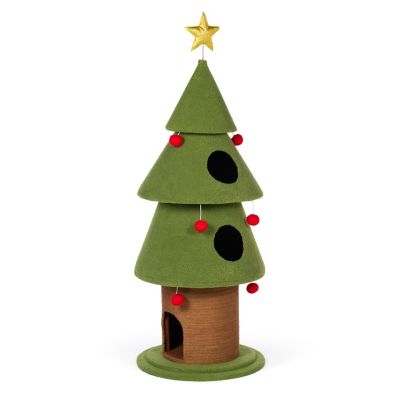
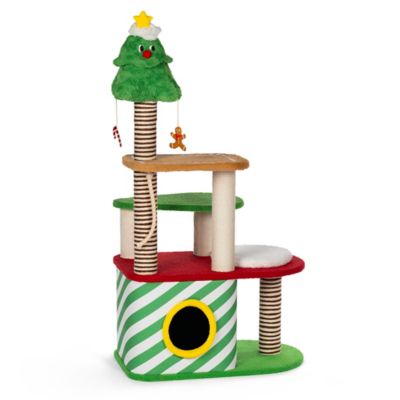
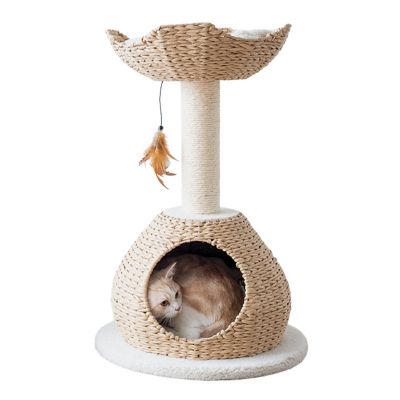
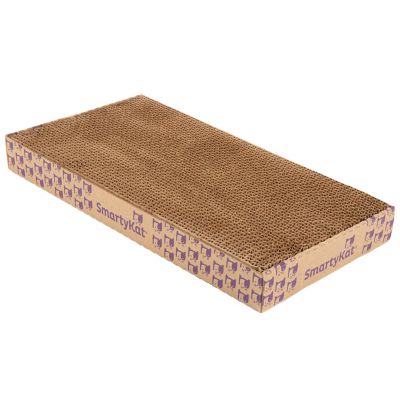
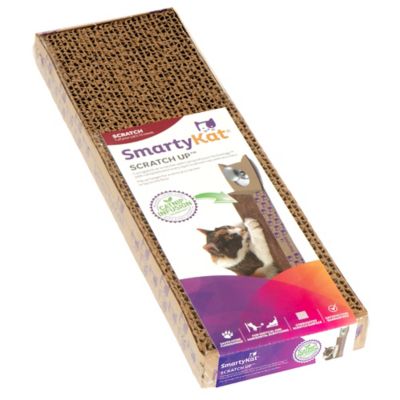
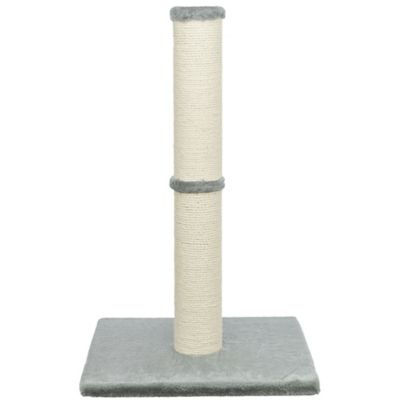
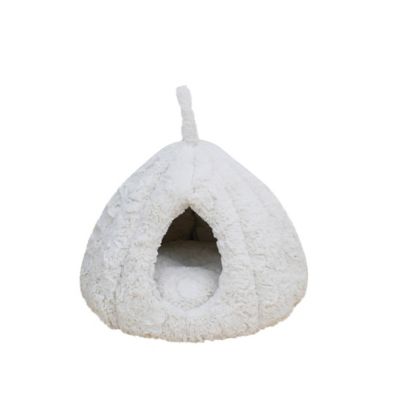
Comfort gifts bring a different kind of pleasure, especially for cats that spend plenty of time tucked into a favorite resting spot. A bed with a raised edge may suit a cat that curls into a tight ball, while a flatter sleeping surface leaves room for a long-legged lounger to stretch out. The sleeping area needs enough space for the cat’s usual position, not just enough room to squeeze inside. Soft fleece and plush fabrics offer a cozy feel, while tightly woven covers may be easier to brush free of shed hair. Removable, washable covers can make regular cleanup simpler, but care labels still matter; fill, backing, and trim may need different treatment. For an older cat or one with limited mobility, a low entrance and a resting spot close to the floor can be more practical than a tall perch. Scratching gifts work best when they match the way the cat already scratches. Some cats reach upward and lean into a post, while others prefer a broad surface beneath their paws. Sisal and corrugated cardboard offer different textures, and a steady base helps keep a scratching surface from wobbling during a full-body stretch. Climbing furniture calls for a little more planning around floor space, perch size, weight limits, and assembly. A broad platform can give a bigger cat room to settle, and accessible steps can make elevated resting areas easier to reach. In a busy farmhouse living room, placement matters as much as appearance: a quiet corner near family activity may get more attention than an isolated spot down the hall. These Christmas gifts can be especially welcome for someone settling a cat into a new home or making room for another feline companion. Checking the recipient’s available space and cleaning preferences helps keep a generous gesture from becoming something they have to work around.
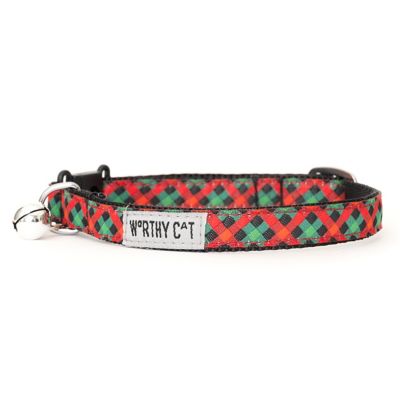
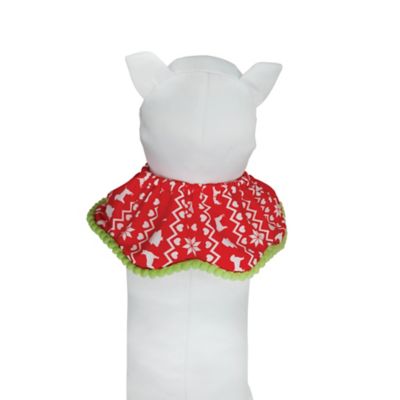
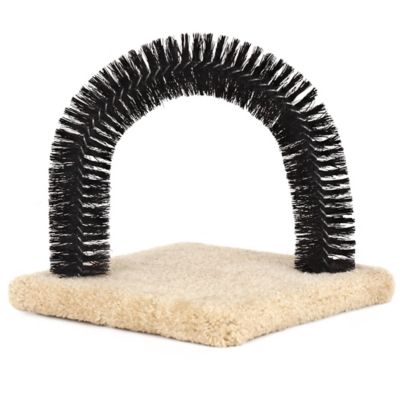
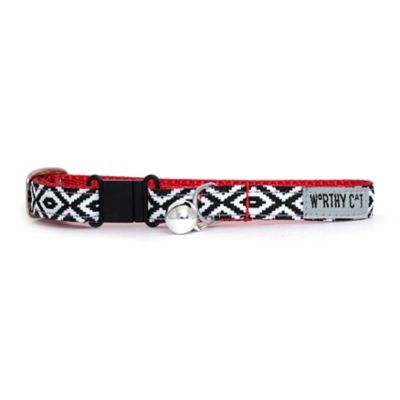
Everyday care accessories also fit naturally into Christmas giving, particularly when the recipient appreciates something that earns its place in the daily routine. Feeding accessories should suit the cat’s size and eating habits, with smooth surfaces that are straightforward to clean and a base that stays put during meals. Stainless steel and ceramic each have care considerations: metal surfaces need regular washing, and ceramic needs checking for chips or cracks. Food-contact materials and dishwasher directions are worth confirming before a gift goes into regular service. Grooming accessories deserve the same attention to fit and purpose, since a short coat, a thick undercoat, and a long coat prone to tangles call for different tools and handling. A comfortable grip can make brushing easier for the person doing the work, while gentle, short sessions help keep the experience manageable for the cat. Wearable gifts need particular care. Collar sizing should follow the maker’s directions, and a breakaway design allows a collar to release if it catches. A harness needs its own fit check and gradual introduction; a collar is not a substitute for a walking harness. Holiday outfits are not a fit for every cat, and anything that restricts movement, covers the face, or causes distress should come off. For more everyday finishing touches, explore
Cute Cat Accessories for Holiday Gift. When giving to another household, knowing the cat’s measurements, food restrictions, and familiar routines is more helpful than guessing. Keeping gift wrapping simple matters, too: ribbon, tinsel, loose ties, and packaging pieces should stay away from curious paws and mouths. A quiet place to retreat can help a cat enjoy Christmas at its own pace when visitors arrive. Whether the gift supports play, rest, or daily care, the most welcome choice is one that respects the cat’s habits and fits comfortably into life at home. A present does not need to change the whole routine to become part of it.