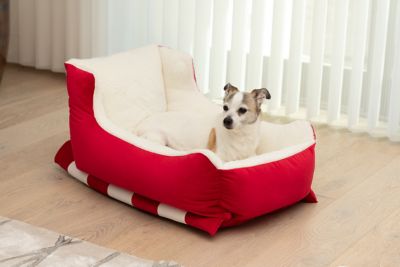
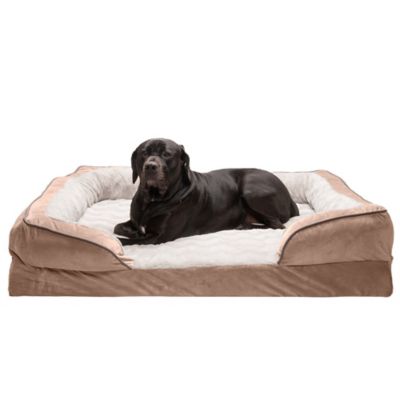
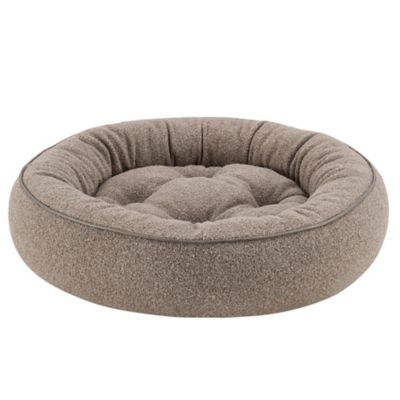
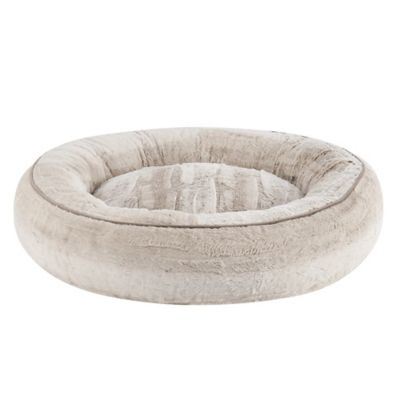
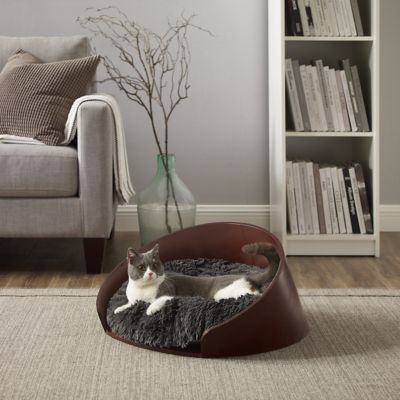
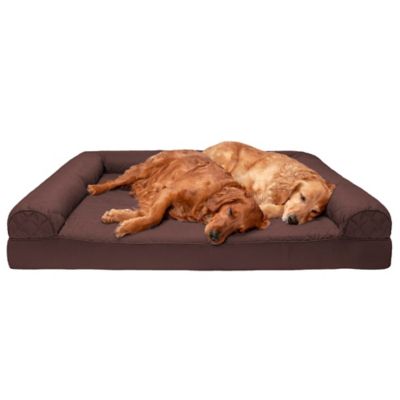
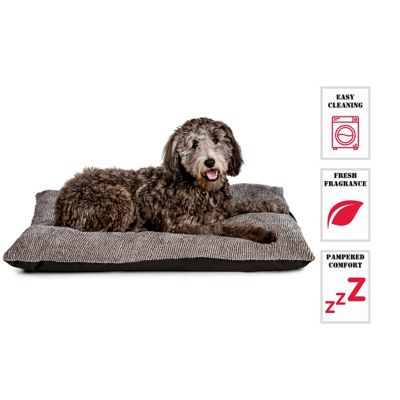
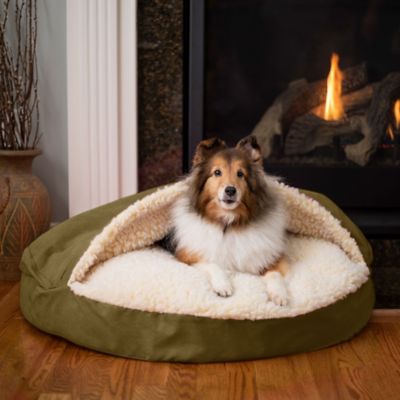
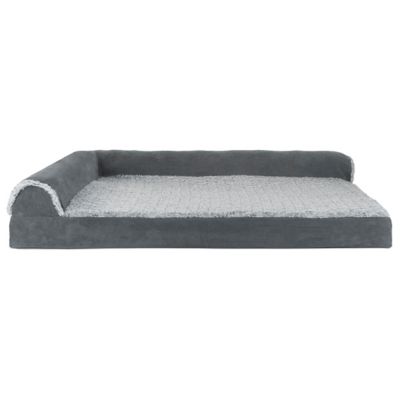
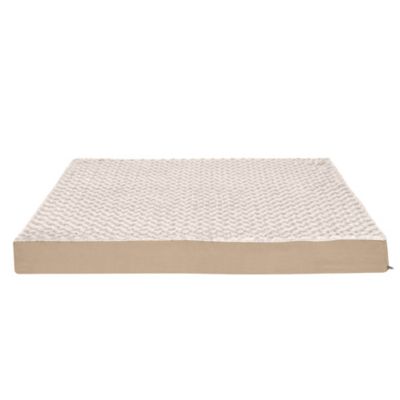
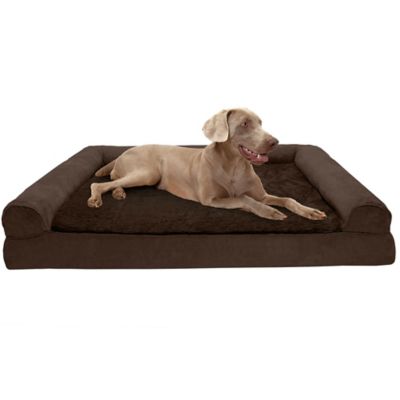
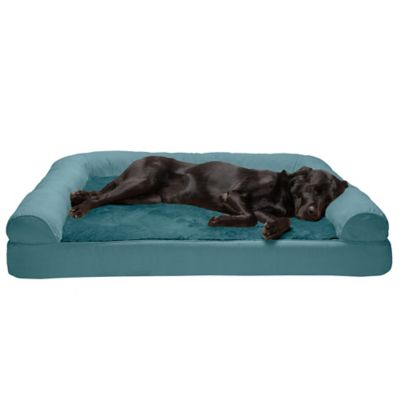
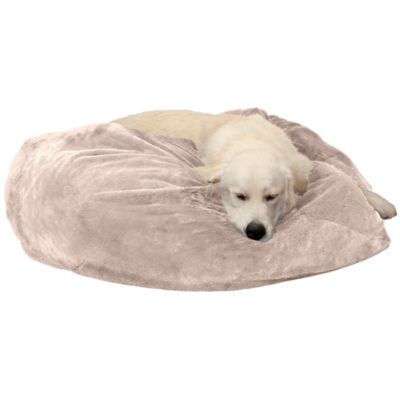
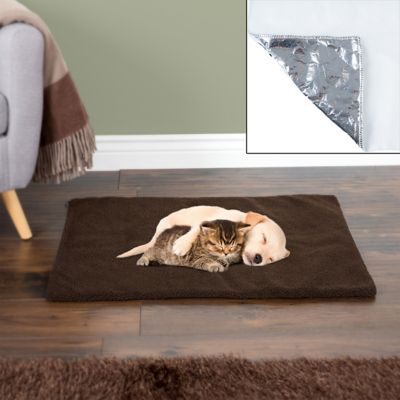
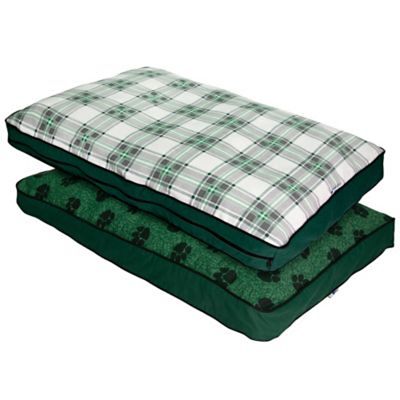
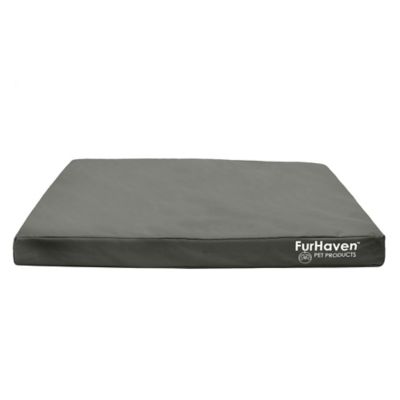
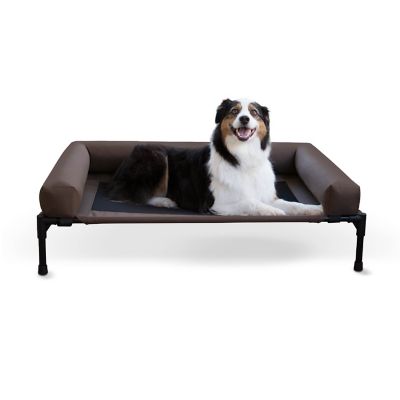
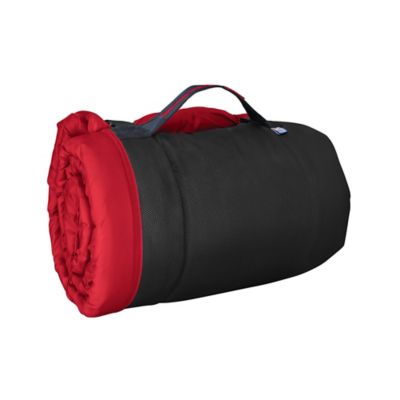
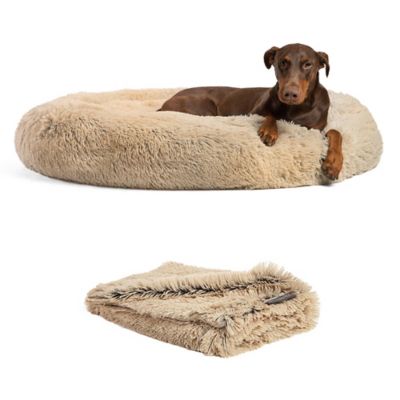
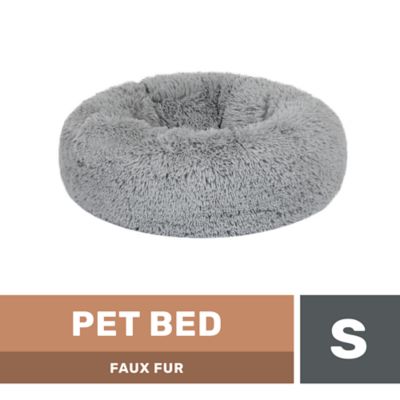
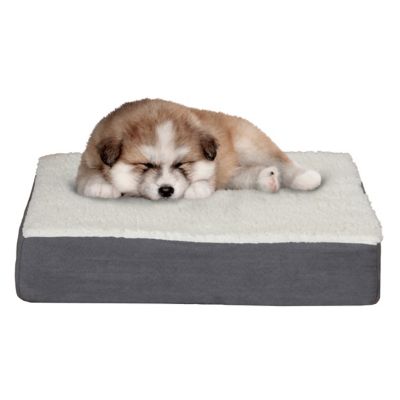
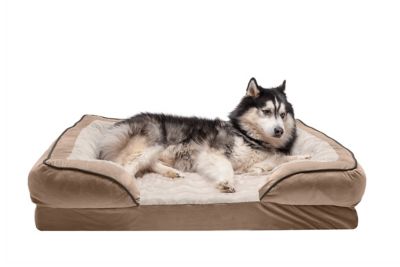
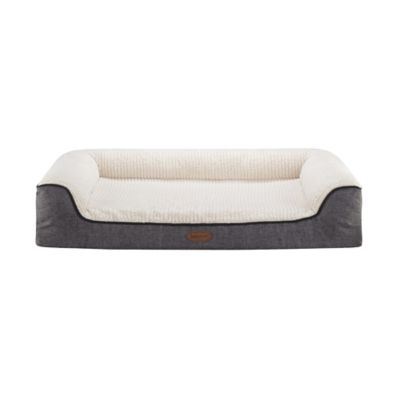
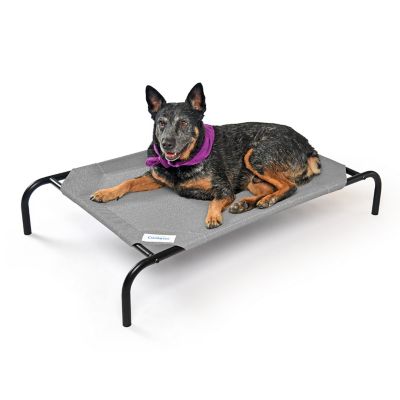
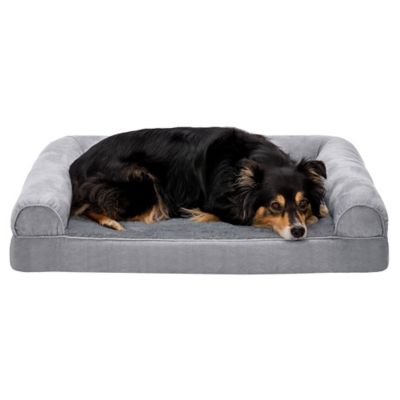
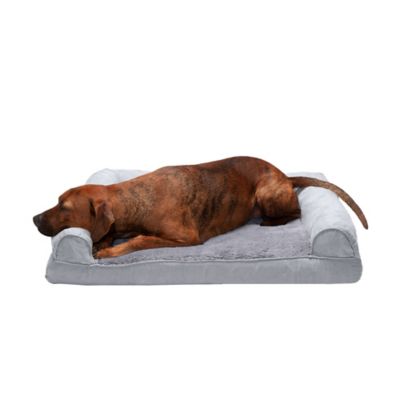
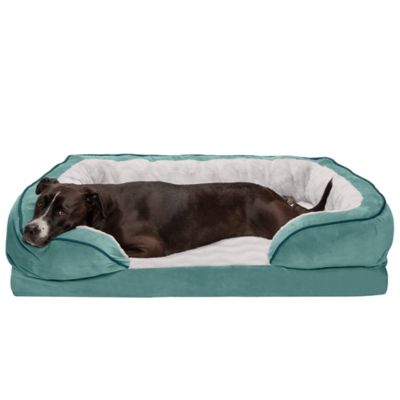
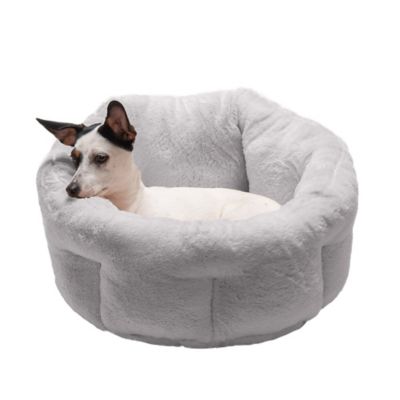
Christmas dog beds bring holiday colors and patterns to a dog's everyday resting spot, whether that's beside the living room sofa or in a quiet corner off the kitchen. Red and green fabrics, plaid prints, snowy scenes and cheerful Christmas details give these beds their seasonal character, while the shape and filling determine how a dog settles in. The holiday look is part of the appeal, but a comfortable fit matters long after the wrapping paper is cleared away. Flat cushion beds give dogs room to stretch out, turn around and sleep on their sides without a raised edge in the way. Bolster beds have padded sides that can serve as a chin rest or a cozy boundary for dogs that curl into a ball. Nest-style beds offer a more enclosed feel, while covered designs may suit smaller dogs that already enjoy sleeping beneath a blanket. A festive shape should still leave enough room for a dog's whole body, rather than taking up the sleeping area with extra trim. Materials make a difference, too. Fleece and plush surfaces feel soft against a dog's coat, while smoother woven covers can be easier to brush free of loose hair. A bed with a cushioned base helps separate a resting dog from a hard floor, though the amount of padding and how well it holds its shape vary by construction. For a dog that follows the family from room to room, a lightweight bed can move from a quiet daytime spot to a bedroom at night. Heavier beds tend to stay in one place more readily, especially when paired with a backing that grips the floor. Christmas styling can be bright and playful or simple enough to blend into a farmhouse living room, giving a faithful companion a place of their own without taking over the whole room.
Fit starts with the way a dog actually sleeps, not just a size label or weight range. A long-legged dog that sprawls across the rug needs a different sleeping area than a dog of similar weight that tucks into a tight circle. Measuring the space a dog occupies while resting gives a better sense of the room needed, with a little extra space for shifting positions. For bolster beds, the inside sleeping dimensions matter more than the outside measurements because the padded walls take up part of the footprint. Entry height matters for puppies, short-legged dogs and older dogs that may find a tall edge awkward to step over. An open front or a low cushion can make settling down less of a scramble. Foam bases offer a different feel from loose fiber filling: foam generally provides a more even surface, while fiber-filled beds often feel softer and easier to nest into. Support depends on the thickness and construction of the insert, so a fluffy appearance alone doesn't tell the whole story. For dogs with ongoing stiffness or trouble getting comfortable, a veterinarian can help identify needs that go beyond the bed's holiday design. Placement also affects how welcoming a Christmas dog bed feels. A quiet spot within sight of the family lets a dog stay close without lying in the path between the kitchen and the tree. Keeping the bed away from fireplaces, portable heaters, electrical cords and tree water helps make that resting area safer. A nonslip bottom can help limit sliding on smooth floors, but the bed should still sit flat without folded corners or a loose rug underneath. In a home with several dogs, separate beds can give each animal room to rest without crowding, particularly when visiting family adds extra activity around the house.
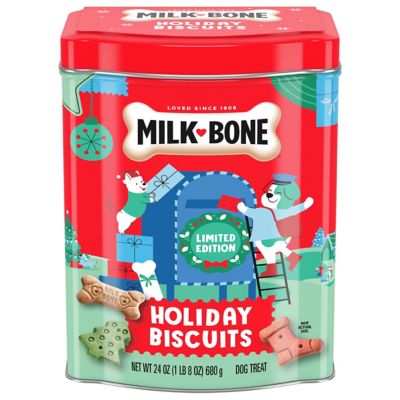
Everyday care is worth considering alongside the Christmas pattern, especially for dogs that come in from the yard with damp paws or carry a treat straight to bed. Removable covers make it easier to clean the surface without washing the entire cushion, while some smaller beds are designed for whole-bed washing. The care label determines which approach is suitable, including water temperature, drying method and whether the filling can go through a machine. A washable cover doesn't necessarily mean the insert is washable. Thorough drying matters because moisture can linger deep in thick padding even when the outside feels dry. Between washes, shaking out loose dirt, vacuuming hair and wiping paws before a dog settles down can help keep the sleeping area pleasant. Tightly sewn seams, securely attached trim and a cover that fits the insert without bunching are practical details for regular wear. Dogs that scratch or circle before lying down may put more strain on seams and raised edges, while determined chewers need close supervision around any fabric bed. Loose ribbons, dangling pieces and exposed filling deserve attention, and damaged bedding should be taken out of reach until it can be repaired or replaced. For gifting, a Christmas dog bed is a thoughtful choice for a family welcoming a puppy, a longtime pet parent or someone whose dog has outgrown an old sleeping spot. Knowing the dog's sleeping habits, size and household laundry setup makes the gift more useful than choosing by color alone. Pairing the bed with
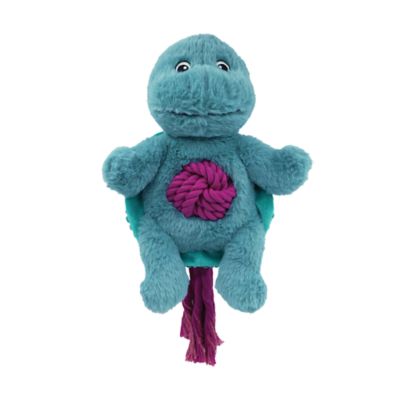
dog Christmas toys adds something for playtime alongside a place to rest, with toys matched to the dog's size and chewing habits. The bed can stay in its familiar spot after the holiday celebrations, or it can be cleaned, dried completely and stored somewhere dry until another Christmas. Either way, the best part is simple: a comfortable place for a dog to stretch out near their favorite people.