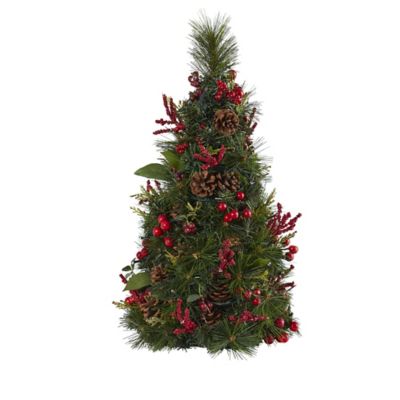
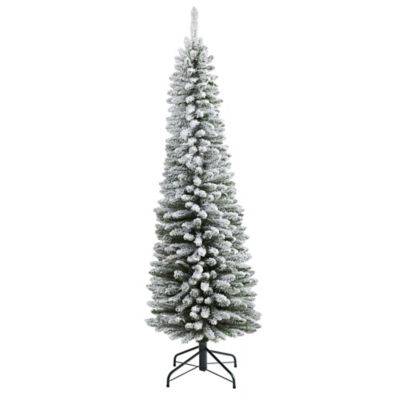
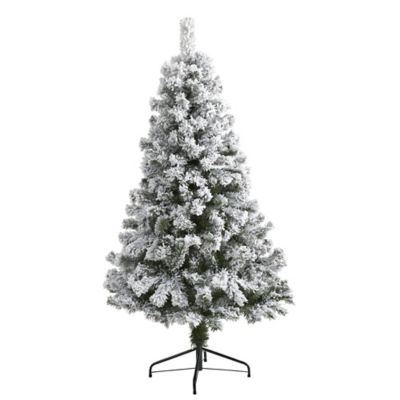
Christmas cone trees are Christmas displays with a tapered shape that narrows from a broad base to a pointed top. Their simple outline can bring a tree-like shape to a front yard, porch, mantel, or tabletop without the spread of a traditional branched Christmas tree. Some designs emphasize an open frame traced with lights, while others have a covering of mesh, tinsel, fabric, or other materials that gives the cone more presence during daylight hours. Lighted versions can create a soft glow beside the front steps or a bright focal point near the end of a long driveway. Smaller indoor styles work well on an entry table, sideboard, or fireplace hearth, provided there is enough clearance from heat and foot traffic. The best fit depends on where the tree will stand, how much space surrounds it, and whether the display needs to look good from across the yard or just across the room. Warm white lighting pairs easily with greenery, wood surfaces, and a farmhouse porch, while multicolor lighting brings a more playful feel to family gatherings. Steady lights keep the look simple; changing effects, when included, make the display more active. For any lighted design, the power source matters as much as the appearance. Plug-in styles need a suitable outlet and a safe cord route, while battery-operated styles depend on accessible battery compartments and the battery type specified by the manufacturer. Features such as timers, lighting modes, and remote controls vary by design, so the product details should spell out what is included. Christmas cone trees suit households that want a recognizable holiday shape without a wide canopy of branches. For a narrow, branch-covered alternative,
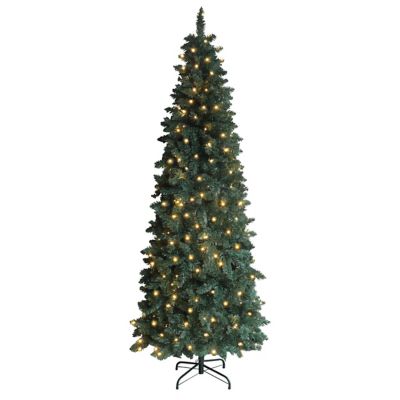
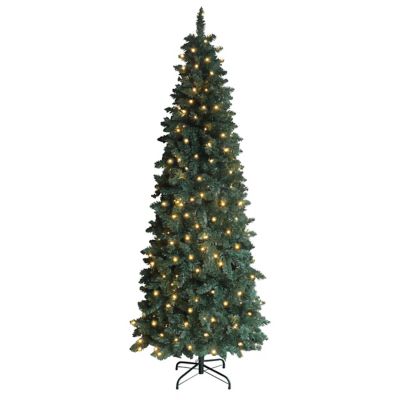
Pencil Christmas Trees offer another way to bring a Christmas tree into a smaller room or tight corner. Either shape needs enough room at the base for steady placement, nearby furniture, and the everyday traffic of a busy home.
Materials and construction make a difference in how Christmas cone trees look, stand, and handle their intended setting. A metal or wire frame can provide the structure for a lighted cone, while its finish and connection points help determine how it holds up through setup, display, and storage. Mesh and open-wire designs let light show through the shape; wrapped or layered surfaces can create a more solid outline. Fabric, paper, wood, and other tabletop materials may be intended strictly for indoor display, so appearance alone is not a sound way to judge outdoor suitability. An indoor-only tree belongs inside, even when a covered porch seems sheltered from rain. Outdoor Christmas cone trees should have a stated outdoor rating for the tree, lights, and associated electrical components. On a lawn, the base and anchoring method deserve close attention, especially in an open yard where wind can reach the display from several directions. Stakes, support lines, or other securing hardware should match the manufacturer’s directions and the ground conditions. A tree standing on porch boards or concrete may need a different approved support arrangement than one standing in soil. Keep the full footprint in mind, including any anchors and cords, rather than measuring only the cone itself. A display beside a walkway needs room for boots, grocery bags, and visitors coming through after dark. For outdoor plug-in lighting, a GFCI-protected outlet and properly rated extension cord help support a safer setup; connections should stay out of standing water and follow the electrical instructions. Snow, ice, and strong winds can put extra strain on frames and fasteners, making the stated weather limits important. Indoors, a level surface and secure base matter around curious pets and small children. Trees should stay clear of fireplaces, heaters, open flames, and doors that could swing into them. These details help keep the holiday display standing where it belongs rather than leaning into the path between the porch and the kitchen.
Size and proportion can make a simple Christmas cone tree arrangement feel right at home. A taller cone can anchor a broad porch or open lawn, while shorter shapes can fill the space beside a bench, below a window, or along a generous hearth. A grouping of different heights creates a layered outline, but each base still needs its own clear, stable spot. Matching light colors helps several trees read as one display, especially when nearby wreaths, roofline lights, or a lighted barn are visible at the same time. For an indoor table, leave enough room for serving dishes, lamps, and the things that land there every day. A narrow top does not always mean a small base, and a topper can add height beyond the main cone, so overall measurements are more helpful than a quick glance at a photo. Viewing distance matters, too: a fine, closely detailed surface may stand out on a sideboard but disappear across a large yard, where the outline and light pattern do more of the work. Assembly and storage are worth considering before bringing a tree home. Some structures separate into sections or fold down, while others need space close to their displayed size. Connection points should fit as directed without forcing pieces together, and light cords should remain clear of joints that could pinch them. Before cleaning, disconnect electrical power or remove batteries as instructed. A soft cloth or gentle dusting may suit some surfaces, but the care directions should determine whether moisture or cleaning products are appropriate. Let outdoor components dry fully before packing, and store trees in a dry spot where the frame will not be crushed by heavier boxes. Keep fasteners and anchors together for the next Christmas setup. As a gift, a cone tree can suit someone setting up a first home, downsizing to a smaller place, or adding a little light to a familiar porch. Matching the tree’s size, power needs, and intended setting to that person’s home makes it easier to enjoy year after year.