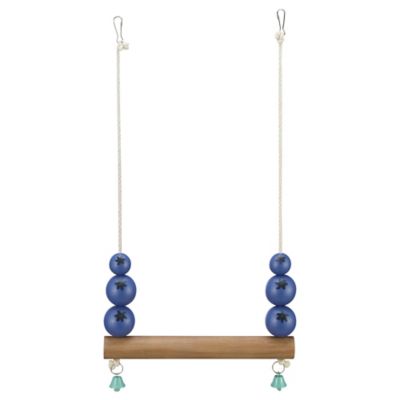
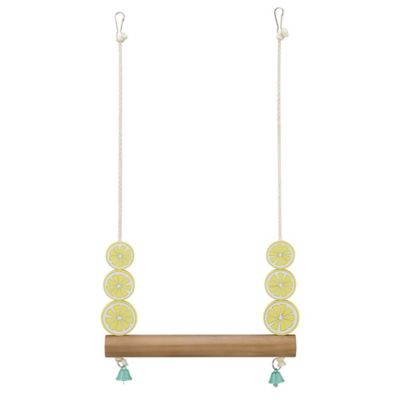
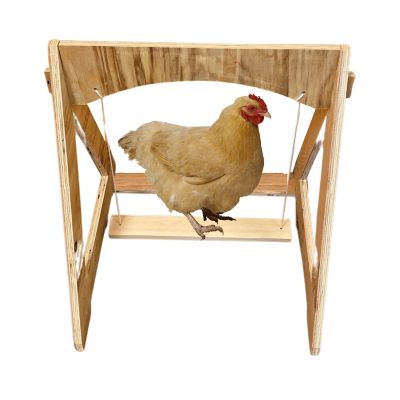
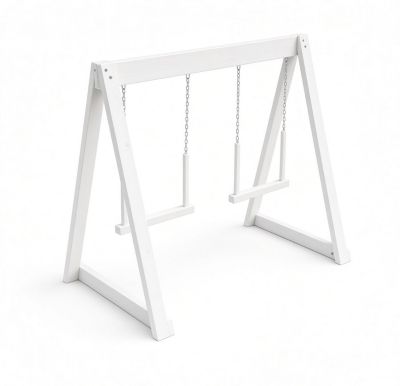
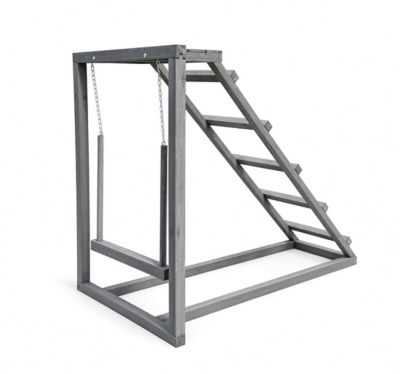
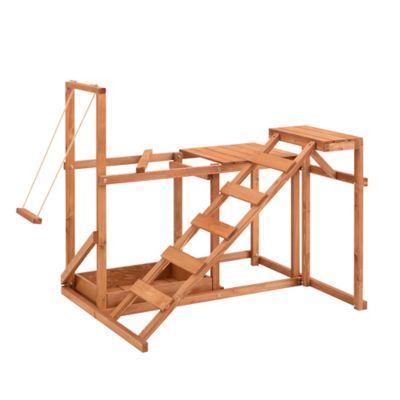
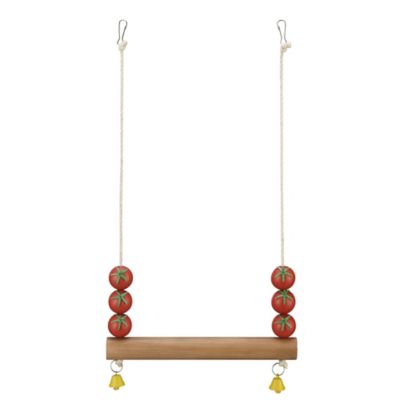
Chicken swings give curious birds another place to perch and another way to explore their coop or enclosed run. A suspended perch moves underfoot instead of staying still, adding a little variety to the scratching, pecking, and hopping that fill a chicken’s day. Some hens settle onto a swing readily, while others prefer to watch a flockmate before giving it a try. That difference is worth keeping in mind: a swing is an optional enrichment feature, not something every bird will enjoy or a replacement for steady roosting space. For backyard chicken keepers, small homesteads, and families raising a few laying hens, the appeal is simple—a new activity that fits into the birds’ familiar surroundings without taking over the whole pen. The best match starts with the flock itself. Bantams, standard-size hens, and heavier birds have different needs for perch width, grip, and room to balance. A bar that looks roomy beneath a small pullet may feel cramped beneath a broad-bodied hen, especially when she spreads her wings to settle herself. Materials affect that footing, too. Wood can offer a comfortable gripping surface, provided it stays free of splinters and rough edges that could catch a foot. Molded materials may offer surfaces that are easier to wipe down, though their texture still matters when birds step on with dusty feet. Rounded edges, a manageable perch thickness, and secure suspension points all deserve a close look. A chicken needs to curl its toes naturally around the perch rather than struggle with a surface that is too wide, too narrow, or slick. Beyond the perch itself, the overall shape should leave room for a bird’s body and tail without crowding the hanging lines. Those details matter more than how a swing looks from outside the fence. Watching a hen hop aboard, pause, and find her balance is part of the fun, but comfort and a sensible fit come first.
The right chicken swing also needs to suit the space where it will hang. A roomy run may have an open corner with plenty of clearance, while a smaller coop can be crowded already with feeders, waterers, nest boxes, and the flock’s regular roosts. The swing’s resting position tells only part of the story; its full path of movement needs room, too. Birds should be able to step off without bumping a wall, catching a wing against fencing, or landing in a busy feeding spot. Space above the perch matters when a chicken stands tall or flaps, and space below it matters when she hops down. For a flock new to moving perches, a low position over level, well-kept footing offers a less intimidating starting point than a high perch with a long drop. Adjustable suspension can help accommodate different layouts, as long as any extra line is secured where feet, wings, and necks cannot become tangled. Mounting strength deserves just as much attention as perch size. The support must handle the swing, the intended bird load, and the extra movement of a chicken landing or shifting its weight. A light fence panel or loose piece of coop trim is not the same as a sound structural attachment point. Manufacturer weight limits, mounting directions, and intended placement help narrow the choices without guesswork. A compact swing may be intended for one bird rather than several hens trying to pile on together. Flock manners count here as well: an appealing perch should not block a timid bird’s path to feed, water, or the coop door. Older chickens, birds with limited mobility, and very young chicks may be better served by stable, low perches suited to their abilities. A swing works best as one choice among several places to stand, rest, and investigate, with enough ordinary floor space left for chickens to go about their business without having to squeeze past it.
Everyday upkeep is another part of choosing chicken swings that fit real coop life. Dust, feathers, bedding, and droppings can collect on the perch and around attachment points, so accessible surfaces make regular cleaning less of a chore. Wood benefits from checks for cracks, lifting grain, and splinters; molded surfaces need attention for chips, sharp edges, or damage around fasteners. Rope and other hanging lines deserve a look for fraying, stretched sections, loose knots, and exposed ends, while connecting hardware should remain closed, secure, and free of sharp projections. A swing that hangs crooked or moves differently than before may need an adjustment or repair before birds get back on. Cleaning methods should match the material and the maker’s directions, with surfaces dry and free of cleaning residue before the flock returns to them. Keeping the area beneath the swing tidy also makes it easier to notice loose parts or changes in the footing. Patience matters just as much as maintenance when chickens meet something new. Familiar surroundings and the freedom to approach on their own terms are often more helpful than placing a reluctant hen directly on a moving perch. A small offering from the
Chicken Treats category can add interest nearby, while nutritionally complete feed remains the foundation of the flock’s diet. There is no need to make swing time a performance; some birds will perch for a spell, and others will keep both feet on the ground. For a friend or family member who enjoys tending chickens, a swing can make a thoughtful gift when the flock’s size and coop setup are known. A suitable fit leaves the keeper with something straightforward to hang, inspect, and clean, and gives willing birds a little more choice in how they spend their day.