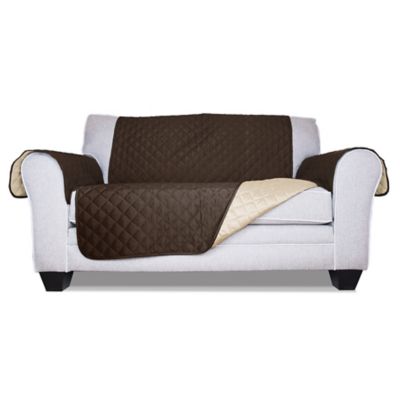
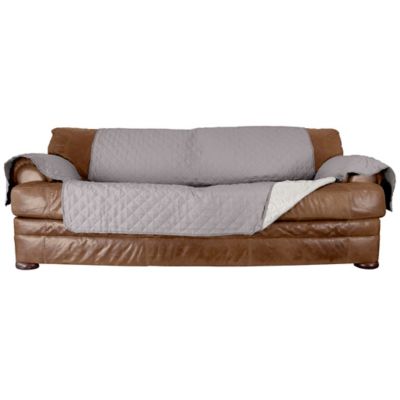
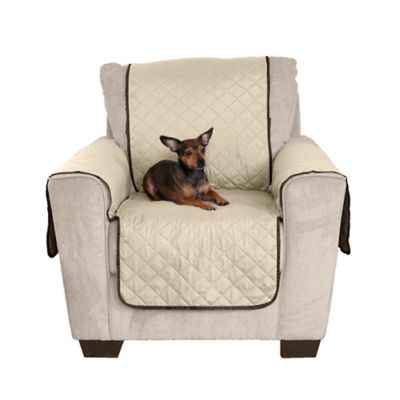
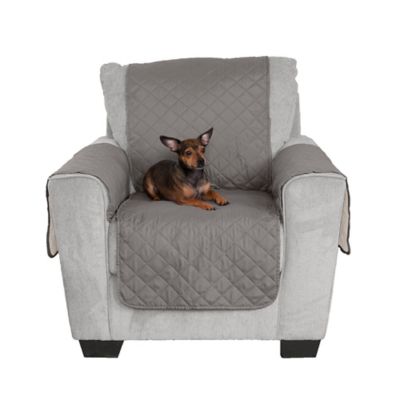
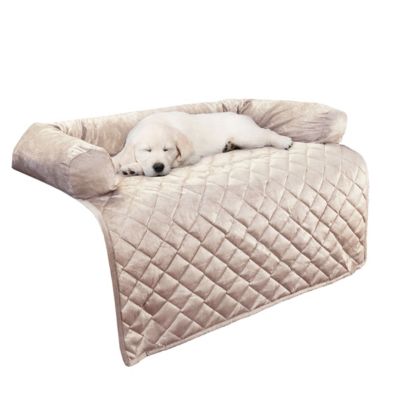
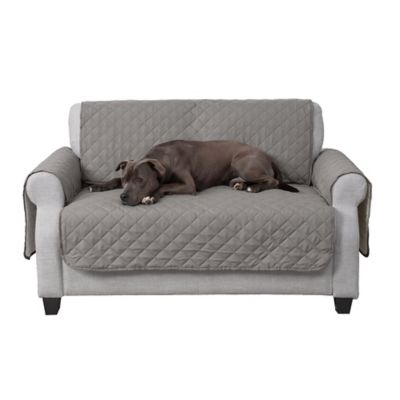
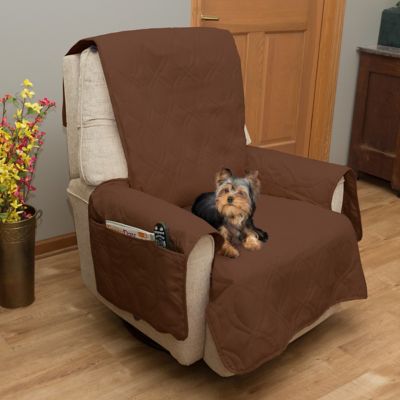
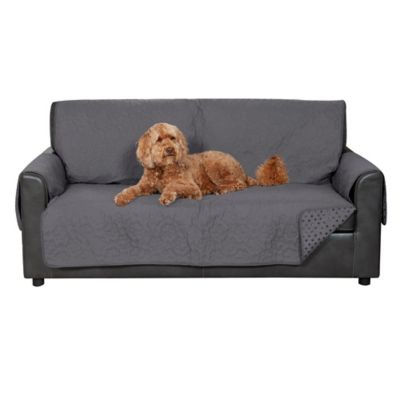
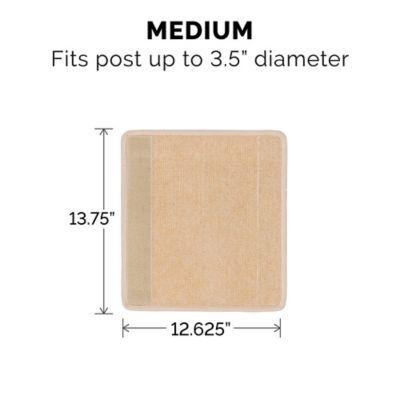
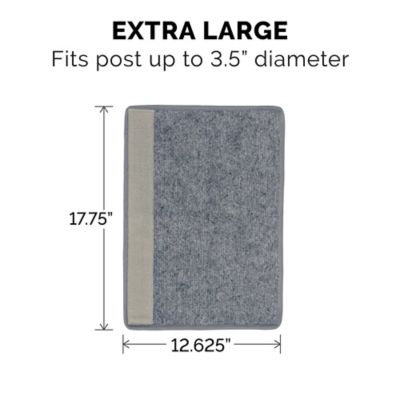
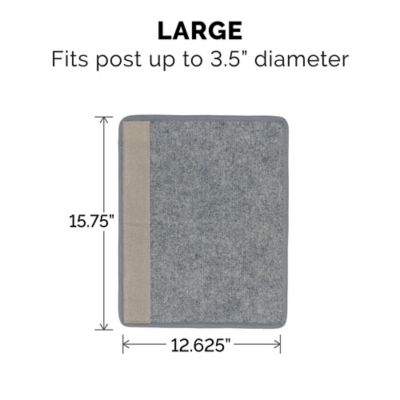
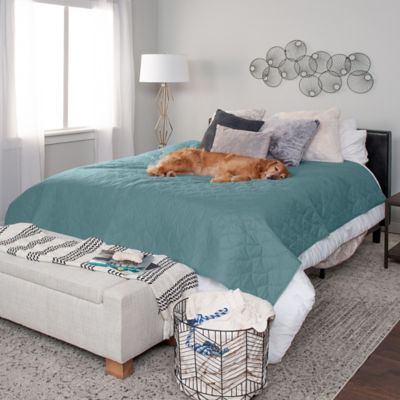
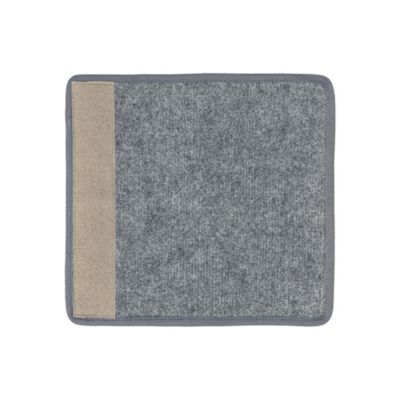
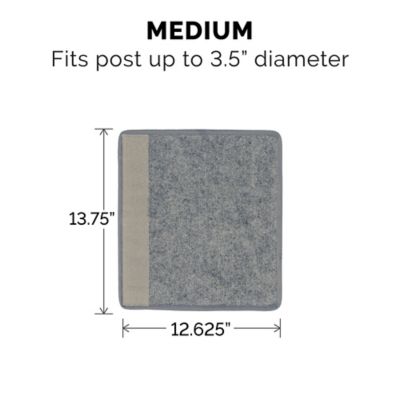
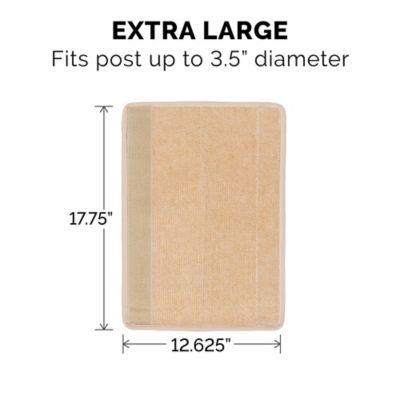
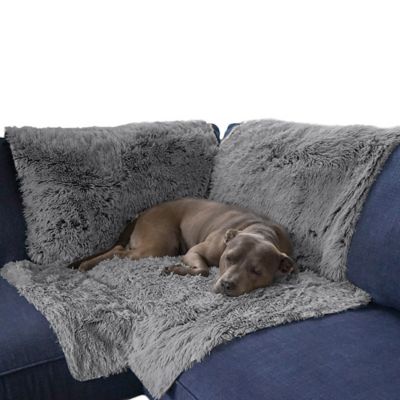
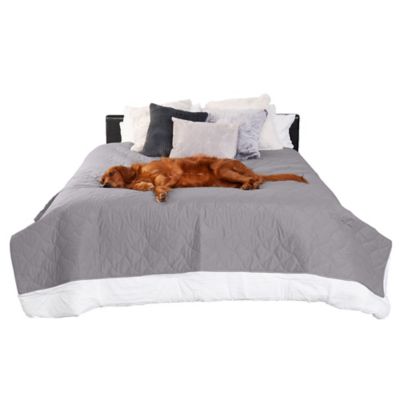
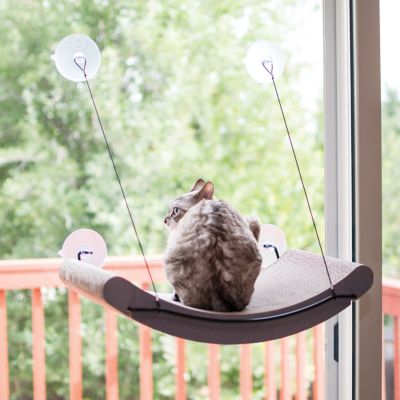
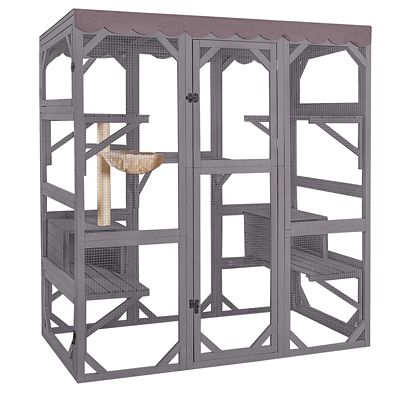
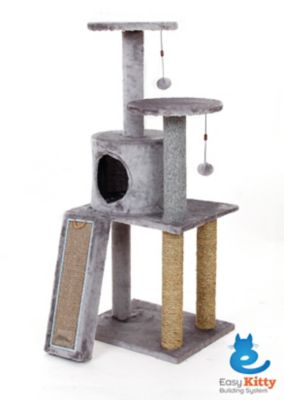
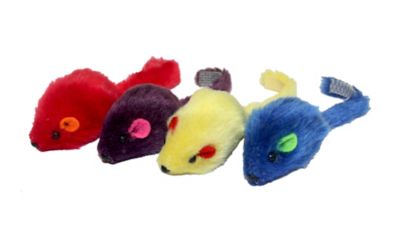
Cat furniture protectors help keep couches, chairs, recliners, ottomans, and other favorite household spots in better shape while giving cats a little direction about where to scratch, lounge, and nap. A good protector can serve several purposes: clear plastic or vinyl guards help shield fabric and leather from claw marks, double-sided adhesive strips make selected areas less appealing to scratch, sisal mats give cats a rough surface made for digging in with their paws, and quilted or waterproof furniture covers help catch loose hair, muddy paw prints, dander, crumbs, and the occasional spill. These products are useful for households with kittens learning good habits, older cats that have settled into a favorite chair, and multi-cat homes where a couch arm can become the busiest scratching spot in the house. They also come in handy when a cat spends more time indoors during cooler months, when windows stay closed and pets may look for new ways to stretch, scratch, and burn off extra energy. Protectors can be especially helpful for families bringing home a newly adopted cat, preparing a guest room for a visiting pet, or putting together a practical gift for a cat owner who cares about both a comfortable home and a happy animal. Look over the furniture you want to protect before choosing a style. A cover that drapes over an entire sofa may be the better fit for a heavy shedder or a pet that likes to nap across the cushions, while a corner guard or armrest mat can make more sense when the damage is limited to one well-worn spot. For leather or smooth upholstery, consider how adhesive products may interact with the finish, and test any guard or tape in a small, hidden area before covering a larger section. Fabric furniture may need a protector that grips without sliding, especially if your cat likes to leap onto the couch from across the room. A washable cover is a practical choice for homes with several pets, children, or a cat that tracks litter from the box, while a lighter scratch guard can be easier to place on a favorite chair or loveseat.
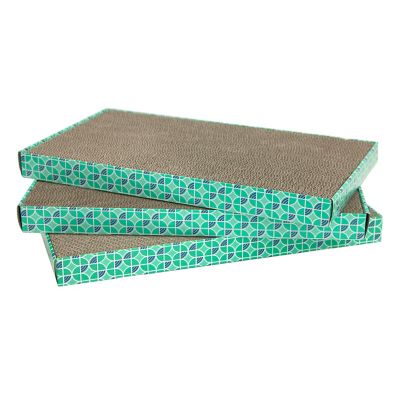
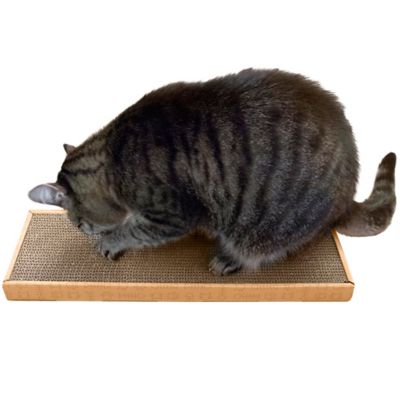
The best results usually come from pairing a furniture protector with an approved place to scratch. Cats naturally scratch to stretch their shoulders, mark familiar spaces, and maintain their claws, so simply blocking a couch may leave them looking for another target. Set a scratching post, pad, or mat close to the protected area, ideally where your cat already spends time. A cat that works the sofa arm every morning may take more interest in a vertical post beside that arm than one tucked away in a quiet corner. Likewise, a cat that scratches along the floor may prefer a flat cardboard or sisal-style surface rather than a tall post. Pay attention to the texture your cat already favors. Rough woven fibers, soft carpetlike material, and corrugated cardboard each feel different under a cat’s paws, and matching that preference can make the new scratching spot easier to accept. A little catnip rubbed into a new scratcher may help draw attention to it, while praise or a small treat can reinforce the habit when your cat uses the right surface. Keep the protector securely in place and check it often for lifted corners, loose threads, or adhesive that has begun to collect dust. Covers should fit snugly enough that a cat cannot easily crawl underneath and turn the fabric into a hiding place or plaything. Washable covers should be cleaned according to their care instructions, and waterproof styles should be checked for moisture beneath the surface so upholstery can stay dry. In homes with active pets, it can also help to keep toys, climbing areas, and
Cat Exercise Equipment nearby, giving indoor cats more ways to move and making the protected couch less interesting. A few minutes of play before settling down can make a real difference for a young cat with energy to spare.
When comparing cat furniture protectors, think about the problem you are trying to solve, the material of the furniture, and how much of the surface needs coverage. Scratching protection and spill protection are not always the same thing, so a clear guard may work well on a targeted corner while a broad quilted throw better suits a sofa that sees daily naps and family activity. Measure the arm, seat, back, or corner before ordering, and consider whether the protector can be removed without a struggle when company arrives or when the furniture needs a thorough cleaning. Neutral colors and simple textures tend to blend into living rooms, bedrooms, and porches, while a sturdy mat may be worth choosing for a high-traffic spot where claws return again and again. Homes with leather seating may benefit from nonabrasive barriers that do not rub grit into the finish, and homes with woven upholstery may need a protector that keeps claws from reaching between the threads. If your cat sheds heavily, look for a cover that can be shaken out, vacuumed, or washed with ease. If spills are the main concern, consider water-resistant coverage that extends over the cushions and down the sides. For a senior cat, a soft, stable cover can make a chair more inviting without creating a slippery landing, while a kitten may need a firmly anchored protector that can stand up to climbing, batting, and repeated testing. These simple additions can help preserve a well-used piece of furniture without taking away the warm, lived-in feel that pets bring to a home. With the right fit and a nearby scratching alternative, a protector becomes part of a sensible routine: furniture stays cleaner, favorite corners get a break, and your cat has a clear place to stretch out, scratch, and settle in.