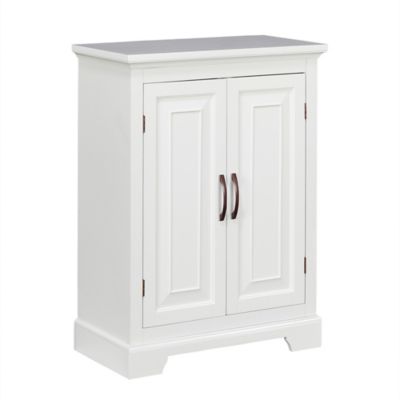
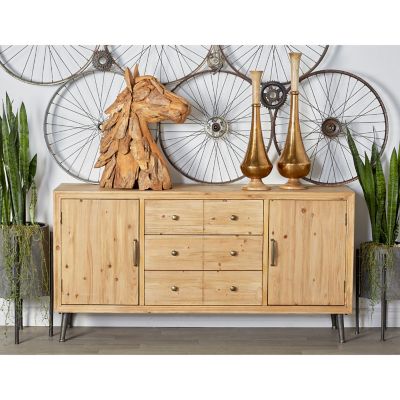
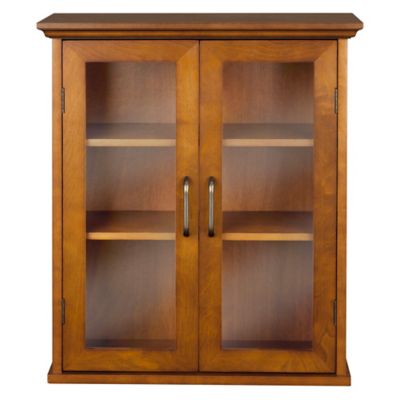
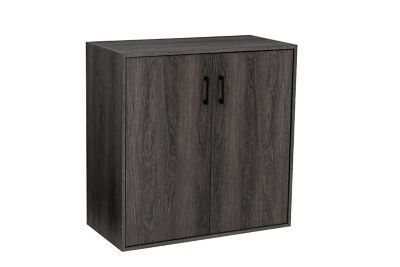
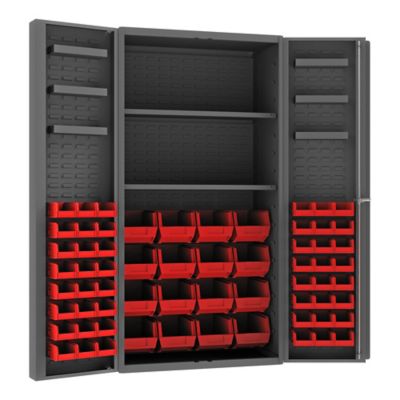
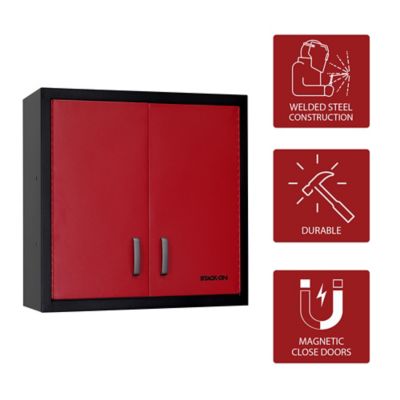
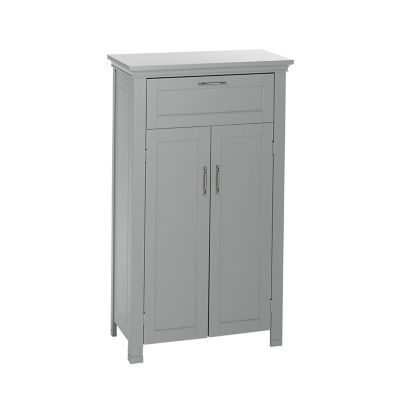
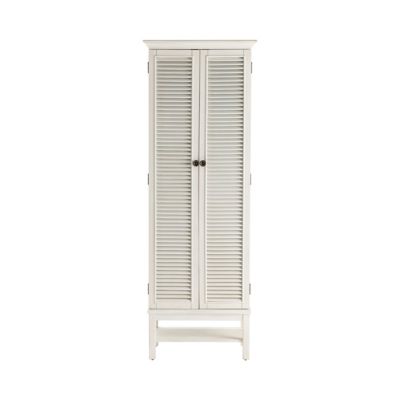
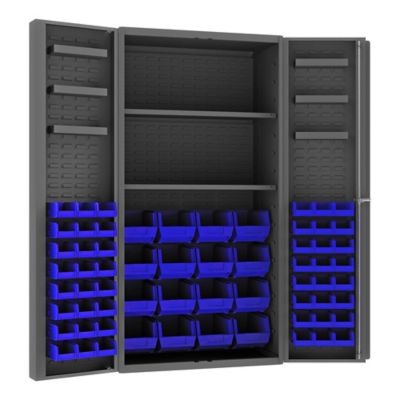
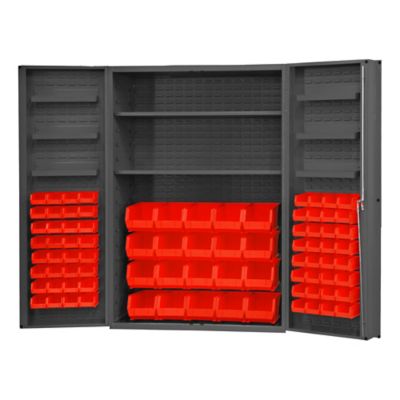
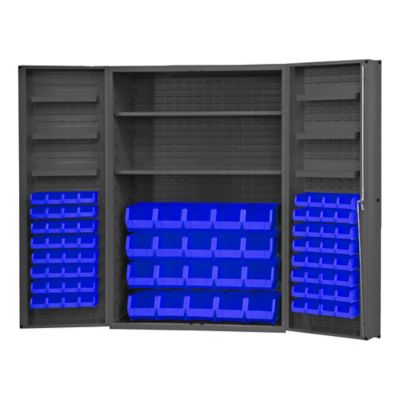
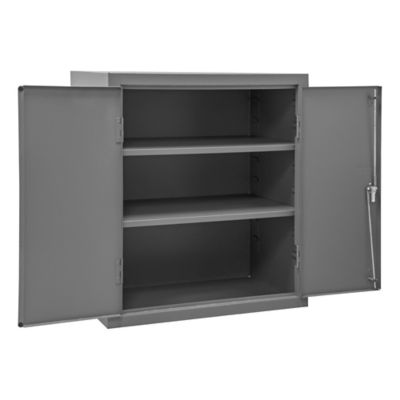
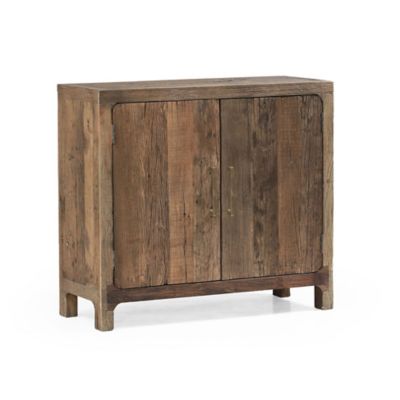
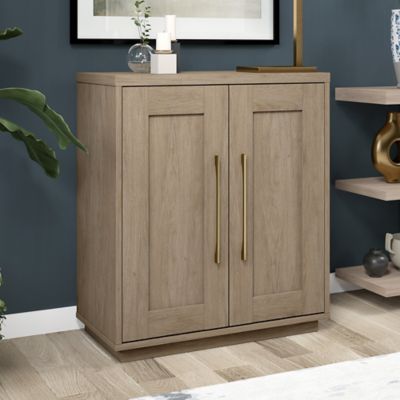
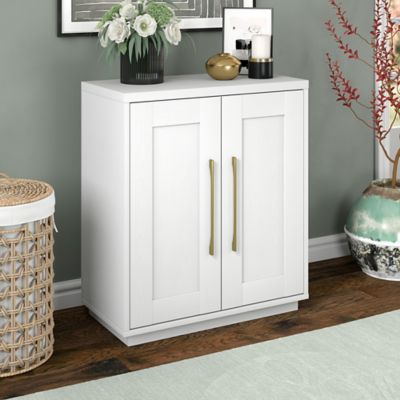
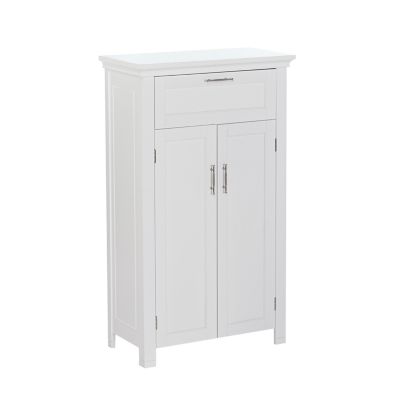
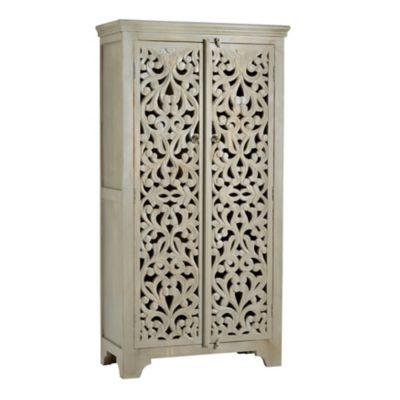
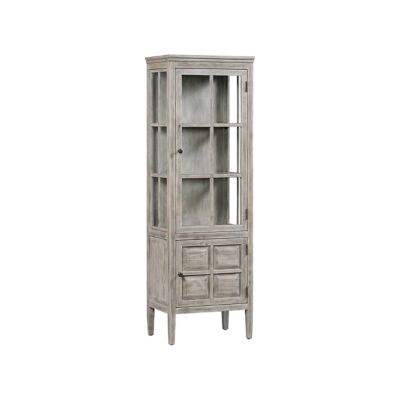
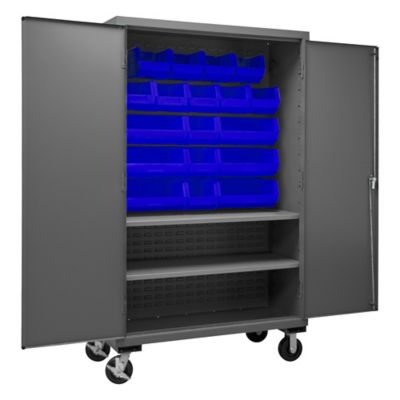
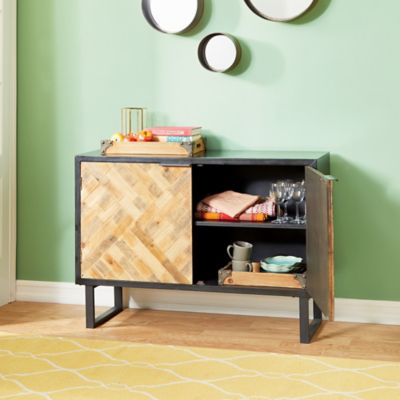
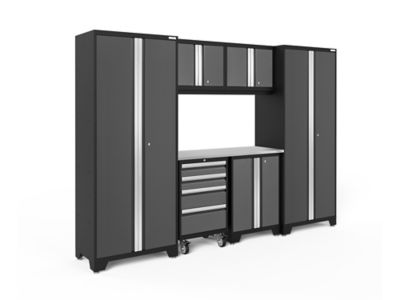
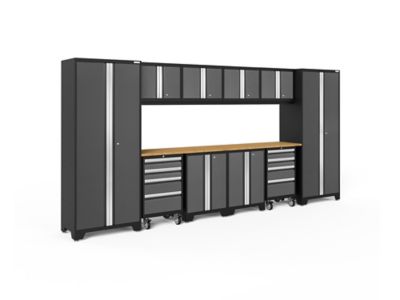
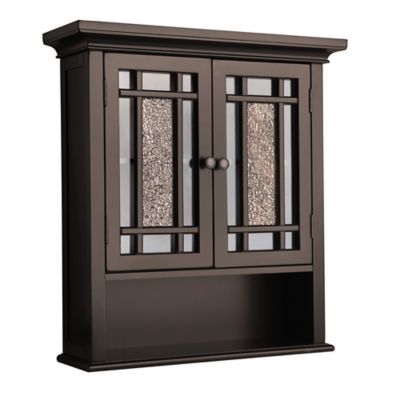
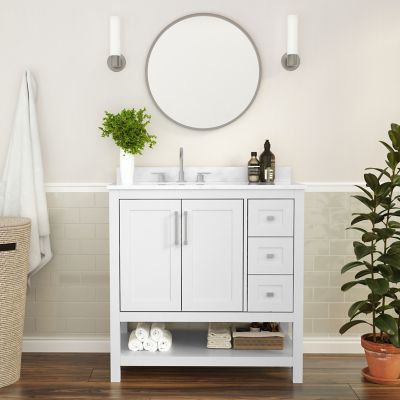
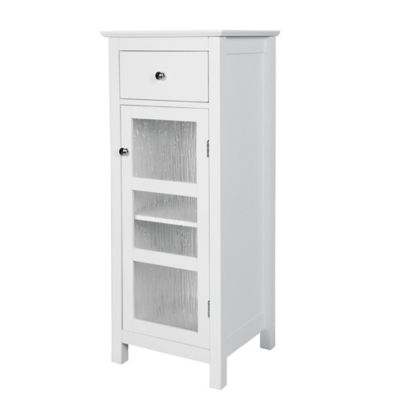
Cabinets with 2 doors are a handy way to bring order to the rooms and work areas that seem to collect a little bit of everything. Behind the paired doors, you can tuck away dishes, pantry staples, towels, pet supplies, paperwork, tools, and everyday odds and ends while keeping the room looking neat. A shorter accent or buffet-style cabinet can sit along a dining room wall, in an entryway, or beneath a window, giving you a useful surface for serving pieces, lamps, baskets, or seasonal décor. In a kitchen, a taller two-door cabinet may help fill an open stretch of wall and hold dry goods, mixing bowls, small appliances, or extra paper products. The same basic storage idea works well in a laundry room for detergent and linens, in a mudroom for hats and gloves, or in a living room for games, books, and the things that usually wind up scattered across a coffee table. During the cooler months, enclosed storage is especially useful for keeping blankets, fire-starting supplies, and winter accessories close at hand without leaving them in a heap by the door. A cabinet with two doors can also make a thoughtful housewarming gift for someone settling into a new home, a college graduate furnishing an apartment, or a family making better use of a busy farmhouse, cabin, or workshop. Choose the style and size based on the job it needs to do, since a compact cabinet can be just right for a bathroom or office while a tall pantry-style unit may be better suited for storing bulkier household supplies.
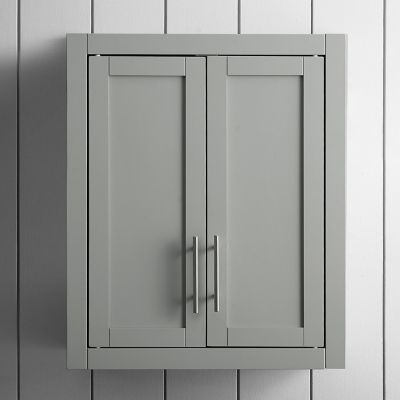
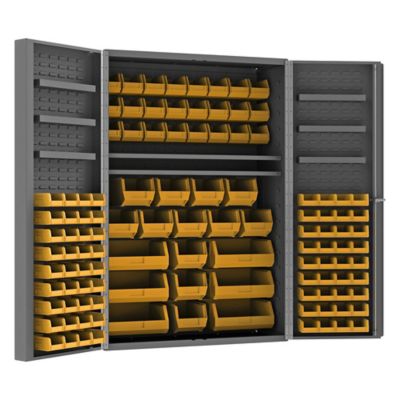
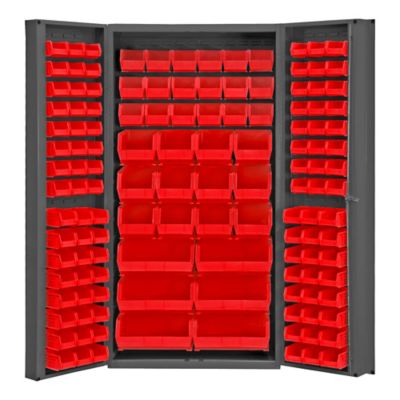
Before choosing a two-door cabinet, measure more than the open spot on the wall or floor. Record the height, width, and depth of the area, then account for baseboards, trim, nearby furniture, outlets, vents, and the space needed for both doors to swing open fully. This clearance matters in a narrow hallway, crowded kitchen, or small bathroom where a door that opens into a walkway can quickly become a nuisance. If the cabinet will sit near a corner, check whether the hinges and handles allow both sides to open comfortably. Interior shelving deserves the same close look. Adjustable shelves are helpful when you need to fit tall bottles, bins, folded towels, pitchers, or cleaning tools, while fixed shelves can provide dependable support for heavier items. Look at the shelf spacing, weight capacity, back panel, door closure, and hardware, and consider whether the finish will stand up to the room where the cabinet will live. A moisture-resistant surface makes sense in areas exposed to splashes or damp air, while a sturdy, easy-to-clean finish is useful in a mudroom, laundry room, or feed storage area. For bathroom storage, a wall-mounted design can free up floor space and keep daily essentials within reach; browse
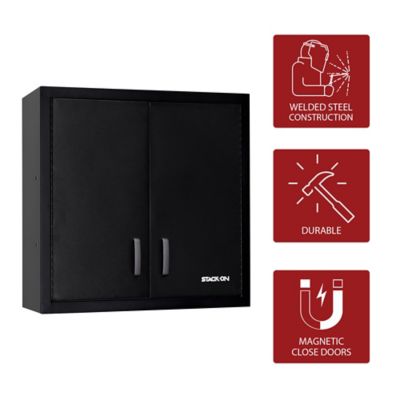
Bathroom Wall Cabinets With Doors when that setup fits your plans. Color and construction also play a part in how the cabinet feels in the room. Wood-look finishes can warm up a plain space, painted surfaces can blend with existing furniture, and metal construction may be a practical choice for a garage, office, or utility area where durability matters most.
Safety and placement should guide the final decision, especially with tall or narrow cabinets. Use the included wall anchor or anti-tip hardware and attach the cabinet to a suitable wall surface according to the manufacturer’s instructions. This is an important step in homes with children, pets, or busy foot traffic, and it helps keep the cabinet steady when both doors are opened or a heavy shelf is pulled forward. Place heavier items on lower shelves, keep lighter goods above, and avoid overloading the doors with add-on organizers unless the hardware is designed to carry that weight. In a pantry, clear bins and labeled containers make it easier to see flour, canned goods, animal treats, or baking supplies before they get pushed to the back. For a home office, use folders, small boxes, and trays to separate papers, chargers, and supplies. In an entryway, reserve the lower area for shoes or baskets and the upper shelves for scarves, hats, and things that need to stay out of the way. A cabinet near the back door can hold leashes, grooming supplies, and a few towels for muddy paws, while a workshop cabinet can keep fasteners, gloves, and hand tools protected from dust. Take a little time to level the unit, adjust the doors if needed, and use shelf liners where spills are likely. With the right measurements, useful shelving, dependable construction, and secure installation, cabinets with 2 doors offer practical storage that helps a home, office, shop, or outbuilding feel calmer and work harder through changing seasons.