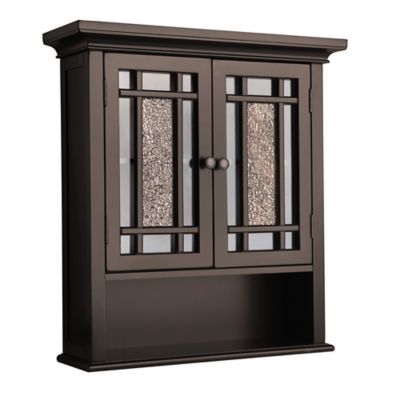
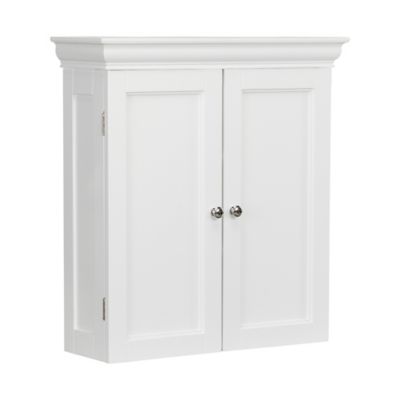
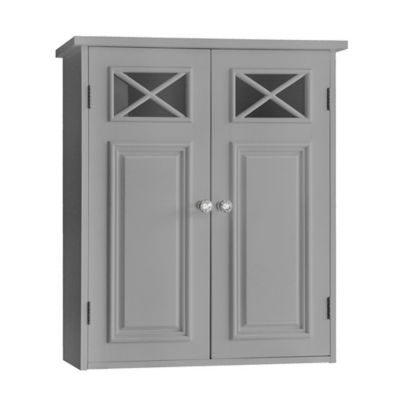
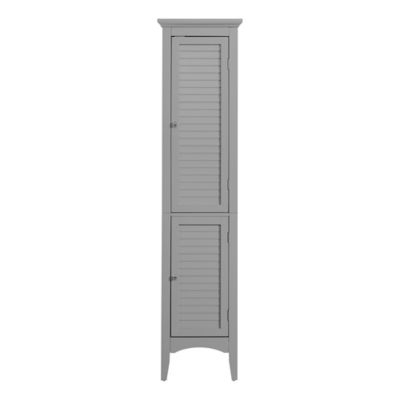
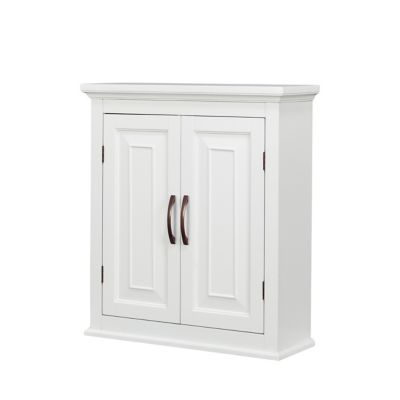
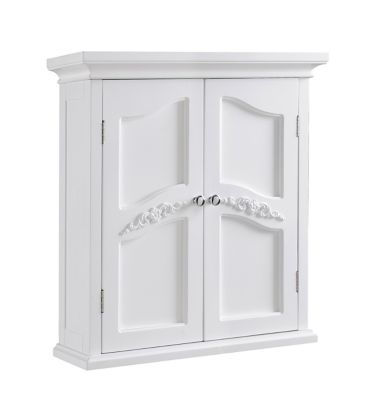
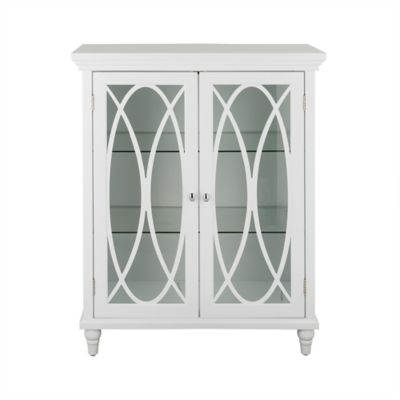
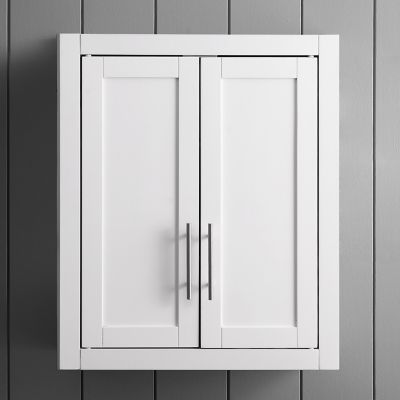
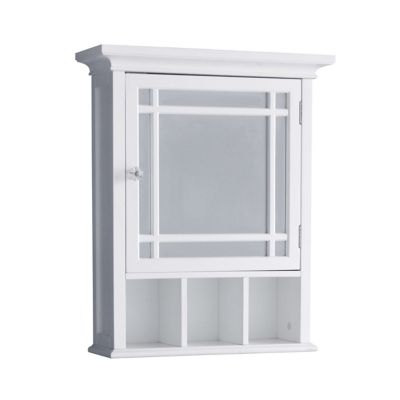
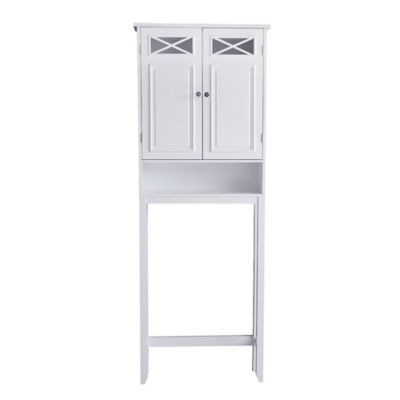
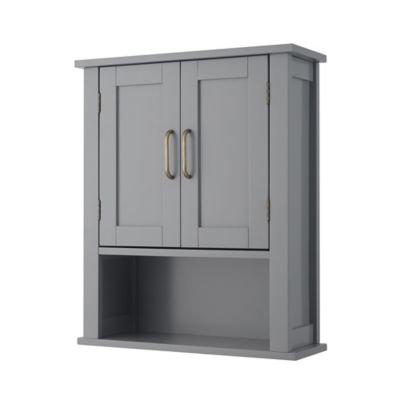
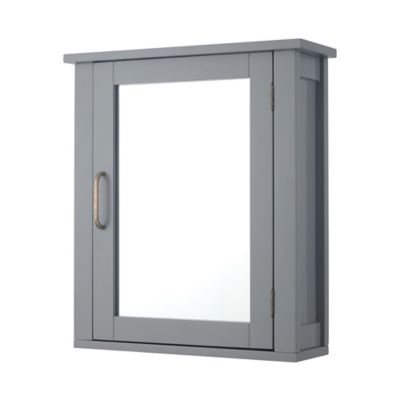
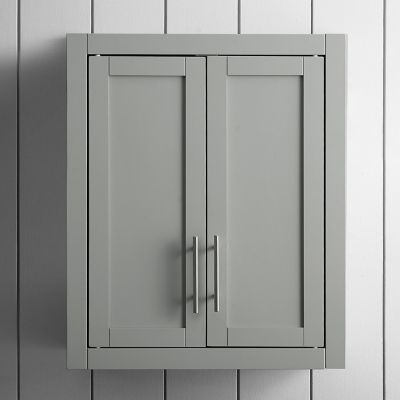
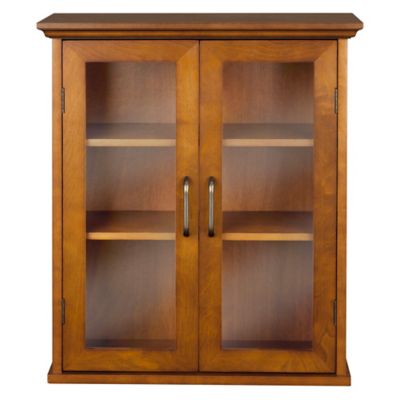
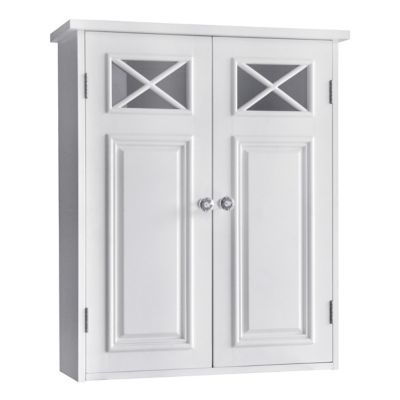
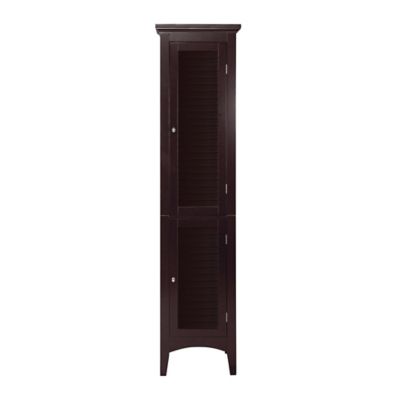
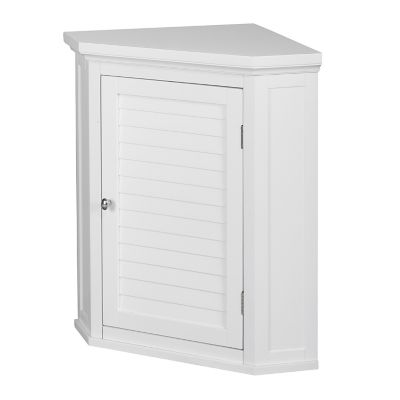
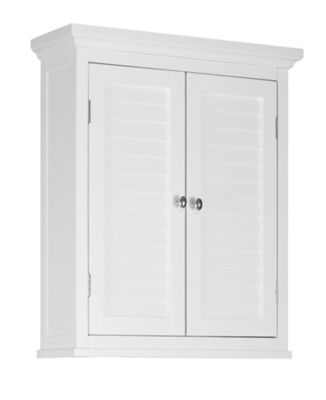
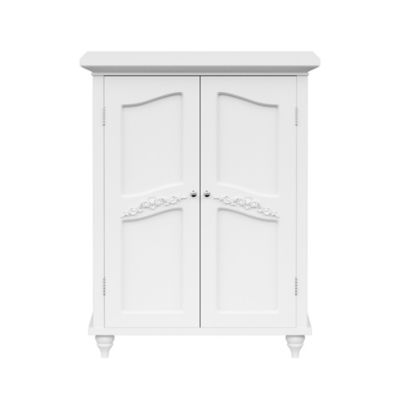
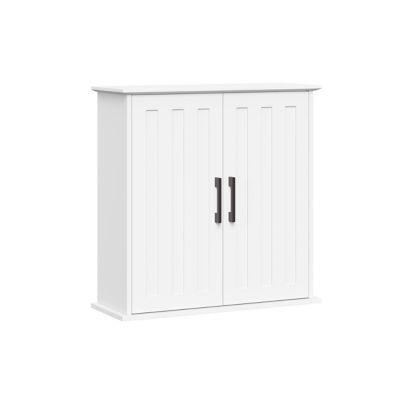
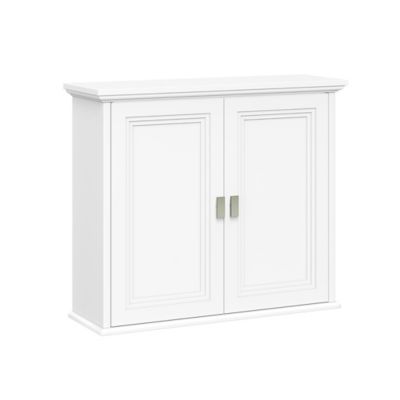
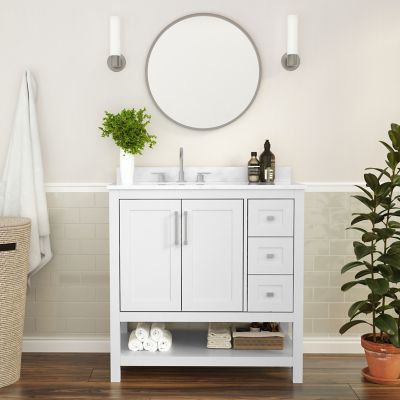
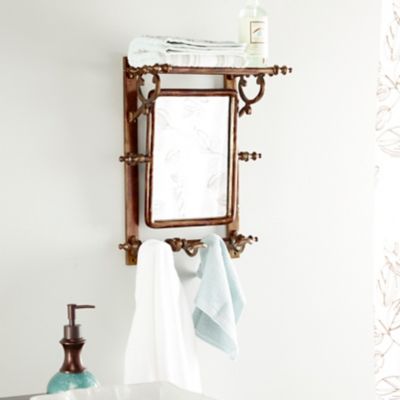
Bathroom wall cabinets with doors are a handy way to make better use of vertical space while keeping everyday bathroom supplies tucked neatly out of sight. They work especially well in smaller bathrooms, half baths, guest bathrooms, laundry-room wash areas and older homes where floor space is limited. Mounted above a vanity, beside a sink or over the toilet, a wall cabinet can hold extra soap, toothpaste, grooming supplies, first-aid items, cleaning cloths and other odds and ends that tend to collect around the basin. Closed doors give the room a cleaner, more settled look, which comes in handy when family members are sharing one bathroom or when company is staying over during the cooler months. A mirrored door can serve double duty as a looking glass, helping save wall space above a small sink, while solid doors are a good fit for households that would rather keep bottles, spare toilet paper and personal items hidden. Glass-pane doors offer a middle ground, allowing you to display neatly folded washcloths, jars or small baskets while the cabinet still gives the room a finished, furniture-like feel. For a farmhouse bathroom, a simple white, wood-tone or beadboard-style finish can blend naturally with painted walls and warm metal fixtures. In a newer space, a clean shaker-style door or understated gray finish may work well with tile, brushed hardware and modern lighting. These cabinets can also make a thoughtful housewarming gift, especially for someone settling into a first home, updating a guest bath or fixing up a cabin, workshop washroom or rental property. A practical storage piece is easy to appreciate because it helps turn a crowded countertop into a place where there is room to set down a comb, a cup or a clean hand towel.
When comparing bathroom wall cabinets with doors, start with the available wall area and the way the room is used from morning to bedtime. Measure the width, height and depth of the spot, then account for trim, light switches, faucets, mirrors and any nearby shelving. If the cabinet will hang above a toilet, leave enough room for the lid to open fully and make sure the doors can swing without bumping the tank, wall or light fixture. A compact single-door cabinet may be a sensible choice for a narrow wall or small powder room, while a wider double-door cabinet can give a busy family bathroom more room to sort supplies. Adjustable interior shelves are especially useful because bathroom items rarely come in one convenient size. They can make space for short jars and folded washcloths on one level, then move upward to accommodate tall shampoo bottles, hair products or a refill container. Some layouts include an open shelf or lower cubby beneath the doors, creating a quick-grab spot for hand towels, a small basket or a roll of toilet paper while less attractive clutter stays behind the doors. Consider how often you reach for each item: daily essentials belong where they are easy to access, while extra soap, guest linens and seasonal toiletries can go higher or farther back. Door hardware matters, too. Knobs and pulls should be comfortable to use with damp hands, and hinges should open smoothly without taking up more clearance than the room allows. Mirrored doors are useful near a vanity, but a solid door may be the better choice where glare, fingerprints or a busy reflection would be distracting. For shared bathrooms, separate shelves or labeled bins can keep everyone’s things in their own place, and a shallow cabinet can help children reach approved items without taking over the whole counter.
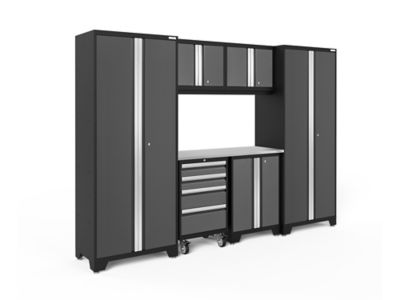
Material and installation deserve close attention in any bathroom, where steam, splashes and frequent cleaning can be hard on furniture. Look for painted MDF, engineered wood or solid wood construction with a finish intended for humid spaces, and wipe standing water from the cabinet instead of letting it sit along the edges or bottom. A moisture-resistant surface can help the cabinet hold up, but no wood-based piece should be treated as waterproof. Check the shelf capacity before loading it with heavy bottles, glass containers or stacks of towels, and spread weight across the interior rather than placing everything on one shelf. Safe mounting is just as important as appearance. Whenever possible, fasten the cabinet directly to wood wall studs using the appropriate hardware; if the mounting holes do not line up with studs, use anchors rated for the cabinet’s weight and the wall type. A heavy cabinet filled with bottles can put considerable strain on drywall, so take time to locate studs, use a level and follow the installation directions. In a rental, a small bath or a home with limited storage, these cabinets can add useful organization without taking up valuable floor space. The same idea works beyond the bathroom, too: a secured wall cabinet can help corral small supplies in a mudroom or utility area, while
Garage Storage Cabinets With Doors can handle the larger tools and equipment that have no business crowding a bathroom shelf. Whether the goal is a tidy guest bath, a better morning routine or a little breathing room around the sink, choosing the right size, door style, finish, shelf arrangement and mounting method helps make the cabinet a dependable part of the room rather than just another place to pile things.