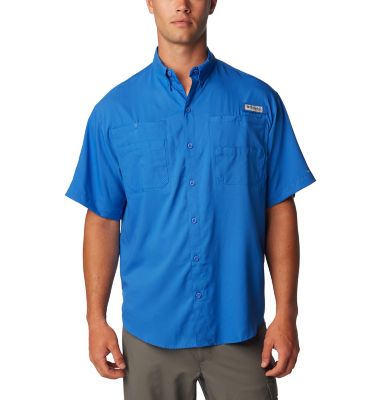
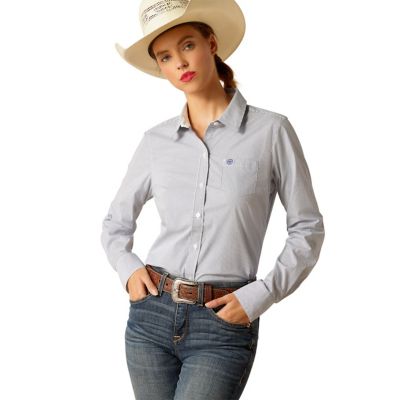
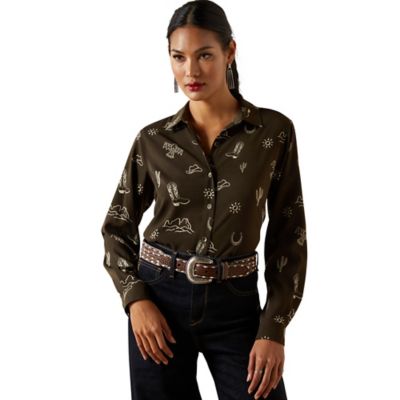
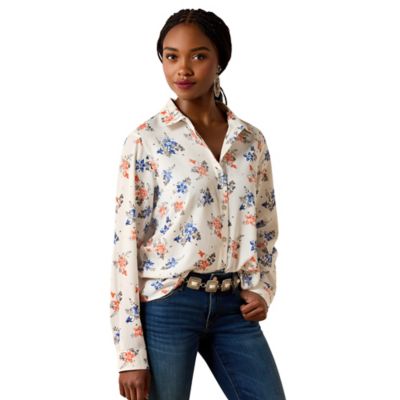
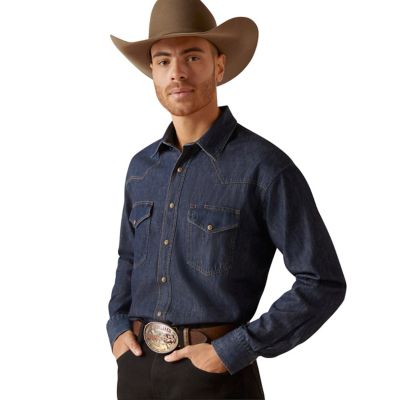
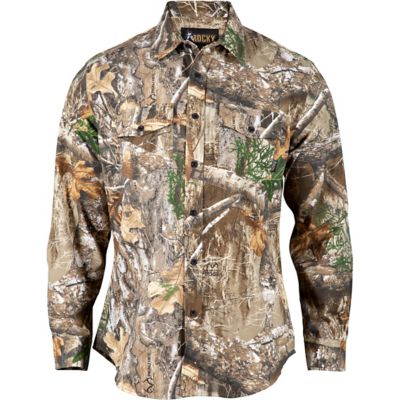
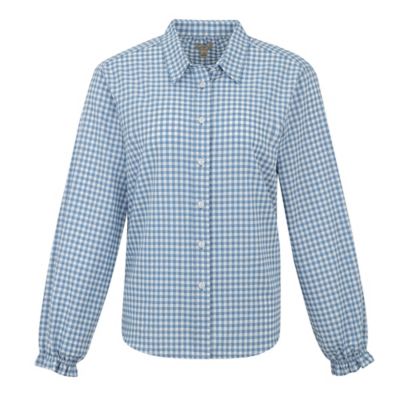
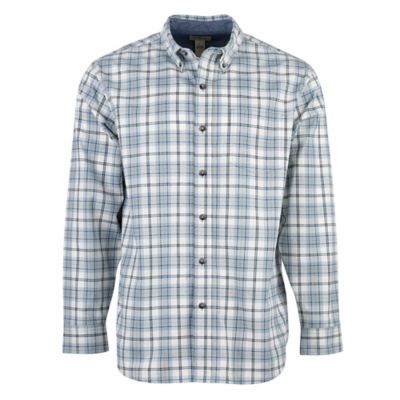
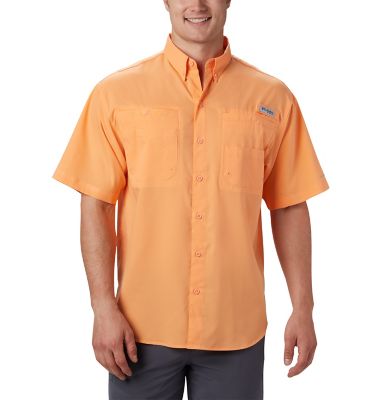
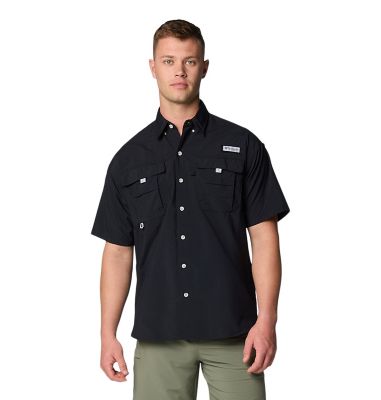
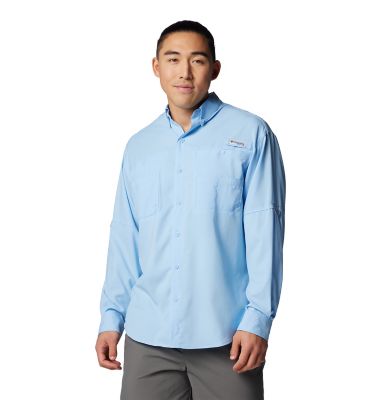
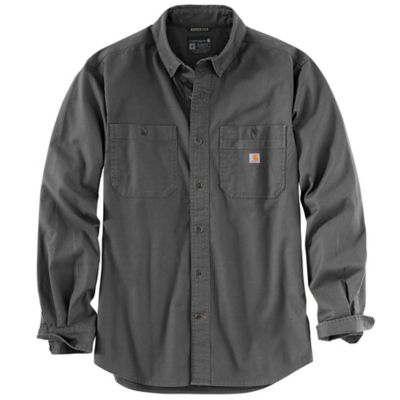
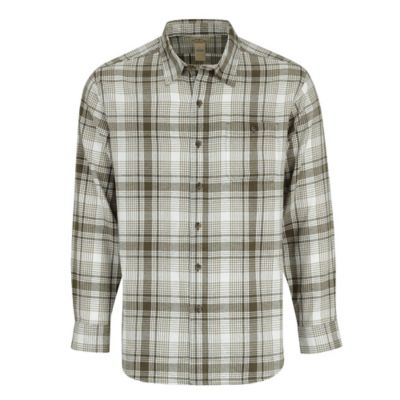
A button-up shirt has a full-length opening down the front that fastens with buttons. A button-down shirt gets its name from the small buttons that fasten the collar points to the shirt, so a shirt can be both button-up and button-down. That difference matters when comparing styles, but the appeal of a button-up is straightforward: it works for chores, a day on the job, a trip to town or an occasion that calls for looking a little more put together. Worn tucked into jeans, left untucked over work pants or open over a T-shirt, the same basic design fits plenty of everyday routines. Fabric makes a big difference in how it feels and wears. Cotton is soft and absorbent, with a familiar feel against the skin, while cotton-polyester blends often wrinkle less and hold their shape well through regular washing. Linen has a textured look and an airy weave, though creasing is part of its character. A little elastane can add stretch when reaching across a workbench or climbing into a truck. The weave matters just as much as the fiber: poplin usually has a smooth, closely woven surface; twill has a diagonal pattern and a more substantial feel; and chambray pairs colored and white yarns for a lighter, denim-like appearance. Denim shirts tend to have more structure, while brushed flannel has a soft, fuzzy surface. Fabric weight, weave and finishing all affect how a shirt drapes, so fiber content alone does not tell the whole story. Smooth fabrics lend themselves to a cleaner, dressier look, while textured weaves feel right at home with broken-in jeans and boots. For active work,
Performance Shirts are another option to consider for features such as stretch and moisture management, depending on the garment. The right balance comes down to how much movement, structure and care a regular day calls for.
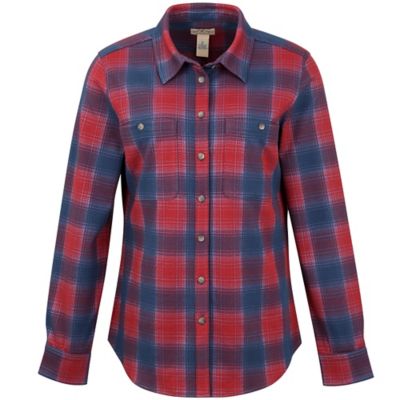
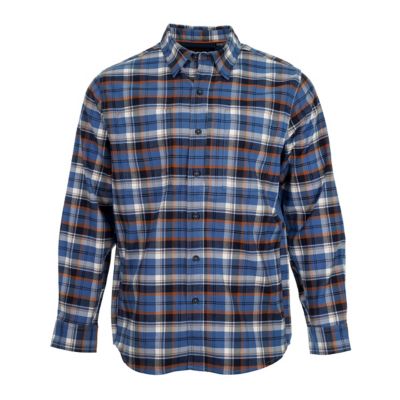
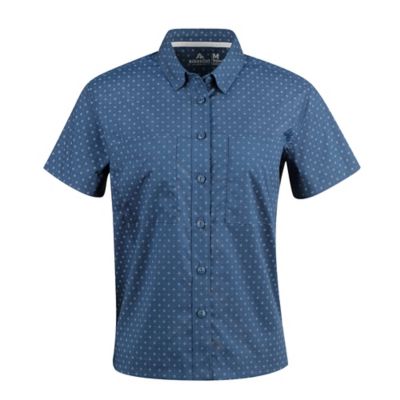
Fit is what lets a button-up shirt move from looking good on a hanger to feeling right through a full day. Regular and relaxed cuts generally leave more room through the chest and waist, while fitted cuts sit closer to the body. Those labels vary between makers, making chest, shoulder, sleeve and body measurements more helpful than the size letter alone. A comfortable fit leaves room to reach forward, bend down and sit without the front placket pulling open between buttons. Shoulder seams typically sit near the edge of the shoulder unless the shirt has an intentionally dropped-shoulder design. Long sleeves should allow the elbows to bend freely, and cuffs should close comfortably around the wrist without covering the hand. Sleeve length also matters for anyone who regularly rolls sleeves back while handling feed bags, sorting tools or tending a garden. Short-sleeve button-up shirts leave the forearms free and have fewer cuffs to manage. Body length changes how a shirt wears, too. Longer tails help a tucked shirt stay in place when reaching overhead, while shorter hems are often better suited to wearing untucked. A curved hem can work either way, depending on its length and the wearer’s proportions. Room through the hips matters as much as room through the shoulders, especially when sitting or bending. Construction details deserve a look alongside fit: even stitching, securely attached buttons and reinforcement at high-stress points can help a shirt stand up to repeated wear. Chest pockets keep small essentials close, and buttoned pocket flaps add a little security when leaning over. Pocket placement can also affect comfort beneath straps or other work gear. Solid colors keep the look simple, stripes bring a crisp feel, and plaids or checks add pattern without needing much else. Western-style yokes, contrasting stitching and different collar shapes give button-up shirts their own character, whether the rest of the outfit is work jeans, chinos or a skirt.
Everyday care plays a big part in how long a button-up shirt keeps its fit, color and finish. The care label is the best starting point because two shirts with similar-looking fabric may need different treatment. Cotton can shrink, certain finishes respond poorly to high dryer heat, and some fabrics need gentler washing than others. Fastening a few buttons and turning a shirt inside out can help limit tangling and surface rubbing in the wash. Treating a stain promptly with a method suited to the fabric can make a difference, whether it came from a splash of coffee at the kitchen table or a smudge picked up in the shop. Overloading the washer can leave shirts crowded and creased, while taking them out promptly after drying helps keep wrinkles from settling in. Hanging a shirt with the collar and placket straightened makes it easier to wear again without a lot of fuss. Some fabrics need an iron for a crisp finish; others look right with a more easygoing texture. Work shirts benefit from an occasional check at the elbows, cuffs, pocket corners and button attachments, where repeated movement and friction tend to show first. A loose button is a small repair worth catching before it goes missing. Beyond chores and workdays, button-up shirts fit family dinners, church, school events and casual gatherings without calling for a whole different wardrobe. A plain shirt can dress up with trousers, while a plaid shirt pairs easily with jeans for everyday wear. As a gift, a button-up makes the most sense when it matches the person’s routine, preferred fit and usual colors. Someone who spends the day reaching and lifting may appreciate extra room or stretch, while someone who likes a neat tucked-in look may care more about body length and collar shape. Those practical details help turn a shirt into something that earns a regular place in the weekly rotation.