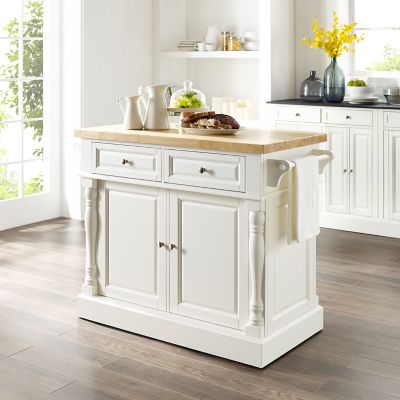
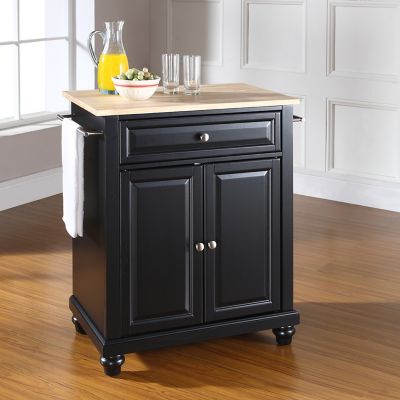
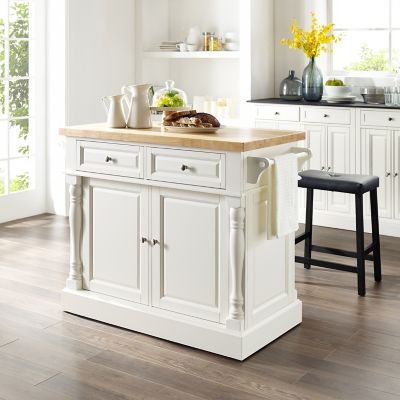
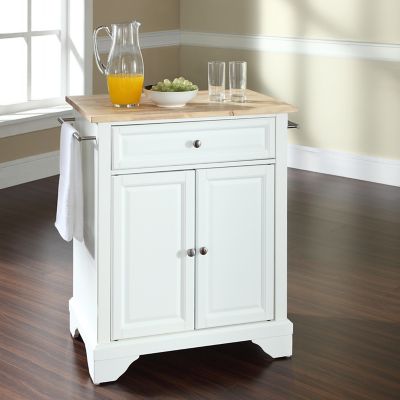
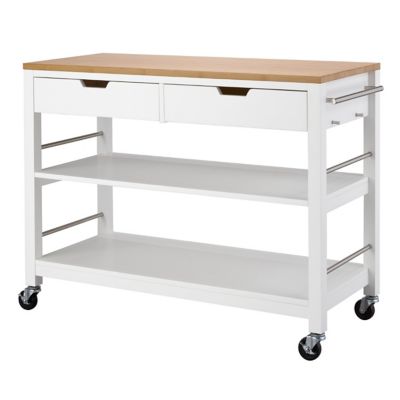
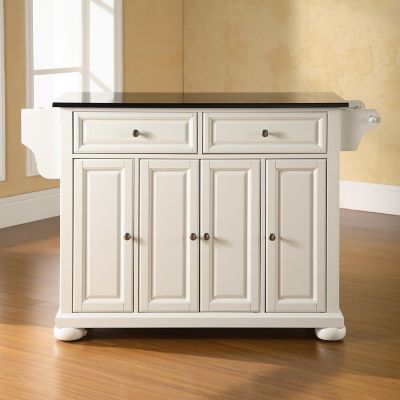
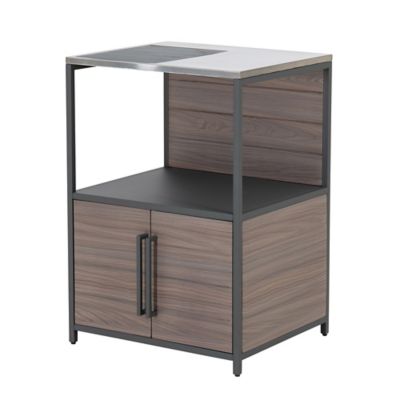
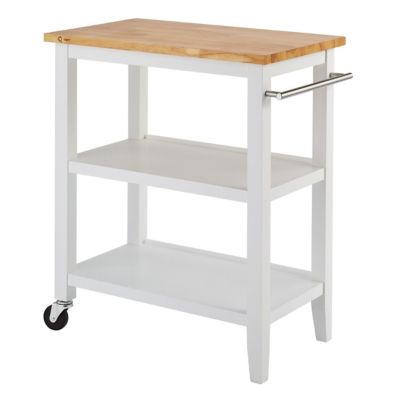
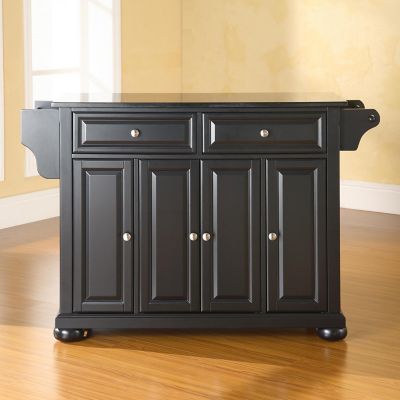
A butcher block top kitchen island brings a natural wood work surface and useful storage into the heart of a busy kitchen. It gives bread dough room to stretch, keeps vegetables close to the stove, and makes a handy landing spot for groceries before everything gets put away. In a farmhouse kitchen or a smaller home where counter space is tight, an island can create a separate place for prep without the commitment of built-in cabinetry. True butcher block is made from pieces of wood bonded together, with the grain pattern depending on how those pieces are arranged. Edge-grain construction often shows long, narrow strips, while end-grain construction has a block-like pattern that exposes the ends of the wood fibers. Some wood-topped islands have other construction methods, so the material description matters more than appearance alone. Maple, birch, rubberwood, and acacia are among the woods found in this category, each with its own grain, color, and care needs. A lighter wood can brighten the work area, while deeper tones bring out the natural contrast between adjoining strips. Beneath the top, a painted wood cabinet, a natural-finish base, or a metal frame changes both the look and the way the island works. Enclosed cabinets keep mixing bowls and countertop appliances tucked away, while open shelves put frequently reached-for cookware within easy reach. Drawers offer a place for measuring spoons, kitchen towels, and prep tools that otherwise crowd the counter. The appeal goes beyond extra square footage: a well-matched island helps separate tasks, giving one person room to roll biscuits while another handles dinner at the main counter. For households that cook from scratch, pack lunches, or bring family together around food, that extra work zone can earn its place every day. Wood also brings visible character to a hardworking room, with grain variations and small color differences that make the surface feel at home alongside stoneware bowls, cast-iron cookware, and everyday dishes.
The right fit depends on the whole island, not just the dimensions of its top. Overall width and depth determine how much floor space it takes, but drawer travel, cabinet doors, towel bars, and seating overhangs also affect the room around it. An island should leave comfortable paths between the refrigerator, sink, and range, with enough clearance for someone to pass while another person is working. About 36 inches is a common starting point for a walkway, while active work aisles often need 42 to 48 inches, depending on the layout and number of cooks. Appliance-door clearance and local requirements still matter, especially when an island sits opposite a dishwasher or oven. Height deserves the same attention. A surface near standard counter height generally suits standing prep work, but seating calls for stools matched to the top height, adequate knee room, and an overhang designed to support that purpose. A compact island can supply a chopping station and a lower shelf without dominating a narrow kitchen; a larger footprint may accommodate deeper storage and more room for spreading out ingredients.
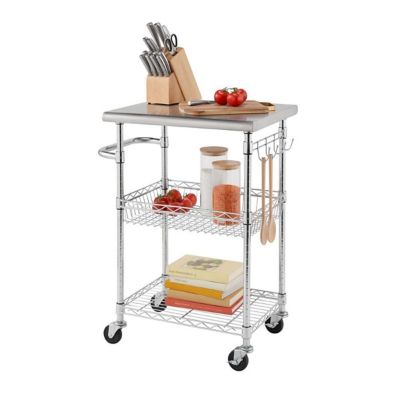
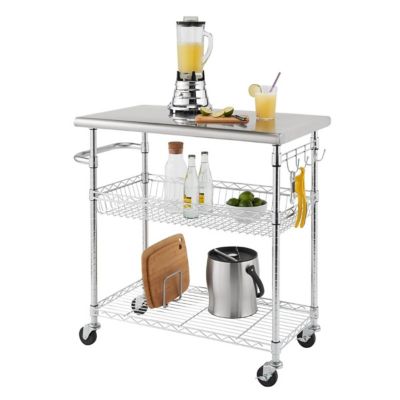
Kitchen Islands With Wheels can offer flexibility when the floor needs cleaning or the room needs rearranging for company, provided the surrounding space allows safe movement. Locking casters help hold a rolling island in place during prep, though the wheel locks, frame design, and stated weight limits all deserve attention. A stationary base may be a better match when the island stays in one spot and serves as a regular work center. Shelf spacing and cabinet openings matter, too: a tall stockpot needs different storage than baking sheets or stacked plates. Details such as drawer stops, easy-to-grip handles, level feet, and accessible shelves can make the difference between a piece that simply fills an opening and one that supports the way the household actually cooks.
Caring for a butcher block top kitchen island starts with knowing its finish and intended use. A wood top that looks ready for chopping may actually have a protective coating meant for general countertop work rather than direct knife contact. Unless the manufacturer specifically approves cutting on the surface, a separate cutting board helps protect the finish and provides a manageable place to handle ingredients. Wood is softer than many stone surfaces and can develop dents, scratches, and knife marks, so construction, finish, and daily habits all influence how the top holds up. Oil-finished butcher block may need periodic treatment with a food-contact-safe product recommended for that surface, such as food-grade mineral oil or an appropriate board conditioner. The schedule depends on the manufacturer's directions and how quickly the wood starts to look dry; there is no single treatment interval that suits every top. Film-forming finishes, including some varnishes and polyurethane coatings, generally call for different maintenance and should not automatically receive the same oil treatment. Any finish intended for food contact needs to be suitable for that purpose and fully cured according to its instructions. For everyday cleanup, a soft cloth, mild soap when permitted, and prompt drying are usually gentler on wood than soaking or harsh scrubbing. Standing water around a wet dishcloth, an overflowing plant saucer, or a spill near a seam can work its way into the wood, so wiping up moisture promptly helps limit swelling and staining. Trivets belong under hot cookware, and protective mats can help beneath appliances that release heat or moisture. The base needs attention as well, from wiping cabinet fronts to checking fasteners and clearing debris from casters. With a size that suits the room, storage that fits everyday cookware, and care matched to the finish, a butcher block island can become the spot where lunches get packed, pie crust gets rolled, and supper comes together without taking over every other counter. For a household setting up a new kitchen, it can also make a practical housewarming gift when space and preferences are known.