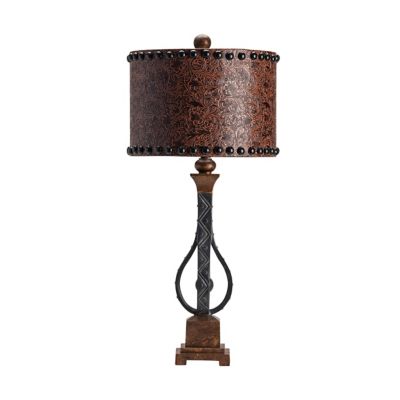
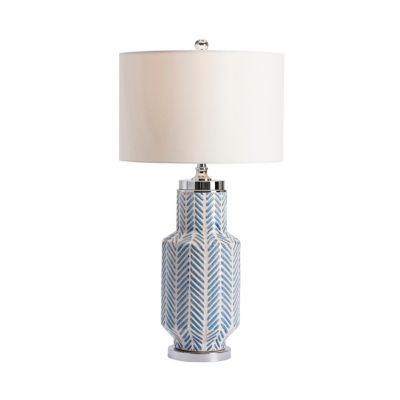
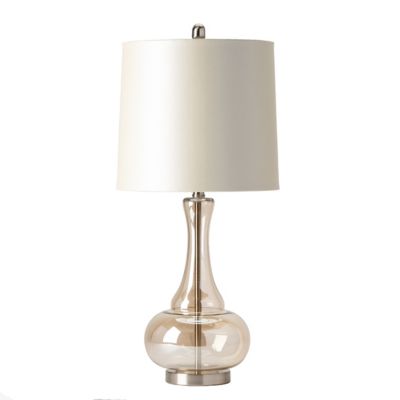
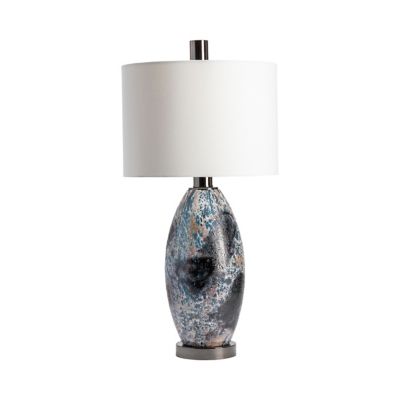
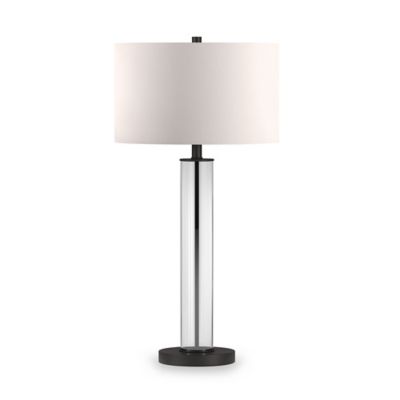
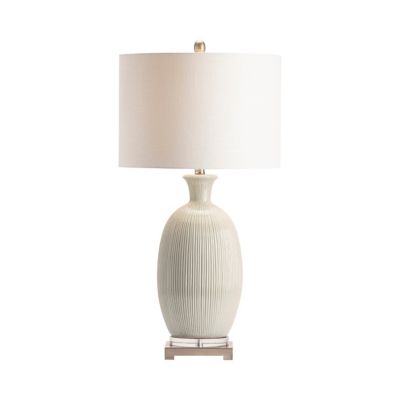
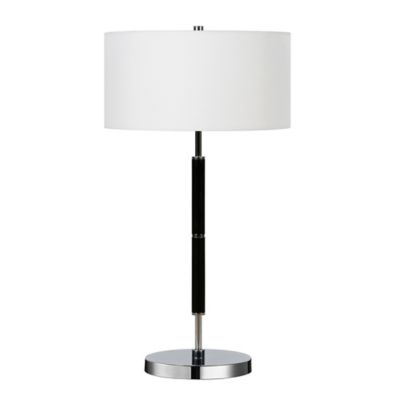
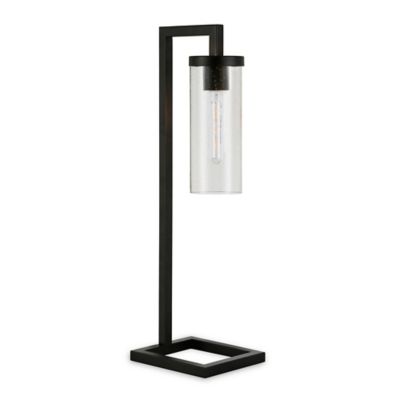
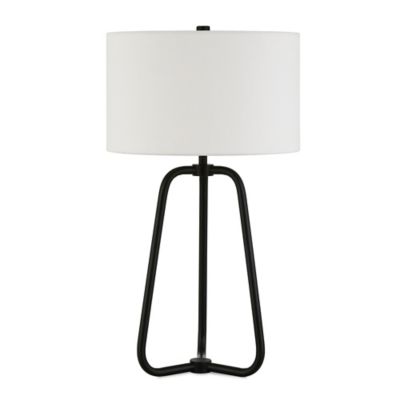
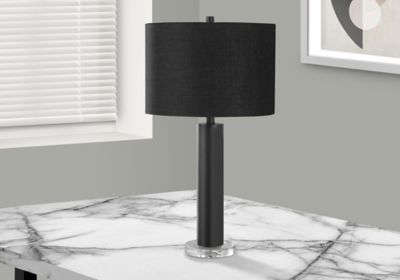
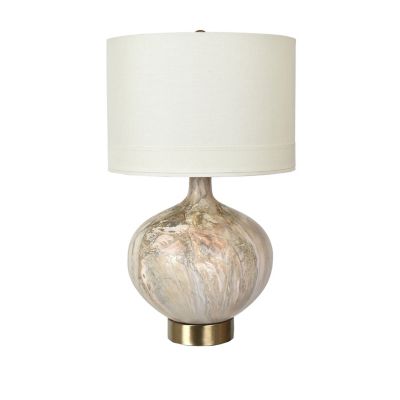
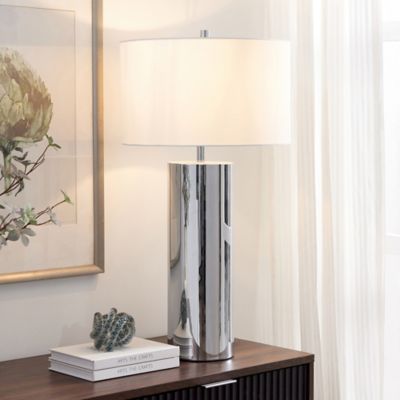
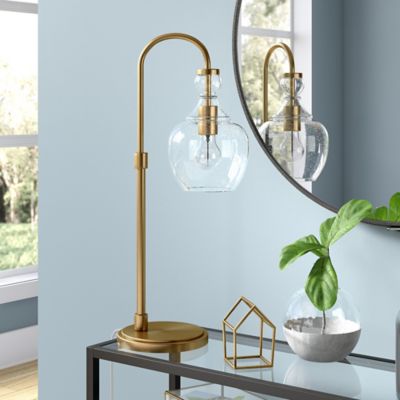
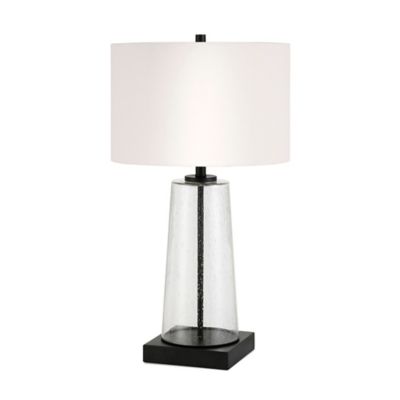
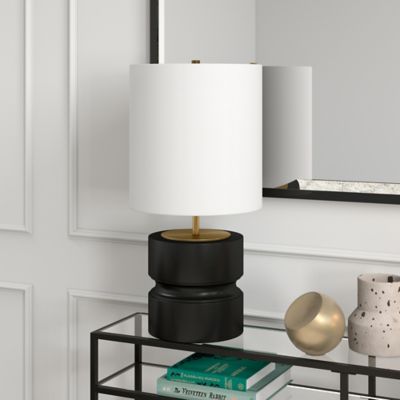
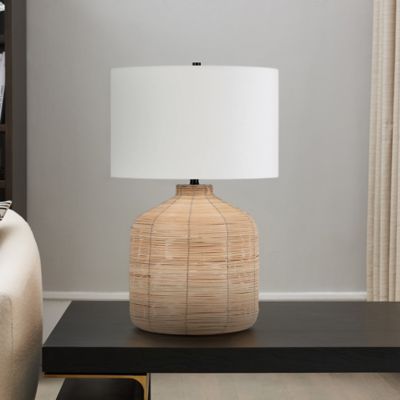
Brushed nickel table lamps have a silver-toned finish with a fine, brushed grain that gives the surface a softer sheen than polished metal. They bring useful light to nightstands, end tables, console tables, and desks without making the room feel flashy. That muted finish sits comfortably alongside painted wood, natural oak, dark walnut, stone, and many common cabinet and door hardware finishes. In a farmhouse living room, a brushed nickel lamp can balance a substantial wood end table; beside an upholstered bed, it adds a little definition without overpowering the bedding. The finish describes the outer surface rather than the material underneath, so construction details matter when comparing lamps. Metal bases may have a brushed nickel finish over another metal, while mixed-material designs can pair silver-toned parts with glass, ceramic, or wood. Straight columns and simple round bases offer a clean, understated look, while curved stems, turned shapes, and open frames give the lamp more presence. A broad base can look at home beside a deep sofa, while a slender profile leaves more space for a book and a water glass on a small bedside table. Shade shape changes the effect, too. Drum shades tend to keep the outline straightforward, while tapered shades create a more traditional silhouette and direct light differently above and below the lamp. Light-colored fabric shades generally soften the glow across a room, while darker or more opaque shades keep more of the light concentrated near their openings. Clear glass shades leave the bulb visible, making bulb shape and brightness part of the overall appearance. Brushed nickel table lamps can work as a matching pair for a balanced bedroom arrangement or as a single light beside a favorite reading chair. The best fit depends as much on the table, seating, and everyday routine as it does on the finish.
The relationship between lamp height, shade width, and furniture size makes a noticeable difference in everyday comfort. A tall lamp on a low end table may put the light in a helpful spot beside a chair, while that same lamp on a high nightstand could shine straight into someone’s eyes. For seated reading, a shade that screens the bulb from normal eye level helps reduce glare while leaving useful light on the page. On a bedside table, there should still be room to reach a drawer, set down glasses, and find the switch without knocking into the shade. Shade width deserves a look beyond the tabletop itself: a wide shade can crowd a walkway, bump a wall, or interfere with a cabinet door even when the base fits. Cord length and outlet location also affect placement, especially in older homes where receptacles may not sit beside every piece of furniture. Cords belong clear of walking paths and should not be pinched behind furniture or run beneath rugs. Bulb compatibility is another important distinction among brushed nickel table lamps. Socket type, maximum wattage, and any requirements for three-way or dimmable operation should match the lamp’s specifications. A three-way socket needs a compatible bulb to provide its intended light levels, and a dimmer needs a bulb rated for dimming. Lumens describe light output, while watts describe power consumption, so wattage alone does not tell how bright an LED bulb will look. Warm white light around 2700 to 3000 kelvin often suits bedrooms and sitting areas, while a more neutral light may suit paperwork or detailed tasks. Shade fabric and color can change how that light looks in the room. Rotary switches, pull chains, touch controls, and in-line switches offer different ways to turn a lamp on, with placement and ease of reach often deciding which feels most practical. A lamp near the chair where mail gets sorted has a different job from one that provides a gentle glow beside the bed.
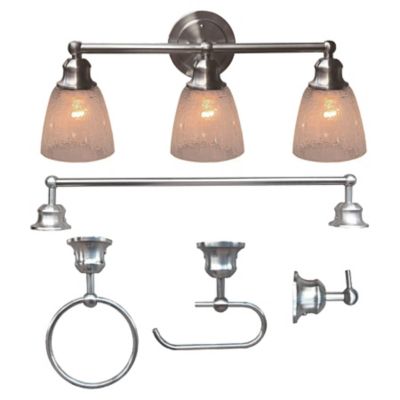
Brushed nickel table lamps are also worth comparing by their construction, stability, and care requirements, particularly in rooms that see plenty of daily activity. A weighted base and firmly attached shade can help a lamp feel steady on a level table, though any table lamp still needs a spot where children, pets, and passing elbows are less likely to tip it. Glass components add visual lightness but call for thoughtful placement, while fabric shades can collect dust and may be harder to wipe clean than a smooth metal base. The brushed finish can make some light marks less noticeable than they would be on a mirror-bright surface, but it is not scratchproof. Simple care usually means switching the lamp off, unplugging it, and allowing the bulb to cool before cleaning. A soft, dry cloth handles routine dusting; any damp cleaning should follow the manufacturer’s directions, with moisture kept away from sockets, switches, and electrical connections. Abrasive pads, metal polish, and strong cleaners can alter a plated or coated finish, so the care label matters more than a general rule for bare metal. Shades may need a separate cleaning method depending on their fabric, lining, and frame. Over time, keeping fittings snug as directed and checking for cord damage helps support continued safe operation. Table lamps belong in the locations covered by their electrical rating, with ordinary indoor models kept away from splashing water. For a coordinated metal finish in an adjoining bathroom,
Brushed Nickel Vanity Light Fixtures offer a related lighting option, with the fixture’s location rating still an important consideration. As a housewarming or wedding gift, a brushed nickel table lamp can be a practical choice when the recipient’s space, preferred style, and lighting needs are known. Its appeal comes from that combination of a quiet silver finish, a shape that suits the furniture, and light placed where everyday life happens.